




Penguin Random House India to publish a new novel by Salman Rushdie, The Golden House, in September 2017.
Simultaneous publication: Penguin Random House India, Random House US, Jonathan Cape UK, and Penguin Random House Australia, New Zealand, and South Africa.
Forthcoming from Salman Rushdie is a breathtaking new novel on a sprawling canvas. A modern-day thriller, it follows a mysteriously wealthy family from Bombay that is desperately seeking to forget the tragedy they left behind as they feverishly reinvent themselves in New York City. Copiously detailed, sumptuously inventive, brimming with all the razzle-dazzle that imbues his fiction with the lush ambience of a fable, The Golden House is about where we were before 26/11, where we are today and how we got here. Here is a book that asks us – in a post-truth world – if facts and authenticity are necessarily the same things, while never ceasing to be both resonant and entertaining.
Meru Gokhale, Editor-in-Chief, Literary Publishing, at Penguin Random House India, who acquired Indian subcontinent rights from The Wylie Agency says:
“This is Salman Rushdie at his finest. The Golden House is a masterclass on the confusing world we have brought upon ourselves. The book dissects the cultural and political vacuum in which a generation – whose frame of reference for globalization has increasingly been coloured by conflict – must perform an intense balancing act. It is a terrific story, told at every step of the way with originality and nimble, impeccable plotting.”
Sir Salman Rushdie is the multi-award winning author of twelve previous novels: Midnight’s Children which won the Booker Prize (1981) and the Best of the Booker Prize (2008), Grimus, Shame, The Satanic Verses, Haroun and the Sea of Stories, The Moor’s Last Sigh, The Ground Beneath Her Feet, Fury, Shalimar the Clown, Luka and the Fire of Life, The Enchantress of Florence and his recent Two Years, Eight Months and Twenty-Eight Nights. His memoir, Joseph Anton, published in 2012, became an acclaimed bestseller, praised as “the finest memoir […] in many a year” (The Washington Post). He has also published one collection of short stories, East, West, and three works of non-fiction: The Jaguar Smile, Imaginary Homelands: Essays and Criticism 1981-1991 and Step Across This Line. Rushdie has also co-edited two anthologies, Mirrorwork and Best American Short Stories 2008. His books have been translated into over forty languages. He is a former president of American PEN.
****
A timeless love saga – Meghadutam by Kalidasa

Indian literature is an ocean replete with brilliant pearls. All it takes is a swim in its depths to explore the gifts that Indian writers have left for us. One such gift is Kalidasa’s Meghadutam – The Cloud Message.
Kalidasa explored new boundaries of literary stylistics – and his poem, Meghadutam stands true to his legacy.
It is perhaps the most translated text in all of Indian literature and can be found all over the world in different languages, formats and styles. A beautifully scripted poem, it chronicles the story of a banished yaksha who petitions a cloud to send a message to his distant lover. It’s a captivating story that transcends through ages and enthrals its readers.
Here we have picked some verses from Meghadutam’s latest translation by Srinivas Reddy.


***
Fascinating, isn’t it?
You can get your copy of Meghadutam here.
***
5 Novels by Charles Dickens that Dazzled Us

“No one is useless in this world who lightens the burdens of another,” Charles Dickens remarked once. If we care for that standard, Charles Dickens – a colossus standing tall over the literary firmament – is one of the most ‘useful’ people of all time!
Even though he lacked a formal education, he gave us fifteen novels, five novellas and hundreds of short stories that have not only lightened the burdens of numerous generations but also given us a glorious peek into the grand world of his imagination.
Virginia Woolf once tagged Dickens’ works as “mesmerizing” and Truman Capote called him “a great artist”. On Charles Dickens’ birth anniversary, we fetch five of his greatest works that have dazzled men and women, children and elders alike!
David Copperfield
“Whether I shall turn out to be the hero of my own life, or whether that station will be held by anybody else, these pages must show.”

Great Expectations
“I loved her against reason, against promise, against peace, against hope, against happiness, against all discouragement that could be.”

Oliver Twist
“Please, sir, I want some more.”

A Christmas Carol
“I have endeavoured in this Ghostly little book, to raise the Ghost of an Idea, which shall not put my readers out of humour with themselves, with each other, with the season, or with me.”

A Tale of Two Cities
“Repression is the only lasting philosophy.”

Which is your favourite novel by Charles Dickens, and why? Tell us, and join us in wishing Charles Dickens – Happy Birthday!
———–
Introduction to Aanvikshiki – An Excerpt
Let me begin with a story.
There was once a child. Whenever he did something wrong, others used to tell him, ‘Why are you making so many mistakes? Why can’t you understand things well? Can’t you think properly?’
When the child went to school, he was brought up in an examination system instead of an education system. When he did not do well in his exams, his parents and teachers used to say, ‘Why can’t you study properly? Think about what we tell you, otherwise you will not only fail in your exams but also fail in life.’
As a teenager, he fell in love and had his heart broken. His friends told him, ‘We had told you not to go after that girl. Why did you not take our advice?’
When he got out of college and worked in various companies, his bosses would say, ‘Your effort is important in work—but what matters more is the result. Think about it and you will succeed in your career.’
When he got married, had children and was bestowed with the responsibilities of a householder, the elders in the house would advise him. They said, ‘Remember and understand your duties. No one can run away from it. It is part and parcel of life.’
Then came a stage in his life when his children were settled and he was close to retirement. His friend asked him, ‘Have you thought about what you are going to do post-retirement? Do you have a plan?’ He did not.
Finally, he was old and alone. His wife had passed away, his children and grandchildren were busy with their own lives, and he had nothing much to do. He had all the time in the world to look back and ponder over his life.
While reflecting upon every stage of his life—as a child, student, teenager, professional, homemaker, he was constantly advised by others to ‘think’, to succeed in life and to avoid making mistakes.
He hadn’t really got a chance to do an in-depth reflection on the word ‘think’ at all.
Now, for the first time in his life, he was ‘thinking about thinking’.
But was it too late?
All his life, he had been told by others to think. But no one actually taught him ‘how to think’.
Does the story tell you something? Does it ring a bell inside your head?
Do you think this story has a connection to your life?
If you really ‘think’, you will understand that this is a story about all of us. This is a story of every man and woman, every child, every teenager, every professional, the young and the old, the married and the unmarried.
This is the story of you and me.
Strange but true, one can lead one’s whole life without thinking.
What a tragedy.
Now let us reverse this story.
Imagine if you were taught how to think from the very beginning, the moment your thinking faculties develop. Instead of loading the child with information, if one taught the child the right methods of thinking—analysis, decision-making, prioritizing, planning, structuring, critical evaluation, logic—things would be different. You would question when questions are required. Accept others’ views where it is necessary. Think through all the consequences. Take calculated risks and, without doubt, you will be far more successful. You will be successful not only at the very end, but also at every stage of your life.
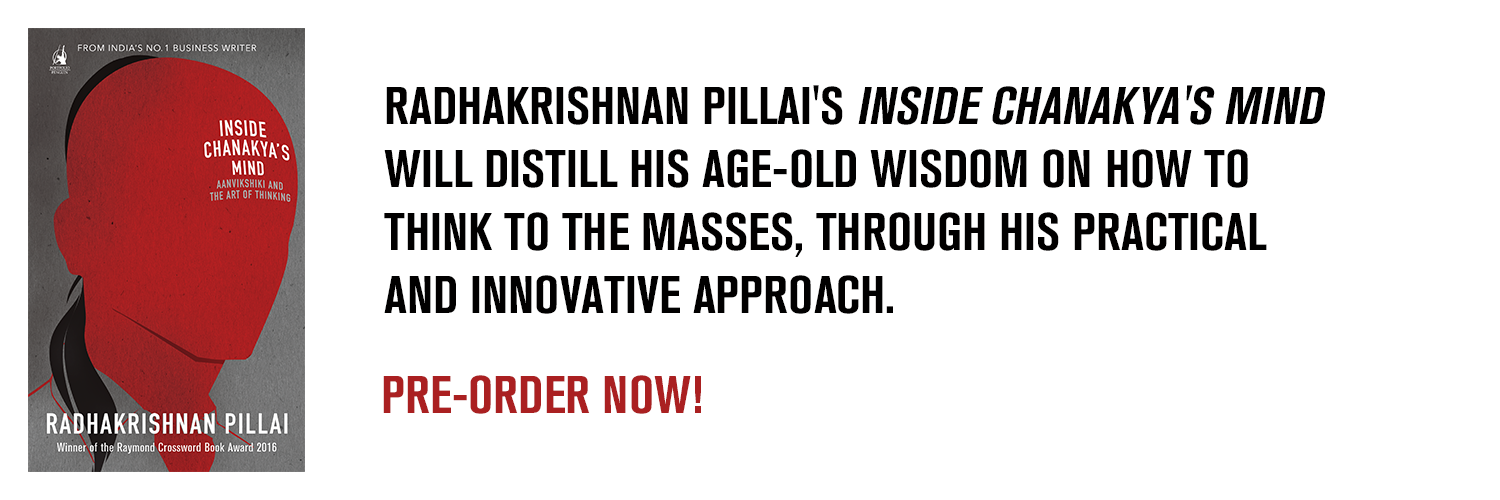
In this book, we present something very interesting: Some methods and techniques of thinking, the philosophy of thinking and alternative ways of thinking. This book is simple yet profound. It will lead you to something that will ignite your mind and intellect.
In a sure yet subtle way, it will change your thinking. It will add a new dimension to your views about life in general. I hope the book becomes a silent killer. It will kill various misassumptions you had in the past. It will kill your ignorance and make you happier. If understood from the right perspective, it will kill your ego. You may die internally once, only to live a full life again.
Most importantly, you will enjoy this journey—it is fun. It will help you discover yourself all over again.
Let us call this process an adventure in thinking.
———
12 things you didn’t know about Vivekananda
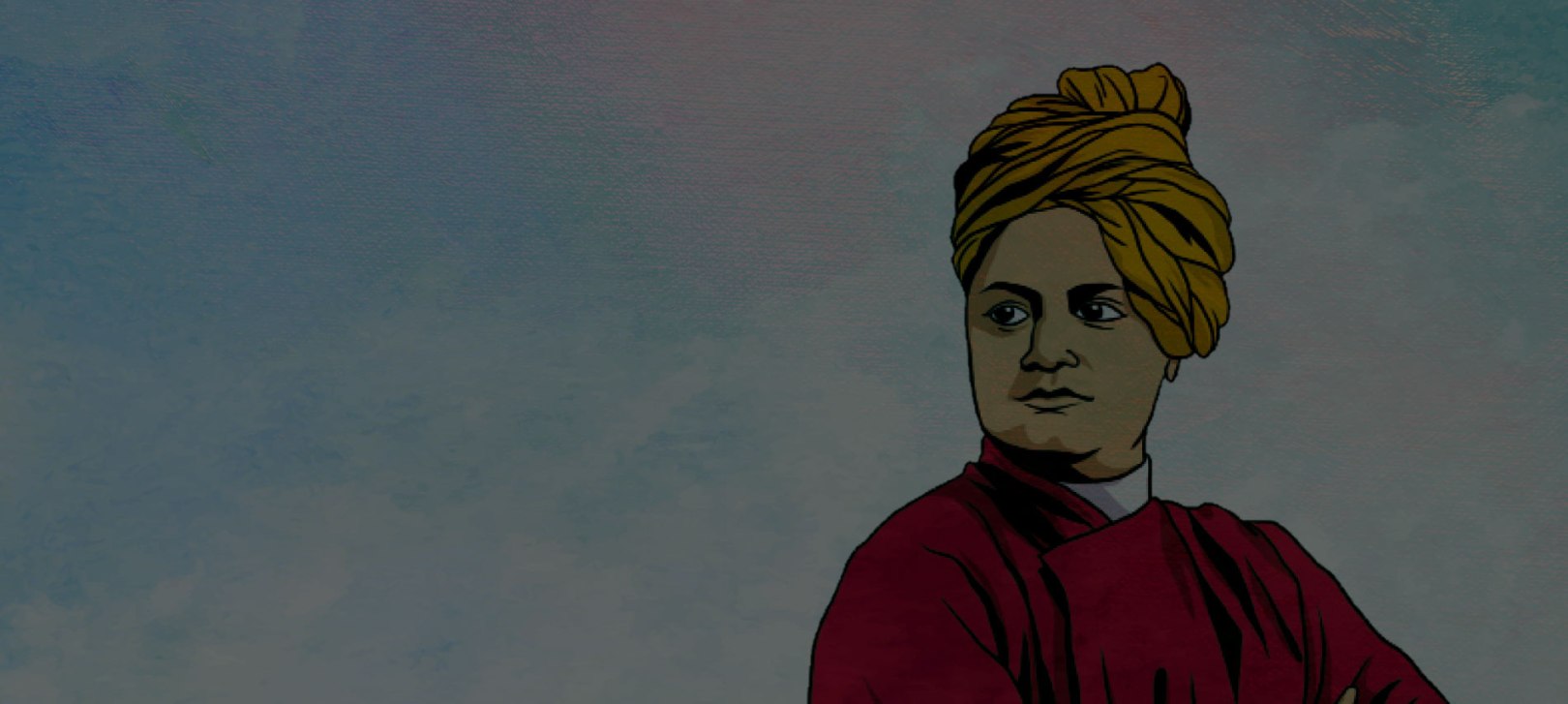
When we think of Vivekananda, the image is that of a saintly monk. But was he really that?
Swami Vivekananda was nothing like the monks we have known forever. He was confined neither by history nor by ritual, and was constantly questioning everything around him – including himself. He broke numerous stereotypes which he deemed regardless and harmful for mankind. There’s a lot that we can learn from him and more importantly, there’s a lot we can learn about him.
Here are 12 things we can bet you didn’t know about Swami Vivekananda:


***
With his book The Modern Monk, Hindol Sengupta deconstructs the accepted, idolised image of Swami Vivekananda, giving us the coolest monk, whose ideas and thoughts are relevant even today.
***
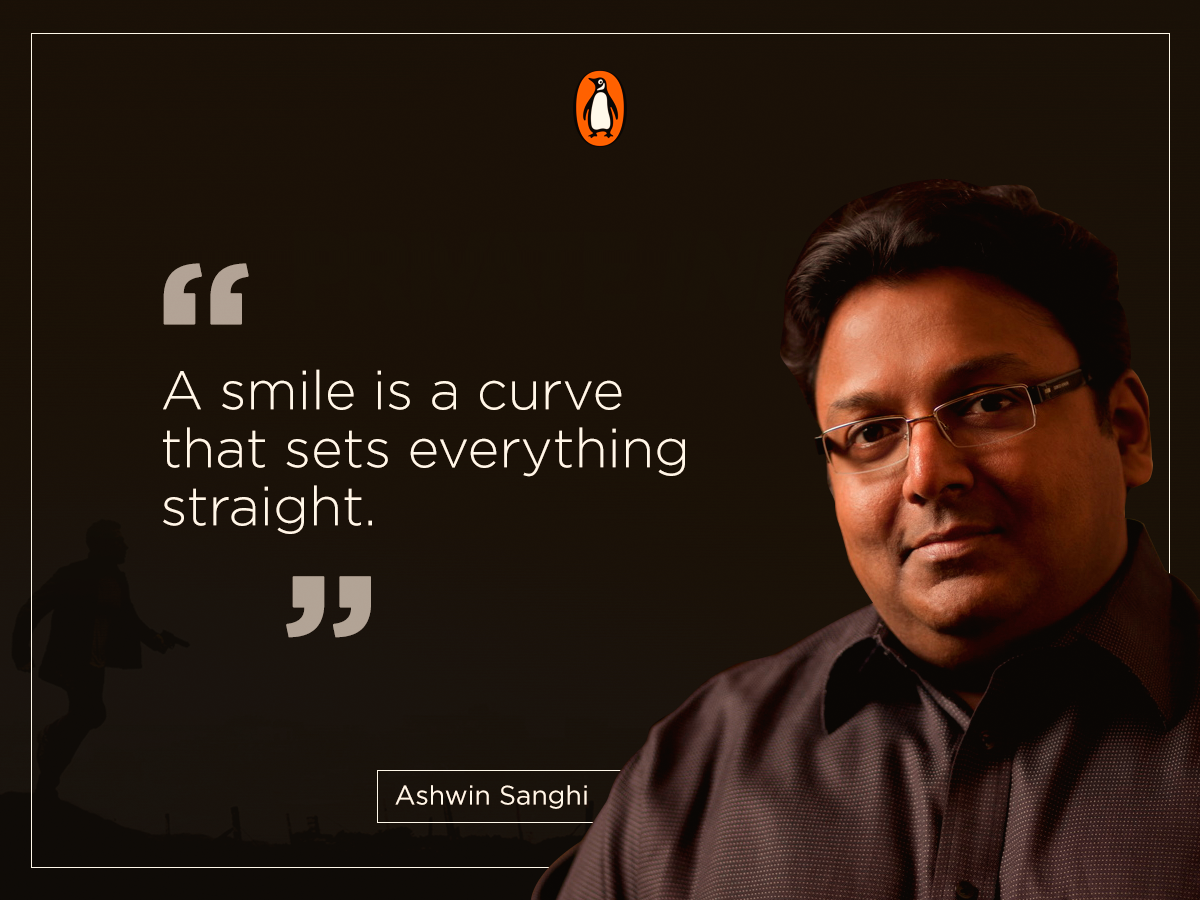
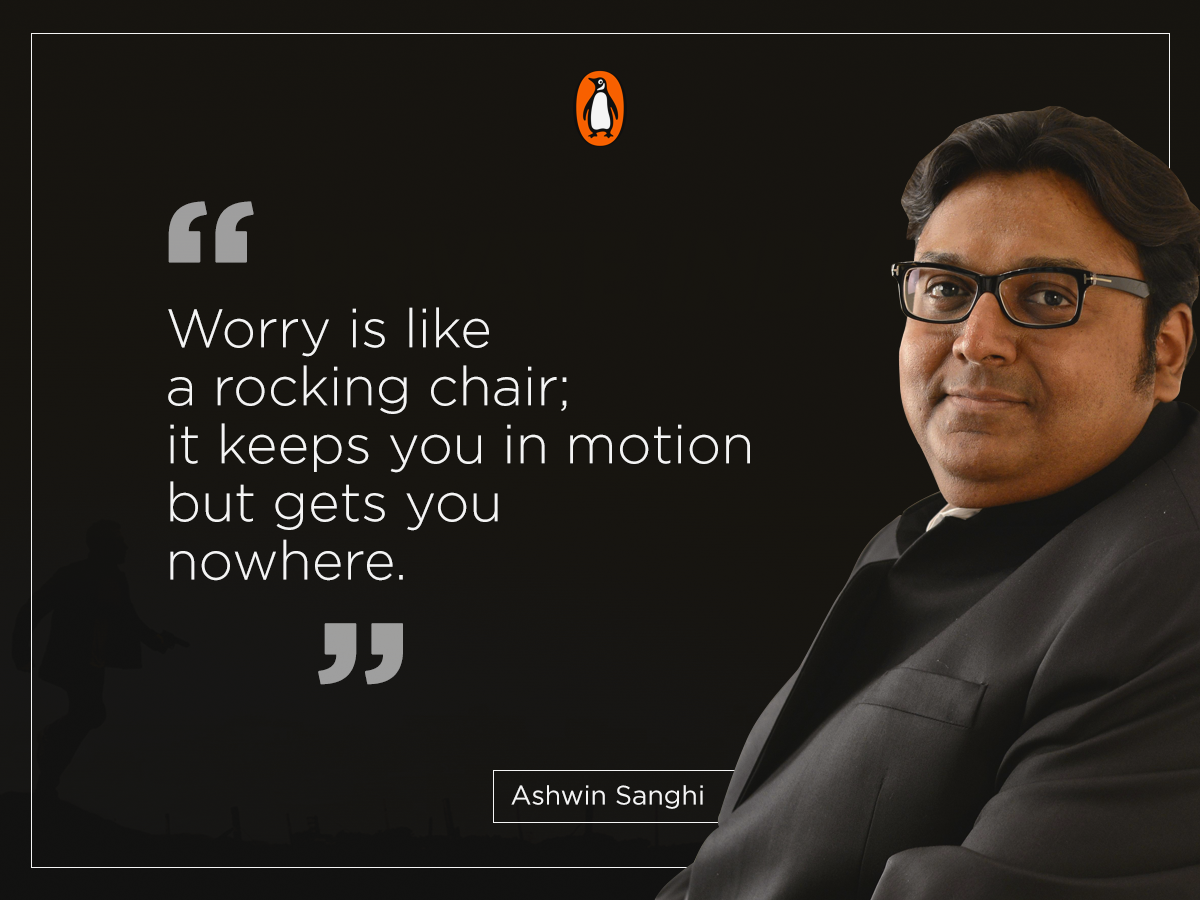
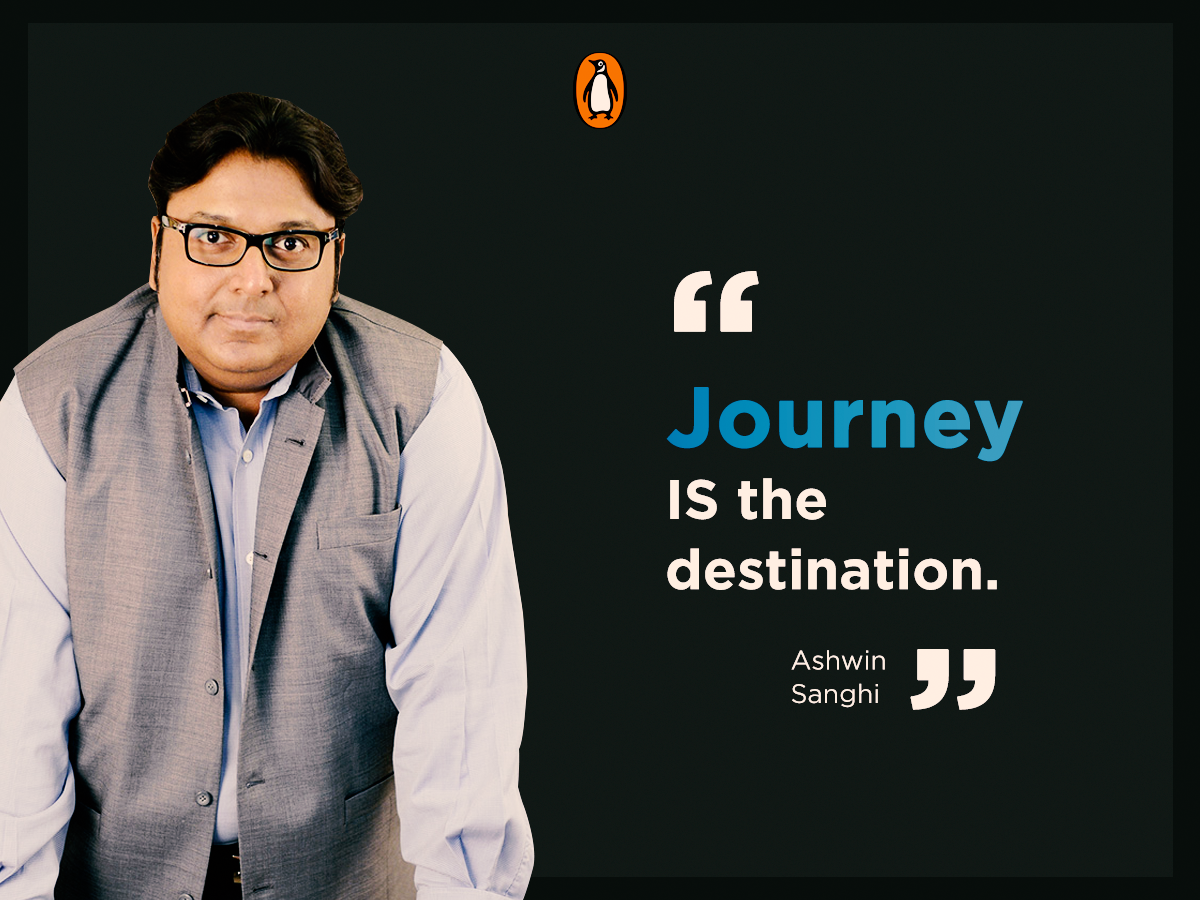
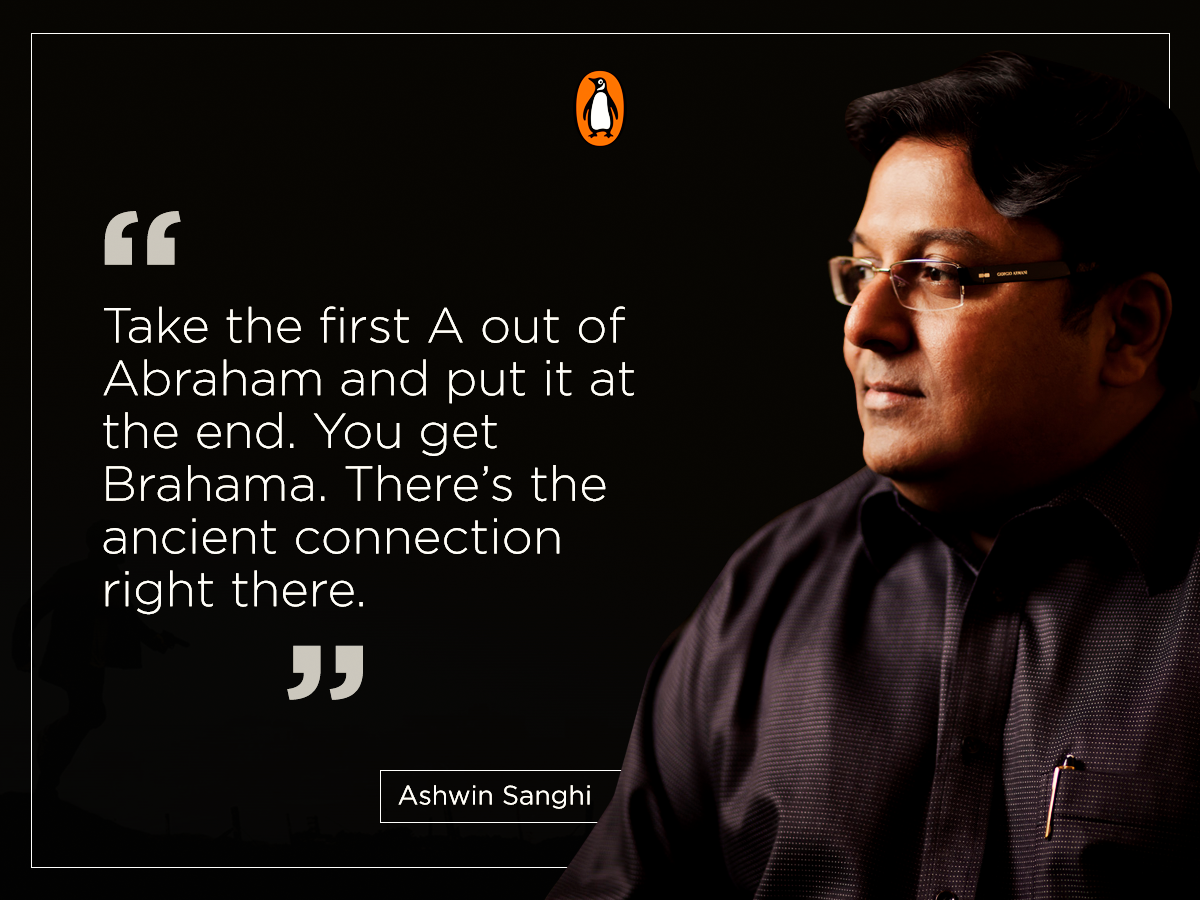
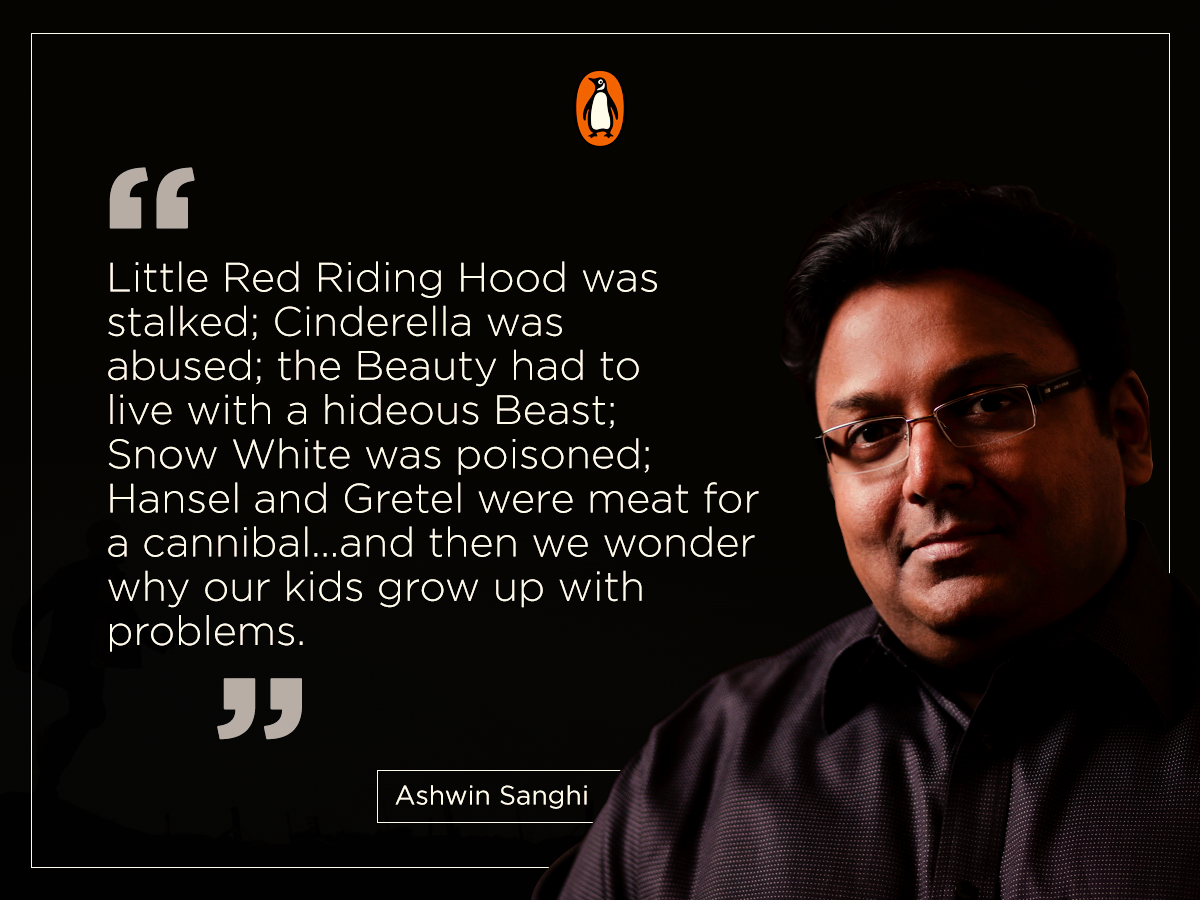
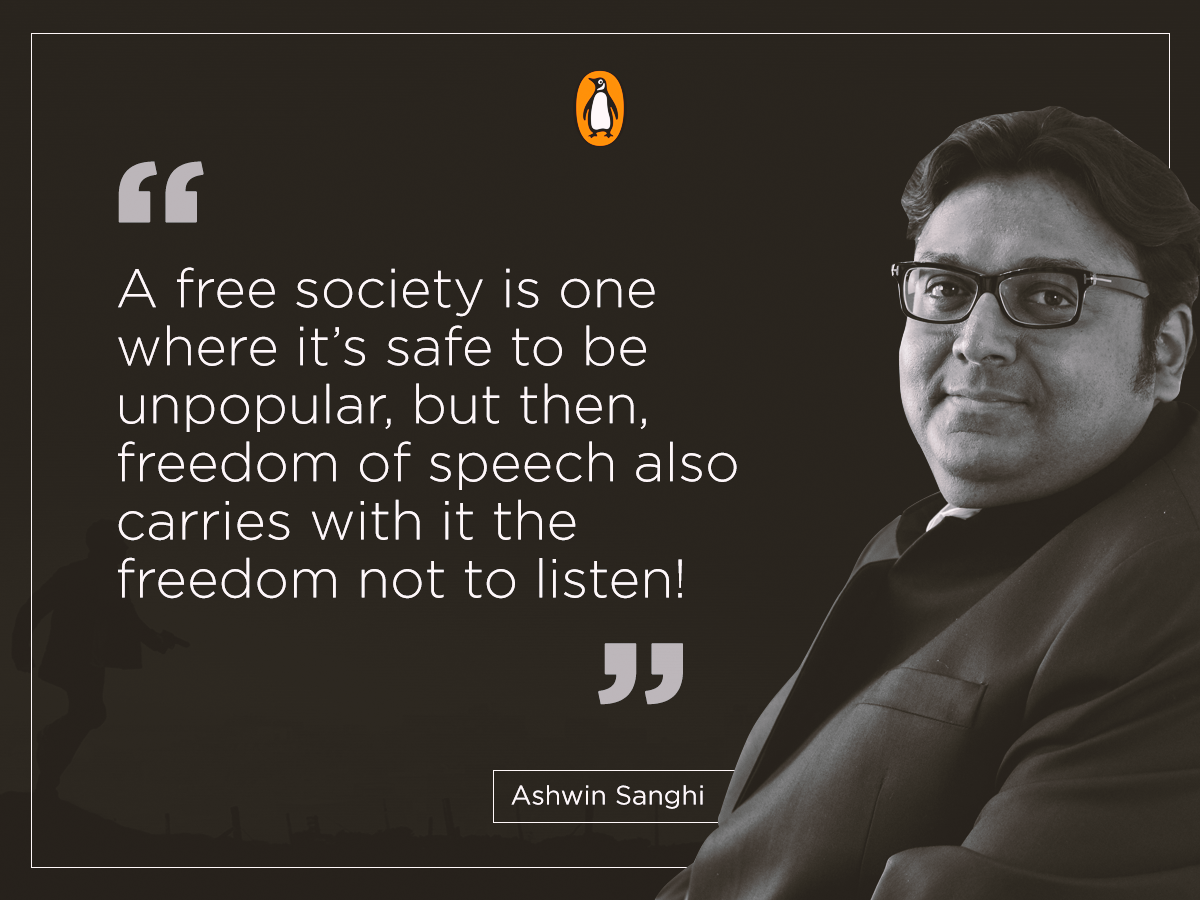
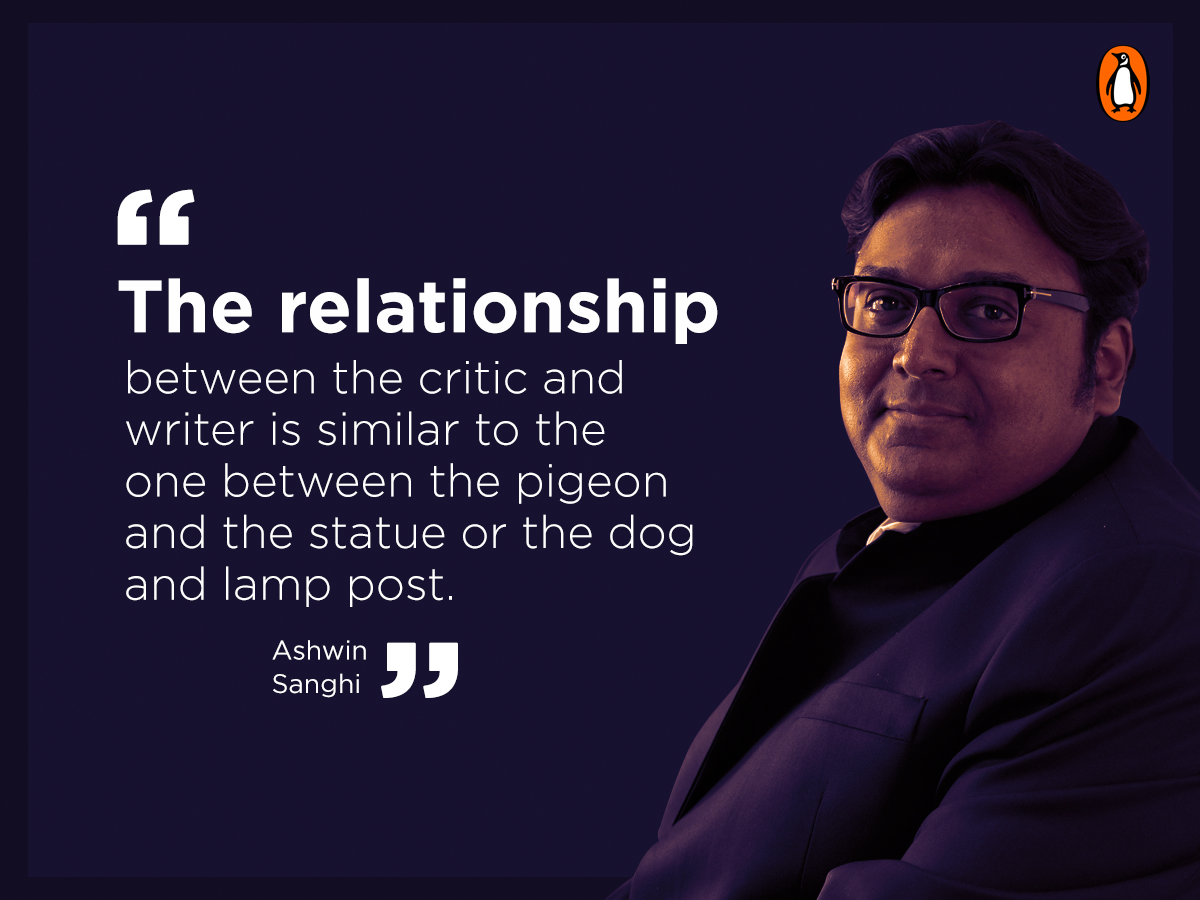
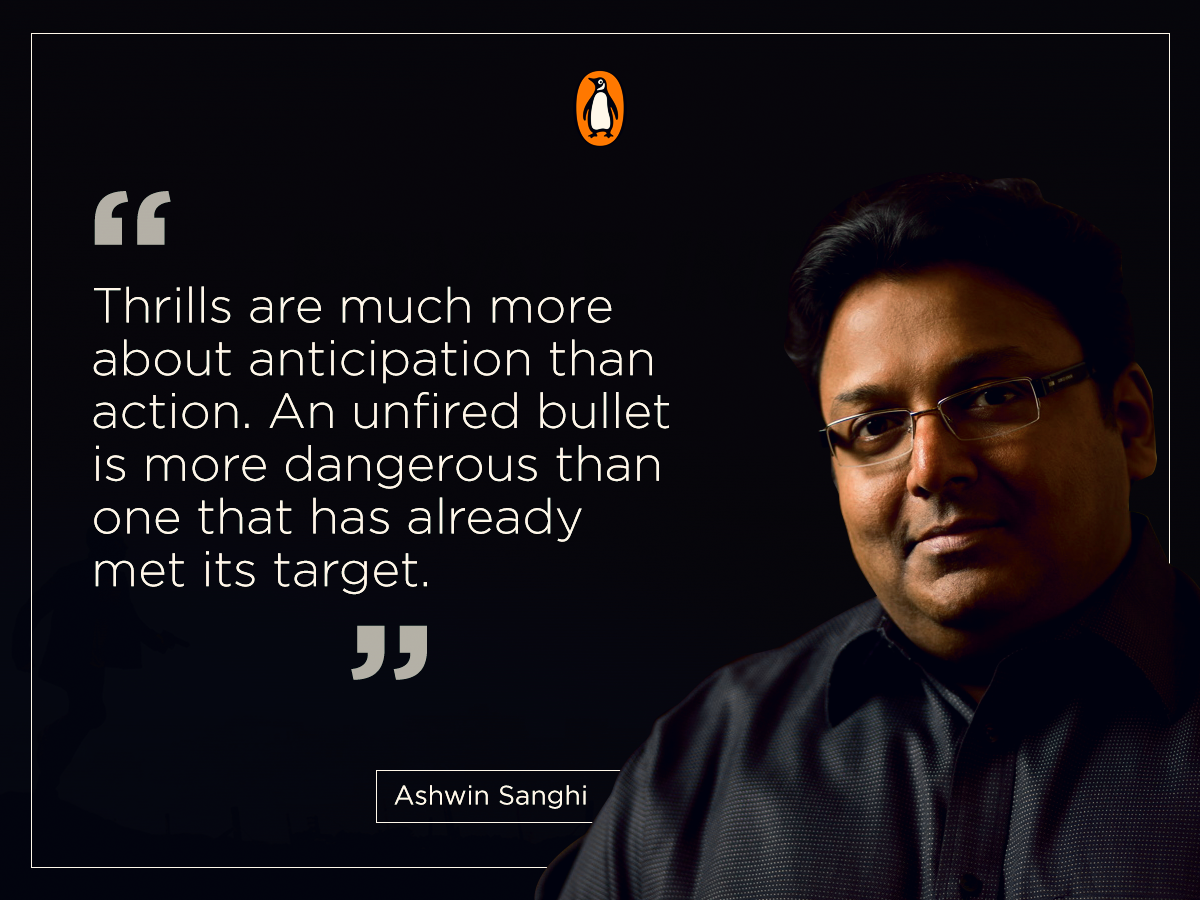
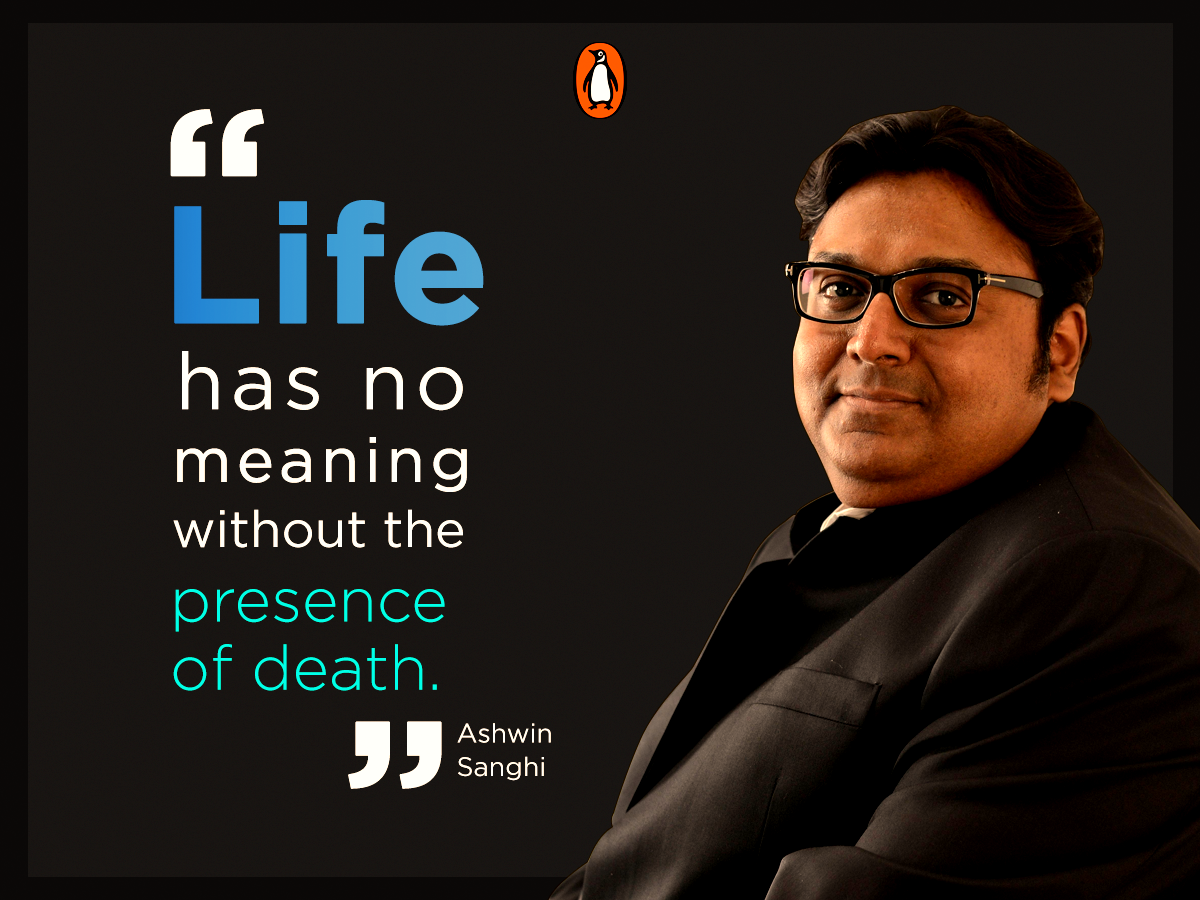
9 Quotes from Ashwin Sanghi that’ll get You Thinking
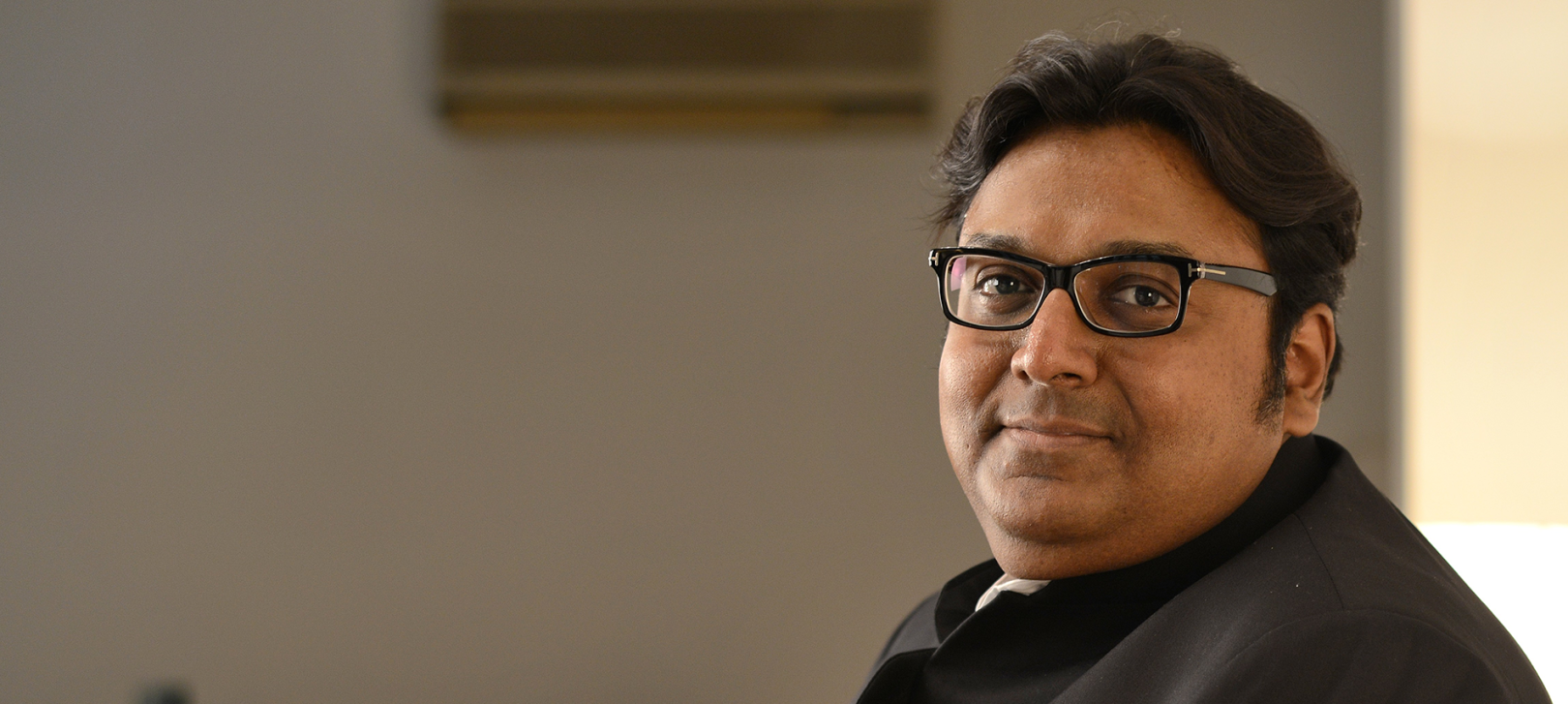
Ashwin Sanghi ranks among India’s highest selling English fiction authors. He has written several bestsellers (The Rozabal Line, Chanakya’s Chant, The Krishna Key and The Sialkot Saga). The author has also co-authored a New York Times bestselling crime thriller with James Patterson called Private India.
Included by Forbes India in their Celebrity 100 and winner of the Crossword Popular Choice, Ashwin also co-writes the 13 Steps series of self-help books (13 Steps to Bloody Good Luck and 13 Steps to Bloody Good Wealth) the rest are set to follow.
His latest work is the sequel to the Private India. Co-authoring, again, with James Patterson, the new book follows the character Santosh Wagh investigate, after bodies are discovered in a state government-owned house. The authorities, however, seem to be taking great pains to prevent the investigation. But why?
That, dear reader, is something you’ll have to find out in Private Delhi. Until then, immerse yourself in these thought-provoking quotes by this remarkable writer.
———–
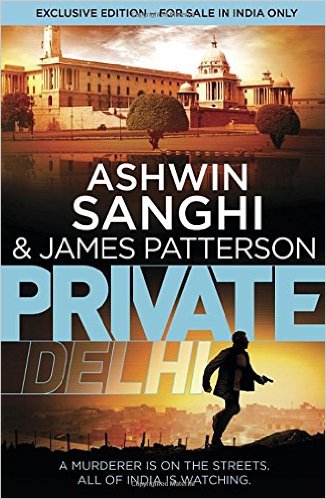
Ashwin Sanghi and James Patterson’s sequel to Private India, Private Delhi sees Jack Morgan persuade Santosh Wagh to rejoin his global investigation agency and set up a new branch in Delhi.
It’s not long before Santosh is thrown headlong into a dangerous case which could implicate the highest members of the Indian government in a string of brutal murders. Get your copy today!
Mayank Austen Soofi talks about the cover photograph of ‘The Ministry of Utmost Happiness’

Mayank Austen Soofi, the renowned photojournalist, gets candid about behind the scenes of the cover and author picture shoot for Arundhati Roy’s much awaited novel – The Ministry of Utmost Happiness
Tell us about the photo used on the cover of Arundhati Roy’s new novel The Ministry of Utmost Happiness.
I’m a devotee of The God of Small Things. I’m also very attached to its cover, a picture of the surface of water with flowers and leaves and the sky reflected in it. I love it because you can keep looking at it. It is so particular and yet elusive, and you can never get enough. And that is exactly how the novel is. I think and I hope that this cover for The Ministry of Utmost Happiness will stir the same feelings in the reader. It’s a photograph of stone, which is the complete opposite of water. Yet I think the cover has that same quality of being particular as well as elusive.
How did you come about taking these photos?
She asked me to. She was very clear about what she wanted. I was nervous, but I tried to follow the brief as closely as I could.

Why did she choose you to take these photos?
That’s a question you must ask her. All I can say is that I cannot believe this is happening to me. That my photograph will be on the cover of the second novel of the writer who wrote The God of Small Things!
What is she smiling about in that author photo?
She was thinking some very private thought, I think.
Your blog is called ‘The Delhi Walla: Your gateway to alternate Delhi, the city of Hazrat Nizamuddin Auliya and Arundhati Roy’. When did you start it and why is it called that?
I started my blog ten years ago, many years before I actually met Arundhati Roy. Delhi is where I live and work. There are two people here, who have shaped me and my way of thinking. One is her, a writer who seems to speak directly to me. The other one is the Sufi Saint Hazrat Nizammudin Auliya.
***
The Ministry of Utmost Happiness, Arundhati Roy’s first novel in twenty years, is set to release in June 2017.
***
Announcement: Soha Ali Khan’s debut book!

Penguin India is proud to announce that it will publish Soha Ali Khan’s debut book in 2017.
Titled The Perils of Being Moderately Famous, the book will be a collection of humorous, and sometimes bizarre, stories on her life as a royal princess (her official title is Nawabzadi Soha Ali Khan of Pataudi and Bhopal) and a ‘moderately famous’ celebrity, as she likes to call herself.
Soha Ali Khan: ‘If I had a dollar for every person who told me to write a book, I would have umm . . . six dollars. I do love to read and I do that quite well (510 words a minute), so it can’t be much harder to write, right? I also have some time on my hands, as most actors often do (stop sniggering). I can use this time creatively to pen down memories, some insights from what surely must be a life less ordinary. I am a princess after all. Try not to imagine me saying that whilst stamping my feet in a silver sequined dress with a tiara on my head. And as a person of royalty, surely I am entitled to some royalties! But a word of caution—if you are hoping I will reveal the secret behind Kareena’s glowing complexion or how Bhai trains for an action film then, I am afraid you are barking up the wrong book. Although, in its pages there may be a passing reference to some of the idiosyncrasies of the more famous members of my family, the bulk of it, I’m afraid, is about . . . well, me. Just me. Is my life really worth writing about, or more to the point worth you paying to read about? Well, the good news is you’d be right not to wait for the movie.’
Editor’s Statement: ‘Having read a few chapters, I can safely say Soha was born to write. She has amassed a huge fan following not only for her movies but also for her witty repartee on Twitter, and her charm and wit continue to shine in this brilliant collection of personal essays where she recounts with self-deprecating humour some of the most poignant moments of her life—from growing up as a modern-day princess to life as a celebrity in the times of social media culture.’—Gurveen Chadha, Commissioning Editor
About Soha Ali Khan: Soha is an Indian film actor who has appeared in movies such as Rang De Basanti, Tum Mile and Go Goa Gone. She studied modern history at Balliol College, Oxford and earned a Masters’ degree in International Relations from the London School of Economics and Political Science.
She is the youngest daughter of actor Sharmila Tagore and Mansoor Ali Khan Pataudi, the 9th nawab of Pataudi. Both her father and paternal grandfather, Iftikhar Ali Khan Pataudi, were former captains of the Indian cricket team. Her older brother is Saif Ali Khan and she’s married to actor Kunal Kemmu.
Soha’s most recent release was 31st October, a true story focussing on the aftermath of Indira Gandhi’s assassination.
Photo credit: Shivaji Storm Sen
***
"Why is it that we barely know anything of Islamic lore?" – An Excerpt

It was 11 a.m. on 21 September 2013. I had just sat down with my pen and notebook. I had been working on my historical novel, Idris, when news came of unidentified gunmen opening fire in one of Nairobi’s upscale malls.
The mass shooting had left 67 people dead and more than 175 people injured.
Amidst all the kerfuffle of reportage, one thing struck me in particular. An eyewitness was reported to have said that the attackers had asked Muslims to leave, declaring that only non-Muslims would be targeted. Among other aspects of the vetting process, the hostages were asked to name Prophet Muhammad’s mother as a litmus test that would distinguish Muslims from non-Muslims.
It seemed both astounding and horrific that a piece of information could have saved a life. But why was this information not out there for all to know?
In many parts of the world, including India, almost every non-Christian knows that Jesus’s mother was Mary and his father, Joseph; and of the story of Jesus’s birth and his crucifixion. Non-Hindus know that the Ramayana is about Rama and Sita and Rama’s battle against Ravana; that the Mahabharata is about the Kauravas and the Pandavas, that Krishna was an avatar of Vishnu. But even the most erudite among non-Islamic people know nothing about the Quran or what is in it.
If you had asked me then what Prophet Muhammad’s mother’s name was, I would have stared back too, clueless.

Teaching a faith demands expertise; but what of the accompanying lore that goes into fleshing out the wisdom? Why is it that we barely know anything of Islamic lore? Religious preachers have always sought parables to explain a tenet. But even in isolation and removed from doctrine, these allegorical stories have an appeal of their own. The storyteller in me roused and shook herself.
Acts of terrorism perpetrated by Muslim fundamentalists had already made many non-Muslims wary of the religion. And I thought this was grossly unfair to Islam and what it taught. I had been brought up as a secular individual and felt a calling to clear this misinterpretation in my own way.
No religion preaches hate or violence. No religion condones killing or the taking of human life. However, flawed interpretations do lend a religion a misguided twist that it does not claim in the first place. Those with vested interests manipulate aspects of a religion to justify heinous crimes and the massacre of innocents. And so it had happened with Islam. And yet why was it that no one was actually trying to redeem the understanding of Islam?
Why was no one willing to try and make Islam more accessible to the world so that the teachings in the Quran would be seen for what they truly are—a call to righteousness and peace—and not for what we have beguiled ourselves into believing?
During the writing of Idris, I had studied the Quran and tried to understand what I could of its lessons and the associated Islamic fables. But now I had another purpose. I had already written two books on mythology for children. One was based on Hindu mythology and the other drew on lesser-known world myths. I would now try and write about Islamic lore— stories culled from the Quran and the Hadith. And I was certain that the book had to be for children—for young minds are what we need to invest in for a chance of change.
Let children everywhere—Hindu, Christian, Muslim, Jewish, Buddhist, Jain or otherwise—discover the stories from the Quran and delight in them and learn from them. Stories are, after all, stories; and no religion can stake claim to them.
In what could only be termed providential, I found a translation of a book of stories drawn from Ibn Kathir’s Al-Bidayah Wan-Nihayah (The Beginning and the End). The author was born in AD 1300 and died in AD 1373. A Sunni scholar and historian of great repute, Ibn Kathir hailed from the Shafi’i school of Islamic law and lived during the reign of the Mamluk Sultanate in Syria.
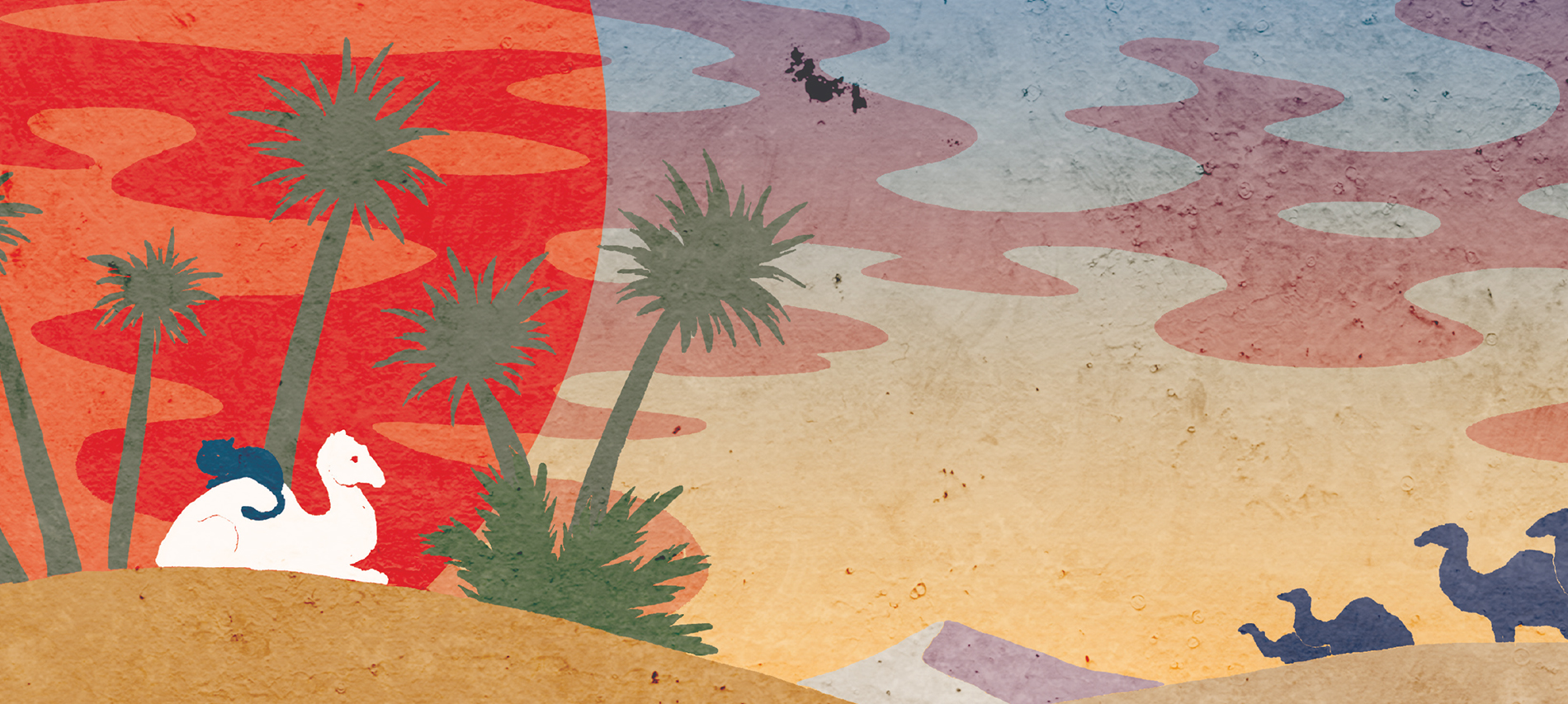
Suddenly I knew where to begin. And then, as it usually happens with each book I write, two characters—a cat and a camel, in this case—appeared from nowhere, and I had my epiphany on how to take the book forward.

This is a book for young readers. But it is also a book for anyone who wonders what the Quran contains, apart from the teachings of a religion.
In fact, al-Quran literally means ‘the reading’; and how can a work that means this most beautiful of phrases be limited to just being a scripture? The wealth of its stories, and the lyricism, poetry and flow of its narrative make it as much a literary text as a holy book.
I have been told that I am entering dangerous territory. That, as a Hindu writing about the holy book of Islam, I’m inviting trouble. That to me smacks of prejudice more than anything else. How can any religion close its doors to someone who knows nothing of it? How does one learn about a religion unless one is given access to it?
And that is my only act of faith here. To lead from ignorance to the beginnings of knowledge; from prejudice to comprehension; and to reaffirm, in these times that are wreaked with discrimination and terror, that all religions are the same. That all religions just strive to make of us better human beings.
If only we would make an effort to understand their truth.
PS: The name of Prophet Muhammad’s mother is Amina.
A djinn in the form of a baby camel and Prophet’s favourite cat come together in their shared exploits and a mutual education. As their chance meeting and tender bond is delicately explored, we are offered a fascinating array of teachings from the Quran. Read more in Muezza and Baby Jaan
7 Things About Nadeem Aslam that will Leave You Spellbound
When a young Nadeem Aslam – sixteen years of age – fled from his native Pakistan and settled in England, he barely knew the English language. Back home, Urdu-medium schools had dotted the country and English education had been rare and for the affluent few.
In England, as a teenager, learning and writing in English became Nadeem Aslam’s burning desire – a language in which he would go on to produce highly influential works. As part of his self-imposed “crash-course” to learn English, he started by copying out entire novels by hand and studying the content! “That’s how I learned English, looking at the sentences,” Nadeem Aslam says.
Today, as one of the leading writers from the subcontinent who has made an indelible mark on the international stage, Nadeem Aslam has left behind striking footsteps to follow. Here are few of the fascinating things about him that are going to leave you captivated!
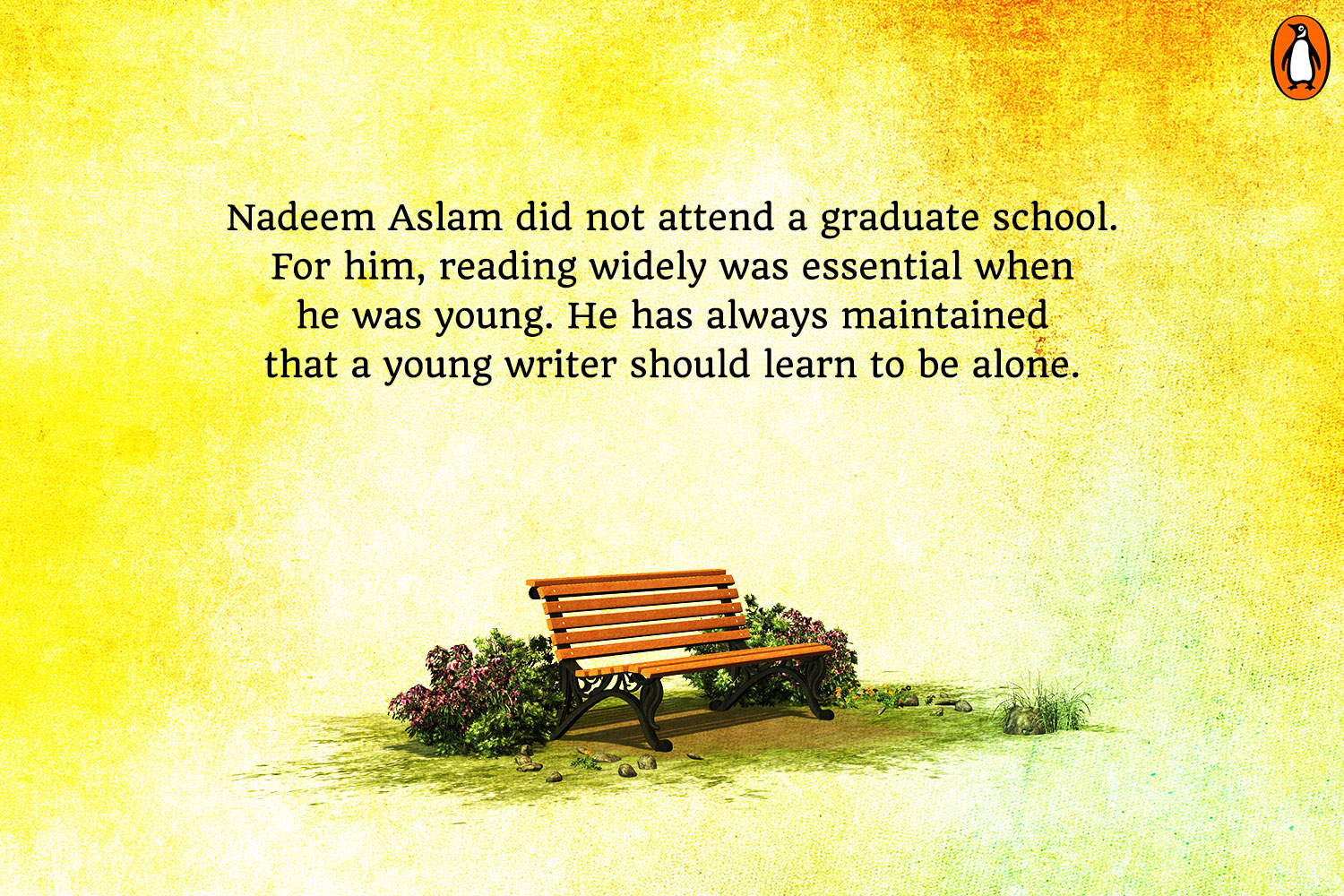
Educating himself and developing as a writer.

In the company of solitude.
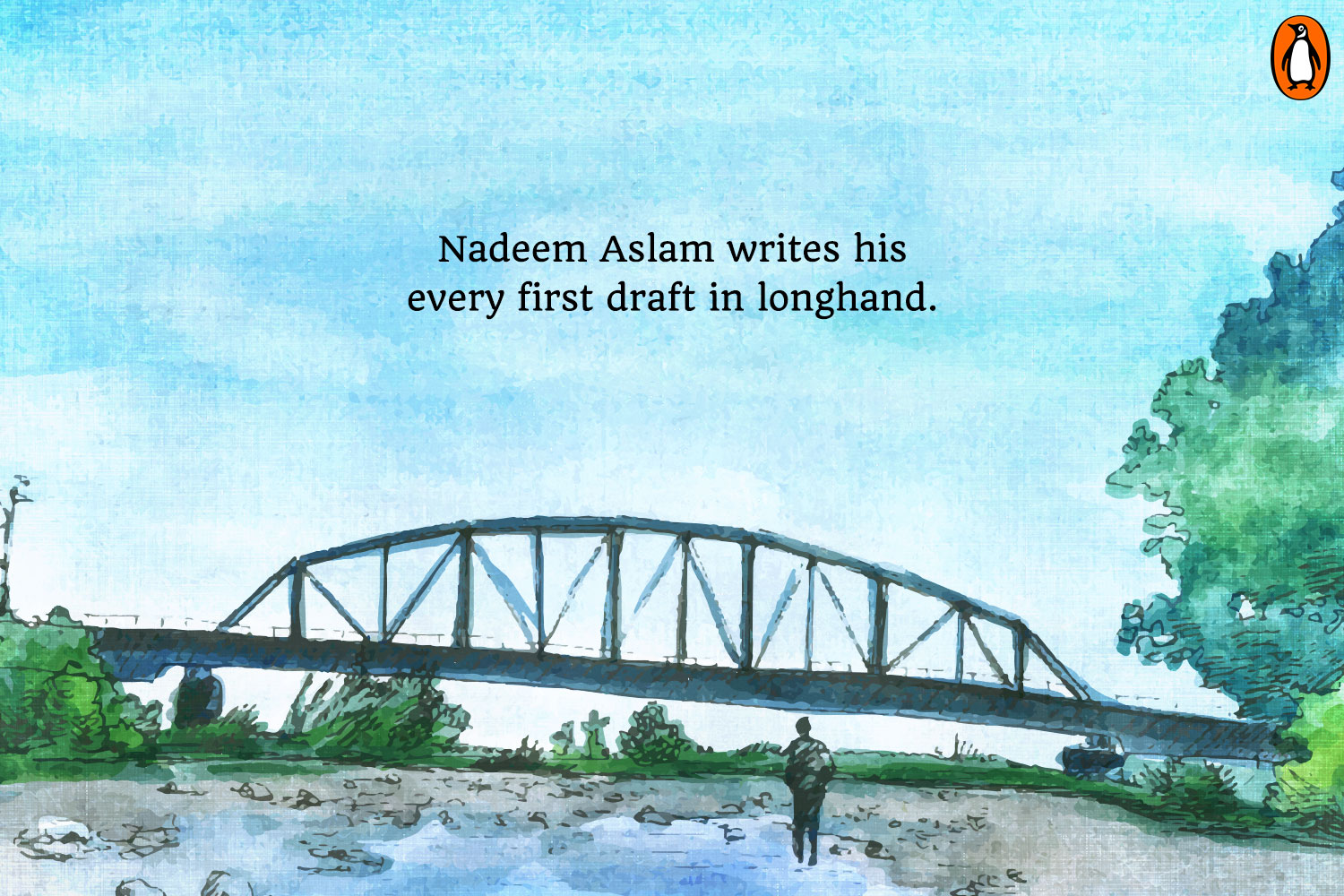
Words flowing from his mind into his hand, then down the pen, and onto the page – blood becoming ink!
Breaking out!
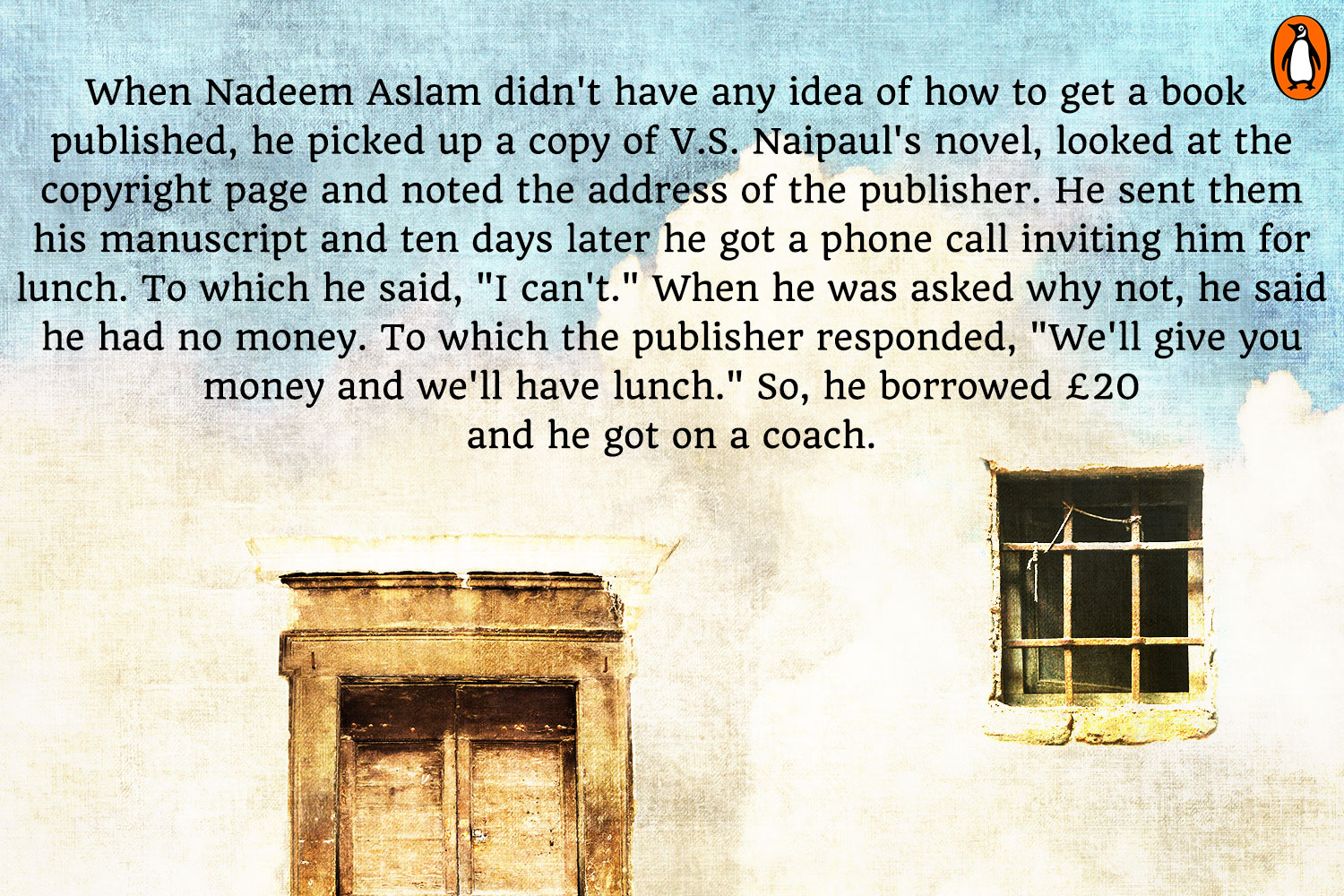
Suffering with pleasure.
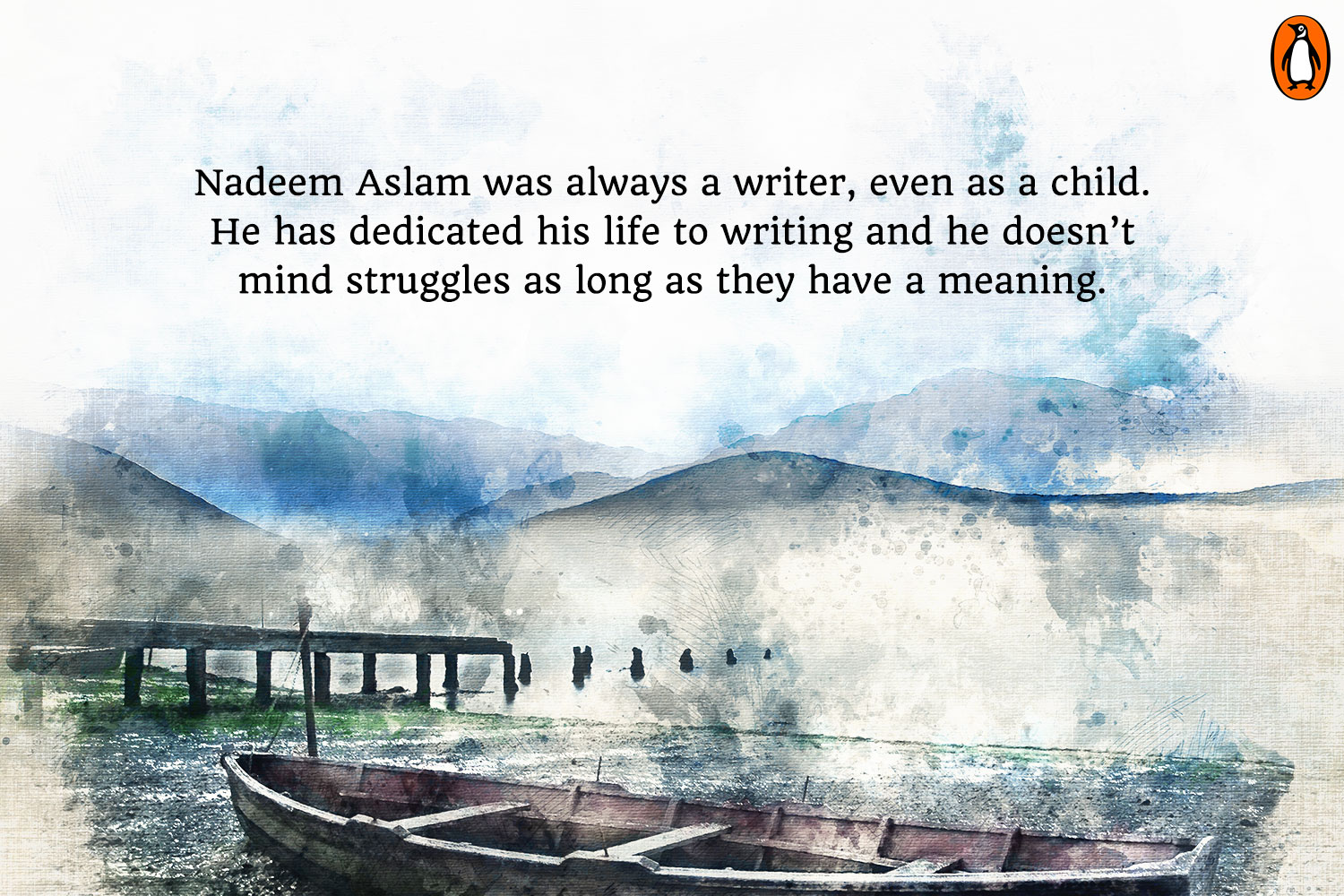
A writer builds his own world!
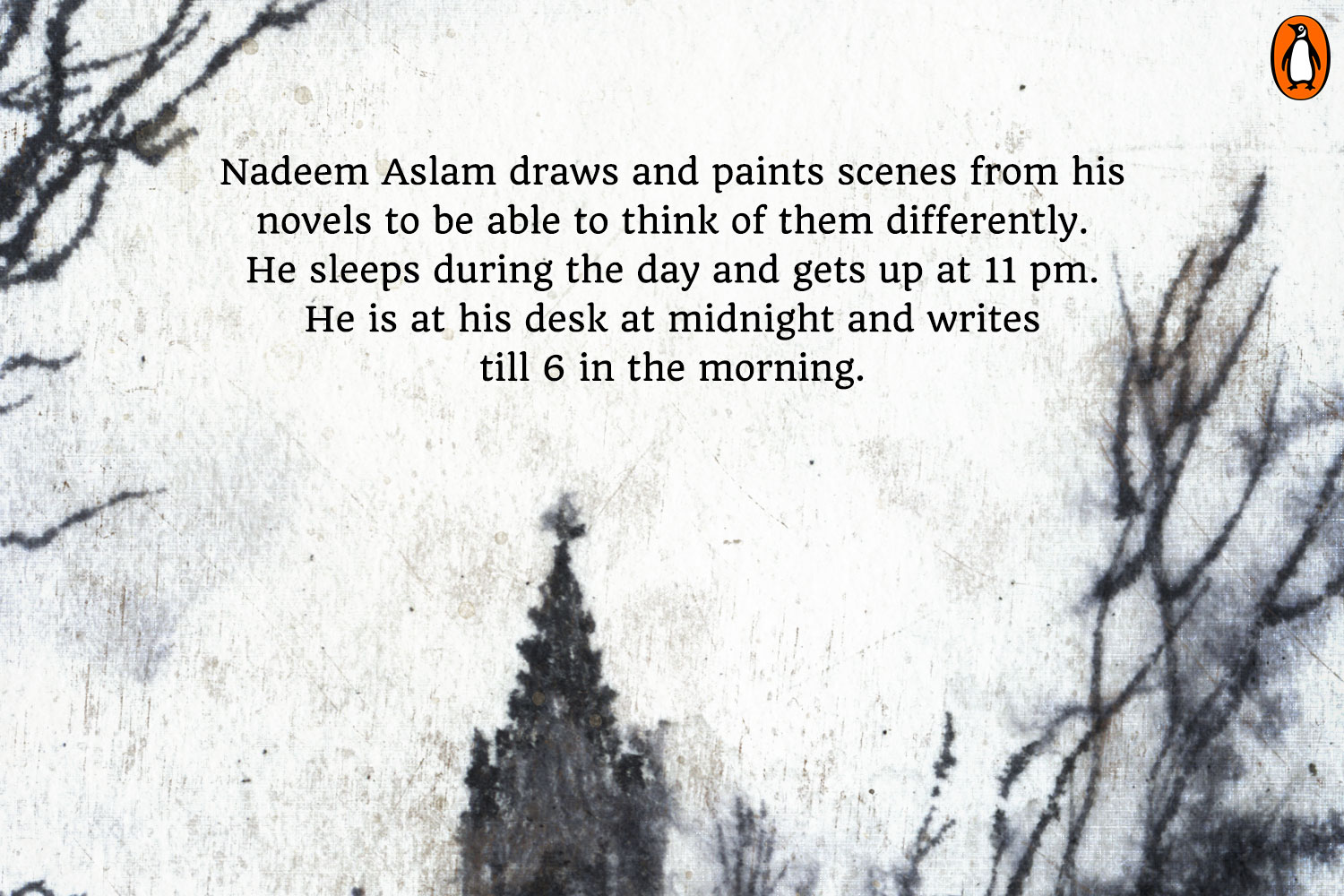
Excellence is a consequence of hard work and preparation, isn’t it?

*
