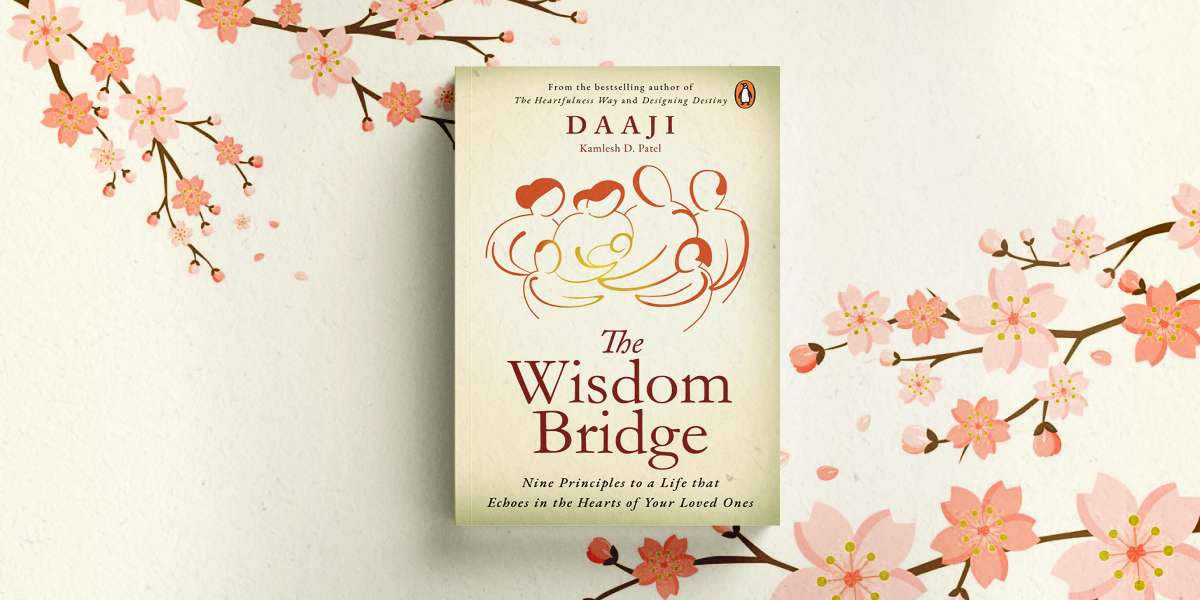
When it comes to wisdom, and no it’s not the stuff learned from books for exams, we’ve learned the best things from stories. Taking on that mantle of the storyteller with a wise lesson to pass on, Kamlesh ‘Daaji’ Patel’s The Wisdom Bridge is replete with such educational fables. Guiding parents and other family members to more holistic childcare, the book uses the Nine Principles learned by Daaji from his own experiences. Available at bookstores and Amazon, the following excerpt address the epigenetic effects of stress through the story of the caveman and the tiger. So, scroll down to understand how you can cope with stress.
The Wisdom Bridge||Kamlesh Daaji Patel
*
The villain in maternal epigenetics is stress. It’s a leading factor affecting pregnant women’s health. The form of stress that causes the biggest problems is chronic stress, which is the body’s response to emotional pressure suffered for a prolonged period.
In today’s world, the sabretooth tigers are all around us. Stress at work, stress at school, the stress of finances, the stress of relationships, and stress because of stress itself. We are always on the lookout for the sabretooth tiger lurking somewhere.
Imagine your caveman ancestor strolling in the jungle and a sabretooth tiger attacks. There are three options: fight, flight, or freeze. If you freeze, well, that’s the end of the story. If you fight the tiger or outrun the tiger, there are chances of survival. It’s a high-stress encounter where the body creates stress hormones such as adrenalin and cortisol. Blood is redirected from the digestive tract and other vital organs and moved toward the muscles and limbs to give the energy needed for fight or flight. If your caveman ancestor was lucky and survived the attack, then the stress levels in his body would have come down, and the body resumes its regular business. This, in short, is how the stress response mechanism evolved.
In today’s world, sabretooth tigers are all around: stress at work, stress at school, the stress of finances, the stress of relationships, and stress because of stress itself. We are constantly stressed about the lurking sabretooth tiger. This type of stress where one is always on guard is called chronic stress. Chronic stress is known to cause issues related to high blood pressure, suppression of immunity, damage to muscle tissue, and poor mental health.
Research shows the epigenetic effects created by a combination of finance, relationships, lack of community, and racism induce chronic stress in pregnant mothers, resulting in premature deliveries.Cortisol, a stress hormone, crosses the placenta barrier and passes on to the fetus affecting its development. The effects of chronic stress on the fetus also include lower weight at birth and longer-term effects, including personality disorders, cardiovascular issues, and diabetes.
Building immunity against stress is crucial because stress, first and foremost, affects the mother. Proper nutrition, a healthy lifestyle, and good social support help manage stress. While we know the harmful effects of chronic stress, avoiding stress altogether is not possible. We all have some level of stress in life. Studies show that moderate stress does not cause any damage to the fetus. What we need to avoid is chronic stress and burnout.
In medicine, burnout is defined as ‘a state of emotional, mental, and often physical exhaustion brought on by prolonged or repeated stress. Though it’s most often caused by problems at work, it can also appear in other areas of life, such as parenting, caretaking, or romantic relationships.’
In a research study on burnout, it was found that in a short period of time Heartfulness meditation lowered stress in a statistically significant way. Not only did the stress levels reduce, but the length of the telomeres increased, especially in the younger population. Telomeres are cap-shaped sections of DNA found at the end of chromosomes. The length of telomeres indicates wellbeing. So longer telomeres are a good sign.
*
Get your copy to read more on how to cope with stress and live a life that inspires your younger ones.
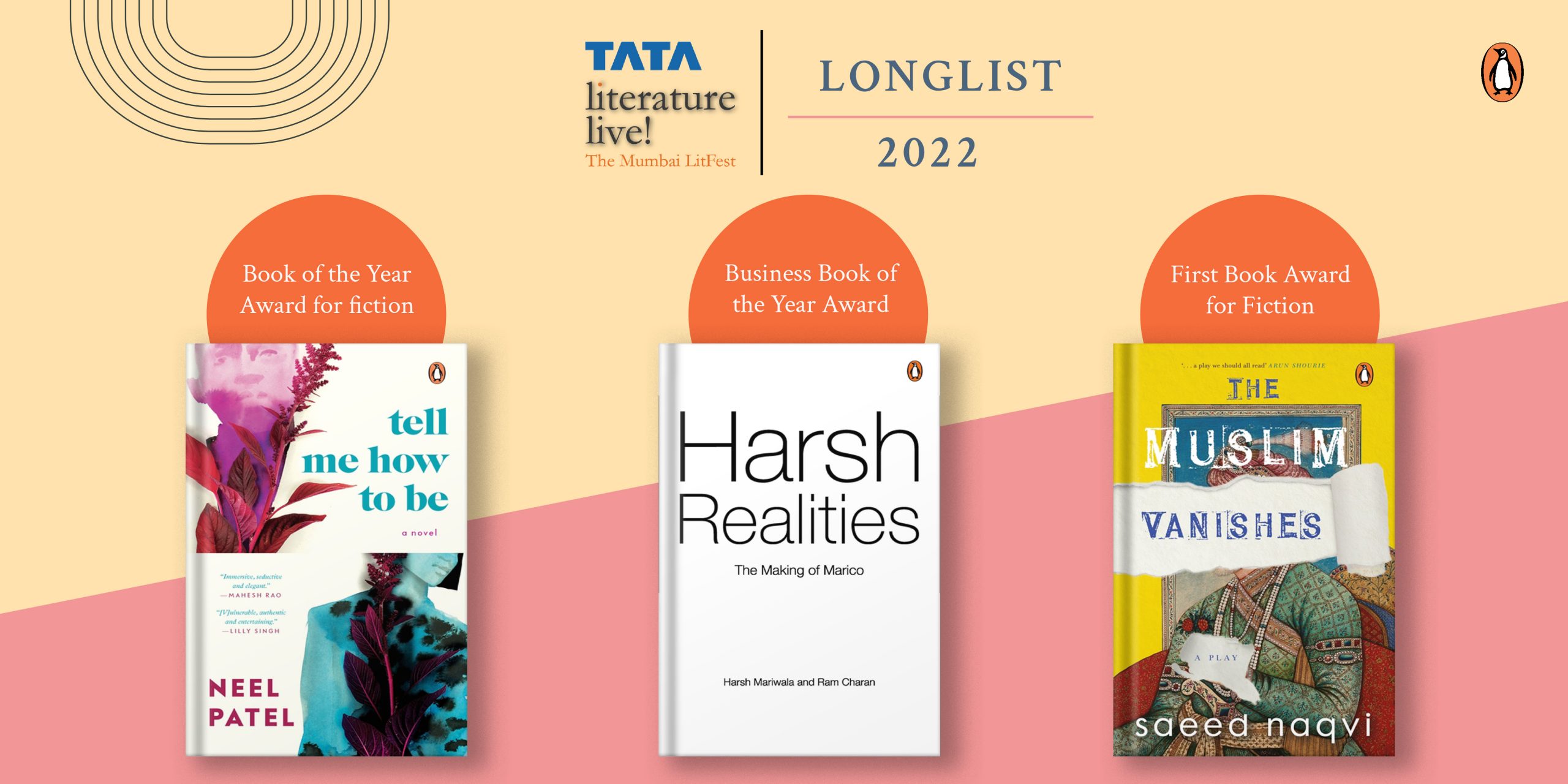
We take sheer pride every time our books get recognition for their brilliance. The following books made it to the longlist of Mumbai’s largest international literary festival, Tata Literature Live!, and we couldn’t be happier to share them with you.
Wondering what’s special about them?
Find out for yourself!
Tata Literature Live! 2022
Book of the Year Award for Fiction
recognising noteworthy work in the Indian literary space in the fiction genre
Tell Me How to Be || Neel Patel
Renu Amin always seemed perfect: doting husband, beautiful house, healthy sons. But as the one-year anniversary of her husband’s death approaches, Renu is binge-watching soap operas and simmering with old resentments. She can’t stop wondering if, thirty-five years ago, she chose the wrong life. In Los Angeles, her son, Akash, has everything he ever wanted, but as he tries to kickstart his songwriting career and commit to his boyfriend, he is haunted by the painful memories he fled a decade ago. When his mother tells him she is selling the family home, Akash returns to Illinois, hoping to finally say goodbye and move on.
Together, Renu and Akash pack up the house, retreating further into the secrets that stand between them. Renu sends an innocent Facebook message to the man she almost married, sparking an emotional affair that calls into question everything she thought she knew about herself. Akash slips back into bad habits as he confronts his darkest secrets-including what really happened between him and the first boy who broke his heart.
Business Book of the Year Award
recognising the best business writing in the Indian literary space
Harsh Realities || Harsh Mariwala, Ram Charan
Breaking away from the shackles of family-run Bombay Oils Industries Ltd, Harsh Mariwala founded Marico in 1987. Today, the homegrown Marico is a leading international FMCG giant which recorded an annual turnover of over Rs 8000 crore last year. Their products, like Parachute, Nihar Naturals, Saffola, Set Wet, Livon and Mediker, are market leaders in their categories.
This is the story of grit, gumption and growth, and of the core values of trust, transparency and innovation which have brought the company to its current stature. Co-authored by leading management thinker and guru Ram Charan, Harsh Realities is a much-awaited business book by an innovative and clear-headed leader who built a highly professional, competitive business from the ground up.
First Book Award for Fiction
recognising new talent in the Indian literary space in the fiction genre
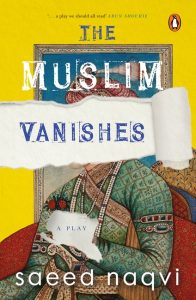
The Muslim Vanishes || Saeed Naqvi
The great poet Ghalib, part of a long tradition of eclectic liberalism, found Benaras so compelling that he wrote his longest poem on the holy city. If we take Ghalib and his myriads of followers out of the equation, will Hindustan be left with a gaping hole or become something quite new? The Muslim Vanishes, a play by Saeed Naqvi, attempts to answer that question.
A Muslim-free India, as a character speculates naively in the play, would be good for socialism, since what the 200 million Muslims leave behind would be equitably shared by the general population. Meanwhile, another character, a political leader, is traumatized by the sudden disappearance of the Muslim voter base and the prospect of a direct electoral confrontation with the numerically stronger Dalits and other backward classes.
In this razor-sharp, gentle and funny play, Saeed Naqvi draws on a mix of influences-from grandma’s bedtime stories to Aesop’s fables and Mullah Nasruddin’s satirical tales-to spring an inspired surprise on us, taking us on a journey into the realms of both history and fantasy.
The winners of the Tata Literature Live! 2022 Awards will be announced at the festival. Stay tuned!
With the festive season coming to an end, step into a more relaxed month of November. An exciting transition between autumnal breeze and winter freeze, this is the perfect time to stock up on sweaters and some comforting reads.
In fact, we have just the right collection of books to preoccupy your mittens with! So, wait no more and scroll through our November releases.
Leapfrog
Six Practices to Thrive at Work
Mukesh Sud, Priyank Narayan
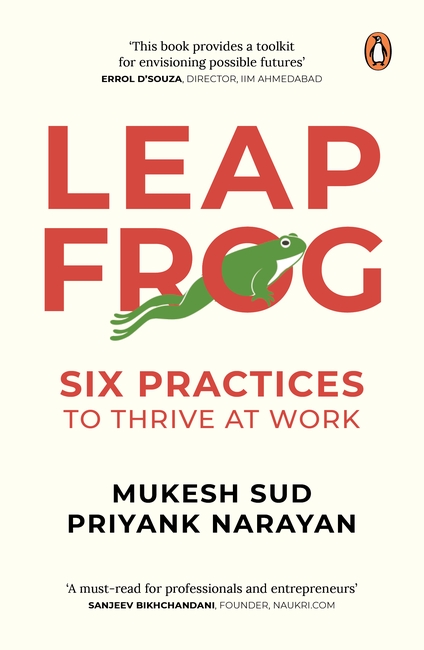
Leapfrog || Mukesh Sud, Priyank Narayan
Are maestros born or made?
By making ideas mate, can you create new ones?
How do you develop a mindset that helps you thrive?
Can you nudge yourself into being more productive at work?
Is it possible for you to debunk bullshit from the clutter all around?
Find the answers to these questions and several more in Leapfrog.
The Sacred Wordsmith
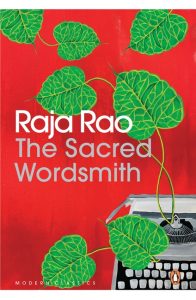
The Sacred Wordsmith || Raja Rao
The Sacred Wordsmith, a curated compilation of legendary Indian writer – Raja Rao’s astounding work, noted acceptance speeches and exclusive unpublished pieces is the perfect addition to your collection of classics. A venture into the Sahitya Akademi Award and Neustadt International Prize recipient’s remarkable trajectory as an author and academic.
The Last Heroes
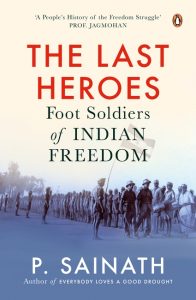
The Last Heroes || P.Sainath
There are numerous books on freedom fighters and the struggle for Independece, but very little account of the flag bearers of freedom post 1947. P Sainath’s ‘The Last Heroes’ narrates the story of the footsoldiers of Indian freedom and describes how independence and freedom are mutually exclusive. Revive the patriot in you and celebrate the contributions of the less- recognized.
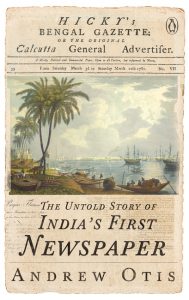
Hicky’s Bengal Gazette
Hicky’s Bengal Gazette || Andrew Otis
In this digital age, all sorts of information is available at a single tap. News, which was once a revelation to the common man, can now be accessed via apps and websites. Revisit your roots and immerse yourself in the historic trajectory of India’s First Newspaper with Hicky’s Bengal Gazette. A tumultuous research which has found a significant place in the history of subcontinental journalism, it is an account of James Augustus Hicky and his attempt at establishing a newspaper in 18th century- Calcutta. which subsequently posed a threat to the British Empire and their suspicious endeavours. Revel in this book and explore themes of censorship, struggle and imperialism.
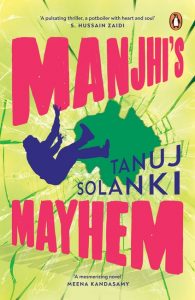
Manjhi’s Mayhem
Manjhi’s Mayhem || Tanuj Solanki
Three words: Thriller, Temerity and Tabaahi, perfectly sums up this explosive, yet gripping novel, Manjhi’s Mayhem. What starts off as a simple story of Santosh, the hostess of a restaurant across the street and her encounter with Sewaram Manjhi, a security guard of a pricey Bombay Cafe turns into a whirlwind of toxicity, deceit and a bloody affair. Apart from the gore, Manjhi’s discovery of destiny and fortune in the City of Dreams, Bombay, is an important lesson for all.
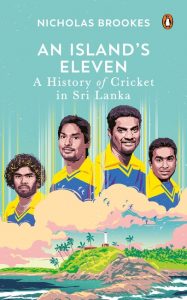
An Island’s Eleven
An Island’s Eleven || Nicholas Brookes
India’s most revered sport, cricket, has found a special place in everyone’s heart. It being the game that is most judiciously watched and cheered for – the hype is prevalent all-year round. Rejuvenate the cricket fanatic in you and explore a new cultural paradigm by reading: An Island’s Eleven – which describes the triumphs and tragedies of the Gentleman’s game from Srilanka’s perspective. A country known for its stellar players, strategic tactics and emerging victorious time and again, the success story goes way back in time. After all, Cricket is Sri Lanka, and Sri Lanka is cricket.
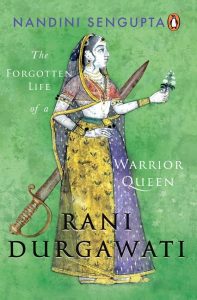
Rani Durgawati
Rani Durgawati || Nandini Sengupta
India is incomplete without the feisty, powerful females that shaped its glory as a nation today. One such forgotten, yet formidable is Rani Durgawati, a model monarch of the Garha Mandla who displayed tenacity, righteousness and profound courage to look after the welfare of her people. Nandini Sengupta’s intricate exploration of Rani’s legacy is compiled in a beautifully articulated biography which can easily occupy a prominent space in every Indian history fanatic’s heart!
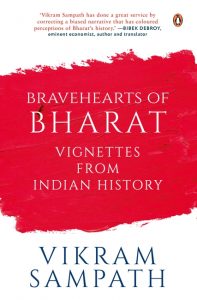
Bravehearts of Bharat
Bravehearts of Bharat || Vikram Sampath
Some stories don’t make it to most of our history books growing up but are integral lessons in struggle, patriotism and sacrifice. India – a land known for its tumultuous freedom struggle, has several unsung heroes whose contributions were remarkable, yet unacknowledged. The Bravehearts of Bharat, sheds light on the fifteen neglected heroes and heroines of our past and narrates their stories of valour and determination.
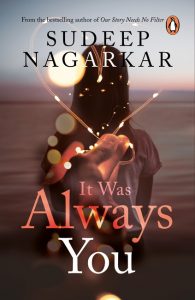
It Was Always You
It Was Always You || Sudeep Nagarkar
Love in itself is a complex emotion and difficult feeling to process. Lost Love is another layer of emotional angst and conflict. What happens when Lost Love resurfaces in a happy marriage? How do the rules of monogamy change? How does one navigate these conflicting emotions? Immerse yourself in #ItWasAlwaysYou by Sudeep Nagarkar, a story about a happily married couple, Karan and Shruti and the pyramid of ethical dilemmas that they have to deal with.
Finding Your Balance
Finding Your Balance || Dr. Nozer Sheriar & Shonali Sabherwal
Women, menopause is not the end, period. A time of confusion and ambiguity regarding old age, menopause has several negative connotations and myths associated with it. This can take a toll on your physical, mental and emotional state of being. Gynaecologist Dr Nozer Sheriar and macrobiotic nutritionist Shonali Sabherwal debunk all misconceptions with regards to peri-menopause with their bite-sized, professional and informative book: Finding Your Balance. So, grab a copy and put a PAUSE to your worries about the years ahead of you!
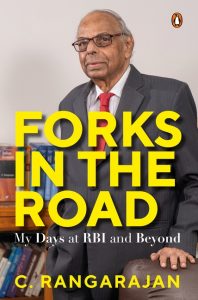
Forks in The Road
Forks In The Road || C. Rangarajan
The architect of India’s economy, C. Rangarajan describes his life as a matter of circumstance. A prolific economist and policymaker, Forks in The Road is a memoir of Rangarajan’s days at RBI and beyond. From tracking India’s financial journey between 1982 and 2014, to his innovative reforms in the domain of banking – he highlights the nitty-gritties of the sub-continent’s economic growth weighing external political, social factors in mind. Exclusive insights from the former Governor of RBI himself, it is truly unputdownable.
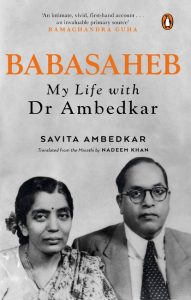
My Life with Dr. Ambedkar
Babasaheb || Savita Ambedkar
We know Ambedkar as a prolific social reformer and the Father of the Indian Constitution. Savita Ambedkar, his wife, provides an intimate lens and never-before-documented portrait of Babasahed. His life beyond political and social reform, a personal insight into his likes, dislikes and disposition. Translated by Nadeem Khan, My Life with Dr. Ambedkar is a brilliant corroborated account of the astounding scholar’s personal life and should be your next read!
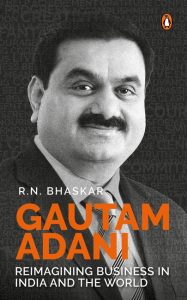
Gautam Adani
Gautam Adani || R.N. Bhaskar
A business tycoon who needs no introduction, Gautam Adani has emerged as one of the most powerful people, globally. R.N Bhaskar’s biography of Adani’s journey from childhood to establishing a powerful business empire is interspersed with fascinating anecdotes, tactful business strategies and how he became the strongest contender in ports and renewable energy. Truly an inspiring, detailed and meticulous compilation of his success. Onwards and upwards!
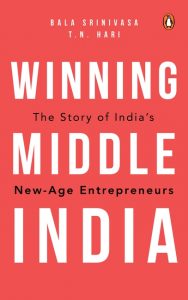
Winning Middle India: The Story of India’s New-Age Entrepreneurs:
Winning Middle India || Bala Srinivasa & T.N. Hari
Awaiting the latest season of Shark Tank? Tired of boring classroom lectures, and need something to stimulate your entrepreneurial mindset? Winning Middle India by T.N. Hari and Bala Srinivasa introduce the digital age innovators who have taken the world by storm! These young, adaptive entrepreneurs are determined to reshape India’s destiny through rapid digitization. This book is truly at your tech and call, in case you want to fuel your passion and get insta-inspired!
Zikr: In the Light & Shade of Time
Zikr: In The Light and Shade of Time || Muzaffar Ali
The Jack of All Trades, Muzaffar Ali, has ventured into multiple domains over the years. Whether it’s cinema, philosophy or advertising – he has done it all! Zikr is an autobiographical peak into the mastermind’s multiple artistic endeavours and how he has been able to carve a niche for himself in so many industries. From working with icons such as; Satyajit Ray and Faiz Ahmad Faiz, Ali carries his erstwhile Awadhi cultureough it all!
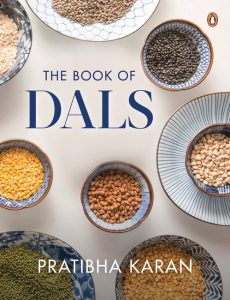
The Book of Dals:
The Book of Dals || Pratibha Karan
Dals are not only an integral part of every Indian household but also responsible for a sumptuous, happy tummy. From Sambars to Varan Bhat, Dals, too are diverse like its native country, India. The Book of Dal by Prabhita Karan explores the permutation and combinations of lentils, spices and vegetables, meat etc. that make Dal unique, regionally. PS: there’s a section of lip-smacking recipes that will make you want to run to your Tawa and start cooking!
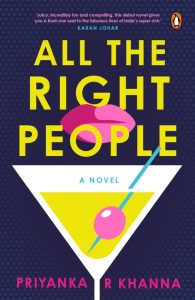
All The Right People
All The Right People || Priyanka R Khanna
If Koffee with Karan was your supplier of B-Town chatpata gossip, All The Right People by Priyanka Khanna is just the juicy, eccentric pick for you! It revolves around three college besties, Tara, Shaan and Aria who went through the ebbs and flows of both school and university. These sworn best-friends eventually get caught-up in a whirlwind of problems that could potentially put their friendship on a standstill. A book that navigates friendship, cohesion and decision-making amongst the most creme-de-la-creme tier of society, explores unexpected themes of control and individual agency as well.
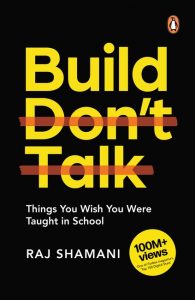
Build, Don’t Talk
Build, Don’t Talk || Raj Shamani
Life has several lessons that cannot be shoved into rigid curriculum, like school. But what if there was a book that taught you all that school DID NOT? Build, Don’t Talk is a one-stop guide for young adults to navigate through crucial yet overlooked topics such as; mental health, personal financing and building relationships. Written by Raj Shamani, the book provides invaluable insights that one could not find in the conventional classroom setting.
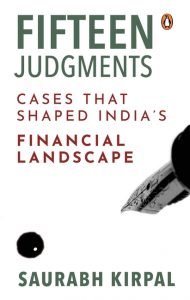
Fifteen Judgments
Fifteen Judgments || Saurabh Kirpal
What happens when law meets finance? A splendid work of art, Fifteen Judgments! Saurabh Kirpal, an esteemed practitioner of law at the Supreme Court has covered a range of matters from commercial to constitutional law. His latest, Fifteen Judgement is an account of the cases that have shaped India’s financial landscape weighing jurisprudential philosophies and macroeconomic dimensions in mind.
Winter is coming. It’s almost here. There’s a nip in the air and we know you might be fleshing out hoodies and sweaters for your younger ones. To keep them warmer, we present to you their new cuddle buddies, our November releases! Our November releases are some of our greatest because we’ve saved some of the best for some of the last ones of the year. So, here are our November releases for children’s literature, enjoyed best with hot chocolate!
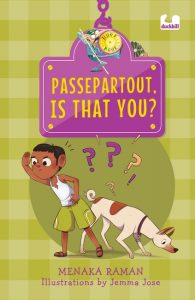
Passepartout, Is that You? || Menaka Raman
Passepartout, Is that You? (Hook Book)
Menaka Raman
Illustrated by Jenna Jose
Thatha has asked Shyam to keep an eye on Passepartout, a rescued tortoise. But now Passepartout has disappeared. Where can Shyam and Kannamma find him?
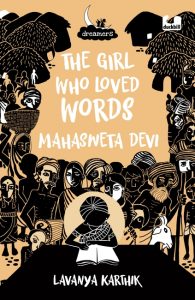
The Girl Who Loved Words: Mahashweta Devi || Lavanya Karthik
The Girl Who Loved Words: Mahashweta Devi (Dreamers Series)
Lavanya Karthik
Before Mahasweta Devi became a writer and human rights activist, she was a girl with a love for words.
*
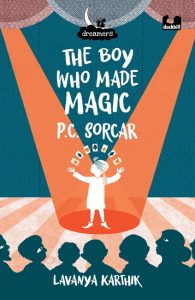
The Boy Who Made Magic: P C Sorcar || Lavanya Karthik
The Boy Who Made Magic: P C Sorcar (Dreamers Series)
Lavanya Karthik
Before the world knew of PC Sorcar as Jadusamrat-Emperor of Magic, he was a boy enchanted by a dream.
*
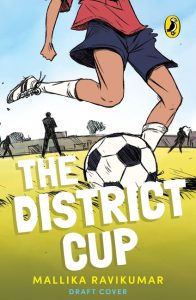
The District Cup || Mallika Ravikumar
The District Cup
Mallika Ravikumar
Though talented, technically-sound and quick on their feet, the Mulsari Eagles is a football team that is bogged down by tremendous challenges. There’s the mid-fielder Prithvi who wants to play professional football against his middle-class father’s aspirations; the winger Kadambini who is fighting negative attitudes and stereotypes to find respect on the field; the centre-back Mangya who performs on the streets for a living… The struggles are endless.
Their coach Siraj wants the kids to have a fighting chance. But can he clash against the unbridled wave of corruption in Indian football, especially age fraud, for them to lift the District Cup? Can the Mulsari Eagles herald a new era in the once-glorious sport? Can they strike their way through to their goal?
In time for FIFA 2022, The District Cup is the perfect novel for all budding and veteran sportspeople!
*
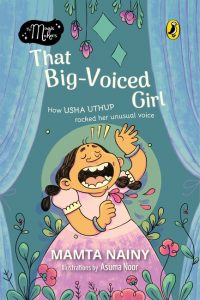
That Big-Voiced Girl || Mamta Nainy
That Big-Voiced Girl
Mamta Nainy
A unique biography that explores and celebrates the life of a popstar as a feisty little girl
Right from her childhood, Usha Uthup knew that music was her true calling.
She picked up songs from the radio and sang with her big, booming voice.
But when rejected during the audition for her school choir, Usha wondered if her big voice was any good. All she wanted was to sing. Does she find a way?
*
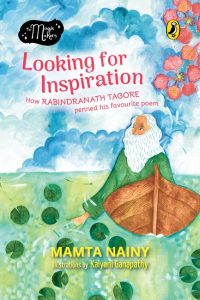
Looking for Inspiration || Mamta Nainy
Looking for Inspiration
Mamta Nainy
A unique biography that explores and celebrates the life of a poet as a curious boy.
Right from his childhood, Rabindranath Tagore, also known as Robi, was attracted to nature. He found his poetic inspiration amidst the glassy waters of the pond, the leafy trees in his garden and the endless blue sky. But when Inspiration went missing one fine morning, Robi searched and searched all around the house. How would he write his poems again?
*
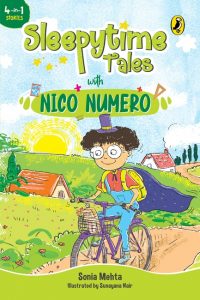
Sleepytime Tales with Nico Numero || Sonia Mehta
Sleepytime Tales with Nico Numero
Sonia Mehta
Bedtime stories with oodles of fun
So, head to your nearest bookstore or buy these wonderful books online and get those perfect winter companions for your little ones this November!
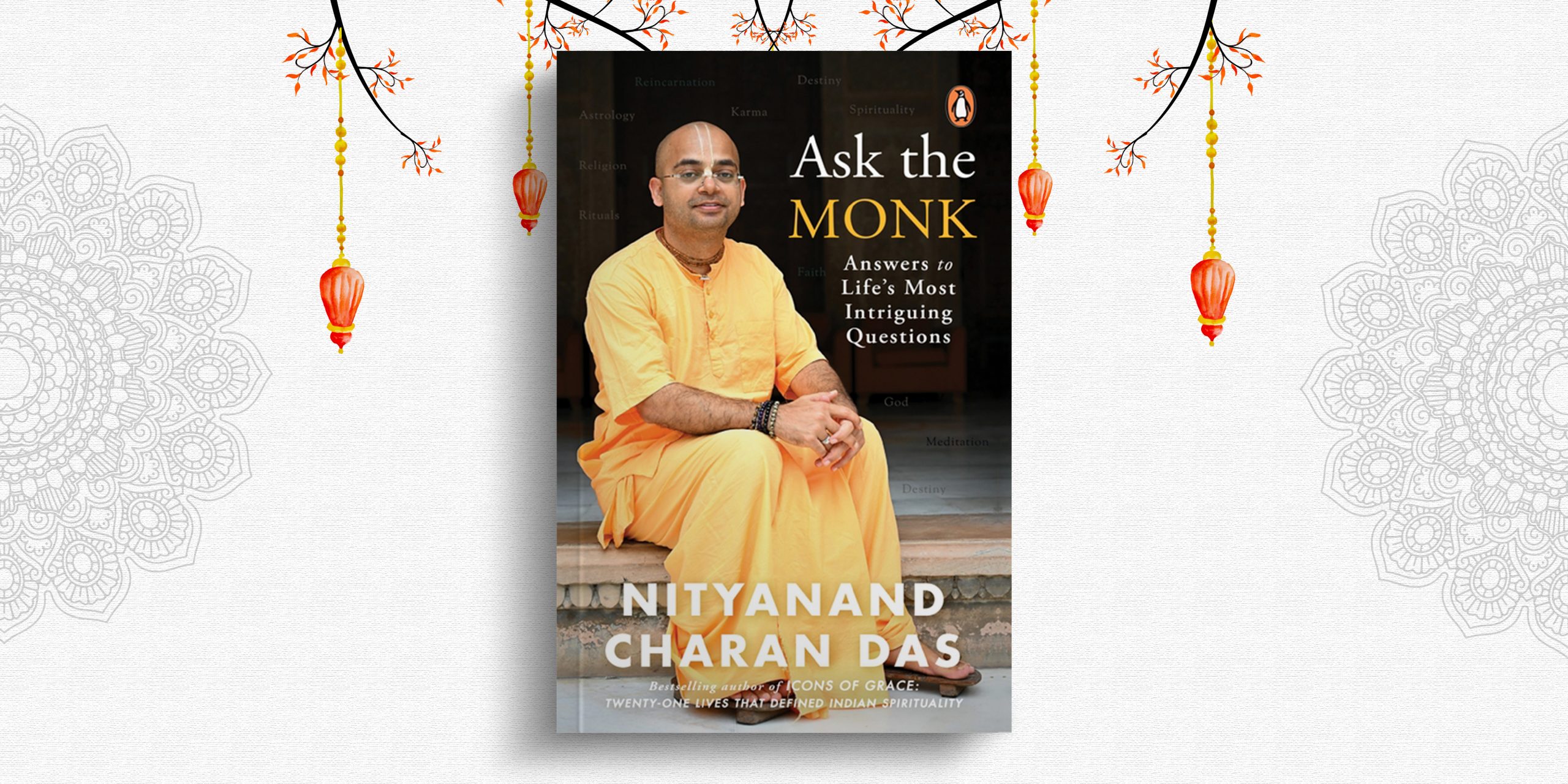
In Ask the Monk, celebrated monk Nityanand Charan Das lucidly answers over seventy frequently asked questions—by young and old alike—on topics such as karma, religion versus spirituality, mind, God, destiny, the purpose of life, suffering, rituals, religion, wars and so on.
Have questions? Intrigued to know more?
Read this excerpt from Ask the Monk and find out the answer to a very critical question—doesn’t spirituality demand blind faith?
*
Ask the Monk || Nityanand Charan Das
No. Spirituality does not ask for blind faith, but ‘reasonable faith.’
Reasonable faith means, ‘I hear something. So let me try it. If it does not work, I can always give it up’.
Blind faith means, I hear something and straightway reject it without verifying.
Blind acceptance is bad, but blind rejection is equally bad. In fact, it is worse because we might miss out on a rare diamond, considering it to be a broken piece of glass.
And this reasonable faith is not something new. If we carefully examine, we will find that we have been applying it in every aspect of life. In fact, our life starts with reasonable faith. When we are born, we do not know who our father is. We hear from our mother and we trust her. Now if we talk about blind faith, then isn’t this also blind faith because we were not there earlier? Not at all. This is called reasonable faith. Now if we want, we can do DNA testing to verify it.
When we get into a cab, we never check whether the driver has a license and knows how to drive. We have faith that he will take us to our destination.
We go to hotels and restaurants after hearing the food at a particular place is good. We go and try and then conclude based on our findings. We believe that the food is not infected, although chances are that it could be. But we have faith.
So the point is that we cannot move even an inch forward without this faith, else we will live in constant fear and go insane.
The best way to move forward is to have a certain degree of faith in everything despite it all. It’s reasonable, since we cannot keep checking everything.
The same logic applies to spiritual life as well. We can hear from the right authority and move forward thinking, ‘If someone is teaching something, let me try and apply it in my life and test the authenticity.’
Sometimes some people reject the spiritual truths as bogus or illogical, saying they are students of science. However, they are not scientific at all because science also says that before we accept or reject a theory, it must go through six steps; aim, apparatus, theory, observation, calculation and conclusion. Only when we have tested do we have the right to decide whether it’s real or not.
Thus, just like we apply reasonable faith to everything in life without immediately rejecting it, spiritual life must not be an exception. We can apply the principles mentioned in the scriptures and see if they work. If they do not, give them up. But giving up without trying is totally unscientific and illogical.
The proof of pudding is in eating.
When we experiment based on what we hear, we get realizations and those realizations increase our faith. Spiritual life requires the same logic of faith that we apply everywhere else in our life.
**
Get your copy of Ask the Monk from your nearest bookstore or via Amazon.
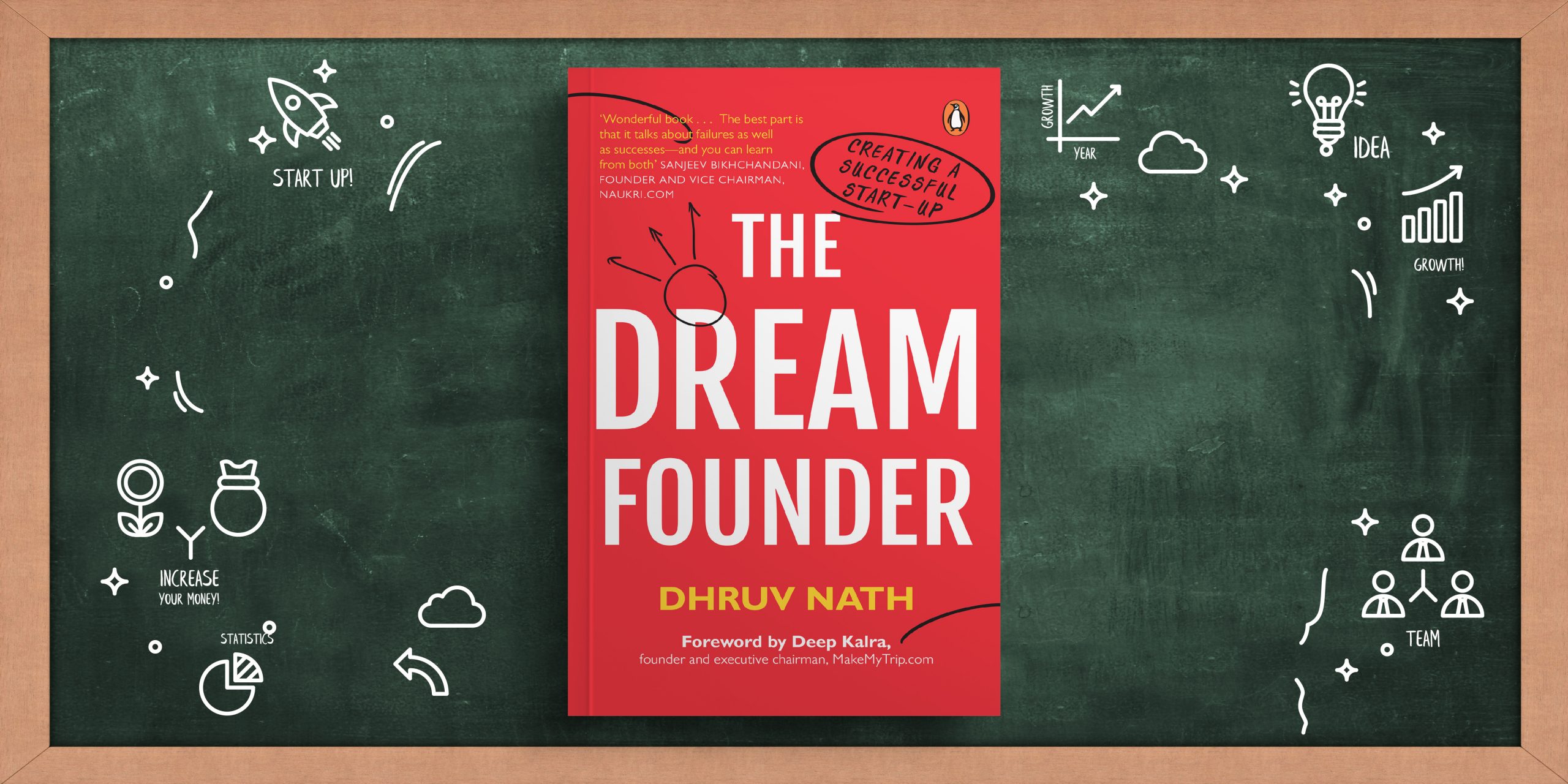
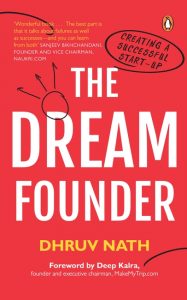
In a world of several success stories, many starry-eyed, entrepreneur aspirationals buy books and watch numerous videos on what formula will make their own start-up stick. It takes a real expert like author Dhruv Nath, to know that the real lessons come from a comparative study of what worked and what didn’t. Compiling the journeys of the ideas that saw the light and went beyond, as well as those which ended before they even began, The Dream Founder is a must-read on what happens after the lightbulb switches on.
You can get your copy now from the nearest bookstore or visit Amazon to order.
*
One More Book on Start-Ups? Why?
Good question. There are several books on start-ups out there. Just get on to Amazon or Flipkart and you’ll see lots of them. So, why did I write one more?
Well, for a start, most of the books in the market talk about American start-ups—the Facebooks, the WhatsApps, the Ubers and the Airbnbs of the world. But hang on—aren’t you planning to create a start-up in India? In which case, you would want to learn from Indian start-ups, wouldn’t you? Sure, you can learn from Airbnb and Uber and all the rest of them—and you should. But isn’t it far more important to learn from companies in the Indian context? All of us are aware that the Indian environment is very different from what exists in the western world. Most western countries, such as the US, are developed. We are a developing country, which clearly means that both the opportunities and constraints will be different. Small-town and rural India—often called Bharat—offers a huge, untapped market, with no parallels in the west. Language is a major issue, with the future perhaps belonging to start-ups that cater to vernacular languages. I can go on and on, but I’m sure you get the idea. While you should learn from start-ups in the US, it’s much more critical to learn from start-ups in India. And that’s why this book is all about Indian start-ups. One of the few in this category.
Next, even if you were to look at the Indian books out there, all of them talk about huge success stories, such as Byju’s, Flipkart, Paytm and Ola Cabs. Whose founders are spoken about in hushed whispers, even at paan shops. And, of course, in bars, with alcohol warming the insides. I’m sure you would want to learn from these phenomenally successful guys. But let me ask you a frank question. Can you really identify with such start-ups? These aren’t start-ups any more. They are giants—in many cases, multinational giants. Who do you really identify with? The smaller guys, isn’t it? Those fledgeling start-ups which are just a few years old and are perhaps facing the same problems that you are. Wouldn’t you also want to listen to the founders of these young start-ups? Of course you would!
So, which ones do we discuss in this book?
Aha, that’s the best part. We discuss both. On the one hand, the book has stories about young start-ups which you can identify with. But it also has advice from the real giants in the business—the likes of Sanjeev Bikhchandani of Naukri.com, Deepinder Goyal of Zomato, Dr Annurag Batra of BW Businessworld and Meena Ganesh of Portea Medical. And then, we also have a highly successful investor—Sushanto Mitra of Lead Angels. They have all been happy to share their gyan, which I’ve promptly included in this book. So, you are in the happy position of learning from both the big guns and the smaller guys. And that makes this book truly unique.
But it gets even more unique, so do read on. You see, you can get lots of write-ups about start-ups that succeeded. Stories about their founders are plastered all over the Internet, the TV, the papers and, in fact, on virtually all kinds of media except possibly posters on public toilets (thank god!). But what about those that failed? Shouldn’t you be learning from them as well? To take an analogy from the film industry, if you want to be an actor, it is good to learn from Amitabh Bachchan. But isn’t it even more important to learn from those who came from their villages to try their luck and are still pottering around as extras in Bollywood? Or worse, those who got fed up and went back to their villages?
Agreed? So, how often have you read about failures? How often have you heard founders bragging, ‘You know, I’m really proud of the fact that my start-up was a failure, and I’d be delighted to have this come out in print’? Never happens, does it? Obviously, no one talks about failures. These things are never written about, which means you don’t learn from them.
And that, ladies and gentlemen, is where this book gets really exciting. As I mentioned earlier, I have spent several years with young founders, investing in their start-ups as well as mentoring many of them. There have been some really successful founders, but there has also been a fair share of failures. And I decided, in all my wisdom, to write about both the successful guys as well as the failures. Founders who were simply not able to build and grow their start-ups. And whose stories have remained under wraps and, therefore, unavailable to mankind. Of course, in some cases, liberal doses of alcohol—duly funded by me—had to be supplied to get these founders to open up.
And that, ladies and gentlemen, is what makes this book really, really unique!
Will you gift the mundane box of soan papdi or dry fruits again this festive season? These sugar treats will expire in a few days or will probably be passed on to another relative or friend.
How about giving a gift that lasts for a lifetime? A gift that could light up your loved one’s world and will never leave them alone?
Yes, books! Books are the sweetest sugar alternatives and will stay with your friends and family…even after the last page. Hence, we have a book for all–be it the Gen Z cousin or the teen-patti-obsessed chachu, your fashionista neighbour or that sweet-tooth bua–there’s a book for everyone!
This festive season, #GiftForLife #GiftAPenguin!
The coolest gifts for every Gen Z in your life
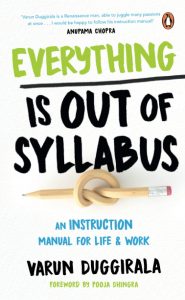
Everything Is Out of Syllabus
Varun Duggirala
Everything Is Out of Syllabus || Varun Duggirala
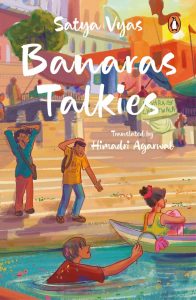
Banaras Talkies
Satya Vyas
Banaras Talkies || Satya Vyas
Beauty Unbottled
Kavita Khosa
Beauty Unbottled || Kavita Khosa
Yuktahaar
Munmun Ganeriwal
Yuktahaar || Munmun Ganeriwal
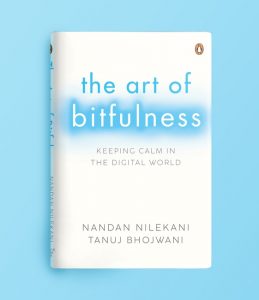
The Art of Bitfulness
Nandan Nilekani & Tanuj Bhojwani
The Art of Bitfulness || Nandan Nilekani Tanuj Bhojwani
Do you have a cousin for whom fantasy >>>> reality?
Samsara
Saksham Garg
Samsara || Saksham Garg
Where The Cobbled Paths Lead
Avinuo Kire
Where the Cobbled Path Leads || Avinuo Kire
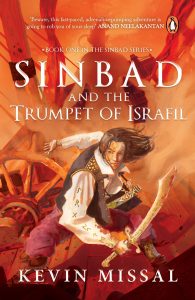
Sinbad and the Trumpet of Israfil
Kevin Missal
Sinbad and the Trumpet of Israfil || Kevin Missal
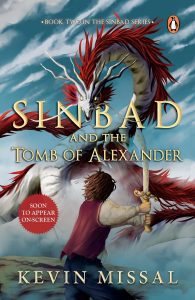
Sinbad and the Tomb of Alexander
Kevin Missal
Sinbad and the Tomb of Alexander || Kevin Missal
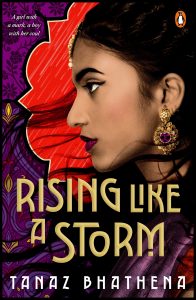
Rising Like a Storm
Tanaz Bhathena
Rising Like A Storm || Tanaz Bhathena
For the health-conscious buddy
On The Pickle Trail
Monish Gujral
On The Pickle Trail || Monish Gujral
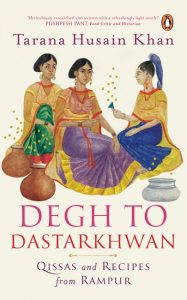
Degh To Dastarkhwan
Tarana Husain Khan
Degh To Dastarkhwan || Tarana Husain Khan
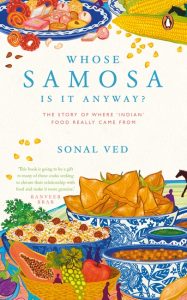
Whose Samosa Is It Anyway
Sonal Ved
Whose Samosa Is It Anyway || Sonal Ved
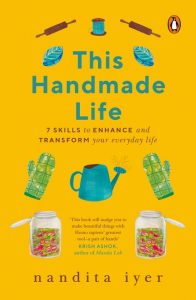
This Handmade Life
Nandita Iyer
This Handmade Life || Nandita Iyer
For the matchmaker in your circle
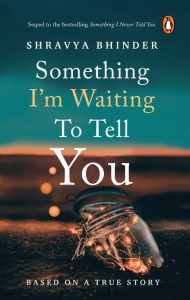
Something I’m Waiting To Tell You
Shravya Bhinder
Something I’m Waiting To Tell You || Shravya Bhinder
The book was first published in India in 2020 as Chats With The Dead
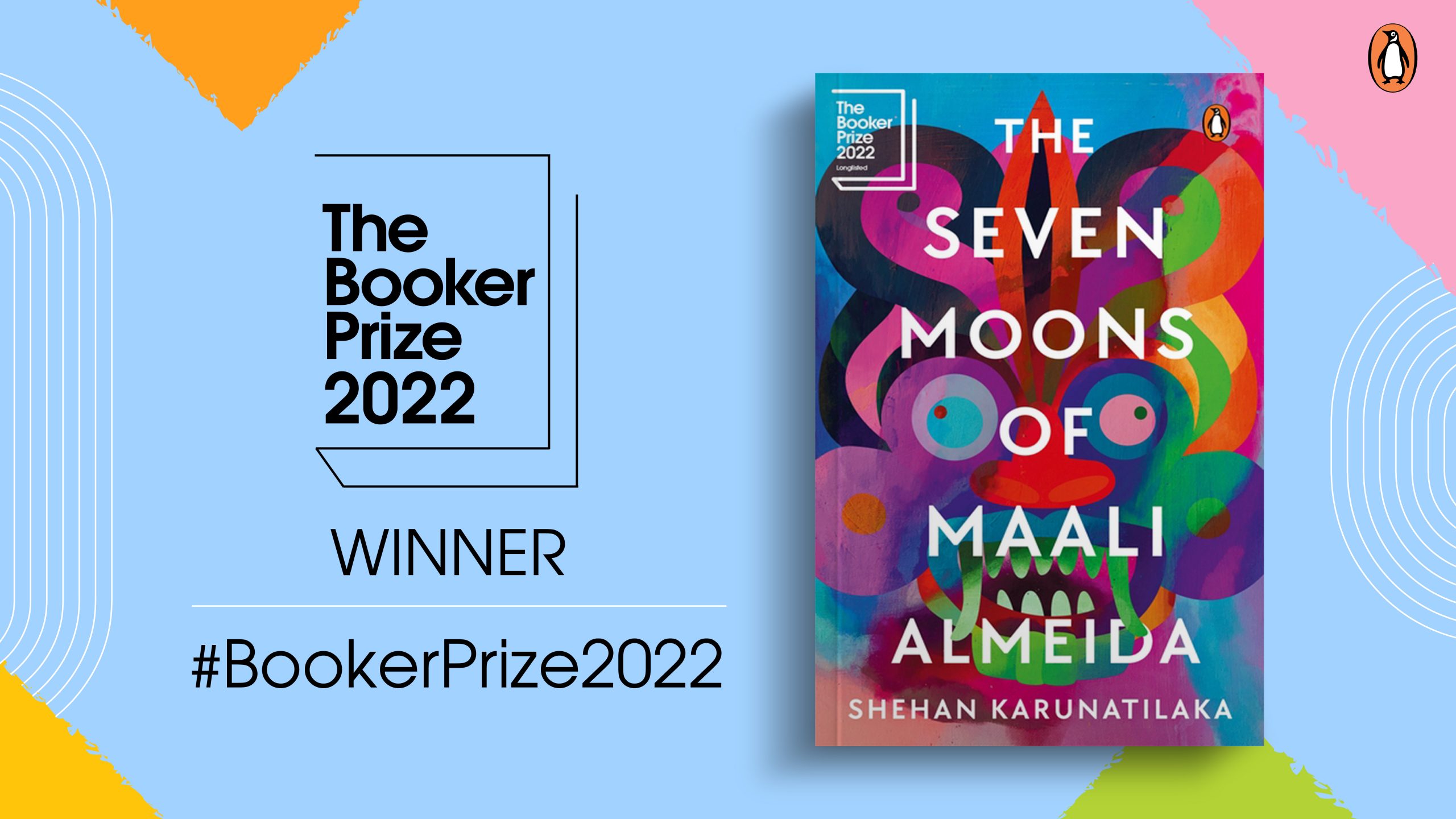
Penguin Random House India is proud to announce that critically acclaimed Sri Lankan writer Shehan Karunatilaka’s The Seven Moons of Maali Almeida, which was first published by Penguin India as Chats With The Dead, has won this year’s Booker Prize for Fiction.This is the first Booker Prize for Shehan.This was also the first time that books originating from an Indian publisher had been nominated for the Booker Prize two years in a row. In 2021, Anuk Arudpragasam’s A Passage Northwas in the running forthe Booker Prize. Tomb of Sand, written by Geetanjali Shree, translated by Daisy Rockwell, and published by Penguin in India, was also the winner of the International Booker Prize 2022.
A classic whodunit with a brilliant twist, The Seven Moons of Maali Almeidasearingly exposes the plight of a country caught in the aftermath of civil war.Embroiled in red tape, memories of war, and ethical dilemmas, this unforgettable story captures readers right from the very first page up to its startling denouement, constantly upending its premise with its staggering humanity.
Manasi Subramaniam, Associate Publisher andHead of Rights at Penguin Random House India and the editor of the book, said, ‘The Seven Moons of Maali Almedia by Shehan Karunatilaka is a masterful work of modern philosophy that insists on being uproariously funny through all its deft acrobatics through the living and the dead. I am delighted that this brilliant book has won the Booker Prize 2022.’
Meru Gokhale,Publisher, Penguin Press, Penguin Random House India, says, ‘I am absolutely delighted at the honour and recognition being given to Shehan Karunatilaka’s work. It’s wonderful to see writers from South Asia receive long-overdue international recognition in this extraordinary year for Penguin Press, through both the Booker International Prize for Tomb of Sand and the Booker Prize for The Seven Moons of Maali Almeida.’
The Booker Prize 2022’s jury is chaired by Neil MacGregor, cultural historian, writer and broadcaster along with a five-person panel- Critics Shahidha Bari and M. John Harrison, historian Helen Castor and novelist and poet Alain Mabanckou.
About the author:
Shehan Karunatilaka is a Sri Lankan writer whose first book Chinaman won the Commonwealth Book Prize, the DSC Prize for South Asian Literature, and the Gratiaen Prize, and was shortlisted for the Shakti Bhatt First Book Prize.
Penguin turns 35 years in India! Over the years, Penguin Random House has fortified the future of books and reading in India and continues to strive on our mission to publish diverse voices. And today on our milestone anniversary, we celebrate our authors, readers and customers who have helped us establish our publishing legacy.
It is particularly gratifying to be celebrating this milestone when so many of our books are being recognised on a national and international scale. Tomb of Sand, written by Geetanjali Shree, translated by Daisy Rockwell, and first published in India by Penguin, won the International Booker Prize this year, making it the first Indian language translation to receive this honour since its launch 17 years ago. The Booker Prize for Fiction 2022 shortlisted Shehan Karunatilaka’s The Seven Moons of Maali Almeida, which was published originally in India by Penguin as Chats With The Dead in 2020. In 2021, Anuk Arudpragasam’s A Passage North was in the running to win the Booker Prize. This is the first time that books originating from an Indian publisher have been nominated for the Booker Prize twice in a row.
As the region’s most successful publisher, it is our mission to bring quality and affordable books to readers across India and South Asia and take local voices to global markets. We keep strong on this commitment by discovering and publishing authors from the region. We ensure our readers have access to our global catalogue of over 50,000 titles. And we make sure that our readers can choose to read some of the finest writings from the world in print books, e-books or audiobooks, any format convenient for them to integrate reading into their lives seamlessly.
Creativity, entrepreneurship, and innovation have been the pillars through which we navigate the unpredictability of our publishing business. We believe in investing in our authors and fortifying our infrastructure to keep up with the growing demand for books. We have also been innovative with data to transform our sales and marketing efforts and gain distinctive competitive advantages. In these dynamic times, we have strengthened our printing and distribution capabilities too. Our growth in publishing has allowed us to give back to the community and help build a generation of readers from all strata of society. We sponsor and support reading fluency programmes that help disadvantaged young readers adopt reading into their lives. We donate books to community libraries and government schools and form partnerships in the process to further spread the message of reading books.
Looking back on our long and illustrious publishing history in India, I would like to thank all our authors for choosing to publish with us and for allowing us to present their brilliant works to the world. I acknowledge the trust our readers extend to us each time they choose a Penguin book to fire up their imaginations and to stay informed and entertained. We are fortunate to have customers and partners who work tirelessly to ensure the availability and access of our titles. And finally, I express my gratitude to my brilliant teams without which none of the above would be possible. Our biggest strength lies with the talented, dedicated, and passionate people in our company.
As we enter a new phase when the world is looking a little bit different, we know that books are going to continue to be an important part of our country’s cultural fabric and our lives. Setting our sights on the future, we are looking forward to bringing more iconic books by gifted writers to our beloved readers with the support of our talented team.
– Gaurav Shrinagesh
CEO of Penguin Random House India and South East Asia
The fall and the festive season are here…and so are our October releases! After all, what’s a better way to welcome this new month than by reading diverse stories to your little ones? So, spend time exploring the magic in the world, learning about gods and goddesses, and embarking on great adventures with our October releases!
Scroll through our recommendations and discover the best October releases for your kids!
*
The Magic of the Lost Story
The Magic of the Lost Story || Sudha Murty
After staying in the lockdown for over a year, Nooni is now visiting her Ajja-Ajji in Somanahalli. Memories of excavating the famous stepwell and experiencing village life for the first time in The Magic of the Lost Temple are still afresh in Nooni’s mind. Excited to finally step out of the confines of her home, little does Nooni know she will make yet another discovery, only this time it’s a missing puzzle in her family’s history.
Written in India’s favourite storyteller’s inimitable style, The Magic of the Lost Story captures the value of asking questions and keeping the answers alive. Packed with delightful artworks and wondrous terrains, this story takes you on an unforgettable journey as it follows the magnificent Tungabhadra River.
The People of the Indus
The People of the Indus || Nikhil Gulati, Jonathan Mark Kenoyer
Who were the people of the Indus?
Why didn’t they build pyramids like the Egyptians?
And ultimately what happened to them?
Supported by extensive research from a leading Indus archaeologist, this graphic novel seeks answers to precisely these questions. It is not history in the form of a dull record of dates and events but a beautifully illustrated glimpse into the lives of the people of the Indus civilization, dating all the way back to 3200 BCE. The People of the Indus is a rare account of how one of the most unique and enigmatic civilizations of the ancient world changed the course of human history. It is sure to enthrall young adults and older readers alike.
My Little Book of Durga
My Little Book of Durga
When Mahishasura makes the world weep and moan,
Who can stop him? Mighty Durga alone!
With charming illustrations and simple language, this short tale about the eternally powerful Goddess Durga will entertain and delight.
This series of charmingly illustrated board books introduces kids to some of the best-known and best-loved gods from popular Hindu mythology, including Krishna, Ganesha, Lakshmi, Hanuman, Shiva, and Durga.
Read aloud or read together with kids as they hear fascinating stories about the mighty Goddess Durga who is worshipped as Shakti or female power.
Dotted with interesting facts about each god as well as an interactive seek-and-find activity. Suitable for bedtime reading and parent-child association. Perfect way to familiarize children with India’s rich cultural fabric. These books offer a fun and enjoyable introduction to timeless myths and festivals for modern kids.
For ages: 3+ year
My Little Book of Hanuman
My Little Book of Hanuman
Hanuman wants to be big and strong.
But why does it have to take so long?
With charming illustrations and simple language, this short tale about Hanuman will entertain and delight.
Collect all six books in the series!
For ages: 3+ year
My Little Book of Shiva
My Little Book of Shiva
There are lots of stories about Shiva’s greatness and might.
Which one will Ganesha and Kartikeya hear tonight?
With charming illustrations and simple language, this short tale about Shiva will entertain and delight.
Collect all six books in the series!
This series of charmingly illustrated board books introduces kids to some of the best known and best loved gods from popular Hindu mythology, including Krishna, Ganesha, Lakshmi, Hanuman, Shiva and Durga.
For ages: 3+ year
Ramanujan
Ramanujan || Arundhati Venkatesh
Srinivasa Ramanujan wants to go to school in Kumbakonam only to do maths but his class has no maths teacher this year.
Instead, there is a series of substitutes making the boys do strange exercises–lifting iron ingots, measuring milk, jumping from one island to another and frying fish. Ramanujan wants no part in it, but he and his team, the Kumbakonam Krackerjacks are drawn into a challenge with the Triumphant Trio–and in any maths challenge, Ramanujan has to win!
Filled with rollicking humour, puns, puzzles, this meticulously researched novel describes the childhood of one of the world’s greatest mathematicians in a vividly imagined historical setting. Priya Kuriyan’s joyful illustrations capture his daily life in striking detail.
The Great Minds at Work series looks at the childhoods of people who made history against the backdrop of the times and places they grew up in.
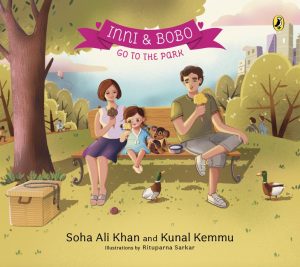
Inni & Bobo: Go to the Park
Inni & Bobo: Go to the Park || Soha Ali Khan, Kunal Kemmu
Little Inni adopts the scruffy-looking Indie puppy Bobo, and finally, he is home! But Bobo is still scared of everything-even the running water. Now it is all up to Inni, his new best friend, to help him learn and adapt to the ways of his new life. And what better way to do it than to head out to the park on Sunday the Funday! After all, it’s the best place to explore new things and even meet new people.
Endearing and narrated with a lot of heart, the Inni and Bobo Series, is not only about a little child finding friendship but also about the beauty of adopting dogs. It’s about learning empathy and imperative life lessons, and most importantly opening one’s heart and homes-which is what life is all about.
For ages: 4+ years
Andaman Adventure: The Jarawa
Andaman Adventure: The Jarawa || Deepak Dalal
This is the seventh book in the Vikram-Aditya series following from Koleshwar’s Secret and is the first of the two-part ‘Andaman Adventure’ books.
The Andaman coast, north and west of the capital city of Port Blair, is an unspoiled stretch of beauty. This untamed coast has only been partly explored. Large sea eagles prowl its blue skies, saltwater crocodiles patrol meandering creeks, and lush and dense forests unfold behind isolated beaches.
These magnificent forests are home to the proud and ancient people of this land known to outsiders as the Jarawa. Wielding arrows and spears, the Jarawa fiercely protect their wild abode, attacking those who dare enter into their sacred space.
Vikram and Aditya, accompanied by Chitra, a free-spirited girl much like the islands themselves, embark on an adventure of a lifetime along this very coast. On a moonlit night they venture up a forbidden creek where danger lurks in the shadows awaiting them. Find out what happens next in this thrilling adventure series set in India’s farthest-most region.
Andaman Adventure: Barren Island
Andaman Adventure: Barren Island || Deepak Dalal
This is the eighth and final book in the Vikram-Aditya series and the second of the two-part ‘Andaman Adventure’ books after The Jarawa.
When the book begins, Vikram, Aditya and Chitra are in Port Blair, the capital city of the Andamans. The trio are recuperating from their recent adventure in the remote Jarawa Jungles in the Andaman Islands. While exploring this colourful city, Vikram stumbles upon a series of intriguing clues. However, the investigations he conducts end up ruffling some feathers and manage to upset some powerful criminals. To escape their wrath, Vikram is forced to undertake a secret voyage destined for unknown shores, under cover of darkness.
In the remote corners of the Andaman Sea lies an island called Barren. Vikram arrives at this uninhabited and forgotten outpost of India, and soon discovers that it is not just a band of desperate men he must pit his wits against. Primal forces of nature, the very ones that shaped our planet, are at work on Barren Island, and Vikram and his companions have to face these challenges as well. Finally, this scintillating adventure series comes to a fiery and exhilarating climax on Barren Island’s isolated shores.
Run to the bookstore to get your copies of these October releases or order them online. Have a good time reading our curated October releases!