“The greater danger for most of us is not that our aim is too high and we miss it, but that it is too low and we reach it.”
Michelangelo
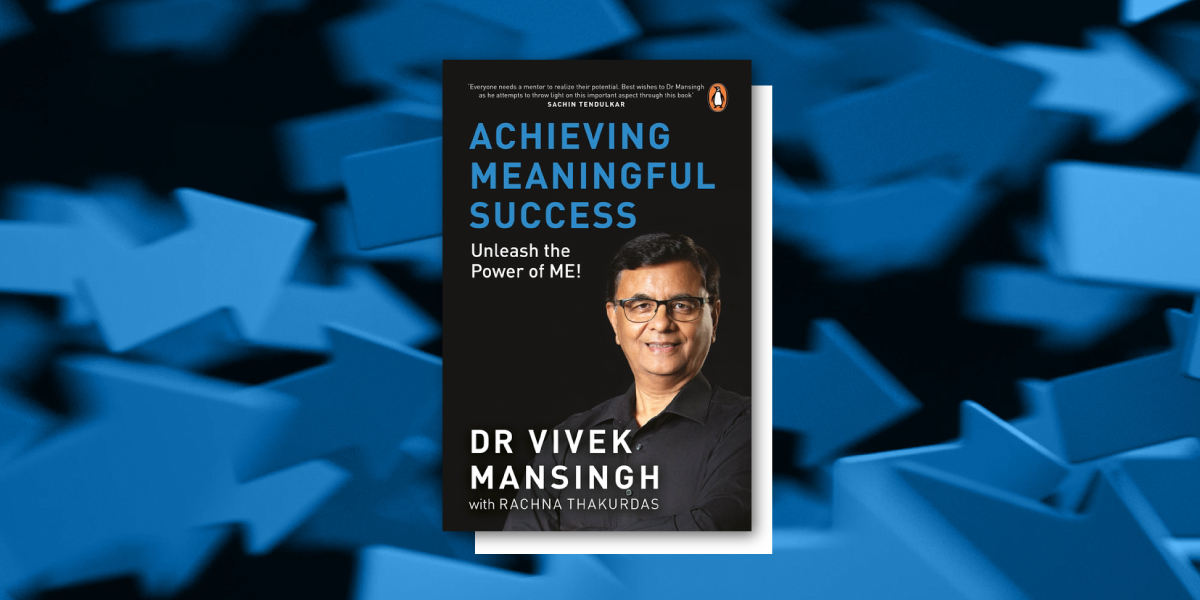
According to Dr. Vivek Mansingh, one should be aspirational and think big when setting professional goals instead of worrying about the constraints that you might face while achieving them. Freeing yourself from constrained thinking is one of the most important things to achieve meaningful success in the long-run, and consistently. Read an excerpt from Dr. Vivek Mansigh’s latest release to learn more!
It’s not uncommon for people to achieve phenomenal professional success, only to find that they are mysteriously disappointed, and unhappy. This empty feeling has been reported in several studies by seemingly successful people including CEOs, government leaders, scientists, athletes, entertainers and award winners in every walk of life. In a study of CEOs of Fortune 500 companies at Yale University, many apparently highly successful professionals reported that they felt their lives were incomplete and disappointing at many levels.
Professor C. Clayton of Harvard University, author of The Innovator’s Dilemma, talks about an intriguing phenomenon. He did a study of his MBA students at Harvard. At their fifth-year reunion, they were doing fairly well: they had great spouses, jobs, houses and cars. At the tenth reunion, many had achieved professional success, but one-third reported being unhappy in life. At the twenty-fifth reunion, the situation was even more bleak. Although most people were doing well at work and financially, many had been unhappy, divorced or were grappling with relationship issues. Some had serious health issues, and some had even ended up in jail for unethical business practices.
What had gone wrong with these smart people after such a terrific start?
The answer is simple and lies buried in the nature of the goals. Possibly, they pursued single-dimensional success by chasing money or only professional success, and in doing so sacrificed other things that were important for achieving meaningful success.
Andrew Carnegie sums it up neatly: “If you want to be happy, set goals that command your thoughts, liberate your energy, and inspire your hopes.” And he did!
Carnegie, who started his career as a bobbin boy at a cotton factory earning $1.20 a week, went on to sell his company, Carnegie Steel, for some $480 million, making him one of the world’s richest men!
After selling his steel company, this petite-framed colossus, just five feet, three inches tall, retired from business and devoted himself full time to philanthropy.
He gave away some $350 million (the equivalent of billions in today’s dollars): really the bulk of his wealth. Among his philanthropic activities, he funded the establishment of more than 2,500 public libraries around the globe, donated more than 7,600 organs to churches worldwide and endowed organizations dedicated to research in science, education, world peace and other causes. Among his gifts was the $1.1 million for the land and construction costs of Carnegie Hall, the New York City concert venue that opened in 1891. He also funded the Carnegie Institution for Science, Carnegie Mellon University and the Carnegie Foundation. A lover of books, he was the largest individual investor in public libraries in American history.
I often say that if you do not make decisions about your life, someone else will. People without goals end up working for people with goals! So, it is important that you are goal driven and set your own goals.
Once you’ve set your goals, create a strategy and plan and write it down along with milestones. According to many studies, people with written goals have an 80% higher probability of achieving them. I am one of these people.
To me, success wasn’t something I would gauge by comparing against others. I strived to compete with myself after defining what meaningful success meant to me. If success to you means becoming a cricketer, singer or painter, go for it. But strive to be the best that your potential holds. It is also important to be joyful and positive while you are pursuing your goals and going through your life’s journey. According to research in positive psychology, happy, positive and joyful people have higher probability of achieving their goals and success.
If you’re looking to achieve meaningful success and set multidimensional and balanced life goals to help you attain happiness and fulfilment, grab your copy of Achieving Meaningful Success here!
What is nostalgia, after all, but an attempt to preserve that which was good in the past?
― Ruskin Bond, Roads to Mussoorie
It’s rare that an author’s writings pull the heartstrings of adults and young alike and Ruskin Bond is one such author. His writer’s pen flings fairy dust on our childhood memories, brings back our fond experiences with friends, family, and nature, and offers solace while transporting us to a new world. Bond, despite his slowed-down gait, has kept his childlike wonder alive and sprinkles it in his short stories every now and then. The characters in his books, mostly culled from the real world, are fresh, diverse, and relatable. The recollection of his indelible memories make his readers nostalgic about their own past and leave an everlasting impact on their lives.
Like us, if it’s impossible for you also to read only one book by Ruskin Bond, then scroll through this list with some of our favourites by him.
*
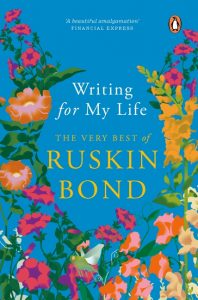
Writing for My Life
Writing for My Life || Ruskin Bond
If only the world had no boundaries and we could move about without having to produce passports and documents everywhere, it really would be ‘a great wide beautiful, wonderful world’, says Ruskin Bond.
From his most loved stories to poems, memoirs and essays, Writing for My Life opens a window to the myriad worlds of Ruskin Bond, India’s most loved author. Capturing dreams of childhood, anecdotes of Rusty and his friends, the Ripley-Bean mysteries, accounts of his life with his father and his adventures in Jersey and London among others, this book is full of beauty and joy-two things Ruskin’s writing is mostly known for.
With a comprehensive introduction, this is the perfect gift to all the ardent readers and lovers of Ruskin’s effervescent writing. A wide collection of carefully curated and beautifully designed stories, this book is a collector’s edition.
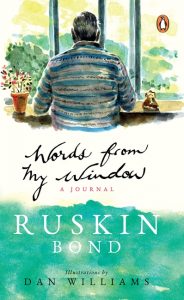
Words From My Window
Words From My Window || Ruskin Bond
I need a window to look at the world without; for only then can I look at the world within. A room without a window is rather like a prison cell, and the soul is inclined to shrivel up in a confined space. … Car horns, children calling to each other as they return from school, a boy selling candyfloss, several crows chasing a hawk! Never a dull moment. And the magic mountain looks on, absorbing everything.
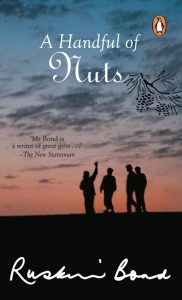
A Handful Of Nuts
A Handful Of Nuts || Ruskin Bond
This collection of six novels sparkles with the quiet charm and humanity that are the hallmarks of Ruskin Bond’s writing. Evoking nostalgia for a time gone by; these poignant chronicles of life in India’s hills and small towns describe the hopes and passions that capture young minds and hearts; highlighting the uneasy reconciliation of dreams and destiny.
The six novels included in the collection are:
The Room on the Roof
Vagrants in the Valley
Delhi Is Not Far
A Flight of Pigeons
The Sensualist
A Handful of Nuts
A Little Book of India
A Little Book of India || Ruskin Bond
As India completes 75 years of independence, we bring to you a slice of our beloved country in the words of our favourite author, Ruskin Bond. Drawing on his own memories and impressions of this unique land, he pays homage to the country that has been his home for 84 years. Bond talks fondly about the diverse elements that make up this beautiful land-its rivers and forests, literature and culture, sights, sounds and colours. A Little Book of India is an amalgamation of the physical and spiritual attributes of our homeland, and takes you on a journey filled with nostalgia and devotion.
The Little Book of Comfort
The Little Book of Comfort || Ruskin Bond
So, do you wish to go out into the night, walke up the hill, discover new things about the night and yourself, and come home refreshed? For just as the night has the moon and the stars, so the darkness of the soul can be lit up by small fireflies – such as these calm and comforting thoughts that Ruskin Bond has jotted down for you in The Little Book of Comfort. This book will give you an opportunity to discover yourself in this post-pandemic world to become more thoughtful and to discover the art of slowing down.
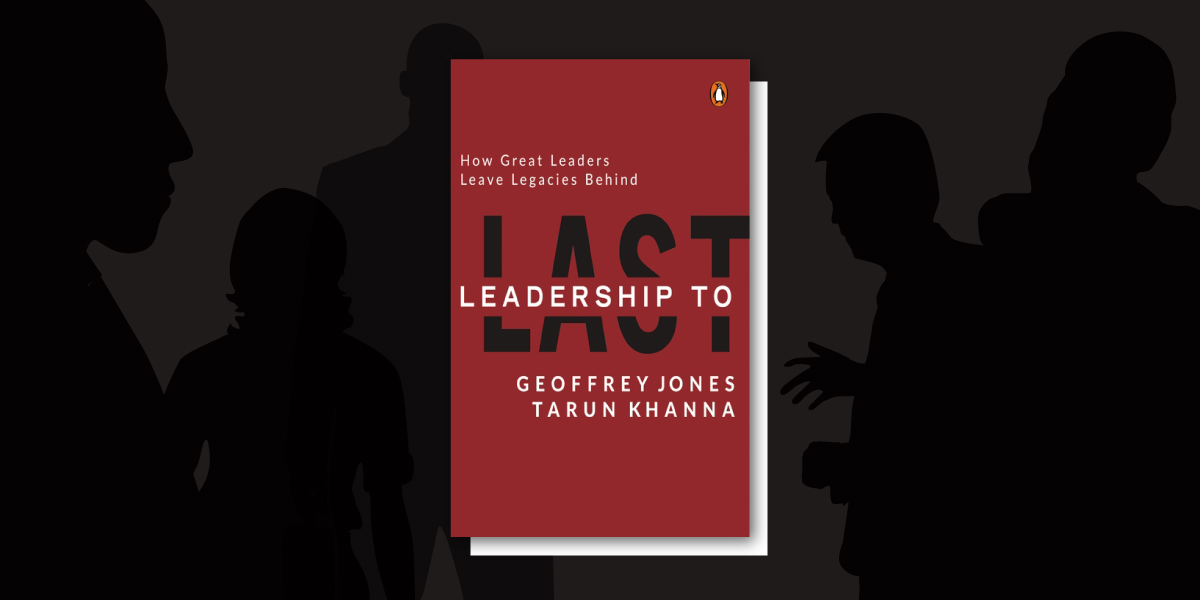
Have you ever wondered what inspires the most iconic leaders you know today to build empires and legacies that last for decades?
Leadership To Last||Geoffrey Jones, Tarun Khanna
Leadership is multifaceted and multi-dimensional. It is not a linear function: it exists and thrives in every aspect of a leaders’ life, be it personal or professional. In Leadership to Last by Tarun Khanna and Geoffrey Jones, the lasting aspect of wonderful leaderships that ultimately turn into legacies is highlighted. Through several interviews with leaders, entrepreneurs, and successful visionaries which include the likes of Ratan Tata, Adi Godrej, Shabana Azmi, Ela Bhatt, Seema Aziz, Narayana Murthy, and many more!
What sets Leadership To Last apart from other books that talk about leadership is its diversity in setting and a unique interview-like approach. Through these interviews, you are transported to a completely different world, and it’s almost as if you’re in the same room as the leader you’re reading about!
Emphasizing what makes this a riveting read for people from all walks of life, the co-authors also highlight how the focus of the book is on the long durée. By selecting cases that have led to lasting institutional changes, triggered by individuals over multiple decades, the book brings out what truly helps successful leaderships become long-lasting legacies!
Divided into 7 sections that talk about different factors that help create iconic legacies, Leadership to Last also helps you understand the importance of aspects such as managing families, committing to values, innovating for impact, contesting corruption, challenging gender stereotypes, promoting inclusion, and creating value responsibly.
Finally, the learnings from comprehensive interviews of different leaders are summarized to help you understand their experiences better, while also creating a lasting impact through a skillful writing style.
Learn how great leaders leave legacies behind, and everything in between with Leadership to Last!
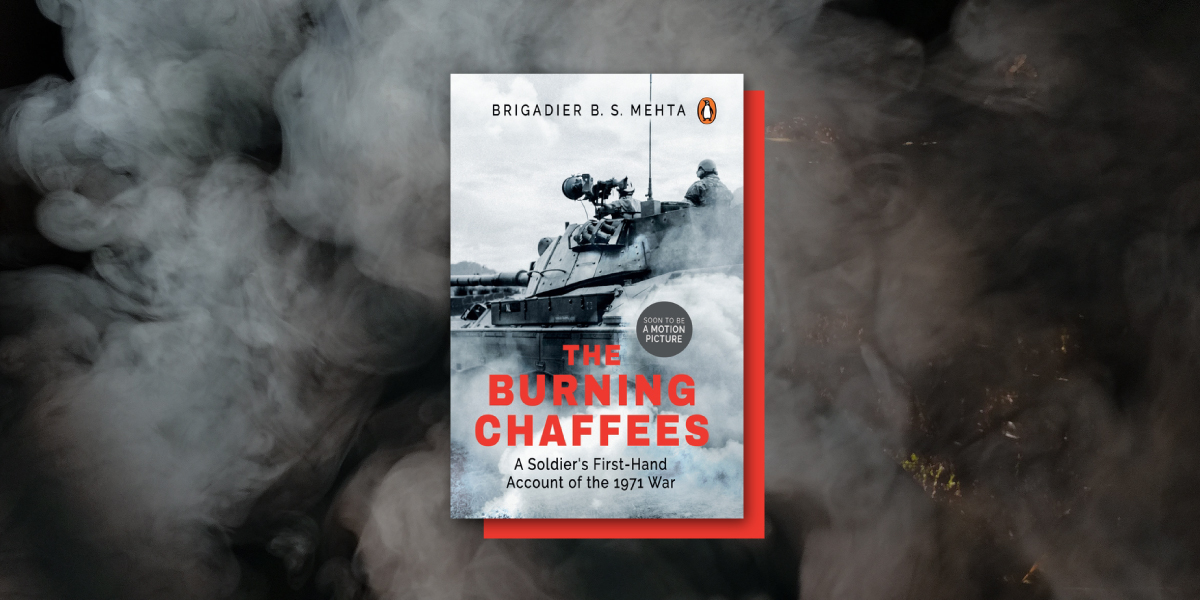
A lesser-known event in Indian military history, the Battle of Garibpur was fought between 21-22 November 1971. In The Burning Chaffees, Brigadier B.S. Mehta records the behind-the-scenes tension that eventually exploded into the momentous Bangladesh Liberation War, India’s tank column movement into then East Pakistan, and the victory which shook Pakistan’s confidence.
The following excerpt is an account from 20 November 1971, moments before the main conflict took place.
The Burning Chaffees || Brig. B S Mehta
*
We had barely moved out of the Battalion HQ when an urgent message came through on the radio. What we had been suspecting since the early morning now stood confirmed by the radio message, followed by the short shrill blasts from a whistle, which somebody was blowing impatiently. It was a signal, practised and rehearsed during exercises, to indicate an imminent air strike.
I elbowed my entry into one of the crowded trenches close to the Battalion HQ, as there was no way I could make it to my tank. The trench, designed for not more than three persons, was a small, ramshackle shelter with an apology for overhead cover consisting of small khaji saplings and dry twigs covered with earth to provide protection. On one side of the trench, a small aperture had been cut open through which its occupants could fire their weapons in case of a ground attack. Before I could adjust my weight on my feet, somebody inside yelled, ‘Enemy planes are coming.’ The four black dots had now grown much larger, their outline becoming more menacing. Soon, they were overhead, and started to circle over our position, to determine our defence perimeter within which they would select their targets to spell death and devastation. Their main effort was directed towards the tanks, being the more lucrative targets. Sitting inside the trench, packed like sardines, one could do nothing more than watch the aircraft, which we now recognised as the infamous Sabres. We had heard and read enough about these aircraft but all that knowledge was of no avail, since it had only acquainted us with the physical and technical features of the aircraft. What we were going to discover in the next 10 minutes or so would be its capacity for annihilation and its ability to create havoc amongst the ground troops. The cumulative effect of its monster-like presence moving around at supersonic speed, creating a blood curdling roar through its jet engines, the reverberation and echoes, plus the physical damage its cannon, bombs and strafing would create was something we would be compelled to undergo with our hearts in our mouths. While they were still high up in the sky, I ventured to count them, hoping to draw some consolation from their numbers: one, two, three, four—possibly some higher up in the sky. The Sabres were pulling up once again to gain height as by now they had completed a dry run. It would now be only a matter of moments before they swooped down, one after another, unloading their cargo consisting of bombs, cannons, machine guns, on pre-selected targets.
*
Soon to be a major motion picture, you can get your copy of The Burning Chaffees from your nearest bookstore.
This International Women’s Day, we bring to you engaging and inspiring books about feisty, tenacious and extraordinary women! Whether you’re looking for picture books for young readers, nonfiction books about real-life pioneers or stories with memorable protagonists—we’ve got you covered.
Browse through these beautiful books and make your little one’s mind, heart and library more inclusive, fun and full of strength!
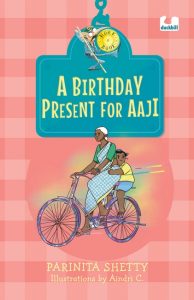
A Birthday Present for Aaji || Parinta Shetty
A Birthday Present for Aaji
Young Jyoti goes on a quest and meets with her neighbours to find the best birthday present for her Aaji — a woman who works many jobs including selling masala powder and fish, being a caretaker of a houseboat, a scuba-diving expert, a pretend ghost at Sindhudurg Fort. Wondering where her search leads her?
Ages: 5+
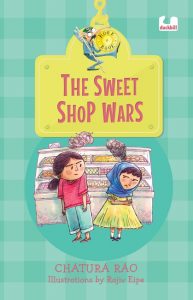
The Sweet Shop Wars by Chatura Rao
The Sweet Shop Wars
Firoza is on a mission to help her Daadu’s sweet shop beat their new rivals on the block. But when the girl from Best Sweets shop helps her out, Firoza learns a valuable lesson on friendship. Part of the Hook books, this book is a lovely lesson on tolerance and kindness towards everyone.
Ages: 5+
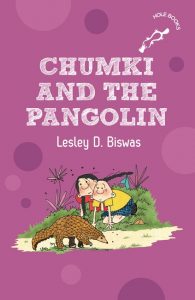
Chumki and the Pangolin || Lesley Biswas
Chumki and the Pangolin
The dangerous virus has forced everyone into lockdown including Chumki and her brother. Yet, when a poacher threatens her newly befriended pangolin, Chumki goes out of her way to save it from harm! Read the story to know about this daring girl who defies all odds to protect the ones she cares about.
Ages: 5+
The Girl Who Was a Forest || Janaki Ammal
The Girl who was a Forest
An illustrated biography of Janaki Ammal who was an Anglo-Indian botanist known for her plant breeding techniques including her work on sugarcanes. Set in her ancestral home in Kerala, this is the story of young Janaki who learns a valuable lesson from a mangrove’s seed. A story of resilience, read the Dreamer Series to meet the fierce women who were once overshadowed by history.
Ages: 7+
My Grandmother’s Masterpiece || Madhurima Vidyarthi
My Grandmother’s Masterpiece
In a world where we are conditioned to attach stereotypical roles to our elders, Nimi is taught how to break free of them. While the story begins with her questioning her grandmother’s role in her life she accepts, acknowledges and supports the artist in her, helping her grandmother blossom. Subtly changing the gender dynamics this story is a must read for all ages.
Ages: 7+
That Year at Manikoil || Aditi Krishnakumar
That Year at Manikoil
This is the story of Raji and her sisters who with their mother move back to their ancestral home in Manikoil after their brother joins the British Indian army during the Japanese Army’s invasion of Burma in 1943. Part of the Songs of Freedom series that looks into children’s lives during India’s struggle for independence, find out how Raji and her sisters acclimatise themselves to a life amidst the slow rumblings seeking India’s independence from Britain.
Ages: 10+
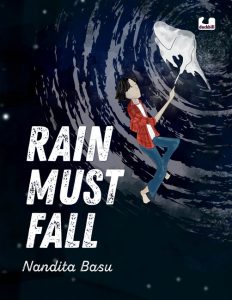
Rain Must Fall || Nandita Basu
Rain Must Fall
A graphic novel about a young Rumi who befriends a friendly ghost and embark on a quest to find their identity. A tender book that looks into gender norms that shape a young person’s pursuit for identity and self-acceptance.
Ages: 12+
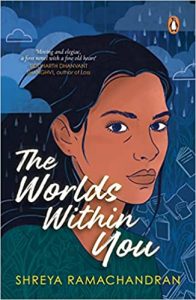
The Worlds Within You || Shreya Ramachandran
The Worlds Within You
Ami Shekhar is taking a break from college to be home and regroup. Her supportive sister Sam understands what Ami is going through and orchestrates a creative writing teaching assignment at her school. Will the workshop help both the sisters overcome their grief and find their balance? Read this young adult novel by debut writer Shreya Ramachandran who sensitively addresses lived mental health experiences and the support system required to accept and heal.
“Women, they have minds, and they have souls, as well as just hearts. And they’ve got ambition, and they’ve got talent, as well as just beauty. I’m so sick of people saying that love is all a woman is fit for.”
Jo March’s words still resonate with women across the globe. This International Women’s Day, we’re here to help you understand their perspectives better with a handpicked selection of stories written by women!
Asha Devi is India’s youngest ever Prime Minister. She is twenty-nine years old, charismatic and driven. Elevated to power after the assassination of her father she must prove that she is more than just a dynasty.
As Asha struggles to retain her hold on power, defeat the terrorists, keep her family together, win over coalition partners and tackle the beast of 24×7 news TV, she never loses sight of one objective: She must track down the man who murdered her father.
Written in a cinematic, fast-moving style this book offers an insider’s view of how things move at the top echelons of government and gives us a rare peek into the underbelly of the TV news business. It also brings back Asha Devi, the much-admired heroine of Seema Goswami’s bestselling Race Course Road.
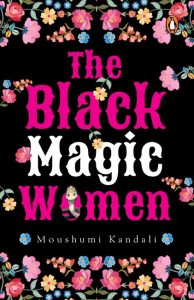
In the recent past, many writers have acquainted readers with the composite culture of Assam. Moushumi Kandali makes a similar attempt in The Black Magic Women, but with a stark difference. She brings her characters out of Assam and places them in the mainstream, capturing their struggle to retain their inherent ‘Assameseness’ as they try to assimilate into the larger society.
The stories makes one pause, think and debate issues that range from racial discrimination (‘The Fireflies Outside of the Frame’) to sexual harassment (‘The Hyenas and Coach Number One’, ‘Kalindi, Your Black Waters . . . ‘) to the existential and ideological dilemma induced by the state’s complex sociopolitical scenario (‘The Final Leap of the Salmon’). The title story is revealing of how mainstream India perceives Assamese women-as powered with the art of seduction and black magic-as a result of which they face social discrimination that can range from racial slurs to physical abuse.
The writer ventures into a surrealistic mode, using a generous sprinkle of fable, myth and metaphors to deliver a powerful punch. With all the shades of emotion these ten stories from the North-east evoke, the reader cannot remain a passive observer.
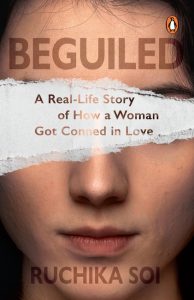
Gitanjali met Randeep Singh Taneja at a farm party in Delhi. He called himself ‘Randy’. He flirted with her; she resisted. She was a single mother, a divorcee, and Randy was five years younger. They became friends, went for walks in Lodhi Garden, had coffee in Khan Market, and he asked her hand in marriage. She refused, he beguiled her, they fell in love, and she said yes.
The couple moved to London and this is where the first signs of trouble began. Away from all that was familiar to her, Gitanjali began to notice that Randy was not all that declared to be. Random phone calls from women who claimed to either be his wife or his girlfriend, a child who called him ‘Papa’, photographs of Randy with other women, multiple cell phones…and for all this he had reasonable explanations that left her with no room for doubt.
Gitanjali thought she knew her husband. That is until she hadn’t opened his cell phone and found out about the many lives he was leading across the world.
This book is a dark and gripping story about a marriage gone wrong. It is a cautionary tale of how we may think we know someone when we really don’t.
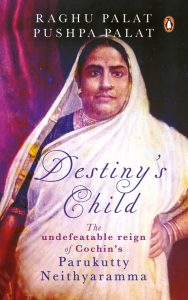
This is an intimate account of the extraordinary life of Parukutty Nethyaramma, who went on to become one of the most powerful rulers of the Kingdom of Cochin.
At the tender age of fourteen, her marriage thrust her into a hostile world. Taking on her detractors, Parukutty stubbornly and fearlessly forged ahead to become a voice none could gainsay. Despite a seventeen-year age gap, she had built a special, unshakable bond with her husband. When he was crowned the sovereign ruler of Cochin, she vowed to support and protect his position throughout her life. Theirs was an enviable partnership of two incredible equals who together went on to break many traditional norms. At a time when women were relegated to the shadows, Parukutty travelled with her husband, participated in important discussions, and even went on to rule as his proxy. She became a force to be reckoned with in her own right.
Narrated by Parukutty’s own great-grandson and his wife, Raghu and Pushpa Palat, this deeply personal chronicle paints a vivid picture of a woefully understated icon from the twentieth century.
When Maneka Pataudi is arrested as the prime suspect for the murder of her ex-husband, she reveals a chilling tale of marital abuse and neglect.
But is her confession the truth or a lie? Is she telling the story as a victim or a perpetrator? And, is it better for women to kill for love or be killed for it?
Based on a true story (mostly), Boys Don’t Cry is a gripping, compelling and courageous novel that takes you behind the closed doors of a modern Indian marriage.
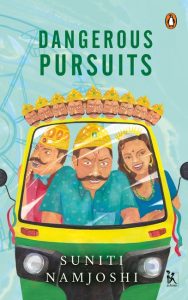
Humankind’s unrelenting mistreatment of our planet has finally led to a seemingly futile awareness of our acute shortage of time. What separates us from an oblivion preceded by excruciating pain and strife? The characters of this unique book, inspired by legends from lore and literature alike, pursue paths they believe are best for them and for their world. They are unaware of the flaws that distort their dreams. Divided into three parts, Suniti Namjoshi’s Dangerous Pursuits turns righteousness and virtue upon their heads, making for an irreverent and ruminative exploration of the beginning of the end of the world.
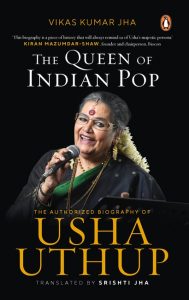
Usha Uthup, India’s undisputed icon of pop music, has enthralled an entire generation of listeners with her unforgettable voice and continues to do so. Completing fifty years as a professional singer in 2020 was just another milestone in her fabled career.
In this vivid biography, which was originally written in Hindi, Vikas Kumar Jha captures the entire arc of Uthup’s career in music. From her childhood days in Mumbai and her first gigs singing with jazz bands in Chennai’s glitzy nightclubs to her meteoric rise as India’s musical sensation and her philanthropic work, Jha covers it all and manages to weave a narrative that is colourful, inspiring and bound to keep any reader engrossed till the end.
This pitch-perfect English translation, by Srishti Jha, offers the reader a front-row seat to the life and times of the inimitable Usha Uthup.
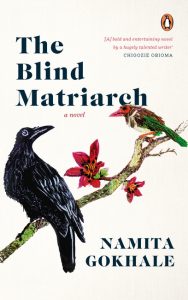
The blind matriarch, Matangi-Ma, lives on the topmost floor of an old house with many stories. From her eyrie, she hovers unseeingly over the lives of her family. Her long-time companion Lali is her emissary to the world. Her three children are by turn overprotective and dismissive of her. Her grandchildren are coming to terms with old secrets and growing pains. Life goes on this way until one day the world comes to a standstill-and they all begin to look inward.
As certainties dissolve, endings lead to new beginnings. Structured with the warp of memory and the weft of conjoined lives, the narrative follows middle India, even as it records the struggles for individual growth, with successive generations trying to break out of the stranglehold of the all-encompassing Indian family.
Ebbing and flowing like the waves of a pandemic, the novel is a clear-eyed chronicle of the tragedies of India’s encounter with the Coronavirus, the cynicism and despair that accompanied it, and the resilience and strength of the human spirit.
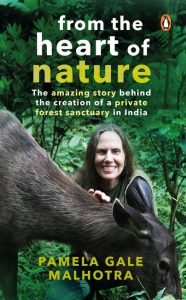
Called ‘Noah’s Ark’ by an Oxford University scientist, SAI Sanctuary is an example of how Nature exists in a delicate balance. You cannot destroy Nature, and you cannot rearrange it without serious consequences to your existence.
Coming from two rich wisdom cultures, one Native American and one Indian, Pamela and Anil Malhotra made it their mission to salvage what they could in Kodagu, Karnataka, where years of illegal logging and poaching had ravaged the land and decimated the wildlife. Today, with the forests and the ecosystem restored, and the wildlife protected, this sanctuary is a treasure trove of a rich variety of indigenous trees and plants, and a refuge for numerous rare and threatened species of animals, some found nowhere else on the planet.
In this deeply fascinating and inspiring personal narrative, Pamela recounts how she connected and communicated with animals and trees at both physical and spiritual levels, and how the only way to save humanity is through understanding and preserving Nature.
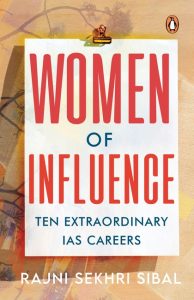
Women of Influence is a compilation of the untold stories of ten women IAS officers who have walked the extra mile and made a difference despite facing major pressures in governance. Having worked in the civil services for thirty-seven years, Rajni Sekhri Sibal has been in a unique position to see things at close quarters, which is why she is able to present narratives that provide an insight into the challenges of being a woman IAS officer, and also highlight episodes where the protagonist displays immense courage and commitment during the most difficult of times.
The book relates accounts of how different protagonists responded to threats of violence post-death in police custody, to illegal mining by a sand mafia and to resistance to the introduction of technology in a government organization. Strategies adopted for making India Polio-free in 2011 and interventions to deal with the scrouge of human trafficking also provide interesting insights in the book. The narratives are inspiring tales of ten strong and efficient women of substance, and their extraordinary careers wherein they made a difference.
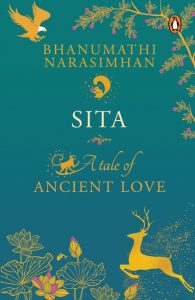
Sita, the beloved princess of Mithila, is one of the most revered women in Indian history; so well known, yet probably the least understood. At every crossroad of her life, she chose acceptance and grace over self-pity. Her life was filled with sacrifice yet wherever she was, there was abundance. It was as if she was carved out of intense longing for Rama, yet she had infinite patience. In every situation, she reflected his light and he reflected her love.
In her, we find someone who is so divine yet so human.
In this poignant narration, Bhanumathi shows us the world through the eyes of Sita. We think what Sita thinks, we feel what she feels, and for these few special moments, we become a part of her. And perhaps, through this perspective, and Sita’s immortal story, we will discover the true strength of a woman.
We hope you enjoyed this exclusive list curated to bring out the views and perspectives of women and their diverse voices.
The simple act of reading and writing by women automatically flipped the narrative for humanity. Since then, there has been no looking back, and certain stories have gone beyond breaking that mould by consciously demanding new perspectives and structures. Here’s a list of five literary works that continue to be the blueprint for reading—and writing—as a woman in the subcontinent.
*
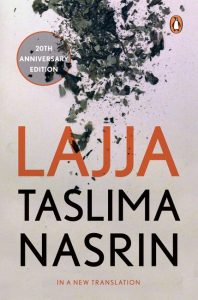
Lajja||Taslima Nasrin
Lajja by Taslima Nasreen
A savage indictment of religious extremism and man’s inhumanity to man, Lajja was banned in Bangladesh but became a bestseller in the rest of the world. on 6 December 1992, the Babri Masjid is demolished. The world condemns the incident, but its immediate fallout is felt most acutely in Bangladesh, where Muslim mobs begin to seek out and attack Hindus. The nightmare inevitably arrives at the Duttas’ doorstep, and their world begins to fall apart.
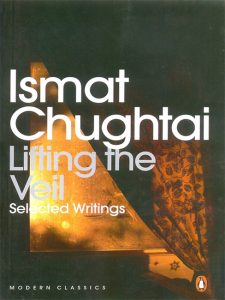
Lifting the Veil: Selected Writings || Ismat Chughtai
Lifting The Veil by Ismat Chughtai
At a time when writing by and about women was rare and tentative, Ismat Chughtai explored female sexuality with unparalleled frankness and examined the political and social mores of her time. She brought the idiom of the middle class to prose, and totally transformed the complexion of Urdu fiction.
The twenty-one pieces in this selection are Chughtai at her best, marked by her brilliant turn of phrase, scintillating dialogue and wry humour, her characteristic irreverence, wit and eye for detail.
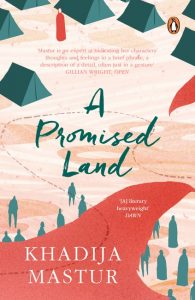
A Promised Land || Khadija Mastur
A Promised Land by Khadijah Mastur
In the wake of the Partition, a new country is born. As millions of refugees pour into Pakistan, swept up in a welter of chaos and deprivation, Sajidah and her father find their way to the Walton refugee camp, uncertain of their future in what is to become their new home.
With subtlety and insight, Khadija Mastur conjures a dynamic portrait of spirited women whose lives are wrought by tragedy and trial even as they cling defiantly to the promise of a better future.
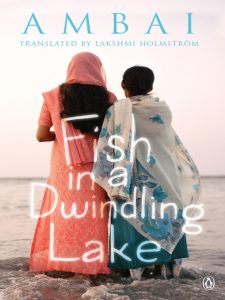
Fish in a Dwindling Lake tr. Lakshmi Holstrom || Ambai
Fish In A Dwindling Lake by Ambai
‘The body was the only truth she knew. It was the body alone that was left, even as she went beyond the body.’
Translated by Lakshmi Holstrom, these stories by Ambai engage uninhibitedly with a woman’s relationship to her body. These stories are illuminated by vivid and unusual characters: from an eccentric, penurious singer-couple who adopt an ape as their son; to a male prostitute who is battered by bimbos for not giving ‘full’ satisfaction; journeys form the leitmotif of these astonishing new stories.
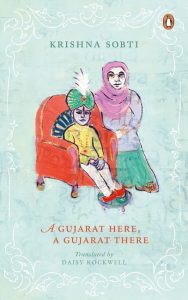
A Gujarat Here, A Gujarat There tr. Daisy Rockwell || Krishna Sobti
A Gujarat Here, A Gujarat There by Krishna Sobti
Delhi, 1947. The city surges with Partition refugees. Eager to escape the welter of pain and confusion that surrounds her, young Krishna applies on a whim to a position at a preschool in the princely state of Sirohi, itself on the cusp of transitioning into the republic of India. She is greeted on arrival with condescension for her refugee status and treated with sexist disdain by Zutshi Sahib, the man charged with hiring for the position. Undaunted, Krishna fights back. But when an opportunity to become a governess to the child maharaja presents itself, there is no telling how long this idyll will last.
With winter melting away, it’s time to usher in the colourful month of March. As we reach the first quarter of the year, many might be overwhelmed by how fast the seasons change. With our social media flooded with ‘how is it already March??’ posts and a hundred topics trending all the time, nothing keeps us grounded like our favourite activity: reading.
From anthologies about witchy women, to complete volumes of classic scholars to reimagining cityscapes, celebrate spring with our March releases!
*
Generation XL by Dr Sanjay Borude
Generation XL || Dr Sanjay Borude
The contributing factors to childhood obesity range from genetic makeup to medical conditions like hypothyroidism and Cushing’s Syndrome. Children today spend far more time on screens than playing games outdoors, more so in the wake of the Covid-19 pandemic. Energy-dense foods and drinks are more readily available now than before.
The book is a comprehensive roadmap for the prevention and management of childhood obesity by one of India’s top bariatric surgeons. With real-life case studies and examples, the book helps parents and children chart a roadmap to recovery and a fitter, healthier life.
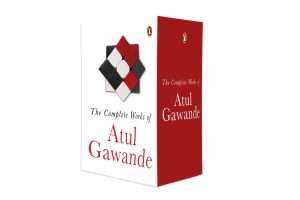
The Collected Works of Atul Gawande
The Collected Works of Atul Gawande
A combined box set of all the bestselling books by Atul Gawande, acclaimed surgeon and writer.
In The Checklist Manifesto, Gawande demonstrates how the checklist can help anyone improve their own and others’ lives, from the fields of medicine to disaster response, investment banking to skyscraper construction and businesses.
In Being Mortal, he compares attitudes toward ageing and death in the West and in India, providing an extraordinary account of loss.
In Better, gripping stories take us to battlefield surgical tents in Iraq, delivery rooms in Boston, a polio outbreak in India, and malpractice courtrooms in the US.
In Complications, Gawande performs surgery on medicine itself. Dramatic true stories explore how mistakes occur, why good surgeons go bad, and what happens when medicine comes up against the inexplicable.
MoveMint Medicine by Dr Rajat Chauhan and Dr Darren Player
Movemint Medicine || Dr Rajat Chauhan, Dr Darren Player
Dr Chauhan and Dr Player focus on a widely ignored element of exercising: the mind. This book goes against the grain by drawing the reader’s attention to mental health and its importance for one’s physical self. Never preachy and always funny, MoveMint Medicine is the only book one needs to read to become a better version of oneself.
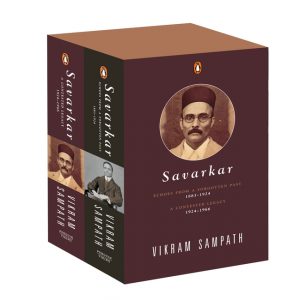
Savarkar: A Contested Legacy from a Forgotten Past by Vikram Sampath
Decades after his death, Savarkar continues to uniquely influence India’s political scenario. An optimistic advocate of Hindu-Muslim unity in his treatise on the 1857 War of Independence, what was it that transformed him into a proponent of ‘Hindutva’? What was it that transformed him in the Cellular Jail to a proponent of ‘Hindutva’, which viewed Muslims with suspicion?
This two-volume biography series, exploring a vast range of original archival documents from across India and outside it, in English and several Indian languages, historian Vikram Sampath brings to light the life and works of Vinayak Damodar Savarkar, one of the most contentious political thinkers and leaders of the twentieth century.
Head Held High by Vishwas Nagre Patil
Head Held High || Vishwas Nangre Patil
Head Held High, translated from the Marathi Mann Mein Hai Vishwas, is an account of IPS officer Vishwas Nangre Patil’s life-from his humble background, through school, college, long hours of studying for the UPSC examinations to the final selection for the IPS cadre and, eventually, his role in the counterterrorist operations during the Mumbai attacks. This nostalgic and authentic account of the most formative and challenging years of his life is sure to strike a chord with the thousands who aspire to join the ranks of the Indian Civil Services.
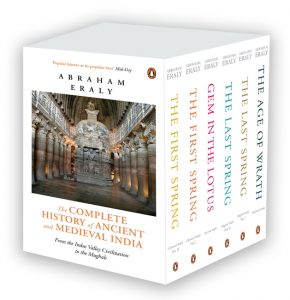
The Complete History of Ancient and Medieval India by Abraham Eraly
The Complete History of Ancient and Medieval India || Abraham Eraly
In this enthralling account, historian Abraham Eraly conjures a vivid picture of ancient, classical and medieval India-from the foundational seed of the Indus Valley Civilization in 2500 BCE to the grand saga of the Mughal Empire. This box set comprises the acclaimed books Gem in the Lotus, The First Spring (Part 1), The First Spring (Part 2), The Age of Wrath, The Last Spring (Part 1) and The Last Spring (Part 2).
The Black Magic Women by Moushumi Kandali
The Black Magic Women || Moushumi Kandali
The title story represents this anthology about hegemonic perspectives of Assamese women. Exoticized from the lens of seduction and black magic, these women are made to endure social discrimination that can range from racial slurs to physical abuse. Juxtaposing two different eras, it is a historic-fictional written in the format of a colonial reportage by a nineteenth-century British officer. Using a generous sprinkle of fable, myth and various metaphors, they deliver a powerful punch to the reader.
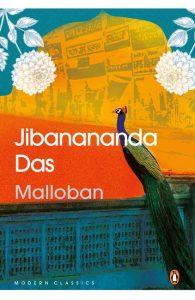
Malloban by Jibananada Das
Malloban || Jibanananda Das
Set in North Calcutta in the winter of 1929, our eponymous protagonist is a lower-middle-class office worker living in the literati commune of College Street with his wife Utpala and their daughter Monu. The novel unfolds through a series of everyday scenes of dysfunction and discontent. Arguably the most beloved poet in modern Bangla after Tagore, Jibanananda wrote a significant number of novels and short stories discovered and published after his death. Malloban is his most popular novel.
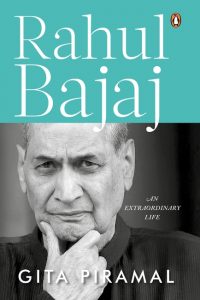
Rahul Bajaj: An Extraordinary Life by Gita Piramal
Rahul Bajaj || Gita Piramal
Rahul Bajaj is a billionaire businessman, the chairman emeritus of the Bajaj Group and a former member of Parliament. This book is not just the story of Rahul Bajaj but the story of India. The author takes us through the country’s transformation from the time Rahul Bajaj’s mother was imprisoned during the freedom struggle to the prism of his eventful life. Based on unrestricted interviews, the book is full of anecdotes, business learnings and political asides. It is, at its core, a moving human story.
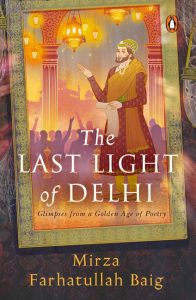
The Last Light of Delhi by Mirza Farahtullah Baig
The Last Light of Delhi || Mirza Farhatullah Baig
The Last Light of Delhi is the story of a last grand mushaira held in the city of Delhi circa 1845. Though the mushaira is fictional, the book is a cultural document of the age, taking the reader on a journey in time to a past when poetry flowed through the streets of the city. It paints a portrait of a lost world, of the life and living styles of the upper classes of Delhi in the decade before the fateful year of 1857.
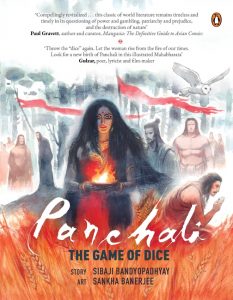
Panchali by Sankha Banerjee and Sibaji Bandyopadhyay
Panchali || Sibaji Bandyopadhyay, Sankha Banerjee
Impelled by elemental forces of death, destruction and creation, Panchali, with electrifying visuals cinematically construed, reaches its climax: two consecutive games of dice. Marred by deceit, treachery and trickery, and fuelled by obsession, passion and rage, the gambling episode provides the preface to the coming, all-consuming Mahabharata war.
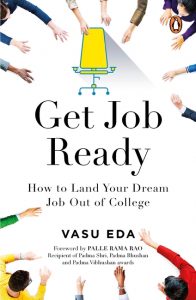
Get Job Ready by Vasu Eda
Get Job Ready || Vasu Eda
Millions of students graduate every year from college in India and are quickly faced with a problem: they do not have a pathway to a job or career. The book lays out the steps college students need to take, while in college, to transition from college to a career. It includes topics such as how to gain job readiness skills and experience through volunteering, internships, class projects, extracurricular activities; creating a cover letter and résumé; handling an interview; creating a LinkedIn profile and finding a mentor.
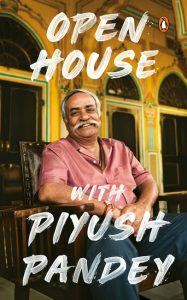
Open House by Piyush Pandey and Anant Rangaswami
Open House with Piyush Pandey
In Open House, Piyush Pandey takes the readers on a journey into his mind-his work, thoughts and experiences. He answers questions posed to him by people over the decades. Serious questions, incisive questions and frivolous questions. Is advertising a good career option? Should ad agencies work for political parties? Why does Ogilvy work for the BJP? Should citizens take the law into their own hands if they don’t like the advertising? Is Ogilvy a lala company? What is the future of advertising? Is Piyush Pandey too old to be in this business?
Honest, irreverent and informative, Open House will both entertain and enlighten you.
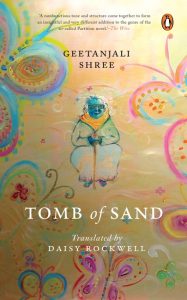
Tomb of Sand by Geetanjali Shree (Tr. by Daisy Rockwell)
Tomb of Sand || Geetanjali Shree
In northern India, an eighty-year-old woman slips into a deep depression after the death of her husband, and then resurfaces to gain a new lease on life. Her determination to fly in the face of convention—including striking up a friendship with a transgender person—confuses her bohemian daughter, who is used to thinking of herself as the more ‘modern’ of the two.
To her family’s consternation, Ma insists on travelling to Pakistan, simultaneously confronting the unresolved trauma of her teenage experiences of Partition, and re-evaluating what it means to be a mother, a daughter, a woman, a feminist.
Rather than respond to tragedy with seriousness, Geetanjali Shree’s playful tone and exuberant wordplay results in a book that is engaging, funny, and utterly original, at the same time as being an urgent and timely protest against the destructive impact of borders and boundaries, whether between religions, countries, or genders.
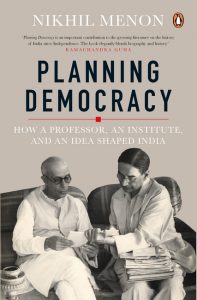
Planning Democracy by Nikhil Menon
Planning Democracy || Nikhil Menon
India’s Five-Year Plans were one of the developing world’s most ambitious experiments. After nearly two centuries of colonial rule, planning the economy was meant to be independent of India’s route from poverty to prosperity. Planning Democracy explores how India married liberal democracy to a socialist economy. Planning not only built India’s data systems but also shaped the nature of its democracy. The Five-Year Plans loomed so large that they linked surprisingly far-flung contexts, from computers to Bollywood to Hindutva.
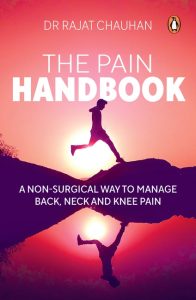
The Pain Handbook by Dr Rajat Chauhan
The Pain Handbook || Dr Rajat Chauhan
Back pain affects 80 per cent of people and remains the toughest ailment to treat. Dr Rajat Chauhan gets to the heart of the problem and explains how pain works, why we develop it and how we can heal it. The book tells us how to treat pain without going under the knife.
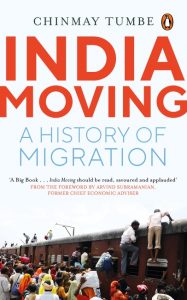
India Moving by Chinmay Tumbe
India Moving || Chinmay Tumbe
To understand how millions of people have moved—from, to and within India—the book embarks on a journey laced with evidence, argument and wit, providing insights into topics like the slave trade and migration of workers, travelling business communities such as the Marwaris, Gujaratis and Chettiars, refugee crises and the roots of contemporary mass migration from Bihar and Kerala, covering terrain that often includes diverse items such as mangoes, dosas and pressure cookers. From adventure to indenture, martyrs to merchants, partition to plantations, from Kashmir to Kerala, Japan to Jamaica and beyond, India Moving maps the many facets of the great migrations of India and the world.
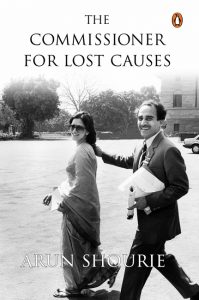
The Commissioner for Lost Causes by Arun Shourie
The Commissioner For Lost Causes || Arun Shourie
The work done by Arun Shourie and his colleagues rocked institutions and governments: the freeing of 40,000 undertrials; revealing the Bhagalpur blindings; purchasing Kamla; dislodging a ‘Sultan’; foiling ‘strikes’; controverting Judges; battling privilege motions; courting contempt of court charges; nailing corruption, forgeries, lies, and the opportunism of rulers; uncovering suppressed reports . . . What lay behind these and the consequences that followed?
A comprehensive account of dramatic incidents like getting governments to swallow legislation against the press, unseating of chief ministers, a prime minister unspooling himself even as manoeuvres to unseat him are scotched, a deputy prime minister trying to dislodge colleagues with fabricated documents, people’s movements ending up as rivulets in the sand, The Commissioner for Lost Causes discusses Shourie’s innings, the calumny hurled at him, his dismissal, and his being recalled and removed again.
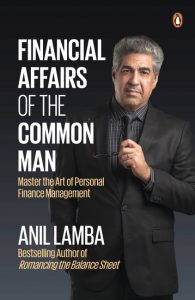
Financial Affairs of the Common by Anil Lamba
Financial Affairs of the Common Man || Anil Lamba
Financial Affairs of the Common Man presents a collage of the various aspects of personal finance management that every individual should pay heed to. It introduces the concepts important to effectively plan your finances and provides the tools and the knowledge needed to do so. Written in comprehensible fashion for the layman, the book is a supreme guide for those looking to understand the power of compounding and the effects of inflation on investments, mutual funds and SIPs, and to gain a deeper insight into the making of personal balance sheets and income tax provisions.
Dangerous Pursuits by Suniti Namjoshi
Dangerous Pursuits || Suniti Namjoshi
Divided into three parts, Suniti Namjoshi’s Dangerous Pursuits turns righteousness and virtue upon their heads, making for an irreverent and ruminative exploration of the beginning of the end of the world.
In ‘Bad People’, Ravana, Shupi and Kumbh deflect the world from its destructive course, but perfection remains a distant dream. Ravana, of course, belongs to epic; but how does he fit into the twenty-first century? In ‘Heart’s Desire’, an old woman seeks to make a bargain with the devil, but the devil isn’t interested, and she finds herself stuck with two angels instead. And in ‘The Dream Book’, based on The Tempest, Caliban, Miranda, Prospero and the rest find that their dreams clash and are as pretty and pitiless as glass shards. Yet, each time their dreams crack, they dream again, reckless in this dangerous pursuit.
How grateful are we to welcome March, for the little ones can finally come out of their blankets and bask in the soft rays of the sun with a great book in hand! While they are on the lookout for the best reading corners in and around their houses, we are taking care of their reading lists.
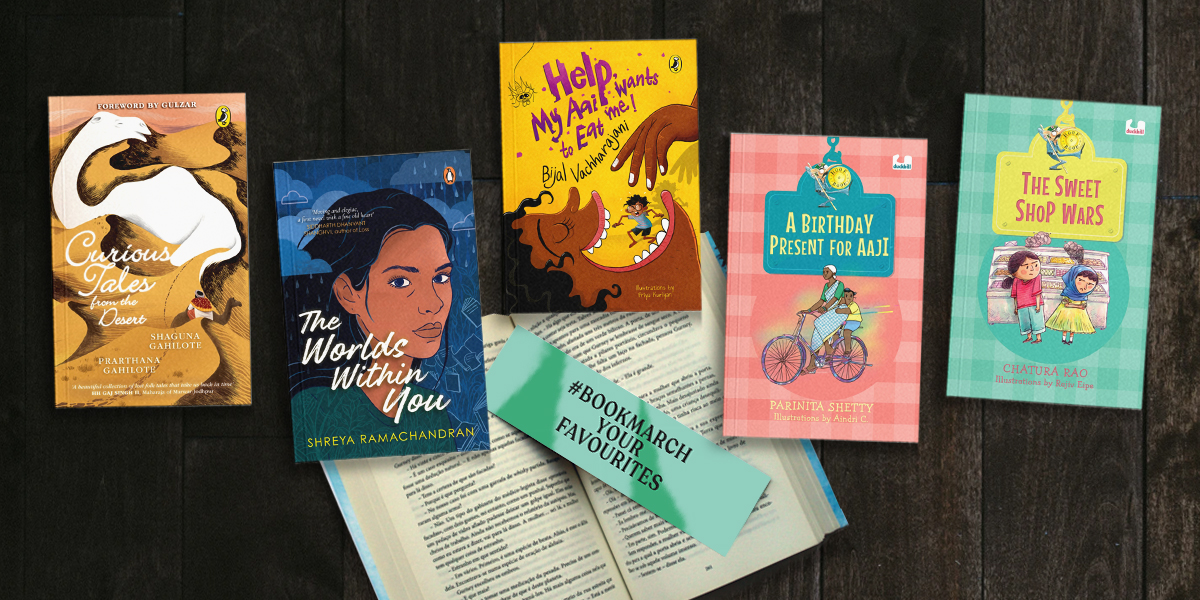
Scroll through our latest releases for the month and you’ll find something for the young readers to discover in these engaging stories and beautifully-illustrated books. We are sure that our penguinsters would want to bookmarch…bookmark all of them!
The Sweet Shop Wars
The Sweet Shop Wars || Chatura Rao
For ages: 5+
Best Sweets has opened next to Firoza’s dadu’s sweet shop and is taking away all the customers. How can Firoza make her dadu’s shop better than Best?
The Hook Book series of short simple stories for beginning readers come with fun stories set in different parts of India, gorgeous illustrations and short exercises to enhance the reading experience.
A Birthday Present for Aaji
A Birthday Present for Aaji || Parinita Shetty
For ages: 5+
Aaji’s birthday is coming up, but Jyoti has no idea what to get her. Fortunately, everyone in their village has lots of very different ideas…
The Hook Book series of short simple stories for beginning readers come with fun stories set in different parts of India, gorgeous illustrations and short exercises to enhance the reading experience.
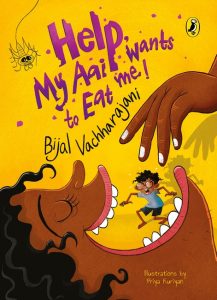
Help! My Aai Wants to Eat Me
Help! My Aai Wants to Eat Me || Bijal Vachharajani
For ages: 7+
Avi has an extremely annoying habit of seeing the good side (pros) and the bad side (cons) of situations that life tosses his way-just like the curveballs his best friend HJ tosses while playing cricket.
Only this time, Avi is in the soup. Just like the mama bear who is known to eat her sickly baby, Avi is pretty sure that his aai wants to dunk him in soup and eat him up. Even though he definitely would not taste good.
Now, the only two options in front of Avi are fight or be fried.
Avi’s thoughts on this book:
Pro: Reading this book will make you a smart cookie and feed your imagination, especially about all things wild.
Con: Cookies are edible and Aai is hungry! Uh-oh.
Dig in at your own risk.
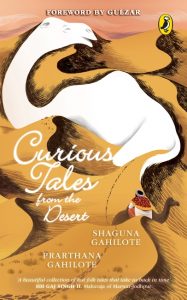
Curious Tales from the Desert
Curious Tales from the Desert || Shaguna Gahilote, Prarthana Gahilote
For ages: 9+
Deep in the wild jungles of Rajasthan resides a magical sparrow that grants wishes…
In Gujarat, a pandit haggles with vendors and chastises merchants as he chases an elusive bargain…
A bullocky in Multan encounters a mysterious and wise old man who charges money to talk!
A pandemonium of fools, geniuses and everyone in between gambol across the deserts of India to amusing and delightful results. So sit back with a bowlful of kheench and get ready to be enchanted by the beauty of the Thar, the nights at the Cholistan, and the markets of Kutch.
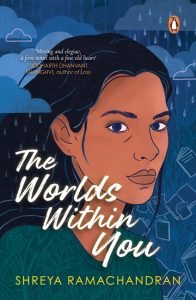
The Worlds Within You
The Worlds Within You || Shreya Ramachandran
For ages: 13+
The Worlds Within You tells the story of Ami Shekar, who has decided to take a break from her first year of university in the UK and return to her home in Chennai. Ami is stuck, and finds herself fretting, overthinking and retreating into her own head. But she knows that whatever it is that makes her feel ‘weird’ all the time must have a name to it. And so, Ami is back home, to come to terms with many things: her mental health, her own identity, memories of her grandfather and, finally, herself.
Set over the course of seven writing classes, this is an unconventional and melancholic take on what it means to be alive and find your own emotional support system-no matter how flawed the people within your system might be.
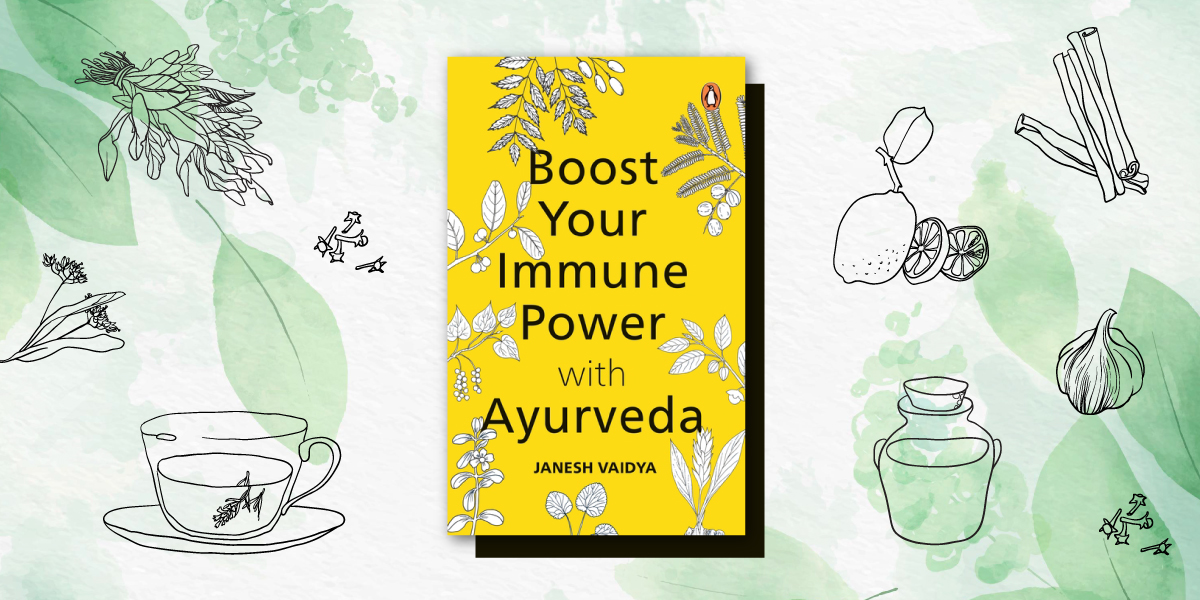
Boost Your Immune Power with Ayurveda||Janesh Vaidya
In a post-pandemic era, your immunity is your only savior. The following five traditional routines to optimize your energy can help you feel energized not just physically, but also mentally. According to Janesh Vaidya’s Boost Your Immune Power with Ayurveda, the morning is the best time to start a good habit. This is because when we choose good thoughts in the morning, it sets a positive tone for the rest of the day. Moreover, following this, every day can bring in positivity for the rest of the week, and eventually, your entire life will be a cycle of positive energy.
If you’re struggling to find a good morning routine to help you get started, don’t fret! Here are five traditional Ayurveda practices to help you start your day with healthy habits. The following morning routines have been practiced by the traditional Ayurveda practitioners in India, known as Vaidyas. No matter what your presently dominating elements are, you can incorporate them into your morning routine and optimize your energy, both mentally and physically!
Clear your mind
Physical Practice: When your mind wakes from sleep in the morning, instead of rising, stay in your bed for a couple of minutes, lying in savasana and breathing gently, with eyes closed.
Note: Savasana is the corpse pose in yoga.
Mental Practice: Be grateful for being alive today. Cultivate affirmative thoughts and connect with your positive feelings, contemplating what you would love to do today to fulfill your heart’s wishes.
Clean your mouth and your mind
Physical Practice: Brush your teeth and tongue and massage your gums with your index fingers. (If you are following a clean, plant-based diet and you brush your teeth with toothpaste in the evening, you only need to use warm water to clean your teeth in the morning.) If you have any Kapha symptoms, such as mucus congestion in the throat, gargle with warm saline water.
Mental Practice: Look in the mirror with a smile from your heart, seeing a reflection of your good sides. Plan how you can invest your positive energies in the coming hours of the day to find joy and peace in your life, and prepare to greet the people you meet with a smile.
Cleanse your esophagus, stomach, and mind
Physical Practice: Practice water therapy or drink herbal tea as prescribed for your Pre-Dominant Element or PDE. For more information on water therapy, you can consult Janesh Vaidya’s website here.
Mental Practice: Sit in a comfortable position, with a focused mind leading to affirmative thoughts. Drink slowly, as if you are eating the water/tea.
Eliminate waste particles and toxins from your intestines, and release tension from your belly
Physical Practice: Make a habit of sitting on the toilet for a few minutes in the morning after drinking the water/herbal tea. This routine helps the brain program the excretory organs to eliminate waste matter from the intestines every morning, even for people who have difficulty emptying the bowels regularly
Mental Practice: While sitting on the toilet, try to connect your mind to the bottom of your abdomen by placing your palms over your belly. Inhale, filling the diaphragm until the belly expands to its maximum, then exhale, gently drawing the belly toward the spine.
Vitalize your body and mind
Physical Practice: Follow your daily morning exercise/yoga therapy program. You can find specialized yoga programs for your PDE in Boost Your Immune Power with Ayurveda by Janesh Vaidya.
Mental Practice: When you are on the yoga mat, keep your complete focus inward and observe your body from head to toe while making a rhythmic flow of breath through your inhalations and exhalations.
The morning often brings with itself a set of new opportunities, and according to ancient health practices, the early morning sun rays can heal many illnesses in our system. The sunlight improves Agni, the fire element, which controls the immune power in the body, and the morning sun rejuvenates the brain and supports the production of hormones such as serotonin and dopamine, which are essential for our mental function.
Follow these five traditional morning routines to optimize your energy throughout the day. For more insights into ayurvedic practices and how they can help your immune system, grab a copy of Boost Your Immune Power with Ayurveda today!