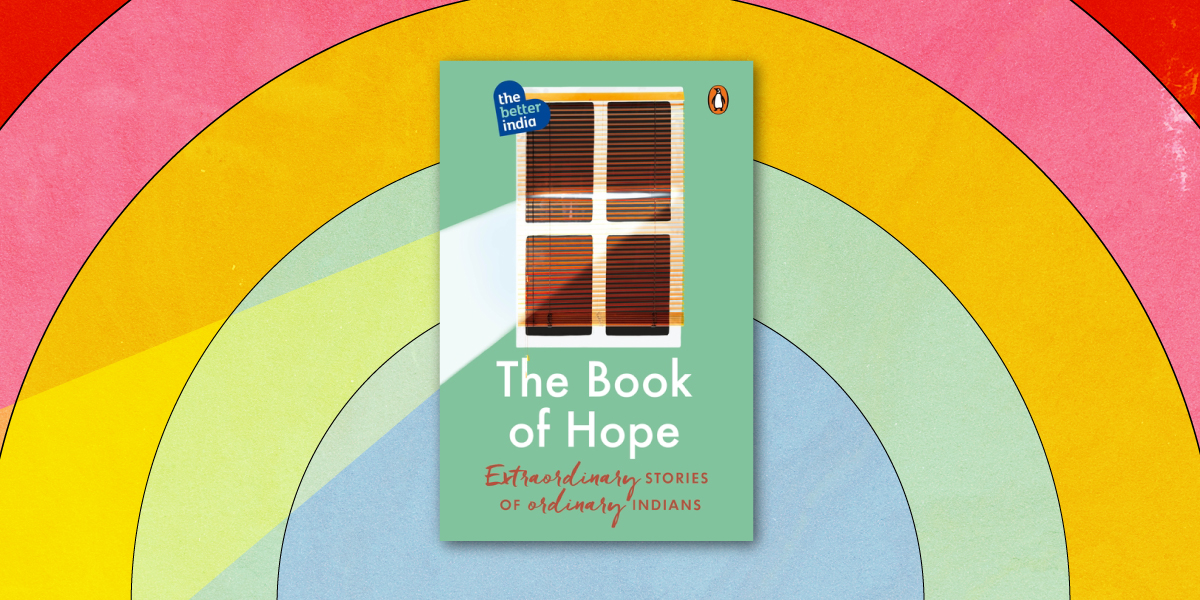
Lately the news cycle has been a whirlpool of trauma, scandal, and sensationalism. Far from facts, a new genre of tabloid truths has now changed the face of journalism. What most people do not know is that journalism originally started off with human stories. The world’s oldest newspaper started in the 17th century in Strausbourg and was a chronicle of daily lives. Harking back to the roots is The Book of Hope: Extraordinary Stories of Ordinary Indians, a special project between The Better India and Penguin India. Whenever we hear inspirational and motivational stories, we often treat them as the exception. Instead of creating empathy and seeing how one can spread awareness. It is time for the focus to shift towards stories that show humanity without a filter. Here are a few people at the centre of stories that fit that very description.
The Book of Hope||
Stories about resilience
Stories of injustice are directly tied to assumed pillars of society. Take the rampant problem of female infanticide and acid attacks. One is a clear symptom of gender discrimination, while the other is an example of misogyny and male entitlement. We are often so discouraged by the statistics that we rarely consider the true stories of survivors. Like Jasbeer Kaur (He Tried to Kill Me), who was forced to choose between being a wife and a mother. Kavita (Left Blind, She Now Helps Others), who is not just another victim of an acid attack, but a beacon of light for the marginalized. Stanzin Saldon (An Agent of Change in Kargil) is a young woman who stood up for herself and her chosen family against hearsay and is now changing the face of education in a forgotten part of Ladakh.
Stories about self-discovery
There are some decisions we make in our daily routine, like when to set the alarm, what clothes to wear, which traffic route to follow, etc. Then there are the decisions that unwittingly put us on the path of our life purpose. Like Kaushik (Middle-Class and Gay), who always knew he was gay but was never confident about his sexuality. It was only when he decided to pursue his PhD that a turning point put him on the path of self-love. Jasmine (This Kerala Trainer is an Inspiration), who hails from the small village of Mukkam in Kerala burns her bridges and takes up a simple job, only to find herself going viral. COVID-19 recalibrated Sameer’s (His Biryani Took Off!) original plans and had him return to his true passion. Now he has clients like actors Swara Bhasker and Mrunal Thakur.
Stories that offer perspective
We grow up hearing oversimplified tales of black-and-white, good-and-bad, but a lot of society’s moralizing is being called out today through the power of storytelling. In For Love for Their Children, Farida and Roopmati tell their story from the margins of society, despite being in the oldest profession in the world. In Did I Not See the Signs? Raashi Thakran shines a light on the reality of mental health awareness as the one who is left behind. In Tongawala to Masala King, Mahashay Chunni Lal Gulati steps out of the MDH packets on our kitchen shelves, telling us how there is no such thing as an overnight success.
November is a month full of traditions and festivals, and we want to add to the celebrations with our carefully curated list of exciting new recommendations. This month, we are enthralled to share a mesmerising list of books that engulf experiences, warmth, and the essence of belonging. Focusing on people and real stories, the recommendations for this month have been chosen to remind you what it means to be human. Get ready to go on a journey as you scroll, and grab a piping hot cup of coffee for the ride!
Women of Influence||Rajni Sekhri Sibal
Women of Influence is a compilation of the untold stories of ten women IAS officers who have walked the extra mile and made a difference despite facing major pressures in governance. Having worked in the civil services for thirty-seven years, Rajni Sekhri Sibal has been in a unique position to see things at close quarters, which is why she presents narratives that provide an insight into the challenges of being a woman IAS officer, and also highlight episodes where the protagonist displays immense courage and commitment during the most difficult of times. The narratives are inspiring tales of ten strong and efficient women of substance, and their extraordinary careers wherein they made a difference.
A Place in My Heart||Anupama Chopra
A Place in My Heart is a many-splendored thing. It is a celebration of the power of storytelling. It is also an account of a life lived in the Bollywood trenches. National Award-winning author, journalist and film critic Anupama Chopra writes about fifty films, artists and events that have left an indelible impression on her and shaped her twenty-five-year-long career. A Place in My Heart is a blend of recommendations and remembrances, nostalgia and narratives. Above all, it is a testament to Chopra’s enduring love for all things cinema.
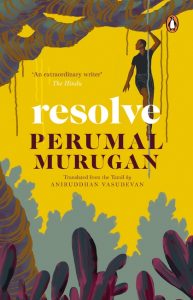
Resolve||Perumal Murugan
Perumal Murugan’s Resolve is both a cultural critique and a personal journey: in his hands, the question of marriage turns into a social contract, deeply impacted by the ripple effects of patriarchy, inequality and changing relationships to land and community. In this deceptively comic tale that savagely pierces the very heart of the matter, translated with deft moments of lightness and pathos by Aniruddhan Vasudevan, Perumal Murugan has given us a novel for the ages.
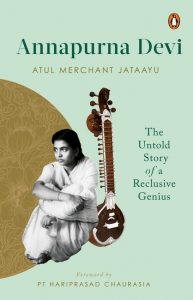
Annapurna Devi||Atul Merchant
Legendary musician Annapurna Devi’s life has been shrouded in mystery. The only people whom she met and communicated with were her disciples who used to visit her for music lessons, which included some of the greatest musicians our era has seen, including Pandit Nikhil Banerjee, Pandit Hariprasad Chaurasia, Ustad Bahadur Khan, Aashish Khan, Dhyanesh Khan, Nityanand Haldipur and Basant Kabra, to name a few. Full of anecdotes and untold stories, this is her life story as told by her to her disciples over a while, giving valuable insights into their Guru Ma’s personality, music and teachings.
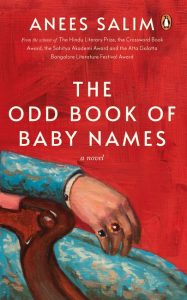
The Odd Book of Baby Names||Anees Salim
Written with the lightness of comedy and the seriousness of tragedy, the playfulness of an inventive riddle and the intellectual heft of a philosophical undertaking, The Odd Book of Baby Names is Salim’s most ambitious novel yet. Layered with multiple perspectives and cadences, each tale recounted in sharp, tantalizing vignettes, this is a rich tapestry of narratives and a kaleidoscopic journey into the dysfunctional heart of the Indian family.
When Charulata Srinivasan returns from the US to Mumbai following the unexpected death of her brother, Ravi, in an accident, she stumbles on something that suggests a more sinister game is in play. With her suspicions that Ravi may have been murdered dismissed by the police, Charu has no choice but to turn to Ravi’s best friend, David, and retired-policeman-turned-detective Anand to help her piece together the truth.
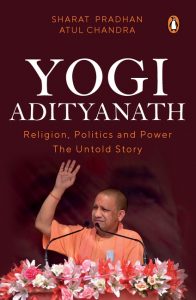
Yogi Adityanath||Sharat Pradhan, Atul Chandra
Is Yogi Adityanath India’s next Prime Minister in the making? His unprecedented rise in the Bharatiya Janata Party and his over-the-top campaigns and displays of his photograph along with Prime Minister Narendra Modi’s on billboards, among many other moves, seem to suggest his political ambition.
Tracing his early life, entry into electoral politics and elevation to the position of the Chief Minister of Uttar Pradesh, India’s most populous state, this book evaluates many untold stories of Yogi Adityanath.
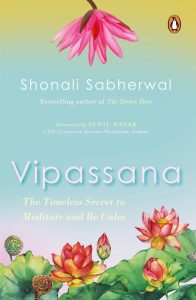
Vipassana||
Bestselling author Shonali Sabherwal’s latest book is for anyone looking to start meditating. With a detailed guide and a focus on Vipassana, it shows you how to control the highs and lows in life and take charge of your happiness. It teaches you how to occupy a state of equanimity and be present in the moment through an ancient technique used by the Buddha for enlightenment. Lift yourself on this journey from misery to happiness, from defilement to purity, from bondage to liberation and from ignorance to enlightenment. Turn your life around through Vipassana.
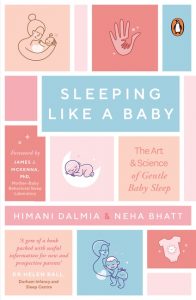
Sleeping Like a Baby||Himani Dalmia, Neha Bhatt
Sleeping Like a Baby serves as the ultimate bedside companion for parents, packed with all the modern tools you need to build a stronger connection with your children and enable age-appropriate sleep for their optimum growth. The book does the seemingly impossible: blending traditional wisdom and the latest research, it gives us a revolutionary approach to achieve longer naps, better night sleep with fewer wakings, a happier baby and more joy and rest as a family, without resorting to fraught practices like ‘sleep training’. Endorsed by some of the most eminent child sleep experts and written in a style that is deceptively simple and accessible, Sleeping Like a Baby is the final word on responsive and restful sleep for caregiver and baby. All night long.
Chamor||Sheba Jose
This nerve-wracking novel is set in a verdant village of Central Travancore in Kerala, which, though unique in many ways, is no exception to the daily truths of life in India. The characters in this story are at the mercy of their universe, which, unfortunately, does not discriminate between the good, the bad and the ugly. In the end, they have nobody but themselves, and their relationships with each other, to fall back on. Poignant and perceptive, the story of Chamor will haunt you for a long time.
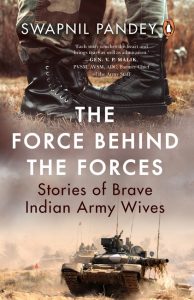
The Force Behind the Forces||Swapnil Pandey
The Force Behind the Forces is a collection of seven true stories of eternal love, courage and sacrifice. Written by an army wife, Swapnil Pandey, this book brings to light moving stories of unimaginable valour in the face of broken dreams, lost hopes and shattered families. It proves that bullets and bombs can only pierce the bodies of our soldiers, for their stories will live on in the hearts of these brave women forever, women who have dedicated their lives to the nation, without even a uniform to call their own.
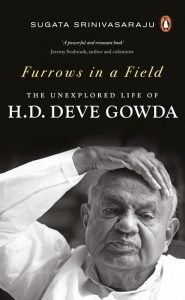
Furrows in a Field||Sugata Srinivasaraju
H.D. Deve Gowda has been in public life for nearly seven decades. Despite his long, arduous yet fascinating journey that began in a poor peasant household in the plains of Hassan, there has been no comprehensive assessment of his life and work. This biography endeavours to professionally fill the gap.The book’s narrative is instructed by Gowda’s rich parliamentary record, archival material and interviews conducted with people associated with him at various stages of his life. The layered narrative is further nuanced by Gowda’s voice, gargantuan memory, a close reading of the time when he made history and the currents of destiny that preceded it. When Gowda became prime minister, many people intuitively registered that our democracy had not been rigged or captured by elites and dynasts, and there was indeed space in our system to rise for a self-made person with no godfathers. It generated hope and continues to do so.
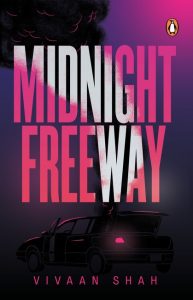
Midnight Freeway||Vivaan Shah
Yogesh Moolchandani, a disreputable builder, is dead. All the signs say suicide but there was nothing wrong with his life. He had just cracked a deal and things were looking hale and hearty for him. CCTV footage from the night of his death shows him crashing into a toll booth at a speed of 180 km per hour on the Bandra-Worli Sea Link. The dealer he had purchased his car from had received five missed calls from him just five minutes before the time of the alleged crash. As the authorities try to find out why Yogesh was calling his car dealer frantically, the plot begins to thicken. Who, or rather what killed Yogesh Moolchandani?
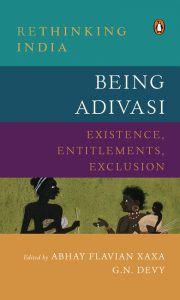
Being Adivasi||
The seventh volume in the ambitious Rethinking India series, Being Adivasi: Existence, Entitlements, Exclusion looks at the process of development and how it clashes with the rights of the Adivasis. Persistent problems faced by the Adivasis-land alienation, indebtedness, vanishing minor forest products from government forests and displacement from their ancestral lands-led to their impoverishment. The Panchayats (Extension to the Scheduled Areas) Act and the Forest Land Rights Act (FRA) enacted by the previous governments were decisive steps towards the empowerment of the Adivasis. However, at present, the implementation of these provisions has taken a back seat. This volume of the Rethinking India series presents the views of the Adivasis and the Denotified Communities on the process of development and its clash with their rights.
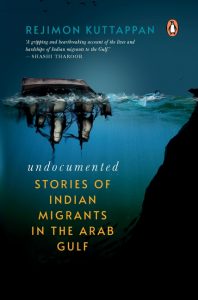
Undocumented||Rejimon Kuttappan
Our complicated and fragile global economy relies on the unacknowledged labour of a subterranean network of undocumented migrant workers. Despite them providing vital support to host economies, governments continue to turn a blind eye to these migrants’ woes without any consequences. In the absence of documents to speak for them, their human rights are systematically abused, their voices are ignored, and their existence is refuted.
In Undocumented, journalist and migrant-rights researcher Rejimon Kuttappan brings to light the lives of these oft-ignored migrants through stories of six Indians in the Arab Gulf, and through them, voices the plight of millions more. Delving into both personal and national histories to establish where we are and how we got here, the author lays bare the lives of people betrayed by their own into human trafficking, into poverty, and into exile in a land that only glimmers with promise.
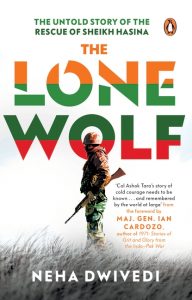
The Lone Wolf||Neha Dwivedi
The Bangladesh Liberation War was nearing its bloody end when Colonel Ashok Tara, then a twenty-nine-year-old major, was assigned the task of rescuing Bangabandhu Sheikh Mujibur Rahman’s family which was being held hostage by the Pakistani Army. Ashok Tara, unarmed, entered the lion’s den and negotiated with the hostile soldiers for the release of Bangladesh’s Father of the Nation and his family that included a young Sheikh Hasina.
The Lone Wolf is Ashok Tara’s story, charting the course of his celebrated yet quiet life as a member of the armed forces. Neha Dwivedi’s writing expertly captures our hero’s humble beginnings, his life-altering experiences, and offers a blow-by-blow account of a seminal event in Southeast Asian history. As much as it is the story of Colonel Ashok Tara’s bravery, it is also the story of a bleak-yet-victorious period of Bangladesh’s quest for freedom.
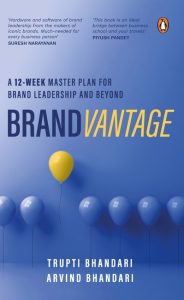
Brandvantage||Trupti Bhandari, Arvind Bhandari
Brands are everywhere. We may love them, or despise them, or even disparage them, but we can’t be indifferent to their invasive presence in our lives. Today, brand managers, fresh out of campus, are either clueless about what they are supposed to do; or are besieged with baggage from the past that handicaps them from expressing their point of view. This book aims to take all kinds of brand custodians on an enriching journey, so they can delight consumers, generate revenue for their company and positively impact their careers.
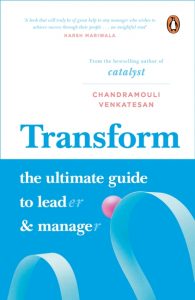
Transform||Chandramouli Venkatesan
Transform focuses on people management, which the author demonstrates is a very important pillar of success. That is because leadership and managing are the means, while the end impact is what they do to people. Insightful and practical, Transform is a comprehensive book on leadership and management that covers all important concepts while giving practical implementation techniques for each.
Searching for a job is always stressful. The majority of job seekers experience stress, nervousness, anxiety and tension during their search for a job, regardless of their work experience, their current compensation level or the industry of their choice. There will be many factors at play that are not in their control, such as a bad economy, hiring freezes, unexpected corporate mergers, buyouts, etc. However, it is in your control to learn to navigate through these factors and find your dream job.
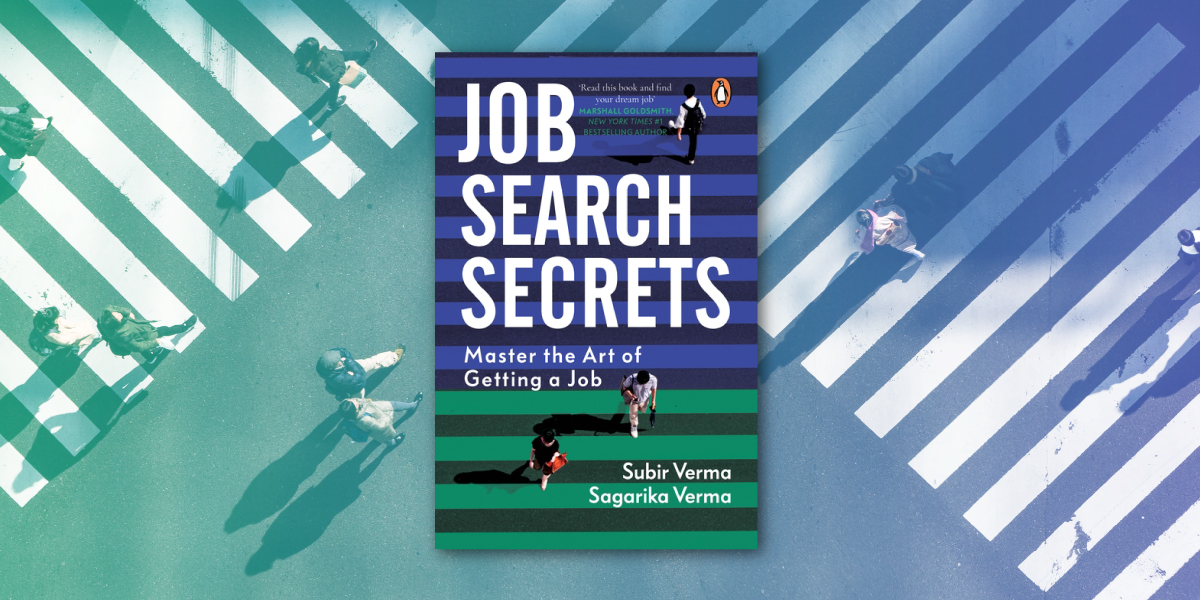
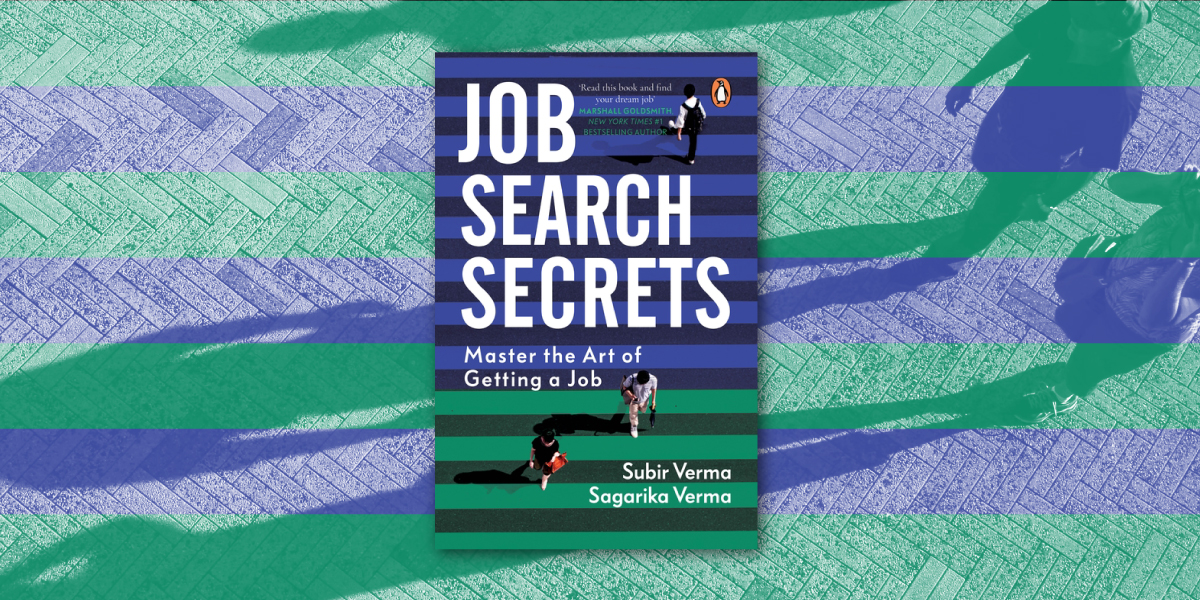
Job Search Secrets by Sagarika Verma and Subir Verma is a practical manual for finding jobs. Here are some key takeaways from their book.
*
Job Search Secrets || Sagarika Verma, Subir Verma
Take the first step and decide what you really want to do. Knowing yourself is an important factor in choosing your career. There are many career options available and knowing yourself will certainly help you choose the right career for the long run.
Here’s what the authors suggest you do.
Do not follow others, but choose a career in which you will be happy.
Do not get influenced by career choice of others. You must choose your career based on your education qualification, personal attributes, SWOT (template given below) and interest.
After you have finalised your career options, you must remember these points while selecting a job or a company.
Know about career options available to you and choose from them after careful consideration.
There are many career options available that you are not even aware of. Get to know what they are.
Most of the vacancies in companies are not publicly advertised.
There are influencers outside the company and key people within who can help you get your desired job.
Identifying influencers and building relations with them hold the key to your getting your dream job.
Now that you have narrowed down your choices, these tips on how companies recruit candidates will come in handy.
Know the hiring channels through which a company recruits people.
Focus on three of the ten channels of hiring to maximize your results.
Identify external references who can help you in finding your job.
Identify the internal people at the company where you are looking for a job.
Keep in mind the points mentioned in the chapter while shortlisting your external and internal references list.
After you’ve researched about the vacancies and recruitment processes, you must know how to best use job portals and job aggregators.
Focus more on job search aggregators than on job sites.
Edit and use the ‘Settings’ feature if you are actively searching for a job.
Treat your profile as your CV and keep it updated.
Use advanced search features.
Create job alerts.
These key takeaways from Sagarika Verma and Subir Verma’s Job Search Secrets will help you in building a strong candidature and find your dream job.
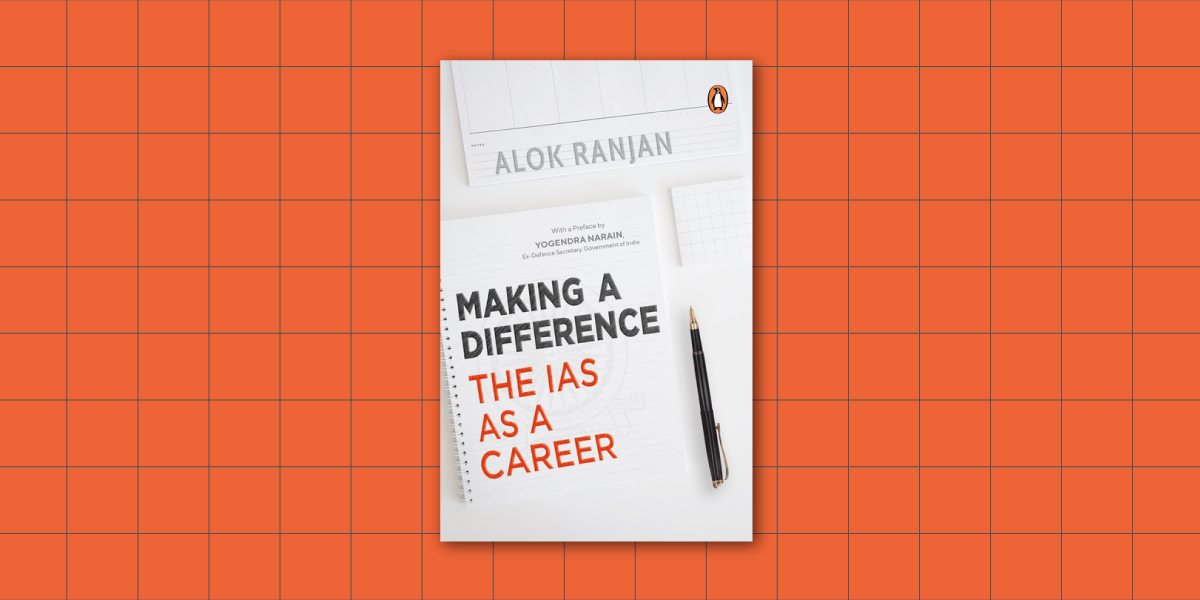
Alok Ranjan’s Making a Difference provides an insider’s unique perspective on the IAS and the role it plays in public administration and development. Here’s an excerpt from the book about how this service evolved over a period of time.
*
Making a Difference || Alok Ranjan
I often hear people talk about the Indian Civil Service (ICS) and compare the IAS unfavourably with it. It is important to understand in this context that the nature of the job, responsibility, working environment and expectations of the people from the IAS differed hugely from that of the ICS in the colonial days. It is, undoubtedly, the successor service to the ICS but it is not the same and cannot be the same.
For those who are unstinted in their praise for the ICS, it is a sobering thought to be told that this hallowed service was considered neither Indian nor Civil nor a service by the great leaders of the nationalist movement. Yet it would be interesting to trace the journey of the ICS, its origins and contribution, and then try to understand how it evolved into the IAS. It would be relevant to examine how the IAS itself is evolving and undergoing change in its character, nature, diversity and reputation.
In the eighteenth century, the East India Company gradually spread its tentacles through most of India and from a professed trading company, it became an agency of governance on behalf of Britain. Naturally, administering such a huge country needed the Army and the Civil Service. Teenaged men were recruited into the East India Company Civil Service and they spent their time in India collecting revenue for the company and maintaining law and order. In 1800, Governor-General Lord Wellesley decided that teenaged recruits would have to undergo special training in India. For this, he decided to set up the college of Fort William in Calcutta, but this proposal had not been approved by the company’s Directors in London.
The Directors did however establish a college in Hertford Castle in England in 1806 and then moved to Haileybury three years later. The selection of candidates to Haileybury was by a process of nomination by the Directors. They had to be seventeen years old and come from distinguished families. There was no question of selection based on merit; family pedigree was considered the most important attribute. People joined the civil service for adventure and with a spirit of altruism. The salaries and the pensions offered were very attractive. After nomination and before joining Haileybury, the candidates had to take some kind of a written and oral exam where they were tested in history and mathematics as well as language. The foundational course at Haileybury was for two years and the candidate studied mathematics, philosophy, literature, law, history, general economics as well as Indian languages. Sanskrit, Persian and Arabic were also taught. It is a different matter that these languages were not of much use when the civil servant landed in India. They had to administer in the vernacular languages and learn them as soon as they were posted to the field. The educational atmosphere at Haileybury was not very demanding and most candidates focused on just clearing the exams. There were lectures for about two hours everyday and a lot of free time was available to socialize and indulge themselves in drink. There was, however, the minority who studied hard and were known as ‘Steadies’, much like the ‘Keen Type Probationers (KTP)’ of our time who took the training at the Mussoorie academy very seriously. Though discipline was lax at Haileybury, a feeling of esprit de corps was very visible and close friendships were formed which lasted for a long time. Haileybury continued till 1857 when the British Government took over the governance of India from the East India Company, and introduced a system of selection into the ICS on merit, through a competitive examination.
The British Government made this change as they felt that selection by patronage would no longer meet the needs of governance and that meritorious candidates were required. Initially, the ICS drew a majority of its entrants from the Universities of Oxford and Cambridge but this soon changed. The Macaulay Committee laid out the guidelines of the selection which prescribed the maximum age limit initially as twenty-three but subsequently brought it down to twenty one. The committee designed an exam that demanded strong factual memory and a concentrated study of academic texts. The graduates had to study beyond their university syllabi to prepare for the exam and much like today, establishments like Crammer came up to prepare candidates for the exam.
There was a lot of criticism of this ‘Crammer’ system and many felt that unsuitable candidates were being selected just by preparing some questions that happened to appear in the examination paper. Still, many were of the view that the selection system provided better candidates than the earlier system that was based on patronage. This was followed by the Lord Salisbury Reforms which decided that candidates would take the exam at the school leaving age (seventeen to nineteen years) and then they would be on probation, studying in a university for two years. This system lasted from 1879–1892 but some leaders were of the opinion that candidates were being selected at too raw an age and they did not take their probation period in the university seriously. Another criticism was that it deterred Indian candidates from taking the exam.
Since the 1830s, Indians had joined the Government of India (GOI) in the capacity of Deputy Collectors, Deputy Magistrates and bore the burden of governance supervised by a handful of British ICS men. Lord Cornwallis in the eighteenth century had excluded Indians from high positions in the government. The 1853 Act opened up the service to all natural-born subjects of the crown. However, it was near impossible for Indians to compete as it was expensive and there were religious considerations which did not allow Indians to go to London to attempt the exam. Satyendra Nath Tagore was the first Indian to have been selected. In 1869, four Indians qualified, including Surendra Nath Banerjee and Romesh Chandra Dutt. The Indian National Congress in 1885 appealed for a simultaneous exam at a centre in India. In 1886, the government appointed a Public Service Commission which raised the age limit for the ICS to twenty-three years, enabling more Indians to write the exam. Even then, till 1910, only 6 percent of the ICS were Indians.
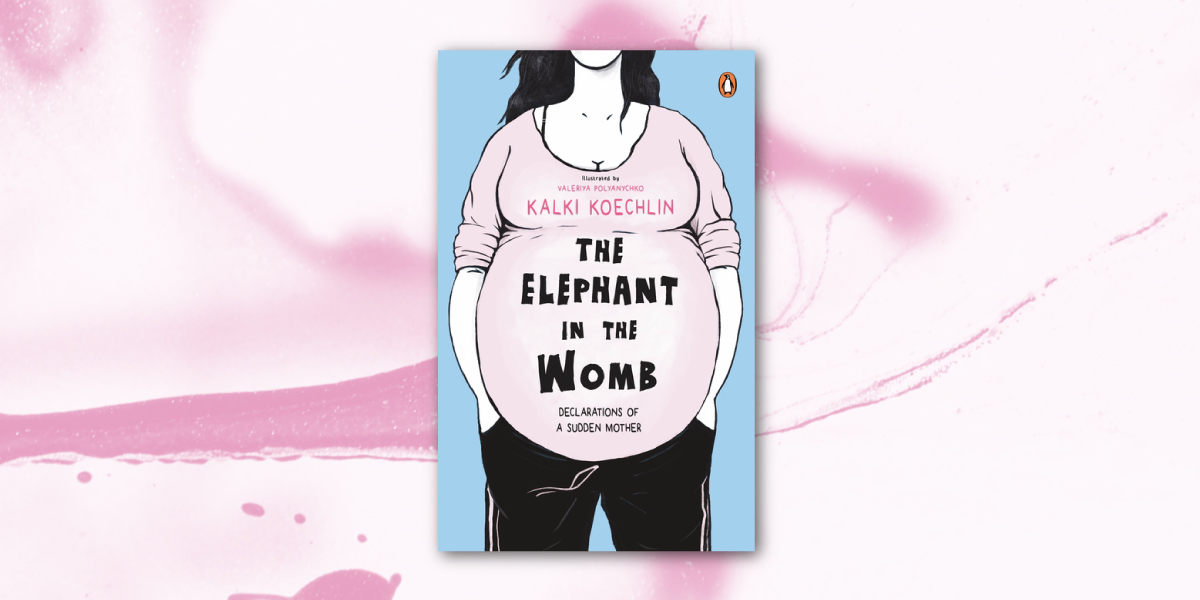
Parenthood is a challenging process, no matter who you are. Ask actress Kalki Koechlin! In her graphic narrative The Elephant in the Womb, Kalki records the physical, mental, and emotional reckonings that she and her partner had to face, before and after childbirth. While archiving these raw feelings, she manages to bust a lot of myths surrounding pregnancy. Below are some of the many myths that the author dismantles while experiencing childbirth for the first time.
The Elephant in the Womb||Kalki Koechlin
Myth 1: Miscarriages should not be talked about
Kalki starts her memoir right off the bat with a crucial point: miscarriage is not a matter of shame. It can feel tragic, can trigger grief and depression, but the guilt and shame are aggravated by treating miscarriage itself like a myth. 1 in 4 pregnancies experience a miscarriage, and most women experience this in the first trimester itself. Because most people hush it up and bring up other superstitions like the evil eye, the psychological effects of miscarriage are often felt by the mother, all by herself.
Myth 2: Pregnant women should restrict their movements
It doesn’t take long for people to change their behaviour around pregnant women, and The Elephant in the Womb describes this in fun, illustrative anecdotes. Once Kalki got pregnant, people around her began treating her like a porcelain doll, ready to break. When in fact, she wanted nothing more than to still hang out with friends and socialize! This myth is harmful especially because pregnant women need exercise in preparation for childbirth.
Myth 3: ‘Standard Procedure’ should be followed
The medical routines and processes which most expecting mothers are told are ‘standard procedure’, are sometimes myth. With the help of other mothers’ anecdotes, Kalki quickly realizes that she gets to decide how her body should be treated during her pregnancy. From discovering that anomaly scans are not mandatory to choosing both a doula as well as a gynaecologist for advice, Kalki establishes boundaries early on in her pregnancy. Most pregnant women let go of the authority of this process, often falling victim to unnecessary invasive procedures, not knowing that they are most likely to know what is best for their body.
Myth 4: Maternal instinct
Haven’t we all grown up hearing ‘mommy knows best’? Every mother has experienced being a mother for the first time, which means that making mistakes, looking out for support, having more people involved with the care of the baby is not an option but crucial for the mother’s physical and mental wellness. With postpartum depression being a real issue, it is unfair that women are expected to magically know and take care of all the affairs of the home after such a life-changing event.
The Elephant in the Womb is a unique graphic memoir that creatively expresses the hopes and anxieties of a modern mother in an ever-changing world.
Every corporate employee, or prospective employee has at some point had a traditional text resume. However, video resumes may be the little sprinkles on the cake that you need in order to spruce up your job application and get an edge over the competition. It’s not only a visually interesting, unique and innovative way of presenting your personal information and professional aspirations to recruiters, but is also a great method of showing off your personality and soft skills by using technology in the shortest possible time.
Sagarika Verma and Subir Verma explain in their book,Job Search Secrets, how video resumes are serious game changers in today’s competitive world, and they also share useful tips for making a video resume. Here’s an excerpt from the book that will help all the active job seekers.
*
Job Search Secrets || Sagarika Verma, Subir Verma
A video resume (commonly known as visumé or video CV) is a new way to present your abilities. You can also use this to force-apply, by sharing your short video resume with some recruiters and people in your networks.
Most companies are adapting to the virtual way of working. Employees’ physical presence at work is reducing day by day. Interviewing candidates over the virtual medium is a low-cost hiring method for employers. As employers are becoming more comfortable with video technologies, job seekers should use them to impress prospective employers even before any actual interview. One of the best ways to do this is by making a video resume, and we recommend early adoption of technology by you to make one for yourself.
A video resume is a 60- to 120-second long video in which you, as a job seeker, can highlight your qualifications, skills, accomplishments, experience, soft skills and other relevant key points about yourself, which will encourage companies to call you for an interview.
Today, the competition for jobs being fierce, it is very difficult for your resume to get noticed during the screening process from among thousands of applications that any company receives. Just crafting a professional three-page resume will not make you stand out from the crowd.
You have to use multiple channels to reach out and get noticed by companies so that you get an interview call.
Many recruiters today prefer these resumes to the traditional paper resume, as they are able to see and hear you. Their task of initial shortlisting becomes easier. Many job sites are adopting this trend and have incorporated changes to accept video resumes.
While video resumes can be used by every job seeker, it is particularly recommended for direct customer-facing job profiles in industries like hotel and hospitality, retail, call centres, media, public relations, event management and other customer-facing roles. A video resume is a better way to showcase your charming personality and your communication and presentation skills. This can be the easiest way for you to get an interview call from a company.
A video resume should be unique, creative and professionally made. It is easy to make and can also be created at home. You also can hire a professional to make it. If you are making a video resume for the first time, then the most important thing is to prepare and practise for it. Here are some tips:
Write a short, simple and straightforward script
Your script should be like an interesting story that anyone would like to hear. Write down your educational details, key achievements, work experience, projects and competencies that are relevant for the job in question. Keep your focus on the requirements of the job and pay more attention to the company requirements than yourself, and talk about why the company should hire you. Use simple and easy-to-understand language without any jargon. Your video must end with why you want to join the company and why the company should select you.
Ideally, the duration of your video resume should be one minute, but it can go up to two minutes.
Look natural and do not read the resume while recording
Memorize the script, look natural, and record. If you are targeting multiple roles, then record more videos, mentioning the skills and experience relevant to the different positions you are considering. Do not be afraid to talk about your passions. Be creative and different, within professional boundaries.
Watch out for light, background, voice speed and volume
Your background, and the light in the room, should be good so that the video is clear and looks professional. Speak slowly and clearly, and be audible. Speak just as you do in formal conversations. Look into the camera of the phone, and avoid excessive hand and eye movement. This will produce an impression that you are quite confident. The best camera angle for this would cover your face and chest while you are sitting in a chair. This position will also make you look calmer.
Look presentable and wear formal attire
You must be presentable and well groomed. Do not wear loud clothes for the video. Muted blue is a good colour and always turns out looking good.
How to edit your final video resume
If your video does not meet your expectation, then editing is an option. You can check the quality of your video as well as the content. If your recorded video has some fillers like ‘ok’, ‘right’, ‘ummm . . . ’, ‘ahhh . . . ’, ‘like’, you can edit them out and properly adjust the volume.
Get feedback from your friends
Share your final video resume with a few of your friends and seniors and ask for their feedback. You might have overlooked some silly errors while making the video. Getting feedback from other people is a very important step. You can make edits and changes based on their suggestions.
**
Read Job Search Secrets to gain more insights on finding the right job and how to prepare for it.
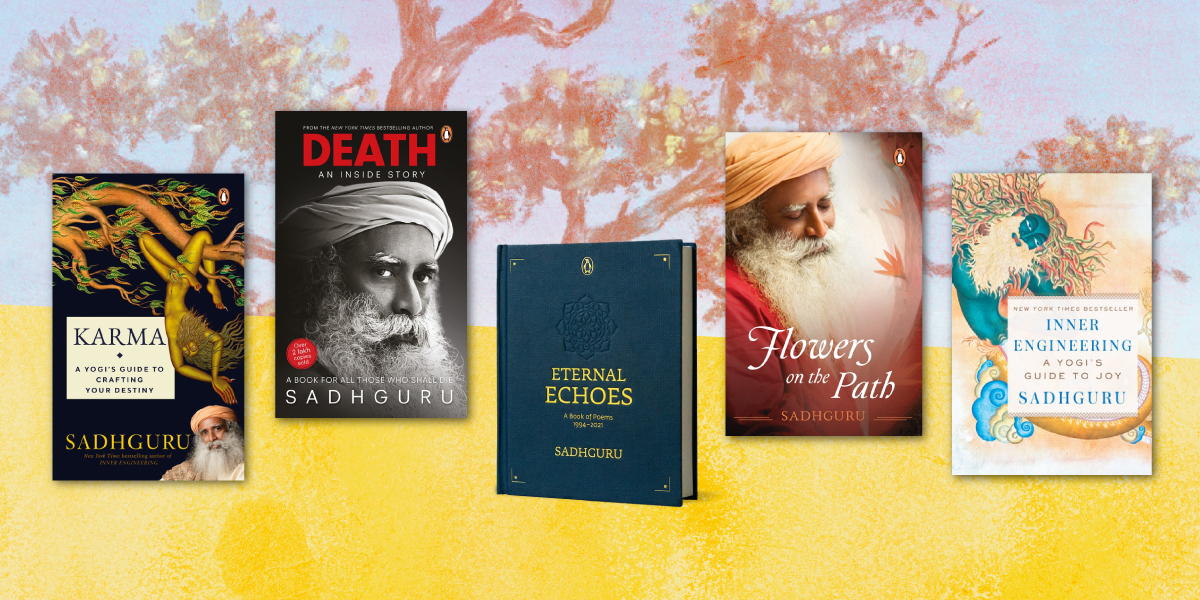
Absolute clarity of perception places Sadhguru in a unique space, not only in matters spiritual but in business, environmental and international affairs, and opens a new door on all that he touches. At the dawn of the book launch of Sadhguru’s latest release, Eternal Echoes, we bring to you some other books penned by him that will help you walk on the path lit by this ‘spiritual master with a difference’.
Inner Engineering || Sadhguru
INNER ENGINEERING: A YOGI’S GUIDE TO JOY
According to Sadhguru, the term guru means ‘the dispeller of darkness, someone who opens the door for you…’ As a guru, he says he has no doctrine to teach, no philosophy to impart, no belief to propagate. And that is because he believes the only solution for all the ills that plague humanity is self-transformation. Hence, by talking about yoga through his book, he helps one create inner situations exactly the way you want them, turning you into the architect of your own joy. A yogi lives in this expanisve state and he narrates the story of his own awakening, from a boy with an unusual affinity for nature to a young daredevil who crossed the Indian continent on his motorcycle.
Flowers on the Path || Sadhguru
FLOWERS ON THE PATH
As a flower can confound you with its brilliance and beauty, so too does each article in this book hold the possibility to confuse you out of your conclusions, and pave the way towards true knowing. Whether the subject covers social issues and worldly affairs, individual challenges, or dimensions of the beyond, Sadhguru’s ability to delve to the root and look at life in all its totality is evident. These essays will render you in profound stillness within and might even delight you with humour.
Death, An Inside Story || Sadhguru
DEATH: AN INSIDE STORY
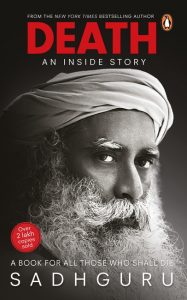
Death is a taboo in most societies in the world. But what if we have got this completely wrong? What if death was not the catastrophe it is made out to be but an essential aspect of life, rife with spiritual possibilities for transcendence? In this unique treatise-like exposition, Sadhguru dwells extensively upon his inner experience as he expounds on the more profound aspects of death that are rarely spoken about. From a practical standpoint, he elaborates on what preparations one can make for one’s death, how best we can assist someone who is dying and how we can continue to support their journey even after death.
Karma || Sadhguru
KARMA
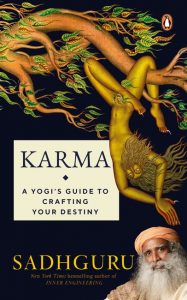
Recommended by the likes of Tom Brady and Deepak Chopra, this book deals with the often-used but loosely understood word, Karma. It elaborates on how the grossly over-simplified understanding of it as a system which ensures that one gets what one deserves, has created many complexities in our lives and taken away from us the very fundamentals of the joy of living. Through this book, not only does Sadhguru explain what Karma is and how we can use its concepts to enhance our lives, he also tells us about the Sutras, a step-by-step guide to navigating our way in this challenging world. In the process, we get a deeper, richer understanding of life and the power to craft our destinies.
Eternal Echoes || Sadhguru
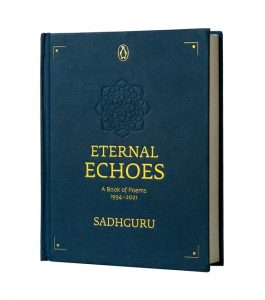
While all these books are written in prose and serve as guides to connect, live and be one with ourselves, his new book, Eternal Echoes is a book of verse full of poems Sadhguru wrote between 1994 and 2021. It has hundreds of poems, one for every day, spread out amidst themes such as life, death, time, yoga, love and devotion, nature, Shiva and more.
India is one of the youngest countries in the world, thanks to its population of over 400 million millennials. Being in such great numbers shows how this demographic makes their country a huge well of untapped potential. What is it that makes millennials the true influencers, and what is their greatest obstacle?
In this interview, author (and millennial) Vivaan Marwaha answers some key questions about how he worked on this book and the method of writing and researching about such a massive data set.
~
What Millennials Want||Vivan Marwaha
Born between 1981 and 1996, roughly numbering more than 440 million, Indian millennials are without any doubt the largest millennial cohort on the planet.
But how much do we know about this generation? India’s youth is India’s future, but in order to build a prosperous future, we need to comprehensively understand the economic aspirations, social views, and political attitudes of the young Indians who will take the country forward.
Like every other generation in India, millennials are incredibly diverse: with not just significant economic division, but also important linguistic, regional, caste, gender and religious differences, which make the generation difficult to understand as a cohesive group.
Yet millennials have the potential to be India’s most significant generation. If you’re not convinced about why they could become the country’s most important—and potentially most disruptive—generation, consider some of these numbers.
India’s median age, according to a 2021 estimate by the CIA World Factbook, is twenty-eight years. This means that half of its population is under the age of twenty-eight. By contrast, the median age in the world’s top three economies— namely, the United States, China, and Japan—is thirty-eight, thirty-seven and forty-seven years respectively. Among the top ten economies in the world, India has the youngest population followed distantly by Brazil, which has a median age of thirty-two years. By 2021, two-thirds of India’s population will be within the working age of twenty to thirty-five years.
These young Indians will be the world’s largest labour force and market for goods and services. This is what is referred to as India’s ‘demographic dividend’. This term was popularized by academics, journalists, and businesspersons keen on investing in India in the early 2000s, who saw the country’s youth as an asset in the longer-run, particularly when compared to China, a country whose one-child policy was viewed as a demographic crisis in the making. It was believed that with the right education and investment in human capital, a growing middle class and an increase in foreign investment in the economy, India would not only enjoy high single-digit and even double-digit GDP growth, but its millennials and working-age population would power the country to transform itself like many east Asian success stories.
India’s millennials can only become a global power if they have cash in their wallets and stable jobs.
But there’s scant attention paid to millennials as a unique generation. Instead of viewing them as independent islands of young Indians based on their caste, class, or religion, in my book, I shine light on what brings them together—their common aspirations, anxieties, and experiences. When new policies and cultural issues are debated in India, lawmakers, news reporters and commentators all too often neglect to consider the impact these developments have on the millions of young Indians currently getting their education or joining the economy. The quality of their education; their opinions on hot-button cultural issues; their political beliefs; and whether they find employment will be crucial to India’s future in the economic and political order of the 21st Century. As the country seeks to become a global leader, members of its most populous generation will soon become its most powerful, and it is hard to overstate the importance of understanding the attitudes, behaviours, and views of India’s millennials. What Millennials Want is a book which combines data and anecdotes to narrate an intimate biography of this dynamic and important generation.
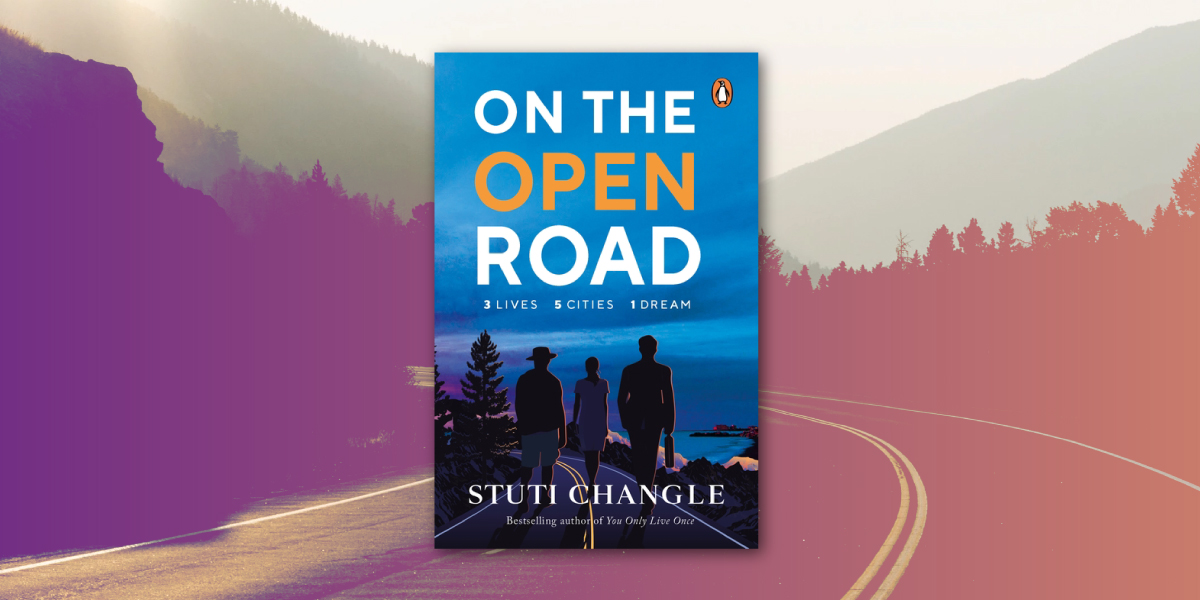
In Stuti Changle’s On the Open Road, you’ll find Myra, Kabir and Sandy standing on the cusp of making life-changing decisions. The road to their dreams may not be easy, but their spirits remain high.
Here’s an extract to give you a glimpse of Kabir’s life and his desire to make a name for himself and achieve his dreams.
*
On the Open Road || Stuti Changle
The moment my flight lands, I think of Sandy and how I want to meet him. I pick up my Steve Jobs book and a black leather handbag in haste. I comfortably make my way through the aisle. That’s the advantage of travelling business class. Unlike the economy passengers, you don’t have to wait for the queue to move before you can deboard the plane. I am back in India, exhausted and burnt out from another business trip.
‘Nice shoes, sir,’ the stewardess compliments me as I reach the exit. Her name card reads Susan. She has been acting strange throughout the flight.
‘Thanks.’
She hands me a folded recycled tissue paper. I don’t know what to do with that.
‘Is something sticking to my face?’ I quip like a fifth grader.
She laughs out loud.
A little embarrassed, I walk off. I unfold the tissue paper and read it closely. A mobile number is written on it in pink ink. I flip through the pages of the book and place it randomly between them. I am not part of the mile high club yet. But I can’t keep Sandy waiting any longer! God has been merciful to me in some ways. My body is the biggest gift to me. I can turn heads and make things happen with a meek smile.
Just like in a flight, there are three types of people in the world.
The aisle-seat passengers are too content to try anything new. The middle-seat passengers are in a constant struggle with the self as they want to break free, but something holds them back. The window-seat passengers take risks and follow their hearts as all that keeps them moving is the view of the infinite.
I certainly belong to the middle-seat category.
My life is seemingly perfect but I want to know what imperfections feel like. What it feels like to give your everything to something and appreciate its outcome one day. I am proud of my lineage, but I always think about what life would be like if I built something on my own.
Life goes on in an endless loop. If it is a weekend, you’ve got to booze. If it is a weekday, you’ve got to watch downloaded TV shows from Pirate Bay. Even if there are thousands on your checklist, there are still a hundred more on the wish list. The hangover of the TV shows stays longer than that of the booze though. For a week you’re Harvey, the next Walter, then Tyrion. When you’re stressed out, you try to act cool like Chandler.
But I wish to be like Sandy. He is the one in the window seat. He dropped out of engineering college and developed a series of unconventional apps. He works on his dream, day and night, like a ninja with coding superpowers.
He tells me you might not have a penny in your pocket, you might sleep on a hungry stomach, your uncle might not support you, the world surely won’t, but don’t let the spark in you die. When you look into the mirror, you should know that you’re born to reach for the stars.
**
Read On the Open Road to find out if Myra, Kabir and Sandy succumb to the obstacles or achiev their dreams.
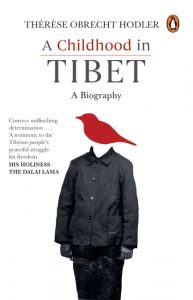
Tendöl Namling turned 60 in March 2019. She was born at the time when the Dalai Lama fled from Lhasa and the uprising of his people by the Chinese People’s Army was brutally suppressed. She has lived for 22 years under Chinese rule. As the daughter of a high government official, she underwent the ordeal of ‘re-education’ with full force. All she has kept from these years are painful memories and some crumpled photographs. Thanks to the efforts of her family in exile, Tendöl was able to leave Tibet in 1982. After twenty years of hardship, she landed in prosperous Switzerland. It felt as if she had to start her life all over again.
Here’s an excerpt from A Childhood in Tibet that depicts the oppressive ways of the Chinese regime and how it wreaked havoc in common people’s lives.
*
Tendöl takes her mother’s arrest warrant out of an envelope and bursts into tears. Fifty years later, the traumatic event stirs her up as if it had happened the previous day. ‘My brother Tenor was already in prison then. My mother and I were back from the camp in the east, and the road was finished. We lived in my aunt’s house in Lhasa. It was already dark that December evening when my amala came home. There was a red note on the door. She had no idea why. A little later she looked out of the window and saw a car turning into our narrow alley. She wondered what that might mean. I was sitting on the balcony listening to a Tibetan propaganda broadcast on Chinese radio. We had to listen to such broadcasts every day. Older people often found this so unbearable that they usually put blankets over the radios.‘Suddenly I saw many flashlights illuminating our front door. Chinese military police had come to pick up my mother. One of them read the warrant in a loud voice. It said that my mother was an “active counter-revolutionary” guilty of sabotage. They handcuffed her and searched the entire apartment. But the Chinese had already looted it before. All objects of any value had long since disappeared. My aunt and her daughter, Lochoe, who lived in the lower apartment, were locked up in the kitchen. I begged my amala: “Take me with you! Don’t leave me behind!” Children are not allowed to accompany their arrested parents, shouted a Chinese. I cried, squeezed my way under the barrier to my mother and pulled the chain she was tethered to. My mother called out to me: “Please stop. The prongs are cutting into my skin.” The Chinese policemen, accompanied by a Tibetan collaborator, pushed me aside. They locked the apartment, took my amala with them and drove away.’The next day, Tendöl and her cousin Lochoe went in search of her mother. They took some tea, boiled vegetables and a blanket with them. The girls knew more or less where the prisons were, even if they weren’t marked. First, they went to Drapchi prison and asked the guards at the entrance if new prisoners had been admitted but there was no trace of Tendöl’s mother. The girls continued their search but could not find her.
On their way home, they passed Gutsa prison. There the guards confirmed that Choekyi had indeed been admitted the day before. They asked the guards to at least give the prisoner the food and blanket they had brought with them.A few days later, Tendöl happened to see her mother being dragged into an office in Lhasa by uniformed officials. She had no way of following her or finding out what had happened to her. It took her several months to be able to visit her amala in prison for the first time. But she was not allowed to talk to her because her mother had not yet been convicted. Once a month, relatives were allowed to take food to the prisoners. Her aunt gave Tendöl a bowl of barley soup for her mother. The little girl was so hungry that she drank some soup on her way to the prison. But on that day she was refused entry. She should come back in a month, they told her. Disappointed and sad, Tendöl made her way home and was afraid that her aunt would notice that she had furtively eaten a few spoons of soup because she was so hungry.
*
In Tendöl’s words, ‘this little book is dedicated to all the Tibetans who continue to rebel against the Chinese occupation’.