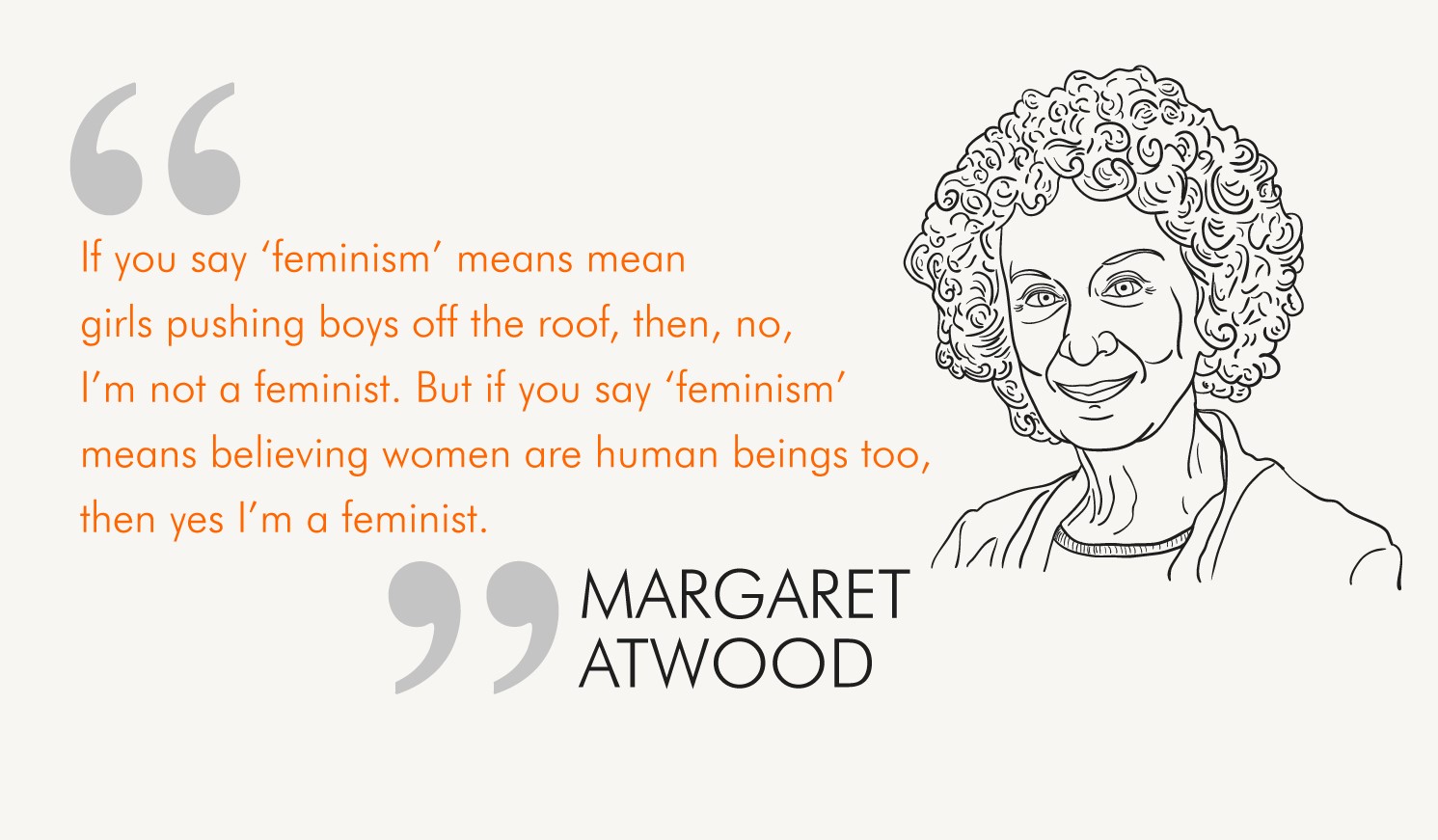
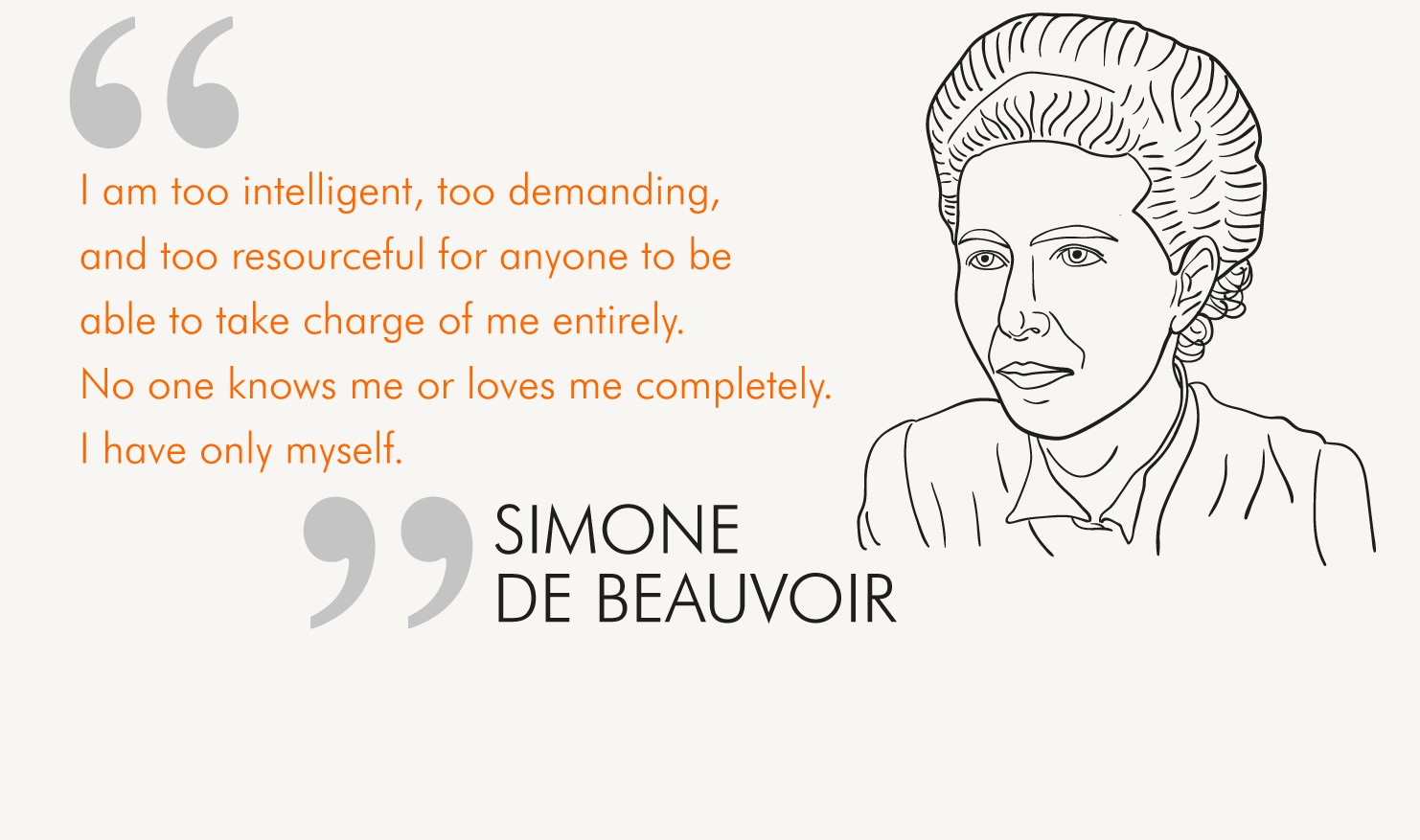
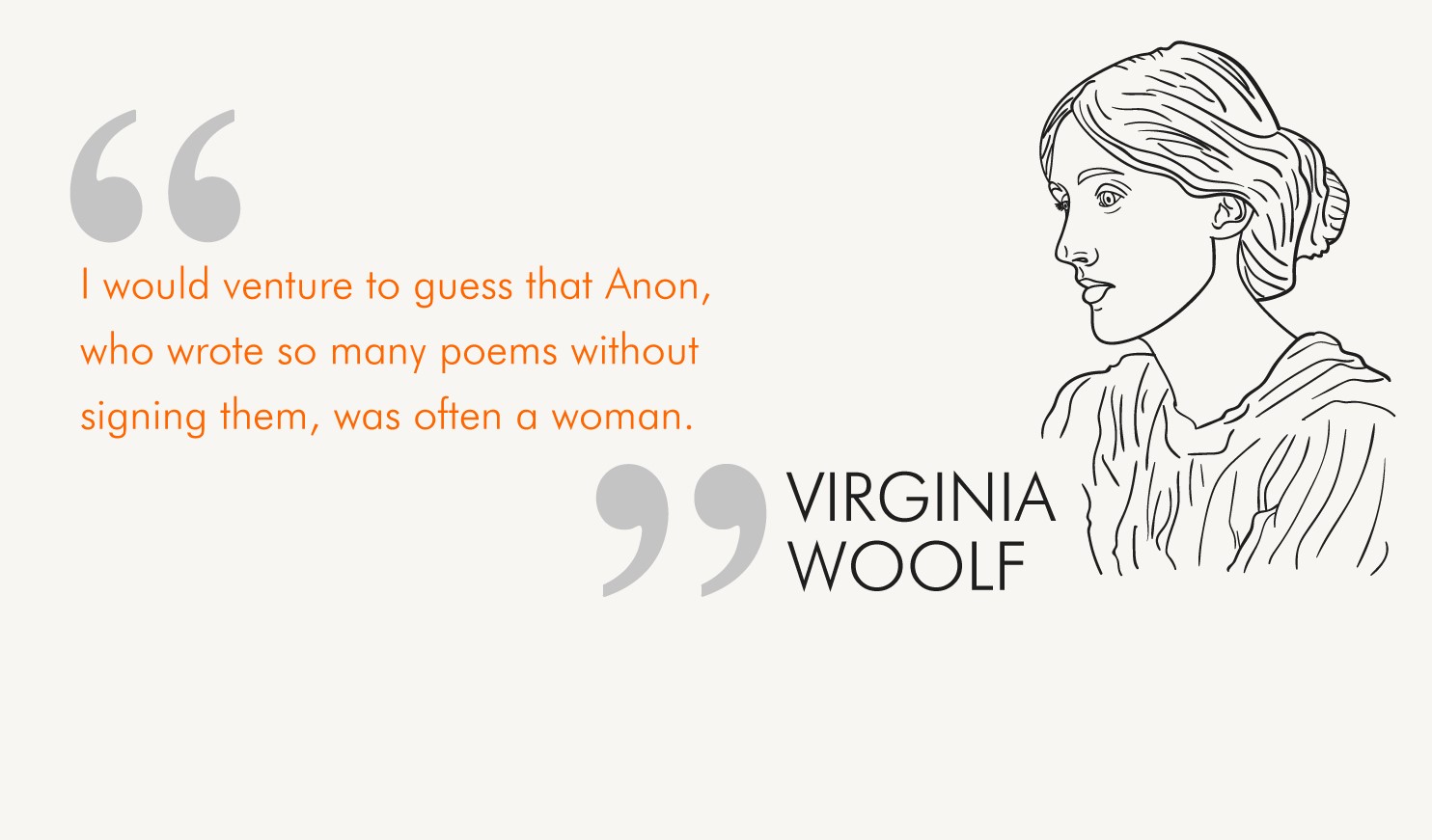
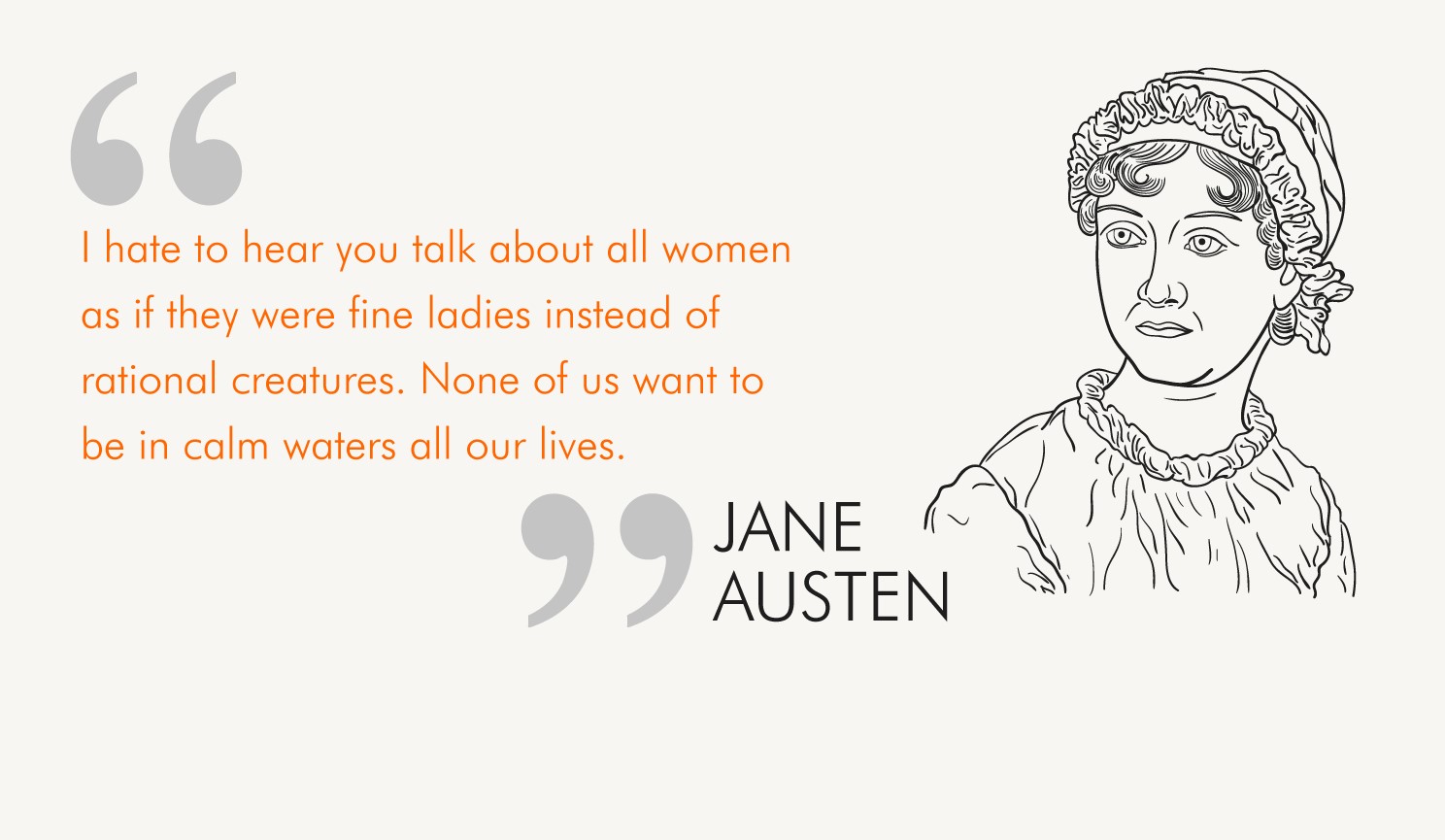
What is Feminism? Feminism is often misinterpreted to state that it propagates female chauvinism. But the original thought behind feminism is equality for women in the domains of economic, personal, social, and political rights.
Here are five iconic quotes about feminism by women authors to set the record straight on feminism.
Do the vagaries of your day-to-day life leave you feeling jaded? Has your work swallowed up all your personal time, making you feel burnt-out? Do you have a constant nagging sensation of dissatisfaction with everything around you?
Modern life, even with all its fruits and benefits, has done great disservice to our mental health. Despite the many technological, medical and socio-cultural advancements at its disposal, the present generation finds itself increasingly haunted by feelings of despair, malaise and a lingering sadness. What then, one might ask, is the solution? The answer is Susegad!
What is Susegad?
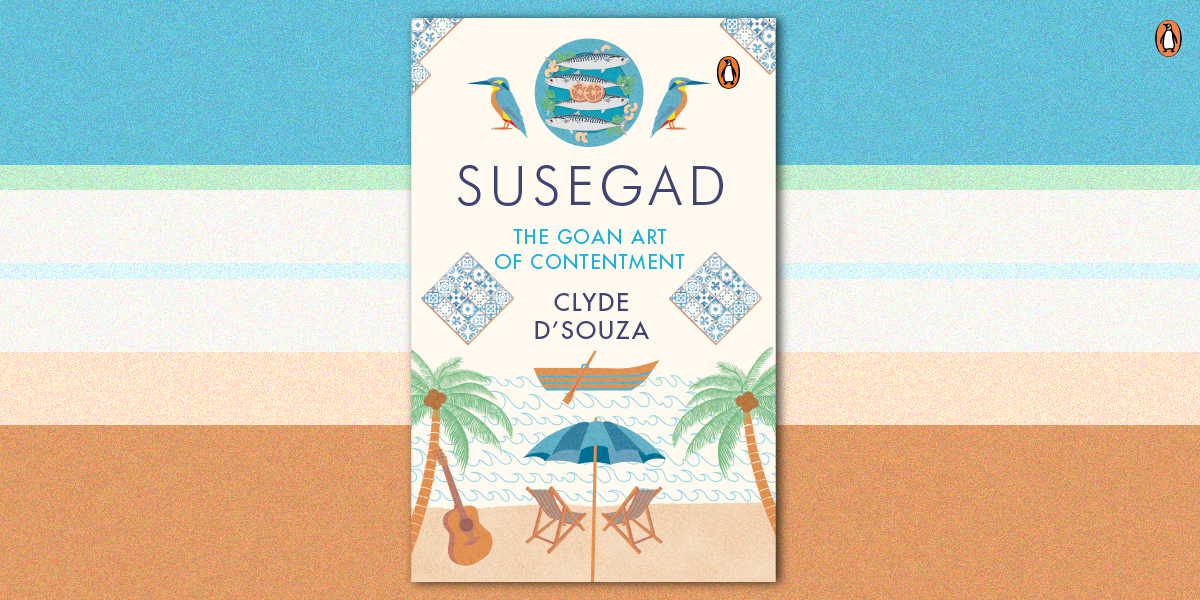
Susegad comes from the Portuguese word ‘sossagado’. If you were to imagine the emotion the word is supposed to invoke, it’s that of the feeling you get when you’re completely relaxed, in a blissful place where you wish you could stay forever. The Goan susegad is not a pursuit of but a state of happiness. The Goan way of life is all about taking a step back, slowing down and living in the present, an age old formula that’s regaining popularity amidst the tired cries of this generation.
The magical potions that make up Susegad
There are three ingredients that are integral to the concept of Susegad and how it unfolds for the denizens of Goa.
Climate
The weather in Goa is mostly sunny and often humid. Summers are balmy. Goa’s geographical location gives it the distinct advantage of a warm sea breeze that blows across changing seasons. The environment rules the moods and feelings of Goans, who have learnt to with sea breeze on one side and a tropical forest on the other.
Culture
Goa presents a delicious cultural blend of Indian Hindu and Portuguese Catholic cultures, an aspect that has filtered down to the way people approach situations, challenges and day-to-day life in the state. The language is a lilting mix of Konkani and Portuguese, wherein phrases are made up of both languages. Goan cuisine too is a melting pot of native styles mixed with Portuguese and other colonial influences. Goa learnt that, to find peace, it is necessary to embrace differences. The susegad spirit also arises from this intercontinental cultural marriage.
Habits
Habits have a way of compounding over time. Goans have made susegad habits a part of their everyday life. It’s an automatic system, from the little things like buying poee (bread) in the morning to taking a siesta in the afternoon. Habits that contribute to a susegad frame of mind arise from a combination of culture and climate. Goans have respect for the environment and recognize the role that it plays in their happiness, satisfaction and lifestyle.
It is important to note here that these habits are so integral to the lifestyle of Goans that it doesn’t feel like a chore for them. Instead, it is a way of life; rituals they’ve integrated so deeply into their lives that they hardly notice them.
Susegad || Clyde D’Souza
The three Ms that make Susegad what it is
There are three Ms that explain the concept of Susegad and the feelings it engenders
Meditative – A meditative state of mind is central to the idea of susegad. It does not necessarily translate into closing of eyes and breathing but performing each activity, no matter big or small, with intense focus.
Mindful – This would mean to acknowledge the situation, be it the weather or storms in your life. It’s important to be present in the situation and accept it, rather than dwell on things that may be or could be. The Goan way is to be accepting of wherever you are in life.
Moment – Living in the moment is an art that Goans have mastered. They have learned to do this in how they eat, or what they do as per the season. In fact, if you ask a Goan, ‘Koso hai? [How’s life?]’, they’ll answer, ‘’ You ask them, ‘Family kehay? [How’s family?]’ and the reply will be, ‘Susegad.’
It isn’t always easy to be a woman. As our little girls grow up, we’d love to have them mentored by some of the strong women, with strong voices who aren’t always brought to the limelight. There is so much the women before us have done to bring us where we are – and it’s important we teach our girls – and boys – that women are as strong as men….if not stronger.
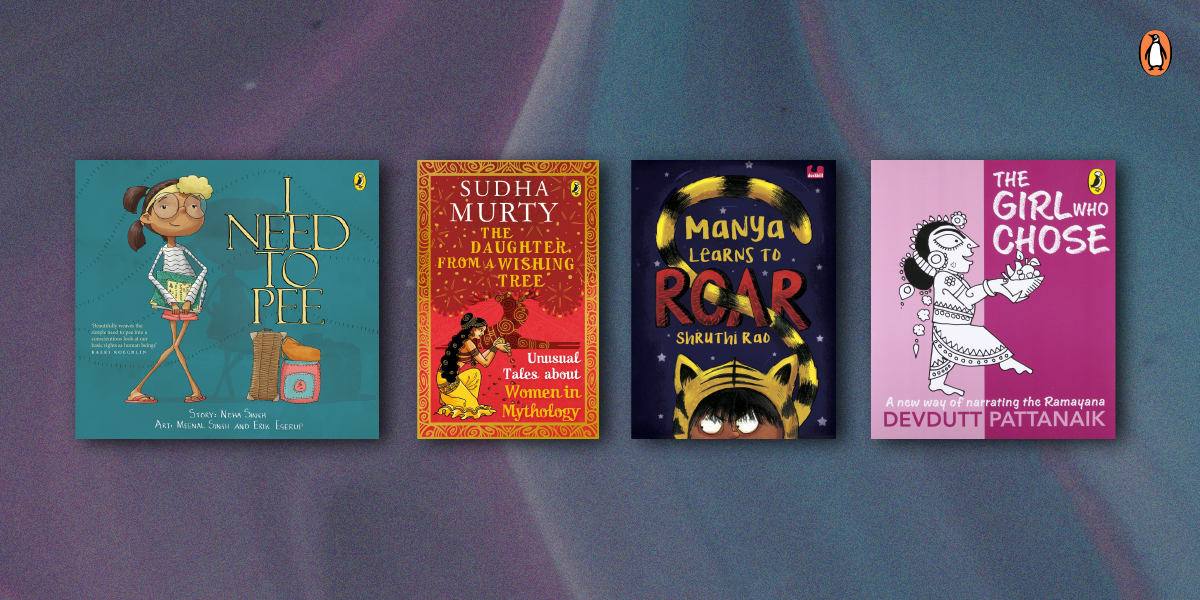
Here is a list of books for children to celebrate women, this Women’s Day
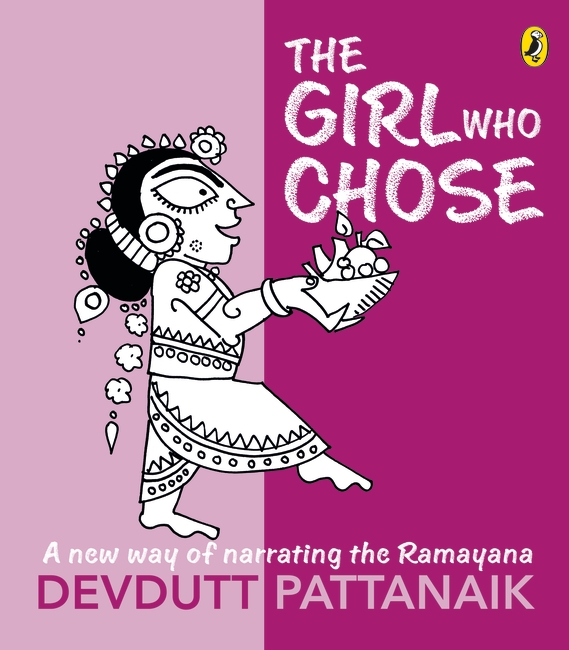
The Girl Who Chose by Devdutt Pattnaik
‘You are bound by rules, but not I. I am free to choose.’
Two thousand years ago, the poet-sage Valmiki wrote the Ramayana. It is the tale of Ram, the sun-prince of Ayodhya, who is obliged to follow family rules and so makes no choices.
India’s favourite mythologist brings you this charmingly illustrated retelling of the Ramayana that is sure to empower and entertain a new generation readers.
The Daughter from a Wishing Tree by Sudha Murty
The women in Indian mythology might be fewer in number, but their stories of strength and mystery in the pages of ancient texts and epics are many. They slayed demons and protected their devotees fiercely. From Parvati to Ashokasundari and from Bhamati to Mandodari, this collection features enchanting and fearless women who frequently led wars on behalf of the gods, were the backbone of their families and makers of their own destinies.
I Need to Pee by Neha Singh
Rahi simply loves slurping refreshing drinks, and so she always needs to pee. But boy, does she hate public loos! Travel with the cheeky Rahi and read all about her yucky, icky, sticky adventures in this quirky and vibrant book about the ever-relevant worry of having a safe and clean toilet experience.
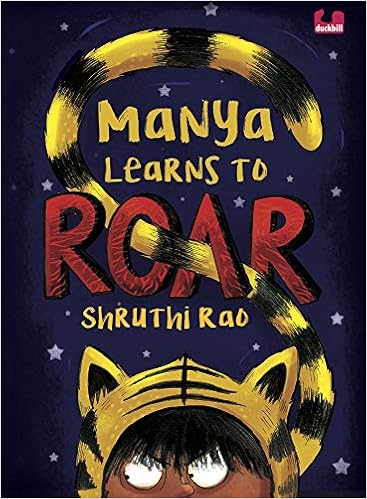
Manya Learns To Roar by Shruthi Rao
Manya badly, badly wants to be Shere Khan in her school play. The Jungle Book is her favourite film and she knows all the lines. She’s sure she’ll be a superb Shere Khan.
But not everyone thinks so. Her classmate Rajat is always making fun of her stammer. Her English teacher thinks its risky to let her get on stage and her principal seems to agree.
The more anxious Manya gets, the worse her stammer becomes. Will Manya lose her dream role? Can she overcome her fears and learn to roar?
What do the strong women we know, go through to become who they are? What goes on behind the scenes – and what makes a woman strong?
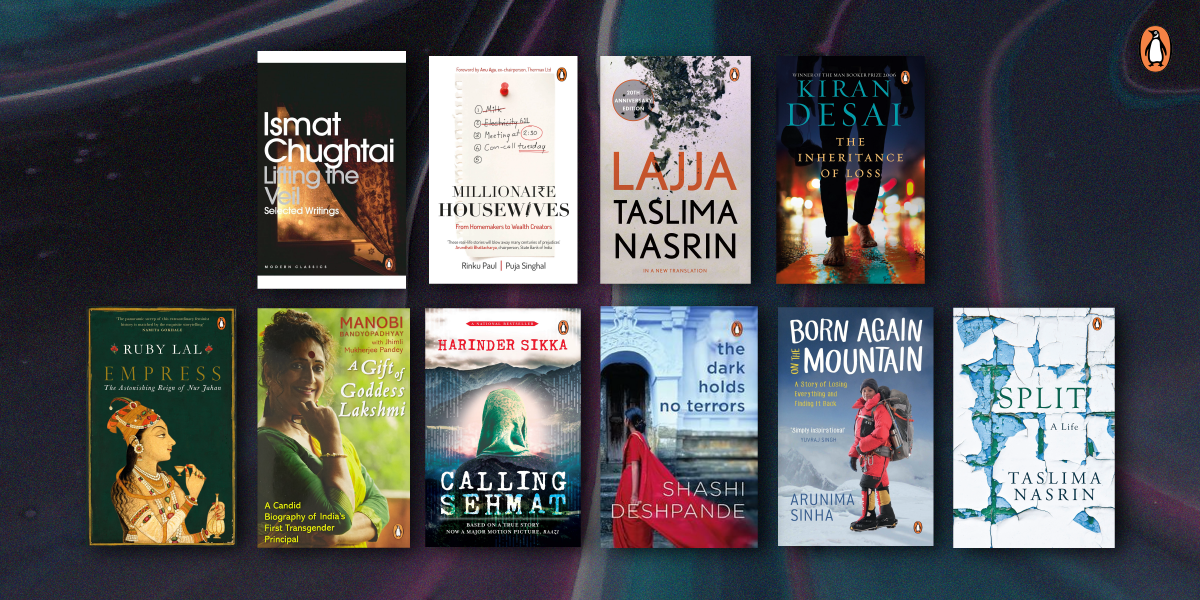
Many of them have fought to bring the world where it is today. And we must continue to be inspired by them so we can continue their paths and legacy’s. Here is a list of books of strong women with strong voices, to inspire you, this Women’s Day
Lajja by Taslima Nasrin
A savage indictment of religious extremism and man’s inhumanity to man, Lajja was banned in Bangladesh but became a bestseller in the rest of the world. This brand-new translation marks the twentieth anniversary of this controversial novel. The Dattas Sudhamoy and Kironmoyee and their children, Suronjon and Maya have lived in Bangladesh all their lives. Despite being members of a small Hindu community that is terrorized at every opportunity by Muslim fundamentalists, they refuse to leave their country, unlike most of their friends and relatives.
*
Split by Taslima Nasrin
Taslima Nasrin is known for her powerful writing on women’s rights and uncompromising criticism of religious fundamentalism. This defiance on her part had led to the ban on the Bengali original of this book by the Left Front in West Bengal as well as the Government of Bangladesh in 2003. While the West Bengal government lifted the injunction after the ban was struck down by the Calcutta High Court in 2005, Nasrin was eventually driven out of Kolkata and forced to expunge passages from the book, besides facing a four-million-dollar defamation lawsuit. Bold and evocative, Split: A Life opens a window to the experiences and works of one of the bravest writers of our times.
*
The Dark Holds No Terrors by Shashi Deshpande
‘Why are you still alive-why didn’t you die?’
Years on, Sarita still remembers her mother’s bitter words uttered when as a little girl she was unable to save her younger brother from drowning. Now, her mother is dead and Sarita returns to the family home, ostensibly to take care of her father, but in reality to escape the nightmarish brutality her husband inflicts on her every night. In the quiet of her old father’s company Sarita reflects on the events of her life: her stultifying small town childhood, her domineering mother, her marriage to the charismatic young poet Mahohar.
*
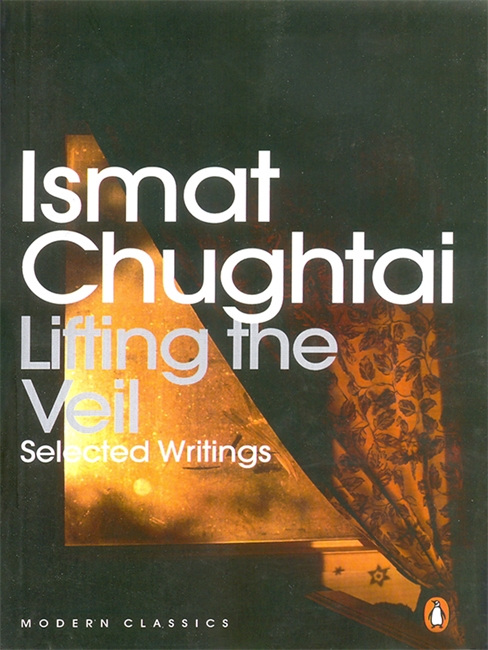
Lifting the Veil by Ismat Chughtai
At a time when writing by and about women was rare and tentative, Chughtai explored female sexuality with unparalleled frankness and examined the political and social mores of her time. She wrote about the world that she knew, bringing the idiom of the middle class to Urdu prose, and totally transformed the complexion of Urdu fiction. Lifting the Veil brings together Ismat Chughtai’s fiction and non-fiction writing. The twenty-one pieces in this selection are Chughtai at her best, marked by her brilliant turn of phrase, scintillating dialogue and wry humor, her characteristic irreverence, wit and eye for detail.
*
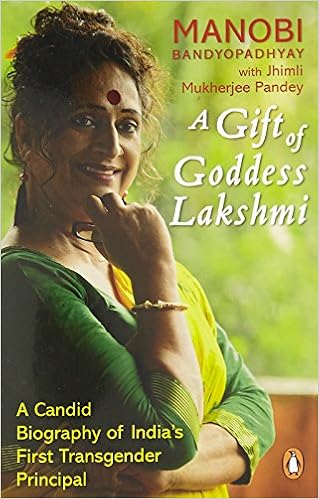
A Gift of Goddess Lakshmi by Manobi Bandopadhyay
The extraordinary and courageous journey of a transgender to define her identity and set new standards of achievement.
With unflinching honesty and deep understanding, Manobi tells the moving story of her transformation from a man to a woman; about how she continued to pursue her academics despite the severe upheavals and went on to become the first transgender principal of a girls’ college. And in doing so, she did not just define her own identity, but also inspired her entire community.
*
Empress by Ruby Lal
Acclaimed historian Ruby Lal uncovers the rich life and world of Nur Jahan, rescuing this dazzling figure from patriarchal and orientalist cliches of romance and intrigue, while giving a new insight into the lives of the women and the girls during the Mughal Empire, even where scholars claim there are no sources. Nur’s confident assertion of authority and talent is revelatory. In Empress, she finally receives her due in a deeply researched and evocative biography that awakens us to a fascinating history.
*
The Inheritance of Loss by Kiran Desai
In a crumbling, isolated house at the foot of Mount Kanchenjunga in the Himalayas lives an embittered judge who wants only to retire in peace, when his orphaned granddaughter, Sai, arrives on his doorstep. The judge’s cook watches over her distractedly, for his thoughts are often on his son, Biju, who is hopscotching from one gritty New York restaurant to another. Kiran Desai’s brilliant novel, published to huge acclaim, is a story of joy and despair. Her characters face numerous choices that majestically illuminate the consequences of colonialism as it collides with the modern world.
*
Calling Sehmat by Harinder Sikka
When a young college-going Kashmiri girl, Sehmat, gets to know her dying father’s last wish, she can do little but surrender to his passion and patriotism and follow the path he has so painstakingly laid out. It is the beginning of her transformation from an ordinary girl into a deadly spy.
She’s then married off to the son of a well-connected Pakistani general, and her mission is to regularly pass information to the Indian intelligence. Something she does with extreme courage and bravado, till she stumbles on information that could destroy the naval might of her beloved country.
*
Born Again on the mountain
National-level volleyball player Arunima Sinha had a promising future ahead of her. Then one day she was shoved from a moving train by thieves as she attempted to fight them off. The horrific accident cost the twenty-four-year-old her left leg, but it never deterred her. A year later, she had retrained as a mountaineer and become the first female amputee to reach Mount Everest. This is her unforgettable story of hope, courage and resilience.
*
Millionaire Housewives by Rinku Paul | Puja Singhal
Millionaire Housewives tells the stories of twelve enterprising homemakers who, in spite of having no prior experience in business, managed to build successful empires through the single-minded pursuit of their goal, defying all stereotypes. Amidst their varied motivations and struggles, Millionaire Housewives offers valuable lessons for homemakers who want to venture into entrepreneurship.
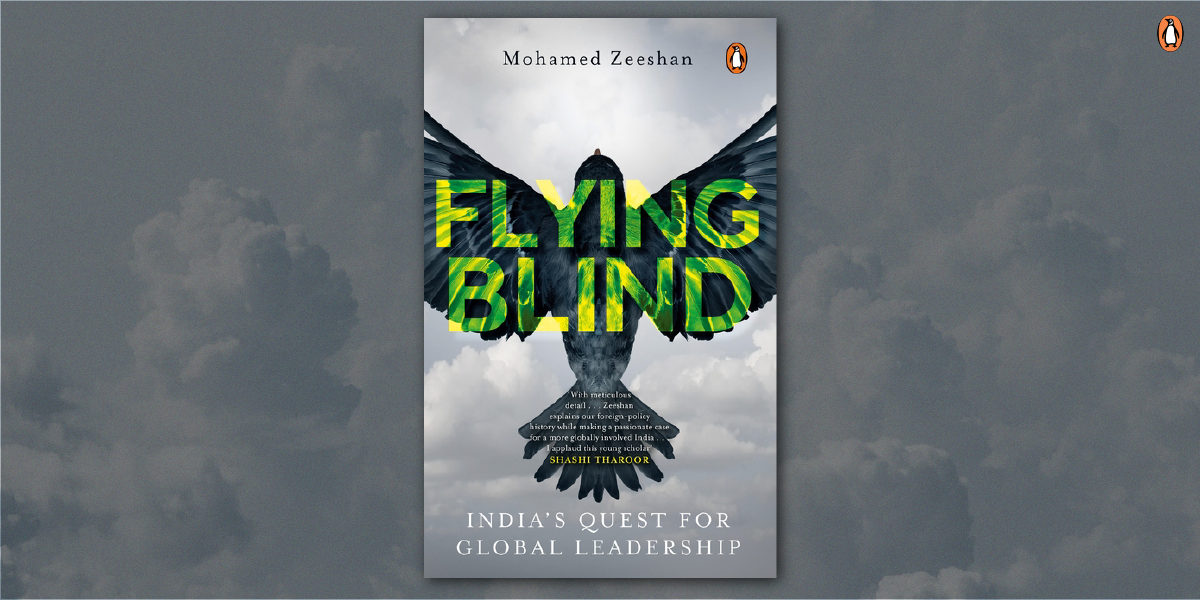
Is India in a position to focus on its foreign policy, or does it have more pressing domestic matters at hand? In this excerpt from his book Flying Blind, Mohamed Zeeshan takes a look at the relationship between India and South Asia.
~
Welcome to the world’s most fearsome neighbourhood. It hosts two nuclear-armed residents, has seen civil wars in at least three countries, and houses the world’s oldest, earliest and longest- running United Nations military observer mission. There is a third nuclear power just outside the door, and one of those civil wars ran for as long as three decades. All this is while discounting other nearby countries (hint: Afghanistan) which have been ravaged by multilateral fighting and terrorism for decades.
South Asian countries rarely contain problems within their own borders. Over the years, the region has witnessed cross-border military action on numerous occasions on multiple fronts—from Afghanistan in the north-west to Sri Lanka in the south-east. Domestic troubles often have region-wide implications—and civil wars in one country have killed prime ministers in another. Domestic political interests in provinces of India have often compromised deals and agreements with neighbours. In 2011, India and Bangladesh tried to sign a water-sharing agreement, in a bid to put an end to the long-running dispute over the Teesta River that flows across the two countries. The deal was quickly thwarted by opposition from the state of West Bengal.
Flying Blind||Mohamed Zeeshan
Such difficulties have led South Asia to become the least integrated region in the world. In his 1914 poem titled ‘Mending Wall’, Robert Frost wrote, ‘Good fences make good neighbours.’ South Asia took him seriously. South Asia is one of the world’s fastest-growing regional economies, but that is not because of ties among its members: Trade between South Asian countries is a negligible 5 per cent of the total trade conducted by all South Asian countries (it was 3 per cent in 1990)—and represents just 2 per cent of South Asian GDP. Compare all this with the Association of South East Asian Nations (ASEAN) in South East Asia: Trade within that region is a healthy 25 per cent of all trade by ASEAN countries—and represents more than 20 per cent of ASEAN GDP. With nearly all intra-ASEAN tariffs eliminated, trade grew from $68.7 billion in 1995 to $257 billion in 2017, according to the Asian Development Bank.
But this sort of heavy fencing makes South Asia a problem for India; indeed, it is so critical a problem that New Delhi’s plans for global leadership will fall flat if India does not win support in South Asia. Consider this the veto vote over Indian leadership. No global power ever rises if it is constantly putting out fires in its neighbourhood. And the bad news is that it is much easier for India to take action and gain influence as far as Nicaragua or New Zealand than it is to win over its neighbours.
In recent years, South Asia has increasingly become a distraction for India while it seeks to spread its reach further afield in the world. For little gain to anybody in the region, New Delhi’s resources of strategic thinking have been drained disproportionately by intractable challenges in the neighbourhood. With every country, there is a headline dispute to which everything else is often held hostage: In Sri Lanka, it is the rights of the Tamil minority and Indian Tamil fishermen; in Nepal, it is the rights of the Madhesi tribes which populate the Terai plains; in Bangladesh and Pakistan, it is the partitions and their many associated headaches. In all countries, there is of course the big white elephant: Chinese interference to counter-balance Indian hegemony.
Indian diplomats are often frustrated that South Asia is not well-integrated. All large neighbours are always treated as threats by default anywhere in the world. But economic interests often help boost at least economic integration. This is what China has managed to do in East Asia and South East Asia, despite long- running animosity in those regions towards Beijing and even explosive ongoing disputes. The Philippines, for instance, welcomes in Chinese investment on its railroads and highways, even as it locks horns with Beijing in an international tribunal over the South China Sea. Yet, in South Asia, even economic ties are scorned at suspiciously.
~
Flying Blind is an essential read for anyone hoping to understand the multi-layered complexities of India, its relationship with the subcontinent, and its foreign policy.
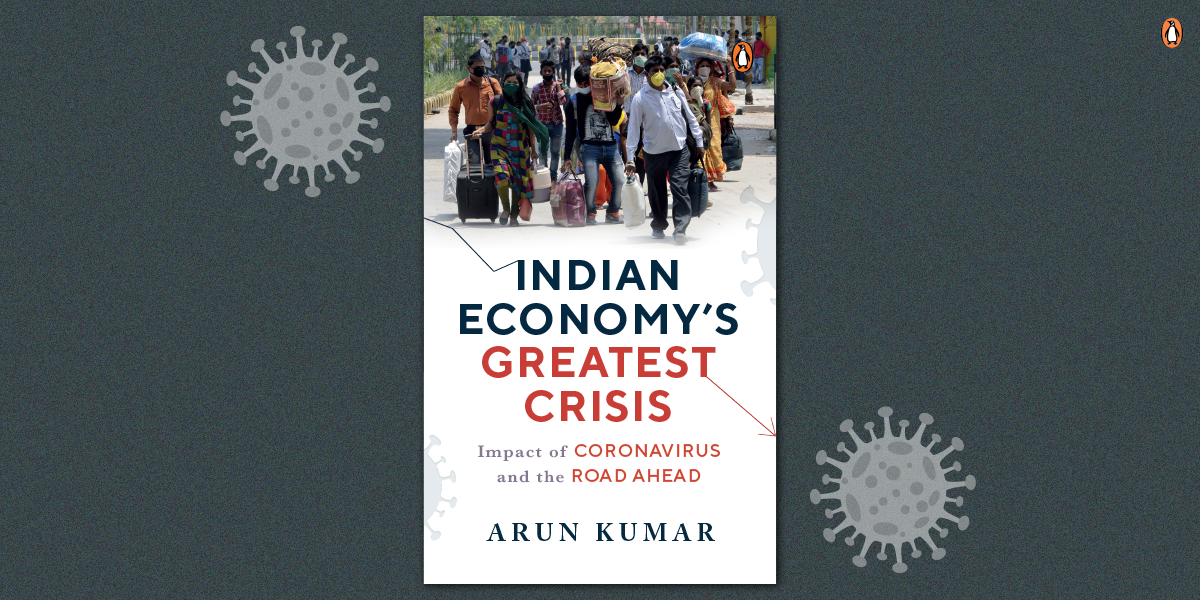
COVID-19 has impacted individual lives and collective communities, making it more urgent than ever to rethink the way our economy runs and the aspects it chooses to focus on. The macroeconomic aspects set the stage for microeconomics, since the latter can be geared according to the former. But macroeconomics can be counter-intuitive and needs to be understood before the other aspects of the economy can be discussed. This is also true in the context of a lockdown. In his book Indian Economy’s Greatest Crisis, Arun Kumar bases his analysis of macroeconomics on the understanding of what happens to variables like incomes, investments, savings, exports, imports and the growth rate of the economy.
In India, the lockdown was substantially loosened June onwards; given the state and spread of the virus in the country, this relaxation came at a time when the pandemic was not brought sufficiently under control. The number of tests was also far below the adequate or ideal number. While some countries have completely controlled the pandemic, it is still unlikely that it will be brought under control globally anytime soon. The economies of different countries have also been affected in different ways under their prospective lockdowns. China was initially reported to have ramped up production after the lockdown ended. In the first quarter of 2020, the rate of growth of the Chinese economy slipped from about +6 per cent in the previous quarter to -6.8 per cent. But the brutal lockdown in the Hubei province ensured that the country could overcome the virus faster. This also ensured the lockdown could be relaxed quickly in the country. As a result, in the second quarter, the economy recovered to +3.2 per cent growth.
Indian Economy’s Greatest Crisis||Arun Kumar
According to Arun Kumar, the situation around the world now is actually worse than it was during the depression of the 1930s or during the world wars. A major difference between a situation of war or recession and that of a pandemic is that during wars or recession, while aspects of the economy might be affected adversely in significant ways, production does not stop. This however is not the case during a pandemic. In a lockdown, production cannot take place, so both supply and demand collapse.
Simultaneously, workers get laid off and their incomes fall, and most businesses close down and their profits fall and even turn into losses. The result is that a large number of people lose their incomes and, therefore, demand falls drastically. This is a unique situation and past experiences of dealing with crises have not been useful in predicting what will happen in the future and how one should deal with the present situation. Therefore, according to Kumar, we need a new understanding of and strategy for the macroeconomics of the nation. The macro-variables—output, employment, prices, savings, investments and foreign trade—need to be reformulated and studied in the light of the changed situation.
In such a situation, the economy goes through three stages. From the normal phase, it declines during a lockdown, but even with the easing of lockdown restrictions, it is unlikely that the economy will immediately bounce back to the pre-pandemic phase. Due to continued wage cuts and unemployment, demand is likely to remain low. Many sectors of production will suffer and take long to revive, businesses will fail and the cost of doing business will rise. It is important that India learns from the trajectory of the economies of China and the US. The Indian economy, like the US and Chinese ones, is likely to recover slowly, especially due to its large unorganized sector which has taken a massive hit despite being at the helm of services which can easily be consider essential.
It remains to be seen how recovery and rehabilitation takes place in India, what the role of private businesses will be, and how the government will handle the new few years, which would end up becoming crucial in defining the trajectory of the country in the near future.
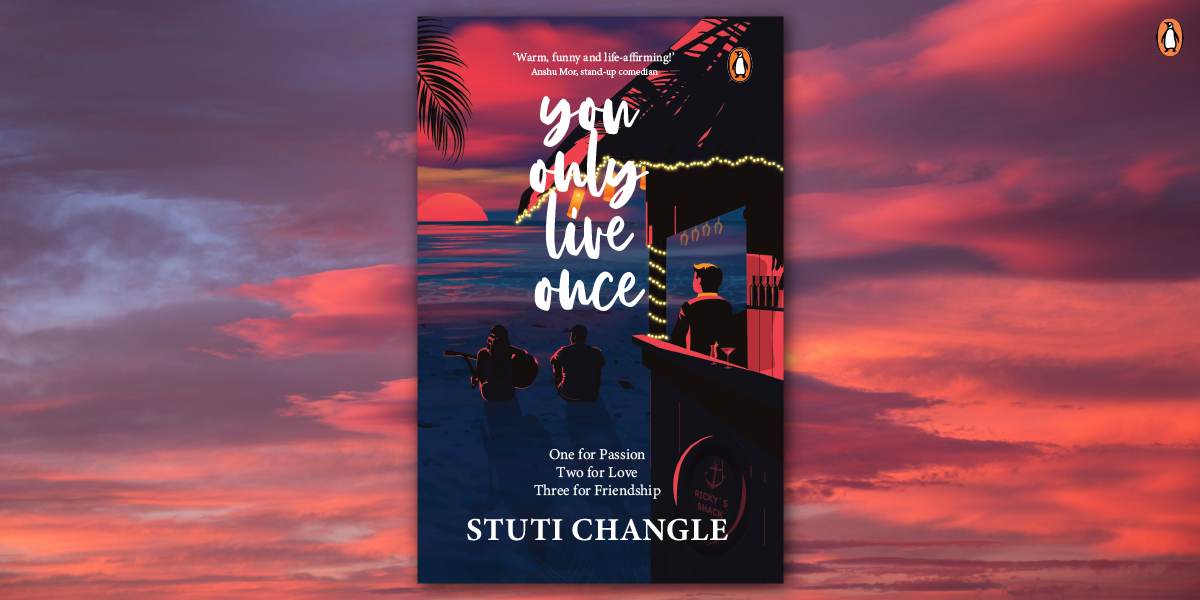
Twenty years later, three people are looking for you.
One is dying to meet you again.
The other wishes you had never met them.
The third wishes they could have met you at least once.
You are one person. Aren’t you? But you are not the same person to each of them.
In You Only Live Once, find the answers about your own life in this story about searching for love and discovering yourself. Join a broken but rising YouTube star Alara, a struggling but hopeful stand-up comedian Aarav, and a zany but zen beach shack owner Ricky as they undertake a journey to find the truth behind the disappearance of Elisha.
Here’s an excerpt from the book that throws light on the quandaries in Alara’s heart and her longing for love.
**
Irena, my stepmother, is a new-age fashion influencer and helped me set up my YouTube channel. She isn’t really talented, but she married a wealthy guy, and fancy social media accounts are part of the assets you create if you have a lot of money. After all, rich people can afford to buy new clothes for every post they make.
Having said that, she is a nice person at heart. I don’t really hold anything against her.
I’m not close to anyone at home. Not really. I’m close to my guitar. It’s because it always meets my expectations. People? They often fail to do so. Unfulfilled expectations lead to unfulfilled relationships.
‘Hey! Alara,’ says my step-aunt Betty as I enter La Epicurean.
‘You’ve grown up to be a beautiful woman,’ she continues.
‘Thank you,’ I respond. I don’t talk a lot when it comes to Irena’s siblings. They’re five women, full of gossip and unnecessary banter. Also, here in Czech, women outnumber men, so they’re on a constant lookout for a foreigner to settle down with. Betty is the youngest one and I heard her own siblings discuss her relationship with a guy from New York who is half her age. He is the one who gave her the name Betty too. Living the American Dream has fascinated the world since the 1960s.
‘Which song are you performing tonight?’ she asks.
‘Time,’ I say, wondering if she would even understand the depth of the concept. Time it is, the one thing that has never been on my side. Time is what ruined my game early on. Time is what I challenge as I hope to find my mom, or perhaps, an answer.
‘You have not published a new song in months. What keeps you busy these days?’ she inquires. ‘You don’t even have a day job,’ she adds.
You Only Live Once || Stuti Changle
Yes, this is where I draw the line. Relatives can get so unbearable at times. I am facing a writer’s block, I write my own songs after all. What would she know of it? She is the kind who would seek Irena’s help to write even an email.
‘Soon,’ I smile wide. Curt. Short. Sweet. She deserves to know that much.
It’s been quite some time since I last published a song on YouTube. I wish to release my first album. But I have run out of ideas, literally. I know deep within my heart that leaving this place would help me ideate and write songs. Here, I am consumed with much more than writing and performing at cafes. I have to attend customary functions like today. My dad is respected in the community, and that’s the thing about rich people. They never get bored of partying and socializing. Me? I told you, right? I struggle with a sense of belonging.
I long to be myself sans all the responsibilities and sensibilities I find myself compelled to fit into. I long to meet you, mom. Let me tell you, your mother would perhaps be the most overlooked person by you, trust me. You might not even appreciate the food that she cooks with all the love. But there are people like me who don’t even know what food cooked with love tastes like.
Angie Thomas’ new book Concrete Rose returns to the site of her previous work, The Hate u Give, where the narrative events are catalysed by the police shooting of an unarmed black teenager. We’re returning to Thomas’ books, which are inspiring and necessary, delving into conversations around race, friendship, activism, and giving us characters that are unforgettable. Here is an excerpt from The Hate u Give:
A commotion stirs in the middle of the dance floor.
Voices argue louder than the music. Cuss words fly left and right.
The Hate U Give||Angie Thomas
My first thought? Kenya walked up on Denasia like she promised. But the voices are deeper than theirs.
Pop! A shot rings out. I duck.
Pop! A second shot. The crowd stampedes toward the door, which leads to more cussing and fighting since it’s impossible for everybody to get out at once.
Khalil grabs my hand. “C’mon.”
There are way too many people and way too much curly hair for me to catch a glimpse of Kenya. “But Kenya—”
“Forget her, let’s go!”
He pulls me through the crowd, shoving people out our way and stepping on shoes. That alone could get us some bullets. I look for Kenya among the panicked faces, but still no sign of her. I don’t try to see who got shot or who did it. You can’t snitch if you don’t know anything.
Cars speed away outside, and people run into the night in any direction where shots aren’t firing off. Khalil leads me to a Chevy Impala parked under a dim streetlight. He pushes me in through the driver’s side, and I climb into the passenger seat. We screech off, leaving chaos in the rearview mirror.
“Always some shit,” he mumbles. “Can’t have a party without somebody getting shot.”
He sounds like my parents. That’s exactly why they don’t let me “go nowhere,” as Kenya puts it. At least not around Garden Heights.
Concrete Rose is a return to Garden Heights, seventeen years before the events depicted in The Hate U Give. It is a fierce and inspiring account of what it means to grow up as a black man in the United States. Here is an excerpt:
“That trifling heffa! And I don’t mean Iesha,” Ma says. “I mean her momma!”
Ma ain’t stopped fussing since we left the clinic.
At first I thought Iesha and Ms. Robinson stepped outside. Nah, they left. One of the nurses said she pointed out they were leaving the car seat. Ms. Robinson told her, “We don’t need it anymore,” and shoved Iesha out the door.
We went straight to their house. I banged on the doors, looked through the windows. Nobody answered. We had no choice but to bring li’l man home with us.
Concrete Rose||Angie Thomas
I climb our porch steps, carrying him in his car seat. He so caught up in the toys dangling from the handle that he don’t know his momma left him like he nothing.
Ma shove the front door open. “I had a funny feeling when I saw all them clothes in that diaper bag. They shipped him off without a word!”
I set the car seat on the coffee table. What the hell just hap- pened? For real, man. I suddenly got a whole human being in my care when I never even took care of a dog.
“What we do now, Ma?”
“We obviously have to keep him until we find out what Iesha and her momma are up to. This might be for the weekend, but as trifling as they are…” She close her eyes and hold her forehead. “Lord, I hope this girl hasn’t abandoned this baby.”
My heart drop to my kicks. “Abandoned him? What I’m supposed to–”
“You’re gonna do whatever you have to do, Maverick,” she says. “That’s what being a parent means. Your child is now your responsibility. You’ll be changing his diapers. You’ll be feeding him. You’ll be dealing with him in the middle of the night. You—”
Had my whole life turned upside down, and she don’t care.
That’s Ma for you. Granny say she came in the world ready for whatever. When things fall apart, she quick to grab the pieces and make something new outta them.
“Are you listening to me?” she asks.
I scratch my cornrows. “I hear you.”
“I said are you listening? There’s a difference.”
“I’m listening, Ma.”
“Good. They left enough diapers and formula to last the
weekend. I’ll call your aunt ’Nita, see if they have Andre- anna’s old crib. We can set it up in your room.”
“My room? He gon’ keep me awake!”
She set her hand on her hip. “Who else he’s supposed to keep awake?”
“Man,” I groan.
“Don’t ‘man’ me! You’re a father now. It’s not about you anymore.” Ma pick up the baby bag. “I’ll fix him a bottle. Can you keep an eye on him, or is that a problem?”
“I’ll watch him,” I mumble.
“Thank you.” She go to the kitchen. “‘He gon’ keep me awake.’ The nerve!”
I plop down on the couch. Li’l Man stare at me from the car seat. That’s what I’m gon’ call him for now, Li’l Man. King Jr. don’t feel right when he my son.
My son. Wild to think that one li’l condom breaking turned me into somebody’s father. I sigh. “Guess it’s you and me now, huh?”
I hold my hand toward him, and he grip my finger. He small to be so strong. “Gah-lee,” I laugh. “You gon’ break my finger.”
He try to put it in his mouth, but I don’t let him. My fingernails dirty as hell. That only make him whine.
“Ay, ay, chill.” I unstrap him and lift him out. He way heavier than he look. I try to rest him in my arms and sup- port his neck like Ma told me to. He whimper and squirm till suddenly he wailing. “Ma!”
She come back with the bottle. “What, Maverick?”
“I can’t hold him right.”
She adjust him in my arms. “You relax, and he’ll relax.
Now here, give him the bottle.” She hand it to me, and I put it in his mouth. “Lower it a little bit, Maverick. You don’t wanna feed him fast. There you go. When he’s halfway through it, burp him. Burp him again when he’s done.”
“How?”
“Hold him against your shoulder and pat his back.”
Hold him right, lower the bottle, burp him. “Ma, I can’t—” “Yes, you can. In fact, you’re doing it now.”
~
Two beautiful, urgent reads that will stay with you.
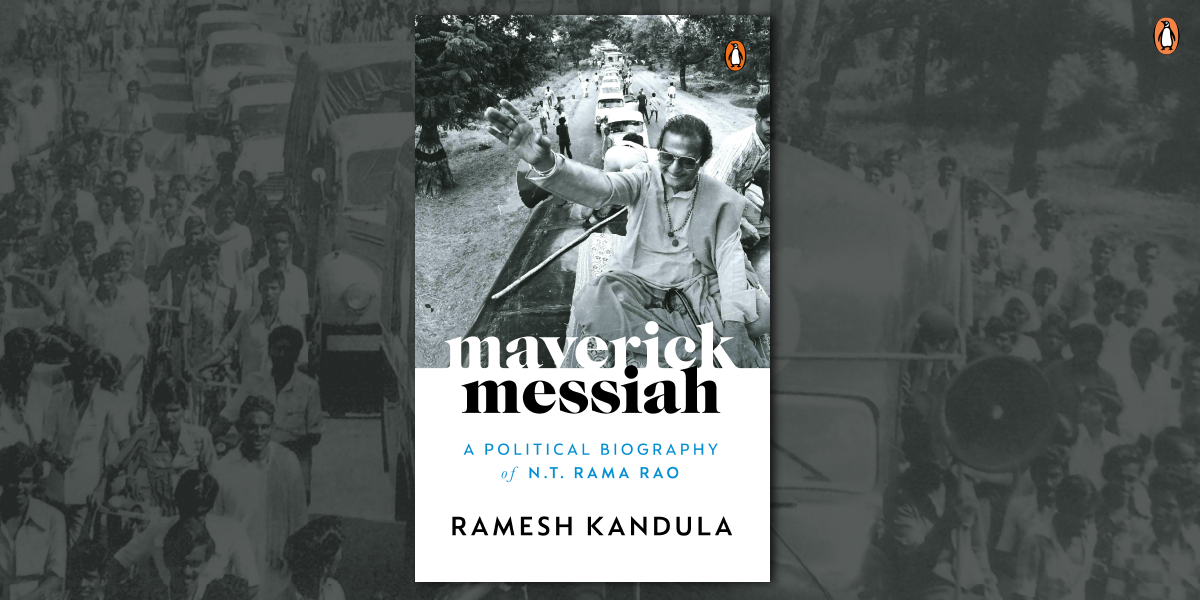
Nandamuri Taraka Rama Rao, widely known as NTR, was not merely a film star who strayed into politics and captured power in Andhra Pradesh. The actor-politician redefined the political culture in the state and scripted a new political idiom. Ramesh Kandula’s lucid and objective biography, Maverick Messiah captures the different facets of NTR’s life in all their varied hues and puts in perspective the significant contribution of the actor-politician to the Indian political tapestry.
Read on for a stirring account of NTR’s sensational debut campaign in this excerpt from Maverick Messiah.
NTR was far more than a media product. He could create enormous interest for himself and his party on the strength of his own personality. The election campaign in AP completely transformed after NTR’s appearance on the political scene. Years of acting had taught him the art of effective communication. Add that to his extreme dedication in reaching out to every village and hamlet across the state. He believed in appealing to the people directly, instead of resorting to vote-gathering through local satraps and caste groups.
NTR abhorred any mediators between him and the common man. He was able to make even an illiterate woman in the far corner of the state believe that she could change her fate through the ballot. He took politics to the threshing points of hapless farmers, the machine wheels of disconsolate workers and the doorsteps of the despairing middle class.
From day one, NTR was meticulous in his plans to take the party forward. After the hugely successful Mahanadu (NTR brought into vogue this archaic Telugu expression which meant a ‘great day’ on which the general body of the party met) in Tirupati in May 1982,65 NTR was ready to hit the road. Elections were far away, but he was focused on his goal—to tell people of his mission.
Daggubati recalled how NTR went about preparing for the trail. After the first round of campaigning in Telangana in June1982, it was found that the open-top jeep was not a convenient vehicle for a prolonged roadshow. NTR went to the garage at Ramakrishna Studios and pointed at an old van—a Chevrolet of 1950s vintage. It was apparently one of the many items NTR had bought when Gemini Studios in Madras had downed shutters. The van looked like junk, but NTR sent for his mechanic, Allen in Madras, and gave elaborate instructions on refurbishing it. The engine and tyres were replaced, and new aluminium panelling was installed inside. Seats were removed and replaced by bedding, an aircraft-style chair, a table, and crates of soda and other knick- knacks. A framed picture of Lord Venkateswara and his consort Padmavati hung on one side. A sunroof was made so that he could climb up with the help of a stepladder to the roof of the van during the roadshows.
A permanent public address system was installed on top of the van. Four speakers on the four corners of the camper van blared specially composed as well as remixed old songs that were designed to arouse nationalist feelings about the Telugu land, its people, language and culture. Focus lights were installed on the van to enable NTR to speak even during late evenings. In his theatrical style, NTR called it Chaitanya Ratham. It became so popular on the Indian election scene that many other leaders adopted the mode. Upendra, who accompanied him throughout the campaign, recalled the first day, when he had to face a tongue-lashing from NTR for not reporting promptly at 5 a.m. NTR asked Nadendla to campaign separately. The former Congressman’s roadshows gained little traction though.
It was on Chaitanya Ratham that NTR, attired in khaki pants and a bush shirt, traversed across the state. The van became his home during his extensive tours. He never stayed in guest houses and refused to be entertained in the luxurious homes of fans or well-wishers. He chose to carry out all his activities—eating, sleeping or consultations with advisers—on the Ratham. His morning ablutions were performed in the open, surrounded by curious onlookers. Food consisted of simple fare, at times only roti and milk, prepared on the roadside by an assistant.
As surging crowds demanded all his time, he often went without food. He slept little and spent all his waking hours giving speeches. His voice became hoarse; his complexion turned dark. From his attire to his demeanour, the blaring songs from his Ratham to his outdoor bathing, the theatrical aspect was obvious. But people saw it differently. No one except NTR, they felt, could have chosen to go through such a rigmarole without any creature comforts. The rather simple mode of transport also enabled him to establish direct contact with people. His experiment saved both time and money. There were no expensive travel arrangements, no entourage, no elaborate lunches and dinners, and no guest houses.
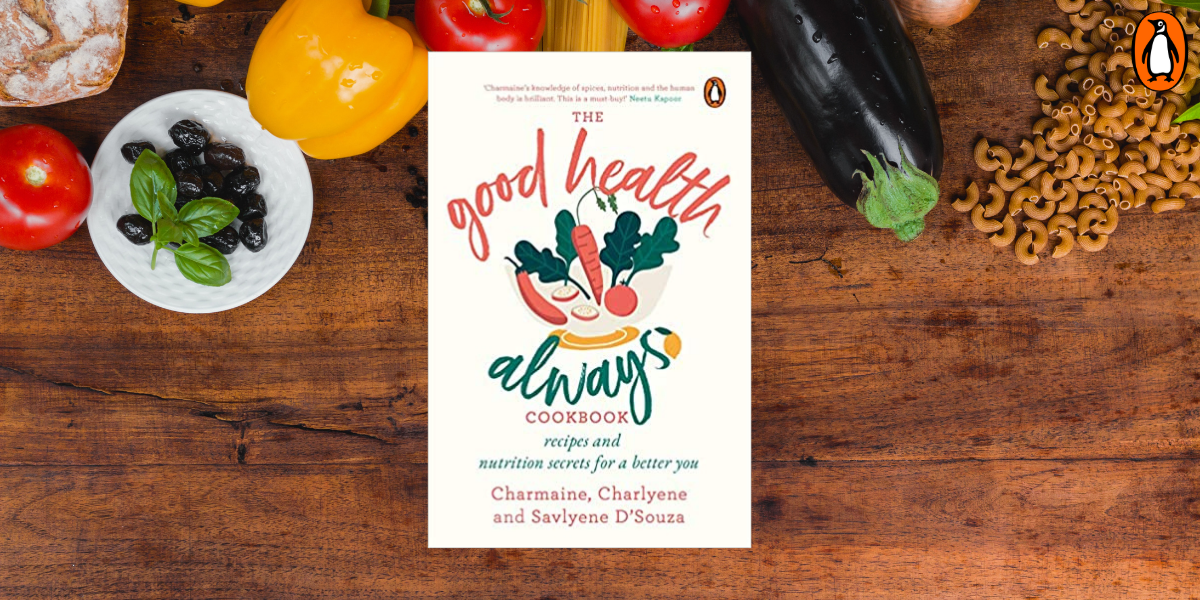
Preparing a meal for someone is an act of love, says Charmaine D’Souza, a nutritionist and a writer of many kitchen exploits. In her latest book, The Good Health Always Cookbook, D’Souza, along with her two daughters, Charlyene and Savlyene, offers the reader a peep into her childhood memories and her comfort food. Read on for a delicious vegan recipe from her book.
VEGAN JACKFRUIT ‘PULLED PORK’ BURGERS
( Chefs the world over are using raw jackfruit in vegan cookery because the unripe flesh has a pork-like texture. The shredded fruit is a popular alternative to pulled pork and is now being used as a vegetarian pizza topping and a filling for tacos. It has a hard bite and absorbs the spices and flavours of a dish just like meat. Try this recipe for our burgers. You will soon become a jackfruit convert. -Savlyene)
Preparation time 30 minutes
Cooking time 20 minutes
Serves 4
INGREDIENTS
4 whole wheat garlic buns
For The Jackfruit Filling
400 gms green jackfruit ( Save the seeds for a curry or hummus)
2 tablespoons jaggery sugar or brown sugar
1 tablespoon finely minced garlic
2 teaspoons smoked paprika powder (or you can use red chilli powder)
1/2 teaspoon pepper powder
½ teaspoon star anise powder
Salt to taste
2 tablespoons vegetable oil
1 cup BBQ sauce (preferably vegan. To be used for the filling as well as for serving)
For the Mixed Vegetable Slaw
1 cup finely sliced mixed vegetables (onions, cabbage with the outer leaves and inner core, carrots with the peel and red, green and yellow bell peppers with the inner pith and seeds)
1 tablespoon jaggery or brown sugar
2 tablespoons lime juice
1 teaspoon pepper powder
Salt to taste
METHOD
In a large bowl mix the ingredients for the Mixed Vegetable Slaw thoroughly to ensure that the veggies marinade in the seasonings. You may need to add a tablespoon or two of water.
Refrigerate.
Mix the jackfruit with the rest of the filling ingredients ( with the exception of the oil and BBQ sauce) and toss them well to coat each bit.
Keep this aside for 5 minutes.
Heat a pan and add the oil.
Add the marinated jackfruit and cook for 5 minutes.
Add ½ cup BBQ sauce and 1 cup water and cook for about 15 to 20 minutes.
Using 2 forks shred the jackfruit as it cooks in the sauce.
Once the shredded jackfruit has properly cooked, turn up heat and cook for 2 more minutes. Then remove from the stove top.
The Good Health Always Cookbook || Charmaine D’Souza, Charlyene D’Souza and Savlyene D’Souza
TO ASSEMBLE
Cut the whole wheat garlic buns in half and put 2 heaped tablespoons of the mixed vegetable slaw on the bottom buns.
Top with a generous serving of the shredded jackfruit filling and cover with the other half of the bun.
Alternatively you can omit the slaw and just use thinly sliced onions and tomatoes.
Serve with the remaining BBQ sauce.
NUTRITIVE VALUE per serving
Energy-206.33 kcal
CHO-30.09 gms
Protein-3.29 gms
Fat-8.09 gms
Sodium-366.53 mg
Potassium-525.94 mg
Calcium-90.88 mg
Iron-1.51 mg
Vitamin A-3.83 mcg
Vitamin C-30.61 mg
FEEDBACK Having seen Savios post on FB about how Charmaine had fooled him by replacing a pulled pork burger with a pulled jackfruit burger I asked her for the recipe. My husband is a staunch non-vegetarian and I am elated to say that he too got fooled. The burger was hot, juicy and wonderful. Best of all no fear of cholesterol and fat. No more pork for us! Thanks to team GHA. – Cheryl Lopes, Mumbai.