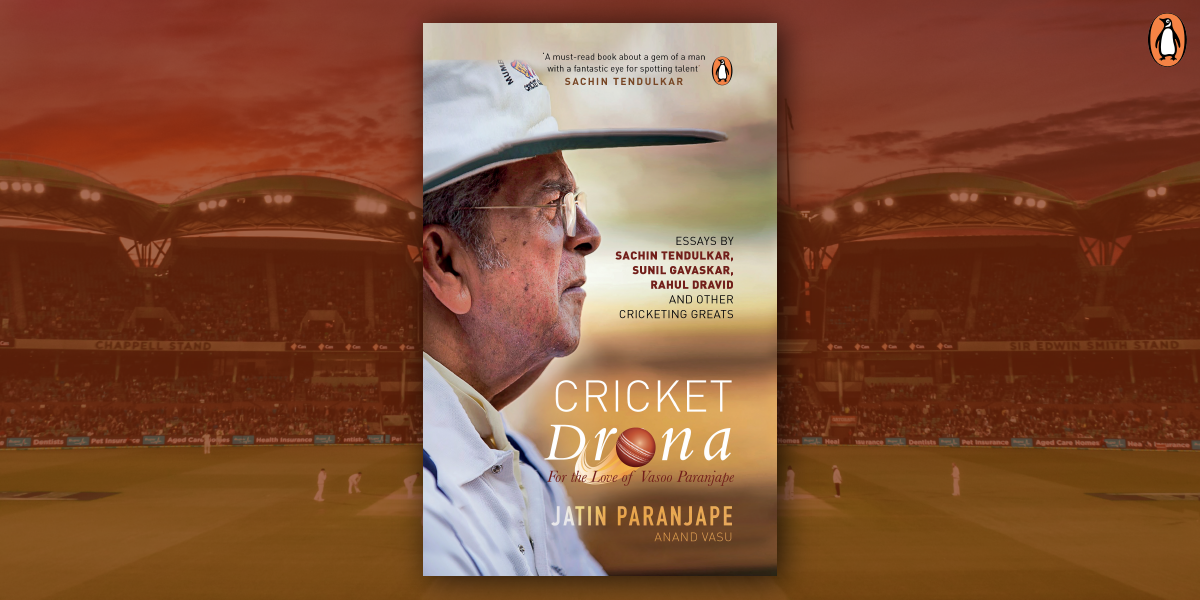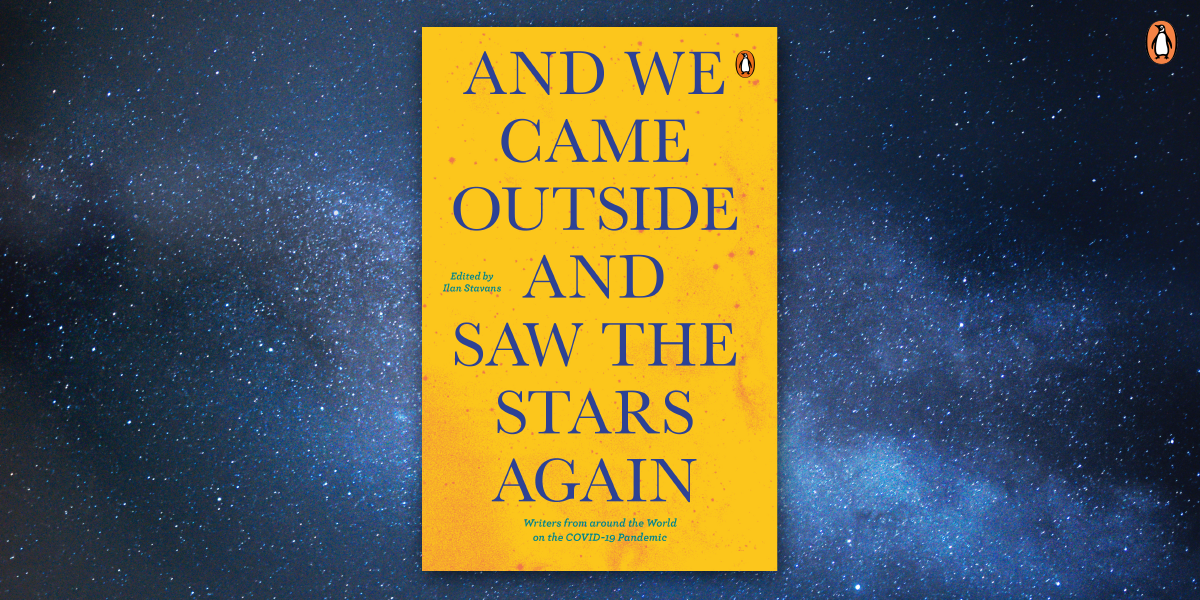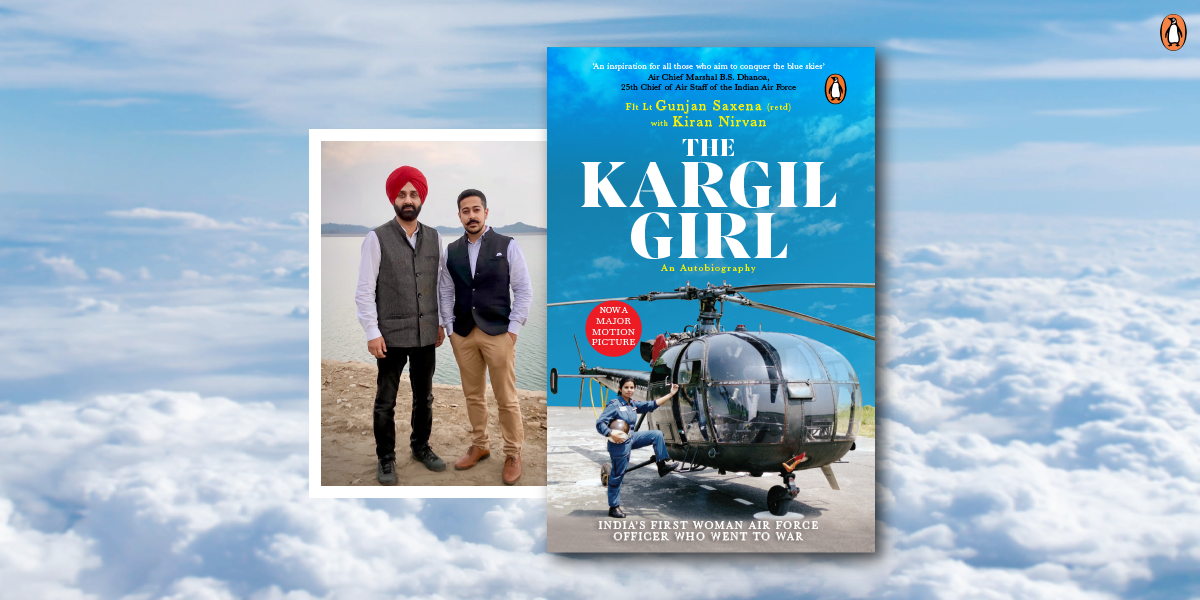
After every good book she reads, ten-year-old Wisha Wozzariter gets sad. She wished she had written that book instead! She wishes, more than anything else in the world, that she were a writer! One day, she meets a Bookworm, and takes many a wild ride on the Thought Express!
Here is an excerpt from that incident from Payal Kadadia’s book, Wisha Wozzariter!
Wisha Wozzariter loved reading. She read before school and after school. She read before lunch and after lunch. She read before dinner and after dinner. She would have read all day and all night if she could.
Wisha hated bad books, but she hated one thing even more: good ones. Good books always left her feeling she could do better if she were to write a book of her own. She’d put down a good book, sighing, ‘Now that’s a book I could have written.’
On her tenth birthday, Wisha read Roald Dahl’s Charlie and the Chocolate Factory. She hated it more than anything. There was no reason something this good should not have been written by her. She got to the last word on the last page, then sighed, ‘Now that’s a book I could have written!’
Wisha Wozzariter||Payal Kapadia
‘Why don’t you?’ said a green little worm, popping his head out of page no. 64.
‘Who are you?’ asked Wisha, startled.
‘Why, a Bookworm, who else?’ said the worm, sounding surprised. ‘I’ve heard you say the same thing after every good book. So why don’t you?’
‘Why don’t I—what?’ said Wisha.
‘Write a book, write a book,’ said the Bookworm in a sing-song voice, wriggling his way out on to the cover.
‘I wish I was a writer,’ sighed Wisha.
‘Well, you are Wisha Wozzariter,’ said the Bookworm.
‘So I am! But I don’t quite know where to begin.’
‘At the beginning, of course,’ said the Bookworm, rolling his eyes. ‘Got some time?’
‘Yee-es. Why, what do you suggest?’ asked Wisha.
‘A trip to the Marketplace of Ideas,’ said the Bookworm. ‘My treat.’
Wisha jumped up. ‘Sounds more exciting than wishing all day! How do we get there?’
‘Close your eyes and hold my hand tight,’ said the Bookworm. ‘We’re catching the Thought Express.’
‘When does it come in?’ asked Wisha.
‘Don’t know. Are your thoughts always on time?’ ‘Not really.’
‘Well, then, we might have a little wait ahead of
us,’ said the Bookworm. ‘It would help if you were to say your name to yourself a few times.’
So Wisha closed her eyes and said, ‘Wisha Wozzariter, Wisha Wozzariter, Wisha Wozzariter.’
The Thought Express was a little slow and a little late, but it came in, sure enough. And when it left for the Marketplace of Ideas, Wisha and the Bookworm were on it.
How do the two get along, and what adventures do they find themselves on? Read more about the book here to find out!
Like any bored eleven-year-old with an imagination, Prem makes fantastic wishes. So when his father drags him to a monsoon-lashed Mumbai, Prem know it’s futile to dream of home. Instead, he wishes for a genie, a dragon and some superpowers. What he certainly doesn’t wish for is a quest to save some gods who are at the brink of extinction.
He finds that the gods’ last hope lies in the hands of those who channel the mysterious power of the Vedas. Caught in a cosmic crossfire, with a talking fish, some inventive monkeys and a few unexpected allies, Prem learns of his true identity-as a Torchbearer.
Here is an excerpt from this lovely book by A.B. Majmudar that talks about how Prem finds himself in Mumbai and all the wishes he makes.
Like any eleven-year old with an imagination, Prem Tripathi made fantastic wishes, especially when he was bored. And he had been bored a lot lately. His father, a professor of ancient Indian mythology, had decided to leave his university job in America to go work at an old research institute in Mumbai. After some sightseeing and a few nights spent at a nice hotel, they had come to a dilapidated old building where Professor Tripathi could bury himself in old Sanskrit manuscripts.
The research institute must have been abandoned for years. Prem and his father had gotten into a fight as soon as they had arrived at the institute. Prem didn’t understand why he had to be there instead of enjoying a typical summer vacation under the blue skies of Midwestern United States: riding bikes, whizzing down waterpark slides, going on roller coasters and playing football with his friends in thebackyard. Instead, his father had dragged him all the way to India, and not the exotic India of The Jungle Book.
The Torchbearers||A.B. Majmudar
‘I can’t believe I’m here, about to be devoured by cockroaches,’ Prem had grumbled to himself. ‘Or geckos.’
Professor Tripathi had smiled, ignoring Prem’s frustration. ‘You know, when you were a baby, you used to coo at the geckos. Kept you entertained for hours.’ Although Prem had been born in India, his father had left with him for America after Prem’s mother had passed away. They hadn’t been back since then.
Now, a few weeks since they landed in Mumbai, Prem had finished reading all the books he had brought with him. So he spent the morning avoiding his dad, who was probably involved in either dusting or research, and soon found himself bored, leaning against the chalky gray wall surrounding the institute, watching the monsoon clouds roll in. Seeing the blue sky suddenly covered in storm clouds made him scowl. ‘Just like my life,’ he mumbled.
Prem glowered up at the sky. The air seemed to hold its breath, and even the stray dogs stopped barking for a moment. Then, with a faint flash of lightning and a distant rumble of thunder, the first raindrop fell. Big, warm drops of water splattered into the dirt, disappearing instantly. Soon the drops darkened the ground, and puddles formed in the dust on either side of the road.
‘So this is the monsoon,’ Prem said to himself as he raced to stand under a large tree. His black hair was slick in minutes despite taking cover, his shirt soaked through. With a shrug that seemed to say, ‘What’s the point?’ Prem stepped out from under the tree. He cupped his hands and let the rainwater fill his hands. He released the water with a satisfying splat onto the soaked ground. He did it again. With every handful of water, he made a wish. Wish, splash. Wish, splash. At first, he wished it would stop being so hot. But then, he figured, why not wish big?
So, Prem wished for a letter by owl post, ideally from Hogwarts, but any decent wizarding school would do. Wish, splash. He wished for a tollbooth to take him to lands beyond. Wish, splash. Rabbit hole, splash. Genie, splash. Dragon, splash. Hot-air balloon, splash. Superpowers, splash. Anything that would break the string of boring days, splash. Anything that would lead to adventure, splash. The one thing that Prem was sure he hadn’t wished for was a tiny talking fish. But, of course, that’s exactly what he got.
He had just collected yet another handful of water when a tiny fish dropped into his hands. Wish, splash, fish.
It called out to Prem in a tiny voice, ‘Don’t drop me!’
Prem looked closely at his hands, stilled in a cup. He saw a golden fish, smaller than his fingernail, floating in his hand. He peered at the fish. It was shimmering, despite the cloudy skies, like a flame.
Who is this talking fish and what adventures will Prem find himself in after this moment? Get a copy of The Torchbearers to find out!
In Asha Nehamiah’s book, Trouble with Magic, Veena is full of bright ideas. She gets Aunt Malu to use her herbal magic to make something new and wonderful. But magic has its own rules, and soon Veena and her aunt are in big trouble!
Here is an excerpt that tells us why Aunt Malu is reluctant to try Veena’s new idea.
Aunt Malu should have refused to try out Veena’s new idea. Trying out her nine-year-old niece’s ideas always landed Aunt Malu in trouble.
Once, Veena suggested they get free season tickets to the circus. Aunt Malu agreed happily. When they
got there, Aunt Malu found that the free tickets were their payment for helping the lion tamer clean the lion cages.
With four lions inside them!
Another time, Veena had got her to try the Adopt-a-Pet plan. This was a wonderful plan that found homes for wounded animals. Aunt Malu couldn’t decide which of the pets she adopted gave her more trouble: the mynah with the broken wing, or the lame mongoose.
The mynah could copy the sounds of a telephone ringing, the doorbell buzzing and the pressure cooker whistling. So Aunt Malu kept rushing from kitchen to front door to telephone till she got so tired that she could barely stand.
And the mongoose wouldn’t stop stealing food from their neighbour’s kitchen.
The worst was the time Aunt Malu had agreed to make a pair of grass-cutting roller skates as a gift for Veena’s father, Mr Seshadri.
He was Aunt Malu’s older brother. He loved gardening and was very proud of his lawn. It was the best lawn in the neighbourhood.
Veena had come up with the idea of fixing sharp blades on to a pair of skates. This meant that a person would be able to cut grass just by skating over it. It was an absolutely brilliant idea—if it worked.
There was great excitement when the gift was put together and wrapped. But the skates were a total failure!
To begin with, Mr Seshadri found it impossible to skate on the grass. He tripped and fell so many times that he was soon covered with cuts. He stopped trying to skate when he hit his forehead and was left with a bump which became the colour and size of one of his prize-winning brinjals!
When Veena tried them on, she found that she could manage to skate over the grass. But instead of cutting the grass, the skates pulled out huge bunches of it. This left big bald patches on Mr Seshadri’s beautiful lawn. Mr Seshadri was not pleased.
That’s why Aunt Malu should have been more careful when Veena entered her workroom one morning and said, ‘I have an idea!’
Get a copy of Trouble with Magicto know if Aunt Malu made a mistake, and what Veena’s idea was!
Sinister aliens are on the loose in Archit Taneja’s book, The Case of the Careless Aliens! Money is appearing mysteriously in unexpected places around the city. UFOs have been spotted in the sky. If aliens are trying to take over, they have been very careless indeed!
In this excerpt, we meet the SUPERLATIVE SUPERSLEUTHS, one of whom – unfortunately, at present, is grounded. But why?!
It’s been chilly and windy this weekend. That’s perfect weather to stay home, eat ice cream and popcorn, and laugh at crime shows on TV.
My plans went bust when Aarti called on Saturday afternoon. She said she’d been grounded and needed moral support. She pleaded on the phone for what seemed like a century in plead years.
‘You get grounded all the time! You’ve never whined about it before!’
‘I’ve been grounded for two weeks,’ she muttered in a cold voice.
Getting grounded for that long is unheard of. One would need to commit an unspeakable crime. It was especially hard to believe, since Aarti’s parents were super anti-punishment and all that sort of stuff.
‘What did you do, exactly?’
‘Er … I can’t tell you. It doesn’t matter, anyway,’ Aarti mumbled. She was barely audible now.
‘Are you really grounded? Friends aren’t allowed to visit when you’re grounded, right?’
She hung up.
That made me curious enough to want to go over. She was either making all this up to lure me to visit or she’d actually done something really crazy this time. Perhaps she was too embarrassed to talk about it. In either case, it sounded like fun!
I packed my bag with stuff for the weekend. I picked up a case file I had prepared a few months ago. It contained notes on the peculiarities of Aarti’s room. I slipped in a few empty sheets, just in case there was some sleuthing to do.
Aarti’s dad opened the door; he gave a half- hearted smile and asked me to come in. He returned to the dining table and sat opposite Aarti’s mum. They resumed what sounded like a serious conversation. I am used to getting a warm hug from both of them whenever I visit. The radio was playing old boring music instead of the regular upbeat stuff.
I wondered if something bad had happened. Maybe someone they knew got into an accident or something. But why would Aarti be grounded for that? I really doubt that she nicked the car and ran over someone; she’s never been fond of the idea of driving.
Aarti’s grandparents were over. They were there quite often since they lived in the apartment right across
from Aarti’s. Grandma was watching a documentary on TV. She hates those and shrugs whenever I am anywhere close to the TV remote because she knows I’m into anything that involves learning.
It all seemed very unusual.
Aarti’s mum asked me to make sure that she didn’t have too much fun and that I talk to her about being a good child. Grandma nodded in approval. Of all people, they chose me to put sense in her head. Aarti’s really done for this time. I’m so excited!
‘Your family is acting weird,’ I said.
Aarti sat calmly on her bed. Her room was scattered with newspapers. She separated the pages containing comics and puzzles from each day’s paper, and threw away the rest.
What’s the best way to keep your child entertained and busy this July? Summer plans might have got cancelled, but you can still send your child on an adventure! Choose from this list of books from authors like Sudha Murty, Ruskin Bond, Ira Trivedi and many more.
Stay safe, healthy and inspired with this list.
How the Onion Got Its Layers
How the Onion Got its Layers || Sudha Murty
Have you noticed how the onion has so many layers? And have you seen your mother’s eyes water when she cuts an onion? Here is a remarkable story to tell you why.
India’s favourite storyteller brings alive this timeless tale with her inimitable wit and simplicity. Dotted with charming illustrations, this gorgeous chapter book is the ideal introduction for beginners to the world of Sudha Murty.
*
My Genius Lunch Box
My Genius Lunchbox || Uma Raghuraman
Written by Uma Raghuraman-a masterchef of a mom, a super popular food blogger and Instagrammer-My Genius Lunch Box is every parent’s go-to book for fifty fun, nutritious and simple vegetarian recipes that can be made on a school day.
Featuring stunning photographs styled and shot by the author herself, this book is divided into six sections: one for each weekday and a bonus section that includes recipes for bite-sized snacks!
*
The Piano
The Piano||Nandita Basu
This is the story of a friendship between a young girl and her piano. The piano was made many decades before the girl was born. And it travelled from leipzig, Germany, through war-torn France and England come to Calcutta during the independence struggle. Finally the girl and the piano found one another, until circumstances separated them… This is a story of love and loss, of unexpected bonds and loneliness, and above all, it is a celebration of the power of music.
*
Skill Builder Phonics Level 1-4
These books contain simple and easy-to-do activities, crosswords and puzzles to help young learners hone their reading, writing, vocabulary and spelling skills through play. By engaging in fun and challenging tasks, your child will learn and master language concepts that are also applicable in a wide range of everyday contexts. The series is suitable for children
aged 6+ (Level 1) to 9+ (Level 4).
*
Song of India
Song of India|| Ruskin Bond
Sixteen-year-old Ruskin, after having finally finished his school, is living with his stepfather and mother at the Old Station Canteen in Dehradun. Struggling to begin his writing journey, he tries to make a passage to England to chase his true calling. But as he prepares for his long voyage, the prospect of saying goodbye to the warm, sunny shores of India looms large.
*
Om the Yoga Dog
Om the Yoga Dog|| Ira Trivedi
It’s fun yoga time with Om the Yoga Dog, Prana the Frog and Moksha the Elephant! Learn and master essential asanas like Roaring Lion and Tummy Sandwich, pranayama techniques like Anulom Vilom and meditation exercises like Yoga Nidra.
Packed with easy-to-follow instructions and step-by-step illustrations, this calming book helps your child develop flexibility, strength, inner peace and mindfulness.
*
Peppa Pig: Peppa Loves Yoga
Peppa Loves Yoga||Peppa Pig
It is a very busy day at Peppa and George’s playgroup, but they have a very special visitor coming in the afternoon. Miss rabbit is going to teach the children how to calm down and relax with yoga. The children love learning all the different positions… And the parents love picking up their calm children!
Books see us. Book hear us. Books love us all equally.
We are seen by stories and heard by words.
As we close Pride Month, we decided to look back at the diverse range of stories exploring gender identities, queer experience, sexuality, and love in India.
Here’s our round-up – which we hope will last well beyond June for you!
*
The Carpet Weaver
A love forbidden by a death penalty, and a desperate search for a place to call home.
The Carpet Weaver|| Nemat Sadat
In Afghanistan of 1977, Kanishka Nurzada, the son of a leading carpet seller, falls in love with his friend Maihan, with whom he shares his first kiss at the age of sixteen. Their romance must be kept secret in a nation where the death penalty is meted out to those deemed to be kuni, a derogatory term for gay men.
What follows is an intimate, powerful tale of a young gay man’s struggle to come of age and find love in the face of brutal persecution.
Shikhandi and Other ‘Queer’ Tales They Don’t Tell You
What constitutes male and female?
Shikhandi and Other Queer Tales They Don’t Tell You|| Devdutt Pattanaik
Queerness isn’t only modern, Western or sexual, says mythologist Devdutt Pattanaik.
A closer look at the vast written and oral traditions in Hinduism – some over two thousand years old – will tell you many overlooked tales. There’s Shikhandi, who became a man to satisfy her wife; Mahadeva, who became a woman to deliver his devotee’s child; Chudala, who became a man to enlighten her husband; Samavan, who became the wife of his male friend.
The Pregnant King
Blurring lines between men and women, sons and daughters, husbands and wives, fathers and mothers.
The Pregnant King|| Devdutt Pattanaik
‘I am not sure that I am a man,’ said Yuvanashva. ‘I have created life outside me as men do. But I have also created life inside me, as women do. What does that make me? Will a body such as mine fetter or free me?’
This is the untold story of Yuvanasha from the Mahabharata, a childless king, who accidentally drinks a magic potion meant to make his queens pregnant and gives birth to a son.
Same-sex Love in India
An incontestable history of same-sex love and desire in the Indian subcontinent.
Same-sex Love in India|| Ruth Vanita & Saleem Kidwai
Covering over 2000 years, from the Mahabharata to the late twentieth century, the book contains excerpts from stories, poems, letters, biographies and histories in fifteen languages. These trace the changing depictions of and debates around same-sex relations, illuminating their social, political and literary contexts; all works of scholarship that will shed new light on Indian culture and society.
Facing the Mirror
Hidden, forgotten, distorted, and ultimately triumphant stories of the lesbian experience across India.
Facing the Mirror|| Ashwini Sukthankar
Going back as far as the 1960s, the book brings to readers a remarkable history that illuminates the blood and the tears, the beauty and the magic of the queer movement in India.
Yaraana: Gay Writing from South Asia
True meaning of ‘yaraana’ or male bonding, as an ignored facet of South Asian life and sexuality.
Yaraana || Hoshang Merchant
From Ashok Row Kavi s autobiographical piece on growing up gay in Bombay to Vikram Seth s brilliantly etched account of a homosexual relationship in The Golden Gate, the stories, poems, plays and prose extracts in this collection cover a range of literary styles, themes and sensibilities.
Apart from the pieces written originally in English, there are works translated from Hindi, Marathi, Gujarati and other Indian languages, which speak of the agony and the joy of being a man in love with other men.
The Man Who Would Be Queen: Autobiographical Fictions
Personal vignettes of hidden sexuality and love.
The Man Who Would Be Queen || Hoshang Merchant
In an unflinching autobiography, Hoshang Merchant talks about his encounters with gay and bisexual men and how he was the one who was mostly hurt and betrayed, since none of them had the courage to come out and lived their lives hiding their sexualty. He talks about all his sexual experiences, out of which, some involved love and affection, but some did not.
The Truth about Me: A Hijra Life Story
A hijra fighting ridicule, persecution, indignities and violence.
The Truth About Me || A. Revathi
Revathi was born a boy, but felt and behaved like a girl. In telling her life story, Revathi evokes marvelously the deep unease of being in the wrong body that plagued her from childhood. To be true to herself, to escape the constant violence visited upon her by her family and community, the village-born Revathi ran away to Delhi to join a house of hijras to find a life of dignity.
Red Lipstick
Window to a brave new world of a powerful transgender activist.
Red Lipstick || Laxmi
The world keeps taunting him as girlish but the fact is that, biologically, he is a boy. And, he is always attracted to guys. Is Laxmi both a man and a woman? Or, perhaps, neither a man nor a woman?
Struggling with such existential questions, Laxmi Narayan Tripathi, eminent transgender activist, awakens to her true self: She is Laxmi, a hijra. In this fascinating narrative Laxmi unravels her heart to tell the stories of the men–creators, preservers, lovers, benefactors and abusers–in her life.
Babyji
A subversive story of sexuality, desire, and seduction.
Babyji || Abha Dawesar
This is the story of Anamika Sharma, a spirited student growing up in Delhi. At school she is an ace at quantum physics. At home she sneaks off to her parents’ scooter garage to read the Kamasutra.
Before long she has seduced an elegant older divorcée and the family servant, and has caught the eye of a classmate coveted by all the boys. With the world of adulthood dancing before her, Anamika confronts questions that would test someone twice her age.
The Three of Us
An intimate exploration of bisexuality, fidelity, infidelity, and sexual passion.
The Three of Us || Abha Dawesar
When we meet Andre he’s a blank slate: a freshly minted 24-year-old college grad on his first day of work at a Manhattan-based investment bank…Within days he’s seriously boffing the sensuous Nathan, his boss’s boss, and has been seduced by the elegant Sybil, Nathan’s young wife. Before long he’s halfheartedly sleeping with the frumpy office secretary, Martha (eventually getting her pregnant). Along the way he reconnects with levelheaded Madhu, the Indian woman he dated and nearly married in college.
Dawesar creates an intricate, often hilarious story with swift, crisp prose and clean, short sentences which deliver steamy sex scenes, and passages of reflective introspection with equally engaging directness.
Hostel Room 131
An irreverently funny and deadpan look at India’s gay subculture.
Hostel Room 131 || R. Raj Rao
Siddharth, a twenty-three year old Bombay-born guy. His unconventional views make him a very interesting personality. He believes that in Sholay, Jai and Veeru have the hots for each other, rather than for the two heroines. One cold winter day in 1978, Siddharth meets Sudhir in Pune’s Engineering College Hostel and falls in love. In Hostel Room 131, Gaurav and Vivek, a gay pair, decide to help the protagonists fight against homophobia.
The Boyfriend
A tragi-comic gay love story from the jumbled up heart of Mumbai.
The Boyfriend || R. Raj Rao
One Saturday morning in late 1992, Yudi, a forty something gay journalist, has hurried sex with a nineteen-year-old Dalit boy in the Churchgate loo. There is nothing to set this brief encounter apart from numerous others, and Yudi returns to his bachelor’s flat and sex with strangers. But when riots break out in Mumbai, Yudi finds himself worrying about the boy from Churchgate station. He is in love.
Unsentimental and full of dry humour and wit, R Raj Rao examines with unsparing irony the realities of caste, class, religion, masculinity and the gay subculture in India.
A Life Apart
An intimate look at dislocation and alienation, outsiders and losers.
A Life Apart || Neel Mukherjee
A life apart tells two stories. Ritwik, twenty-two and orphaned, escapes from a devastating childhood of abuse in Calcutta to what he considers to be a new world, full of possibilities, in England, where he has a chance to start all over again. But his past, especially the all-consuming relationship with his mother, is a minefield: will Ritwik find the salvation he is looking for?
Eleven Ways to Love
A collection of eleven essays showing us that there is no such thing as ‘the love that dare not speak its name’.
Eleven Ways to Love || Sreshtha, Sangeeta, Nadika Nadja, Dhrubo Jyoti, et al.
People have been telling their love stories for thousands of years. It is the greatest common human experience. And yet, love stories coach us to believe that love is selective, somehow, that it can be boxed in and easily defined.
This is a collection of eleven remarkable essays that widen the frame of reference: transgender romance; body image issues; race relations; disability; polyamory; class differences; queer love; long distance; caste; loneliness; the single life; the bad boy syndrome . . . and so much more.
Love’s Rite: Same-Sex Marriage in India and the West
Same-sex marriage dwells not at the margins but at the heart of culture.
Love’s Rite || Ruth Vanita
This is the first book to examine the same-sex weddings and same-sex couple suicides reported in India over the last two decades. Ruth Vanita examines these cases in the context of a wide variety of same-sex unions, from 14th century narratives about co-wives who miraculously produce a child together, to 19th century depictions of ritualized unions between women, to marriages between gay men and lesbians arranged over the internet.
Funny Boy
Story of a ‘funny boy’, who prefers dressing as a girl to playing cricket with his brother.
Funny Boy || Shyam Selvadurai
In the world of his large family – affluent Tamils living in Colombo – Arjie is an oddity. But as he comes to terms with his own homo-sexuality and with the racism of the society in which he lives, Sri Lanka is plunged into civil war as fighting between the army and the Tamil Tigers gradually begins to encroach on the family’s comfortable life. Sporadic acts of violence flare into full scale riots and lead, ultimately, to tragedy.
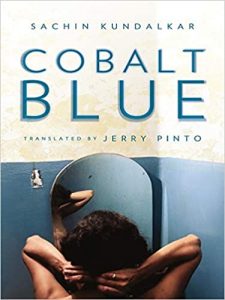
Cobalt Blue
Rapturous love and fierce heartbreak told with unsparing clarity.
Cobalt Blue || Sachin Kundalkar (Author), Jerry Pinto (Translator)
A paying guest seems like a win-win proposition to the Joshi family. He’s ready with the rent, he’s willing to lend a hand when he can and he’s happy to listen to Mrs Joshi on the imminent collapse of our culture. But he’s also a man of mystery. He has no last name. He has no family, no friends, no history and no plans for the future. The siblings Tanay and Anuja are smitten by him. He overturns their lives and when he vanishes, he breaks their hearts.
If You See Me, Don’t Say Hi
An examination and confrontation of our most deeply held stereotypes.
If You See Me, Don’t Say Hi || Neel Patel
In eleven sharp, surprising stories, Neel Patel gives voice to our most deeply held stereotypes and then slowly undermines them. His characters, almost all of whom are first-generation Indian Americans, subvert our expectations that they will sit quietly by. We meet two brothers caught in an elaborate web of envy and loathing; a young gay man who becomes involved with an older man whose secret he could never guess; three women who almost gleefully throw off the pleasant agreeability society asks of them; and, in the final pair of linked stories, a young couple struggling against the devastating force of community gossip.
Memory of Light
Desire, distances, loss and same-sex love woven through poetry and melodies.
Memory of Light || Ruth Vanita
Preparations for King George the Third’s fiftieth birthday gala are in full swing in Lucknow. As poets and performers vie to be part of the show, Chapla Bai, a dazzling courtesan from Kashi, briefly enters this competitive world, and sweeps the poet Nafis Bai off her feet. An irresistible passion takes root, expanding and contracting like a wave of light.
Talking of Muskaan
Life, death and secrets – and the young people caught in-between.
Talking of Muskaan || HImanjali Sankar
Three classmates—her former best friend Aaliya, the hottie Prateek, and the class topper Subhojoy—talk about Muskaan, and themselves. About school, home and the larger world, the school bus and the basketball court; about secrets that become burdens. And through their stories are revealed the twists and turns that drove Muskaan to try to kill herself.
*
Which stories spoke to you this month? Share with us by dropping us a line in the comments!
Team Penguin wishes you safety, wellbeing, and pride.
Magesh is different from other children. He’s no good with words. And when he’s misunderstood he gets upset and his movements get jerky. But there are two things he loves: playing with his brother Vignesh, and his Vibhuti Cat. But what will happen when Magesh starts going to school? Will he take Vibhuti cat along?
Here is an excerpt from Vibhuti Cat, by Shikhandin where we get to know Magesh a little better!
Magesh ran to the washing machine and banged the lid. Paati, who was dozing on her armchair, woke up with a start. Magesh grinned. He banged the lid again.
‘Magu,’ said Paati, ‘draw something.’
Magesh cocked his head, eyes bright. He ran on tippy toes to get his colour pencils and drawing book. He flopped down on the floor to draw, but kept looking at the door. Anna would be home soon.
Anna was Vignesh. He was two years older, and studied in Class Four. Every day after school, he would first finish his homework and then do what Magesh waited all day for —play with him!
Magesh spoke very little—one or two words, never whole sentences. Appa, Amma, Paati and Vignesh understood him. But their friends and neighbours and relatives did not. Sometimes, they even got upset with Magesh.
When that happened, Mageshˇs hands and legs moved even more jerkily. At times, he banged things over and over again. Amma and Appa always picked him up to calm him. But Vignesh knew a word that could always make Magesh happy again: Cat!
Magesh loved cats. He could stay still for hours looking at cats, their pictures and videos. He loved to draw cats, all kinds of cats. He drew other things too—starry skies, birds, the sun and moon, grass, trees and rain. But he mostly drew cats. And his favourite was Vibhuti Cat.
To read the story, get your copy of the book here!
Megha Majumdar’s electrifying debut novel, A Burning, is about the cost and freedom of dreams in a world burdened with class and socio-political power-structures.
She traces the lives of three protagonists Jivan, Lovely and PT Sir – which get entangled after a terrorist attack on a train in Kolkata. The responsibilities for both Jivan’s false charges and her freedom lie in the hands of PT Sir and Lovely – who too are battling with the daily indignities of their life.
With entrenched injustices, fascism, politics of religion, and betrayals coming into play – these characters become reflective of daily human struggles in a country spinning towards extremism.
*
Jivan
‘If the police didn’t help ordinary people like you and me, if the police watched them die, doesn’t that mean that the government is also a terrorist?’
Jivan is a Muslim girl living in a slum in Kolkata. She witnesses the aftermath and carnage of a terrorist attack on a train and reshares a video on Facebook with the caption given above. Days later she is arrested for the attack and thrown into prison undoing tears of work she has spent clawing her way out of poverty.
PT Sir
‘PT Sir knows who she is. Isn’t she the ghost who begs him for mercy? Isn’t she the ghost who searches the gaze of her teacher, hoping that he might offer rescue? Maybe that is why they had the white curtain up at the court— not so that Jivan could not influence his testimony, but so that he would not have to face her.’
A gym coach, PT Sir is Jivan’s former physical education teacher who turns against out of his thirst for recognition. He embraces a political career, getting entangled in extremist politics, inextricably connecting his political rise with Jivan’s fall.
Lovely
‘Uff! Don’t make me say it, Lovely. I can’t do this marriage scene with a half man.’
Lovely is a transgender woman from the same slum as Jivan – who dreams of making it big in Bollywood and attends a local acting class. She faces day-to-day ignominies because of her gender-identity. She has a husband named Azad. Lovely has an alibi that can prove Jivan’s innocence – but it would cost Lovely everything she holds dear.
*
A Burning|| Megha Majumdar
Jivan, Lovely and PT Sir present to us an unforgettable character-arc that explores the complexities of possessing morals in today’s world. As each of them face profound obstacles and inequalities, Majumdar gives us one searing question to explore through them: Who is allowed to dream?
We know it’s tough times – and especially when you have active and excitable kids at home.
Anxieties are running high, and the young ones are no different. But we have for you a trick that has proven to work for years – yoga!
Say hello to Om, our favourite yoga dog, who knows how to mix up fun and yoga for your kids to relax and go to bed happy and content.
Here are 5 asanas recommended by Om for your kids to try while staying at home:
*
Tummy Sandwich
How many times have the kids been hit by hunger pangs? Food takes care of their tummies, sure, but make sure to balance out the tummy-care with this super fun asana!
Sit up straight on the mat. Keep the legs together and stretch them out straight in front of you.
Stretch your arms up over the head.
Reach out to touch your toes, bending from the hip. Keep your back straight.
Stay in this posture. Continue to inhale and exhale comfortably.
Dancer
Who doesn’t like to dance? Amp up yoga for the kids with this asana!
Stand up and bend the right leg at the knee. Grab your big toe and pull it towards the head.
Stay in this position for a few seconds, fixing your gaze on a point in front of you to maintain balance. Focus on controlled breathing to steady the posture.
Repeat on the other side.
Warrior
This one is perfect for all the little warriors, fighters, boxers, and wrestlers in your house.
Stand with your feet 3–4 feet apart. Raise your arms, keeping them perpendicular to the floor and parallel to each other.
Bend your right knee, keeping it parallel to the ground. Keep your left leg straight.
Reach your arms towards the sky. Arch your back.
As you reach higher, try to bring your arms together.
Roaring Lion
Do your kids have a booming roar? For all the tigers and lions in the house – try this one out!
Sit with your hips on the heels. Rest your palms on your knees, spreading your fingers like the claws of a lion.
Raise the chin. Stretch your spine.
Place your palms on the floor in front of the knees. Arch the spine and stickyou’re your tongue. Then ROAR like a lion!
Come back to the starting position and repeat.
Savasanas
This one is the trickiest of the lot. Surprised? Well, we suggest being extra careful that they don’t fall asleep – perhaps make it a challenge?
Lie down on the mat. Keep your hands and legs apart and your palms open. Relax.
Close your eyes and breathe gently and slowly. Be absolutely still. Imagine that your breath is flowing through your body like a stream.
Lie down in this position for a few minutes. Relax each and every part off your body.
*
Om the Yoga Dog|| Ira Trivedi
Here’s to some fun and relaxing times with your kids and your family during quarantine. Om the Yoga Dog wishes you safety and wellbeing!
On 28 November 2019, Uddhav Thackeray, the Shiv Sena chief, was sworn in as the eighteenth chief minister of Maharashtra. This event marked the culmination of a high-voltage political drama that had the entire nation glued to their television sets for days on end. With no party being able to claim a majority in the assembly, President’s Rule was imposed in the state. This book takes its readers through the twists and turns of the dramatic political crisis that unfolded as Maharashtra waited for its chief minister.
What really went on behind the scenes?
With access to inside sources and private conversations, this book reveals the hitherto untold story of this political drama, with a comprehensive overview of the state’s politics in the last few decades.
Read below an excerpt from the book:
After leaving the Maha Vikas Aghadi meeting at the Nehru Centre (Worli) on 22 November 2019, Ajit Pawar arrived at his Churchgate residence. He again left the house at around 10.30 p.m. He asked his driver to stop on the way. He then asked the driver to return to his house with the car. Pawar stepped into another car and left for the western suburbs. Around the same time, Fadnavis also left his chief ministerial convoy and, in a different vehicle, arrived at the Hotel Sofitel in BKC, around midnight. Both leaders chose to avoid the public glare and media attention. They entered the five-star luxury hotel from a back door. It was an hour-long meeting. After hearing the name of Uddhav Thackeray as a possible candidate for the position of the chief minister of Maharashtra, Devendra Fadnavis panicked and informed Ajit Pawar that they had to take the oath the very next day, on 23 November 2019, at Raj Bhavan. Ajit Pawar asked him about President’s Rule and other procedures and requested Fadnavis to not be in a hurry. Ajit Pawar told Fadnavis that Sharad Pawar had given the green signal but the final discussion was yet to happen. However, according to an NCP leader who spoke with the author, Fadnavis told him that discussions could take place later.According to Fadnavis, it was of utmost importance to take the oath as soon as possible and then resolve other pending matters.
Meanwhile, Ajit Pawar had come to know that his uncle was reluctant to align with the BJP. A person close to Ajit Pawar said to this author that while planning the formation of the government with the Shiv Sena and the Congress, the state NCP president Jayant Patil’s name was finalized for the position of the deputy chief minister with the home portfolio. It was a big shock for Ajit Pawar. There seemed to be a plan afoot to systematically sideline Ajit Pawar, and to later bring in Supriya Sule as the chief minister of Maharashtra for the half term once Uddhav Thackeray’s two and a half years were over . . . It seemed like the end of Ajit Pawar’s career.
Perhaps, therefore, Ajit Pawar also panicked and decided to go ahead with what must have seemed to be his last resort—joining hands with the BJP despite his uncle’s reluctance. …
Ajit Pawar and his close aide had called the thirty-eight NCP legislators in Mumbai and had asked them to assemble at Dhananjay Munde’s bungalow in front of the Secretariat House (Mantralaya) at 12.30 a.m. Sunil Tatkare, Dhananjay Munde and Praful Patel had been kept in the loop. …While leaving their own constituencies, the NCP legislators started calling each other, mentioning that Ajit Pawar had called them for a meeting. It turned out that the other legislators who were not a part of the thirty-eight had no clue about this meeting in Mumbai. … Finally, out of thirty-eight, only fifteen NCP legislators reached Mumbai. This was perhaps the first signal that Ajit Pawar’s coup would not be a cakewalk.
The NCP chief, Sharad Pawar, got wind of this development around 12.30 or 1 a.m. on 23 November. At Raj Bhavan, the engineers had asked the sound and microphone system operators to remain there only. This news spread and there were suspicions that something was up at Raj Bhavan. The NCP legislators who were directly in touch with Sharad Pawar informed him that Ajit Pawar had called them for a meeting. However, after speaking with Sharad Pawar, many of them decided not to attend the meeting. Pawar thus had an idea about his nephew’s plans, but he remained doubtful about its success. Later, around 3 a.m., on Saturday, Pawar sought an update on how many legislators were siding with Ajit Pawar. He knew that if only these fifteen legislators went with his nephew that would not help him to form the government. The BJP had 105 seats and the support of fifteen independent legislators; it needed at least twenty-five to thirty legislators to cross the 145 mark. Ajit Pawar teaming up with the BJP would not only be a fiasco but he would also lose his credibility
As per his interview with ABP Majha, Sharad Pawar said that he went to bed late, around 3 a.m., at Silver Oak, hardly a fifteen-minute drive from Raj Bhavan. Around the same time, Devendra Fadnavis was getting ready to take the oath as chief minister of Maharashtra for a second time. As per a local television channel, around 4 a.m. in the morning, Fadnavis and his wife, Amruta Fadnavis organized a mirchi havan (a sacred ritual around a fire), which was performed by the priests from Nalkheda’s Baglamukhi temple in Madhya Pradesh. Baglamukhi is a tantric deity in Hinduism. Fadnavis was told that this same havan was performed to save the Harish Rawat government in Uttarakhand. When the Rawat government lost the majority in the house, his brother Jagdish Rawat rushed to the Baglamukhi temple to perform the mirchi havan and, eventually, apparently, Rawat was able to save his government. Since then, this temple town had become famous among politicians and businessmen. The report of the channel stated that Fadnavis was convinced that if this mirchi havan was performed by him at Varsha Bungalow, his official residence in Mumbai, he would again be chief minister of Maharashtra. Earlier also, Fadnavis had conducted the same mirchi havan on several occasions to retain the chief minister’s chair whenever it was in trouble. Once the havan was done, the tantriks were paid dakshina (donation) and they left for Madhya Pradesh; their return journey was coordinated by Prasad Lad.
It was time for Fadnavis to get ready for his second swearing-in ceremony at Raj Bhavan. Rather than choosing his favourite blue jacket, he had, as per the instructions of the tantrik, opted for the colour black to ward off evil spirits. Ajit Pawar, as leader of the NCP’s legislative party, had with him two original copies of the signatures of the fifty-four NCP legislators, in Marathi and in English. A copy of the list was handed over to Maharashtra’s chief secretary, Ajoy Mehta, who was waiting at Varsha Bungalow. As per an Indian Express report dated 2 December 2019, Mehta had been specially flown in from Delhi to expedite the Devendra Fadnavis–Ajit Pawar swearing-in ceremony on 23 November.