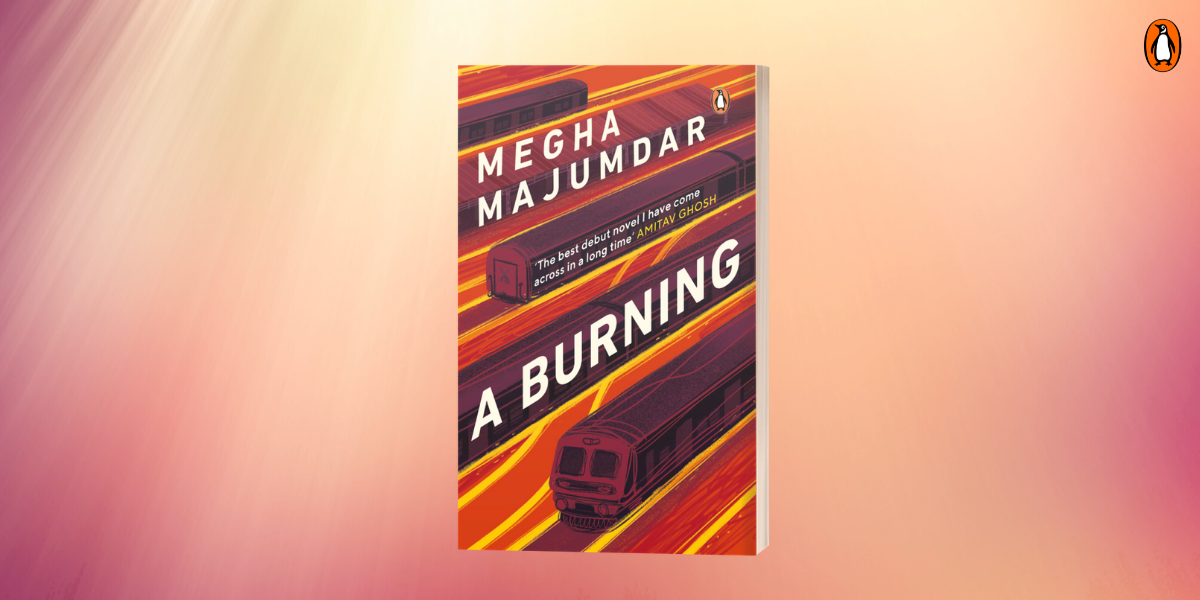
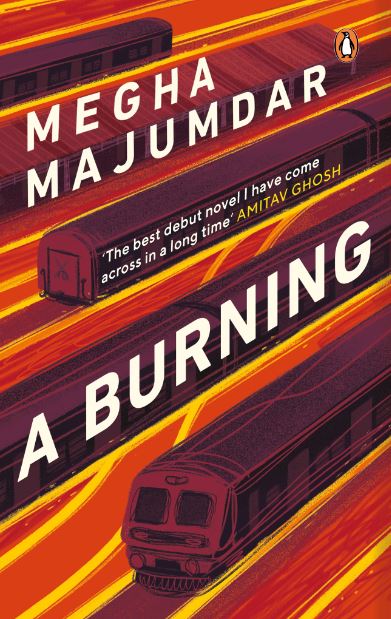
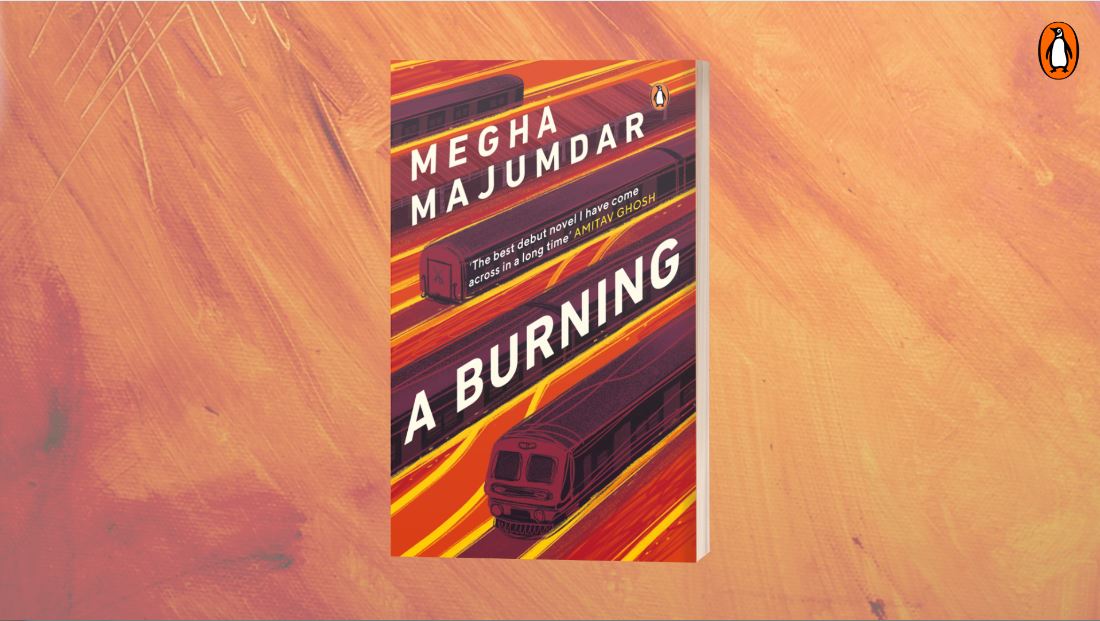
Megha Majumdar’s electrifying debut novel, A Burning, is about the cost and freedom of dreams in a world burdened with class and socio-political power-structures.
She traces the lives of three protagonists Jivan, Lovely and PT Sir – which get entangled after a terrorist attack on a train in Kolkata. The responsibilities for both Jivan’s false charges and her freedom lie in the hands of PT Sir and Lovely – who too are battling with the daily indignities of their life.
With entrenched injustices, fascism, politics of religion, and betrayals coming into play – these characters become reflective of daily human struggles in a country spinning towards extremism.
*
Jivan
‘If the police didn’t help ordinary people like you and me, if the police watched them die, doesn’t that mean that the government is also a terrorist?’
Jivan is a Muslim girl living in a slum in Kolkata. She witnesses the aftermath and carnage of a terrorist attack on a train and reshares a video on Facebook with the caption given above. Days later she is arrested for the attack and thrown into prison undoing tears of work she has spent clawing her way out of poverty.
PT Sir
‘PT Sir knows who she is. Isn’t she the ghost who begs him for mercy? Isn’t she the ghost who searches the gaze of her teacher, hoping that he might offer rescue? Maybe that is why they had the white curtain up at the court— not so that Jivan could not influence his testimony, but so that he would not have to face her.’
A gym coach, PT Sir is Jivan’s former physical education teacher who turns against out of his thirst for recognition. He embraces a political career, getting entangled in extremist politics, inextricably connecting his political rise with Jivan’s fall.
Lovely
‘Uff! Don’t make me say it, Lovely. I can’t do this marriage scene with a half man.’
Lovely is a transgender woman from the same slum as Jivan – who dreams of making it big in Bollywood and attends a local acting class. She faces day-to-day ignominies because of her gender-identity. She has a husband named Azad. Lovely has an alibi that can prove Jivan’s innocence – but it would cost Lovely everything she holds dear.
*
A Burning|| Megha Majumdar
Jivan, Lovely and PT Sir present to us an unforgettable character-arc that explores the complexities of possessing morals in today’s world. As each of them face profound obstacles and inequalities, Majumdar gives us one searing question to explore through them: Who is allowed to dream?
We know it’s tough times – and especially when you have active and excitable kids at home.
Anxieties are running high, and the young ones are no different. But we have for you a trick that has proven to work for years – yoga!
Say hello to Om, our favourite yoga dog, who knows how to mix up fun and yoga for your kids to relax and go to bed happy and content.
Here are 5 asanas recommended by Om for your kids to try while staying at home:
*
Tummy Sandwich
How many times have the kids been hit by hunger pangs? Food takes care of their tummies, sure, but make sure to balance out the tummy-care with this super fun asana!
Sit up straight on the mat. Keep the legs together and stretch them out straight in front of you.
Stretch your arms up over the head.
Reach out to touch your toes, bending from the hip. Keep your back straight.
Stay in this posture. Continue to inhale and exhale comfortably.
Dancer
Who doesn’t like to dance? Amp up yoga for the kids with this asana!
Stand up and bend the right leg at the knee. Grab your big toe and pull it towards the head.
Stay in this position for a few seconds, fixing your gaze on a point in front of you to maintain balance. Focus on controlled breathing to steady the posture.
Repeat on the other side.
Warrior
This one is perfect for all the little warriors, fighters, boxers, and wrestlers in your house.
Stand with your feet 3–4 feet apart. Raise your arms, keeping them perpendicular to the floor and parallel to each other.
Bend your right knee, keeping it parallel to the ground. Keep your left leg straight.
Reach your arms towards the sky. Arch your back.
As you reach higher, try to bring your arms together.
Roaring Lion
Do your kids have a booming roar? For all the tigers and lions in the house – try this one out!
Sit with your hips on the heels. Rest your palms on your knees, spreading your fingers like the claws of a lion.
Raise the chin. Stretch your spine.
Place your palms on the floor in front of the knees. Arch the spine and stickyou’re your tongue. Then ROAR like a lion!
Come back to the starting position and repeat.
Savasanas
This one is the trickiest of the lot. Surprised? Well, we suggest being extra careful that they don’t fall asleep – perhaps make it a challenge?
Lie down on the mat. Keep your hands and legs apart and your palms open. Relax.
Close your eyes and breathe gently and slowly. Be absolutely still. Imagine that your breath is flowing through your body like a stream.
Lie down in this position for a few minutes. Relax each and every part off your body.
*
Om the Yoga Dog|| Ira Trivedi
Here’s to some fun and relaxing times with your kids and your family during quarantine. Om the Yoga Dog wishes you safety and wellbeing!
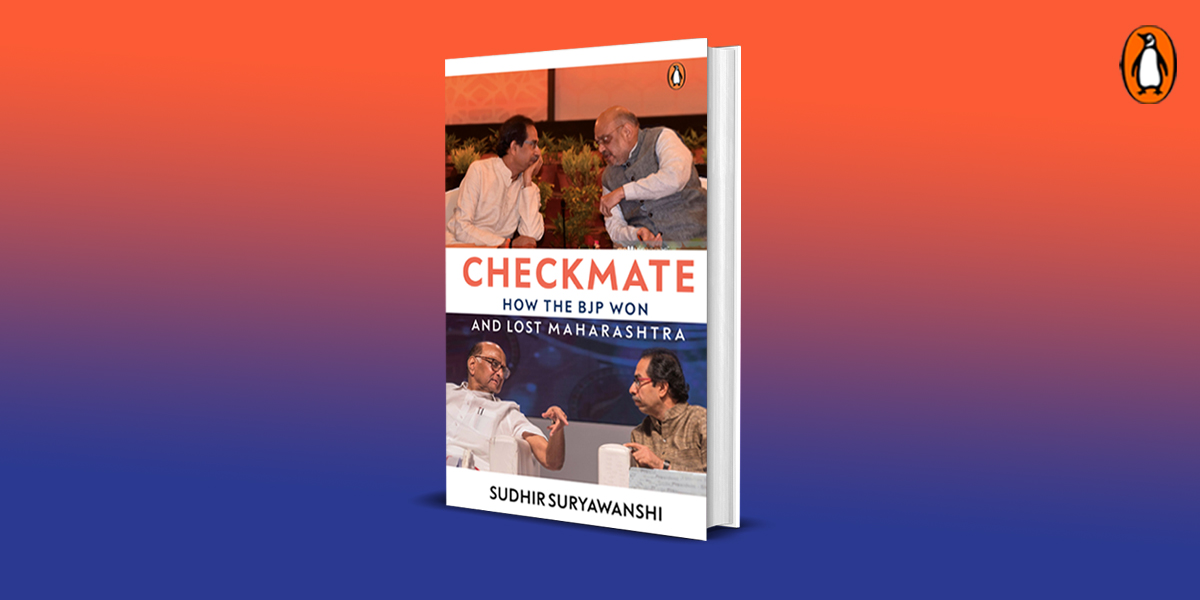
On 28 November 2019, Uddhav Thackeray, the Shiv Sena chief, was sworn in as the eighteenth chief minister of Maharashtra. This event marked the culmination of a high-voltage political drama that had the entire nation glued to their television sets for days on end. With no party being able to claim a majority in the assembly, President’s Rule was imposed in the state. This book takes its readers through the twists and turns of the dramatic political crisis that unfolded as Maharashtra waited for its chief minister.
What really went on behind the scenes?
With access to inside sources and private conversations, this book reveals the hitherto untold story of this political drama, with a comprehensive overview of the state’s politics in the last few decades.
Read below an excerpt from the book:
After leaving the Maha Vikas Aghadi meeting at the Nehru Centre (Worli) on 22 November 2019, Ajit Pawar arrived at his Churchgate residence. He again left the house at around 10.30 p.m. He asked his driver to stop on the way. He then asked the driver to return to his house with the car. Pawar stepped into another car and left for the western suburbs. Around the same time, Fadnavis also left his chief ministerial convoy and, in a different vehicle, arrived at the Hotel Sofitel in BKC, around midnight. Both leaders chose to avoid the public glare and media attention. They entered the five-star luxury hotel from a back door. It was an hour-long meeting. After hearing the name of Uddhav Thackeray as a possible candidate for the position of the chief minister of Maharashtra, Devendra Fadnavis panicked and informed Ajit Pawar that they had to take the oath the very next day, on 23 November 2019, at Raj Bhavan. Ajit Pawar asked him about President’s Rule and other procedures and requested Fadnavis to not be in a hurry. Ajit Pawar told Fadnavis that Sharad Pawar had given the green signal but the final discussion was yet to happen. However, according to an NCP leader who spoke with the author, Fadnavis told him that discussions could take place later.According to Fadnavis, it was of utmost importance to take the oath as soon as possible and then resolve other pending matters.
Meanwhile, Ajit Pawar had come to know that his uncle was reluctant to align with the BJP. A person close to Ajit Pawar said to this author that while planning the formation of the government with the Shiv Sena and the Congress, the state NCP president Jayant Patil’s name was finalized for the position of the deputy chief minister with the home portfolio. It was a big shock for Ajit Pawar. There seemed to be a plan afoot to systematically sideline Ajit Pawar, and to later bring in Supriya Sule as the chief minister of Maharashtra for the half term once Uddhav Thackeray’s two and a half years were over . . . It seemed like the end of Ajit Pawar’s career.
Perhaps, therefore, Ajit Pawar also panicked and decided to go ahead with what must have seemed to be his last resort—joining hands with the BJP despite his uncle’s reluctance. …
Ajit Pawar and his close aide had called the thirty-eight NCP legislators in Mumbai and had asked them to assemble at Dhananjay Munde’s bungalow in front of the Secretariat House (Mantralaya) at 12.30 a.m. Sunil Tatkare, Dhananjay Munde and Praful Patel had been kept in the loop. …While leaving their own constituencies, the NCP legislators started calling each other, mentioning that Ajit Pawar had called them for a meeting. It turned out that the other legislators who were not a part of the thirty-eight had no clue about this meeting in Mumbai. … Finally, out of thirty-eight, only fifteen NCP legislators reached Mumbai. This was perhaps the first signal that Ajit Pawar’s coup would not be a cakewalk.
The NCP chief, Sharad Pawar, got wind of this development around 12.30 or 1 a.m. on 23 November. At Raj Bhavan, the engineers had asked the sound and microphone system operators to remain there only. This news spread and there were suspicions that something was up at Raj Bhavan. The NCP legislators who were directly in touch with Sharad Pawar informed him that Ajit Pawar had called them for a meeting. However, after speaking with Sharad Pawar, many of them decided not to attend the meeting. Pawar thus had an idea about his nephew’s plans, but he remained doubtful about its success. Later, around 3 a.m., on Saturday, Pawar sought an update on how many legislators were siding with Ajit Pawar. He knew that if only these fifteen legislators went with his nephew that would not help him to form the government. The BJP had 105 seats and the support of fifteen independent legislators; it needed at least twenty-five to thirty legislators to cross the 145 mark. Ajit Pawar teaming up with the BJP would not only be a fiasco but he would also lose his credibility
As per his interview with ABP Majha, Sharad Pawar said that he went to bed late, around 3 a.m., at Silver Oak, hardly a fifteen-minute drive from Raj Bhavan. Around the same time, Devendra Fadnavis was getting ready to take the oath as chief minister of Maharashtra for a second time. As per a local television channel, around 4 a.m. in the morning, Fadnavis and his wife, Amruta Fadnavis organized a mirchi havan (a sacred ritual around a fire), which was performed by the priests from Nalkheda’s Baglamukhi temple in Madhya Pradesh. Baglamukhi is a tantric deity in Hinduism. Fadnavis was told that this same havan was performed to save the Harish Rawat government in Uttarakhand. When the Rawat government lost the majority in the house, his brother Jagdish Rawat rushed to the Baglamukhi temple to perform the mirchi havan and, eventually, apparently, Rawat was able to save his government. Since then, this temple town had become famous among politicians and businessmen. The report of the channel stated that Fadnavis was convinced that if this mirchi havan was performed by him at Varsha Bungalow, his official residence in Mumbai, he would again be chief minister of Maharashtra. Earlier also, Fadnavis had conducted the same mirchi havan on several occasions to retain the chief minister’s chair whenever it was in trouble. Once the havan was done, the tantriks were paid dakshina (donation) and they left for Madhya Pradesh; their return journey was coordinated by Prasad Lad.
It was time for Fadnavis to get ready for his second swearing-in ceremony at Raj Bhavan. Rather than choosing his favourite blue jacket, he had, as per the instructions of the tantrik, opted for the colour black to ward off evil spirits. Ajit Pawar, as leader of the NCP’s legislative party, had with him two original copies of the signatures of the fifty-four NCP legislators, in Marathi and in English. A copy of the list was handed over to Maharashtra’s chief secretary, Ajoy Mehta, who was waiting at Varsha Bungalow. As per an Indian Express report dated 2 December 2019, Mehta had been specially flown in from Delhi to expedite the Devendra Fadnavis–Ajit Pawar swearing-in ceremony on 23 November.
‘All the vitality and all the energy I have comes to me because my body is purified by fasting’
—Mahatma Gandhi
You must always turn to nature when you are sick or afflicted with disease. Nature holds all the answers, and when you align yourself with it, you heal and recover. Dry fasting is one such answer. Dry fasting is complete abstinence from food and water for a particular window during the day, followed by breaking the fast in a specific manner. This window during which one fasts is called the elimination phase, and the window during which one eats is called the building phase.
Dry fasting—or absolute fasting or Hebrew fasting— comes naturally to animals that are sick and wounded. They retire to a secluded place and fast until the body is restored to normal. it’s their natural instinct to refuse food during this time of recovery. At the most, they partake only of water and medicinal herbs. Ever seen a sick cat eat grass? The body is intelligent enough to heal. When the crisis is over, the appetite returns naturally. Humans also have fasting instincts, just like animals. but, unfortunately, when we fall sick, in most cases we fail to follow nature. We continue to eat food, even if in small amounts, and suffer because of it.
The Dry Fasting Miracle|| Luke Coutinho and Sheikh Abdulaziz Bin Ali Bin Rashed Al Nuaimi
Go back a thousand years. What did the early man do? Since food was scarce, they could only feast when they hunted—otherwise they fasted. This evolutionary adaptation has made our bodies efficient at fasting even in this era. if one observes children carefully—and even adults, for that matter—the moment they get sick or hurt, their appetite is what drops first. By switching on its healing mechanism, the body uses its natural intelligence to protect us. The appetite is lost for healing to take place as the immune system requires a lot of energy.
One of my clients, Neha Gupta, wrote to me saying that she had completed seventeen hours of fasting yesterday and thirteen-and-a-half hours today. She said she could never have imagined that she could dry-fast and that, too, with no hunger pangs, as she is known in her family as someone with no control over her appetite. She feels calmer now and more composed, with clarity of thought, but, most importantly, she says she feels happy!
The body is made up of five elements: Earth, Water, Fire, air and Ether. Fasting cleanses the element of Ether. During dry fasting, all vital forces are engaged in cleansing the body. It should be understood that the fast in itself does not bring about a new vital force but removes toxins in the body, which are the real cause of ill health. In the case of a disease, however, dry fasting is most beneficial when one practises it right from the initial stage.
Well, this is just the beginning of what dry fasting does. Read on to know more about the ancient wisdom behind the practice.
From beauty to general well-being, discover the miracle of dry fasting and the route to a new you in Luke Coutinho and Sheikh Abdulaziz Bin Ali Bin Rashed Al Nuaimi’s book, The Dry Fasting Miracle. Get your book here.
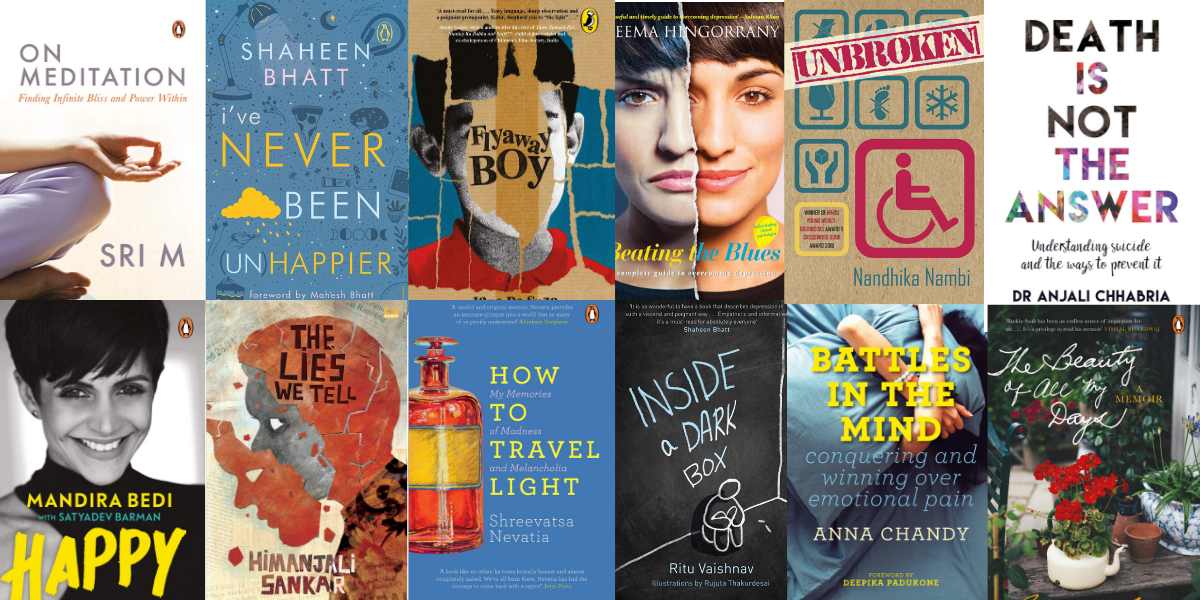
Books and stories are invaluable companions – especially to connect with and accept ourselves on a deeper, rawer level.
Times are challenging, and recent events have brought to the fore a dire need to address mental health concerns that most of us grapple with in silence and solitude. It’s crucial for us and our loved ones to know how to help and cope.
From personal stories to fictional characters that will speak to you and your struggles – scroll down below for a diverse list of books that will help you develop deep insights into your mind and your mental and spiritual health.
*
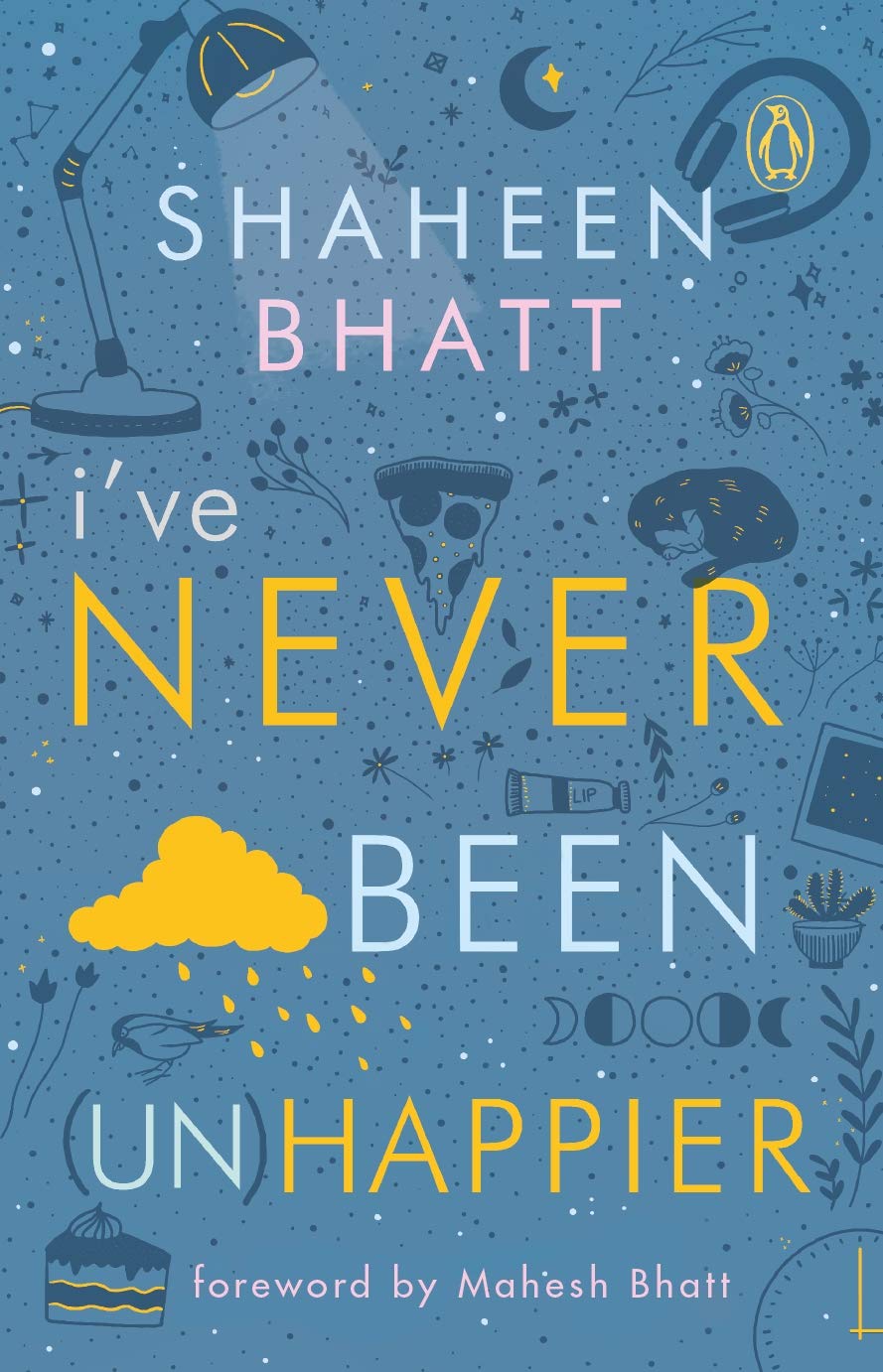
I’ve Never Been (Un)Happier by Shaheen Bhatt
I’ve Never Been (Un)Happier, Shaheen Bhatt
I don’t write about my experiences with depression to defend the legitimacy of my pain. My pain is real; it does not come to me because of my lifestyle, and it is not taken away by my lifestyle.
Unwittingly known as Alia Bhatt’s older sister and diagnosed with depression at the eighteen, this tell-all memoir is an intimate and raw look at the day-to-day experiences of living with depression.
*
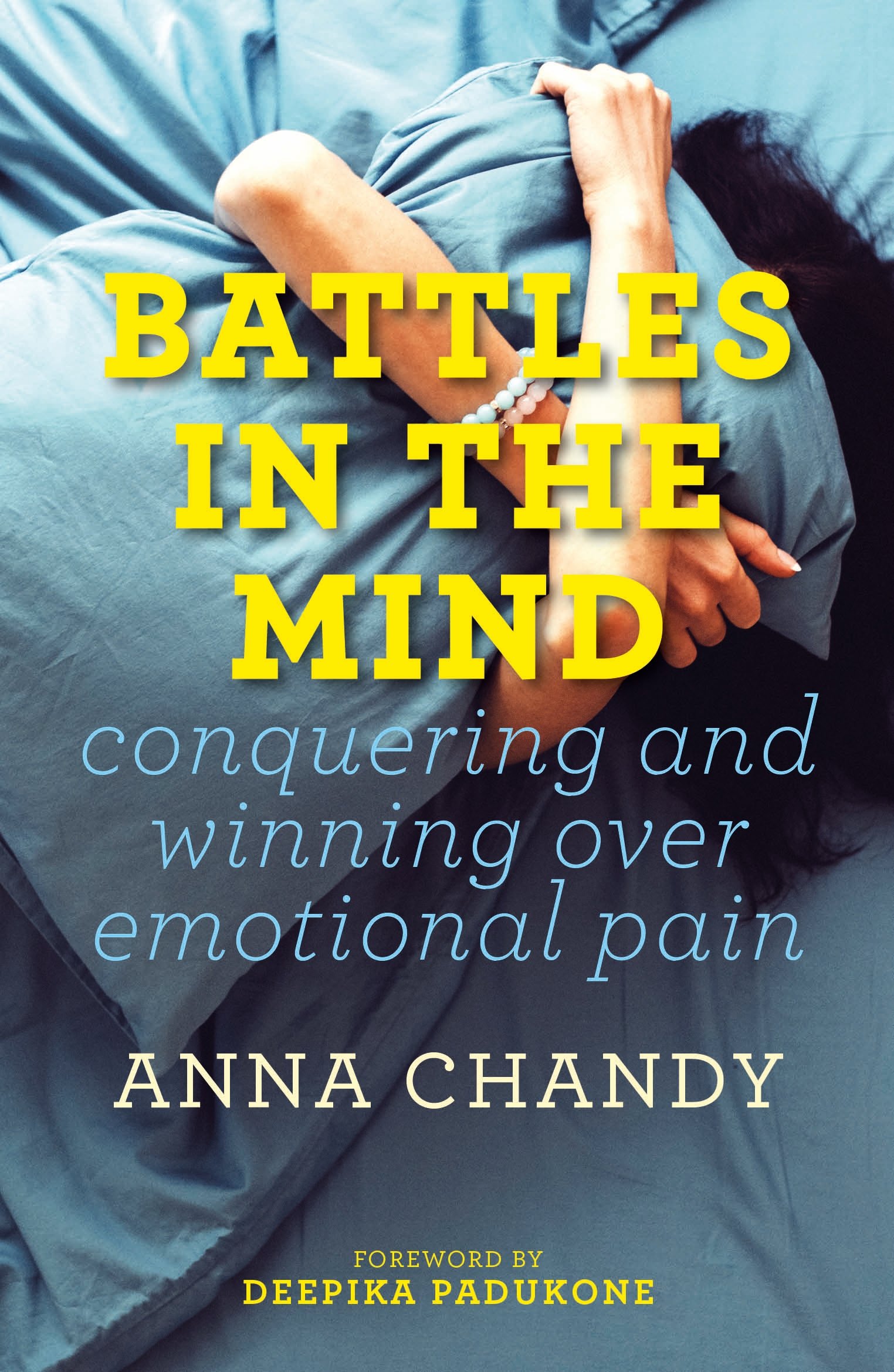
Battles of the Mind by Anna Chandy
Battles in the Mind, Anna Chandy
Our minds fight battles, trials and tribulations on a daily basis. Anna Chandy, the chair of the Live, Love, Laugh Foundation along with actress Deepika Padukone, shares here a personal story of survival through pain and lows – a story that we all can take away something from. Above all, her story teaches us to hope.
*
Death is Not the Answer by Anjali Chhabria
Death is not the Answer, Dr. Anjali Chhabria
Did you know that India is the world’s suicide capital with over 2.6 lakh cases reported every year?
From recognizing covert suicidal intentions to timely interventions – it has become more important than ever to develop insights into the minds of suicidal patients. Psychiatrist Dr. Anjali Chhabria attempts with to help thousands who are questioning the motive of their life, or dealing with grief – as well as people who have lost loved ones to suicide.
*
Beating the Blues by Seema Hingorrany
Beating the Blues, Seema Hingorrany
According to a WHO study, a mindboggling 35.9 percent of India suffers from Major Depressive Episodes (MDE). India’s leading clinical psychologist, psychotherapist, and trauma researcher Seema Hingorrany provides a comprehensive, step-by-step guide to treating depression, examining what the term really means, its signs, causes, and symptoms; and some accessible self-help techniques you can adopt to manage it in your day-to-day life.
*
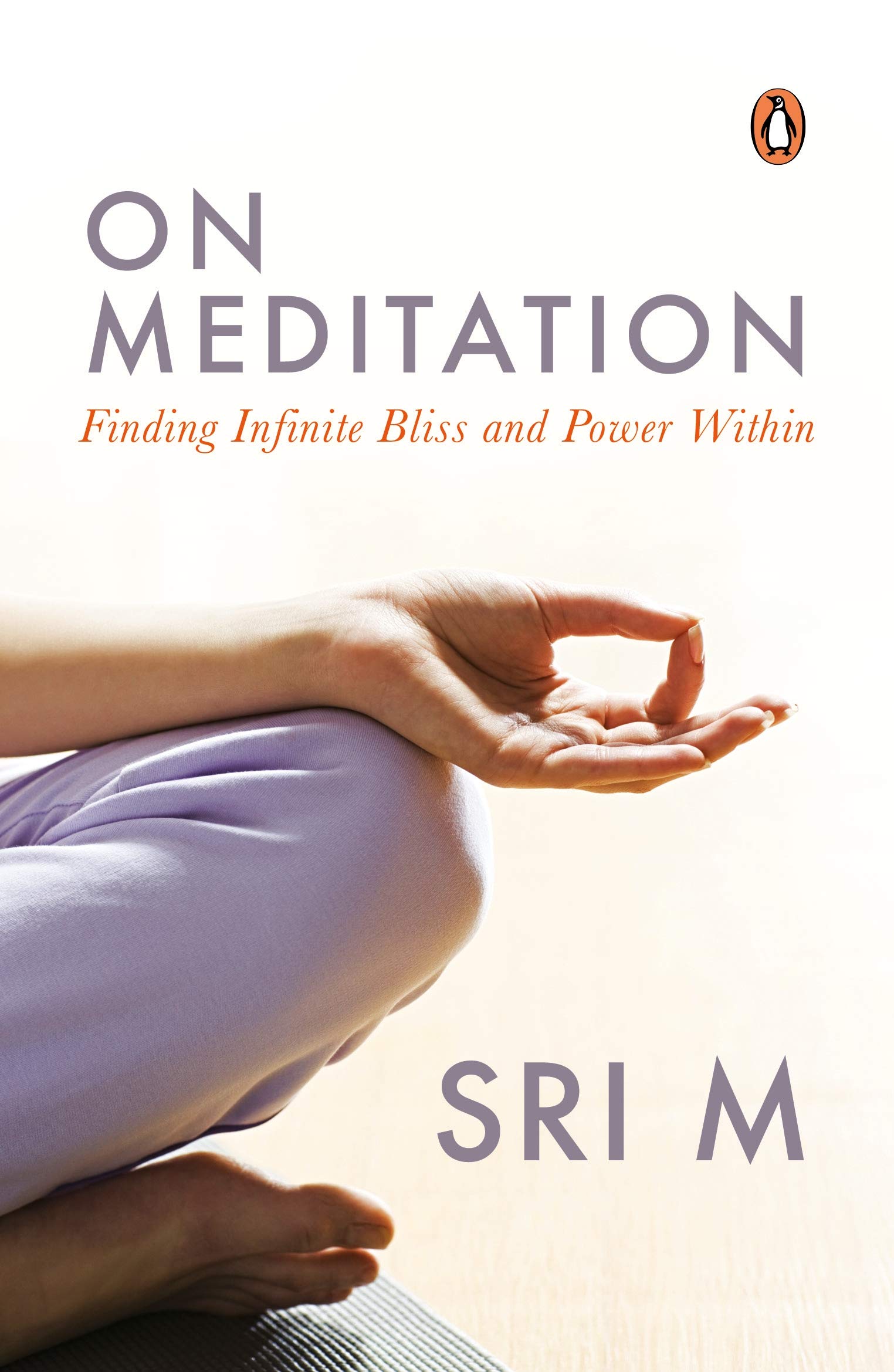
On Meditation by Sri M
On Meditation, Sri M
In today’s challenging world, don’t you wish you knew how to quieten your mind and focus on yourself?
Spiritual leader Sri M breaks down the practice of meditation into a simple and easy method that any working man or woman, young or old, can practise in their everyday lives.
*
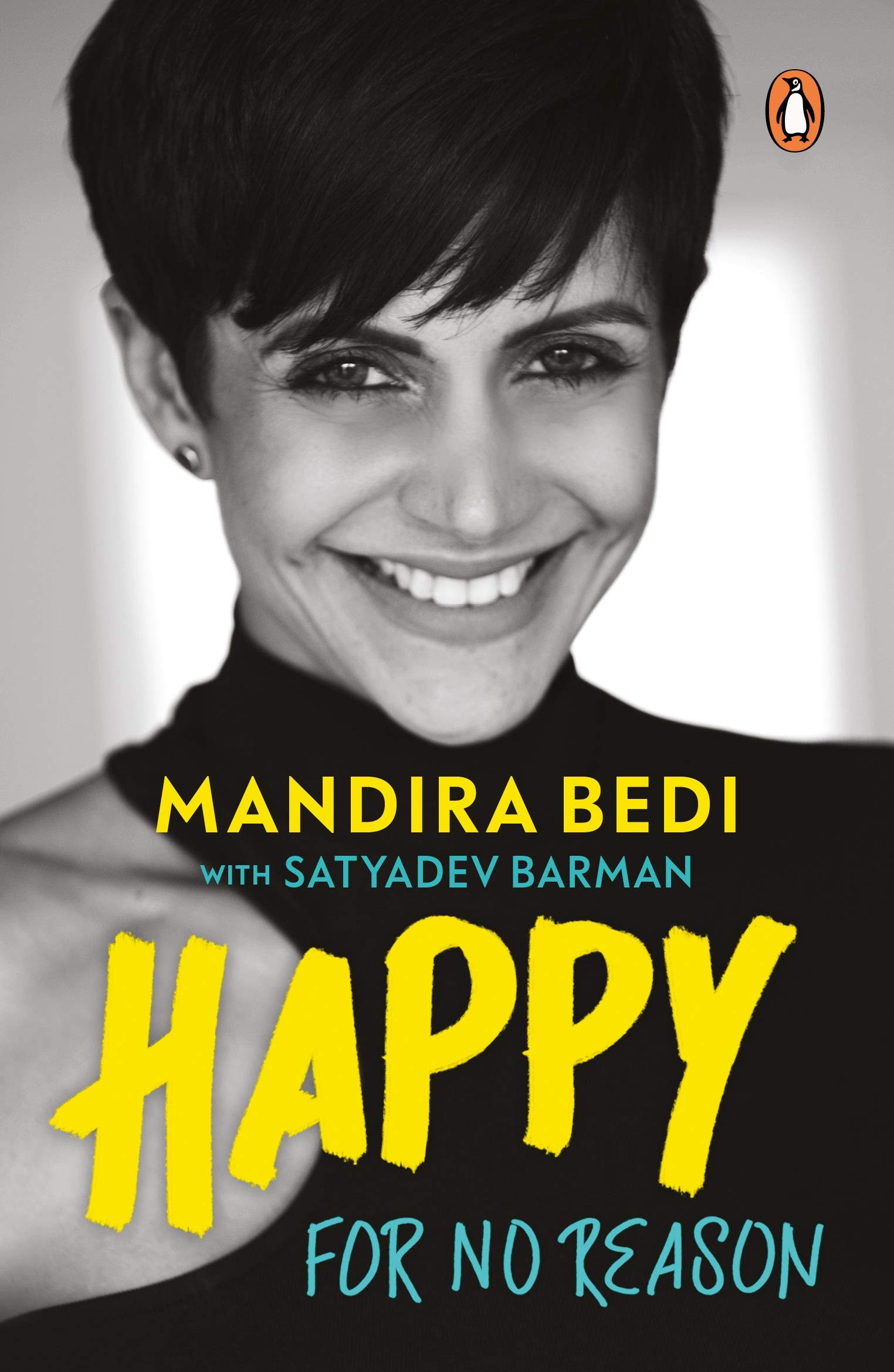
Happy for No Reason by Mandira Bedi
Happy for No Reason, Mandira Bedi
Mandira Bedi is a fitness icon. But behind the six-pack is also a snotty, complaining, can’t-get-out-of-bed-today girl who, in her own way, is still searching for true and unconditional happiness.
In her book, she invites you along on an ongoing discovery of some kind of non-scientific, non-spiritual and as-yet-non-existent formula for finding peace in everything; of how to be happy for no reason.
*
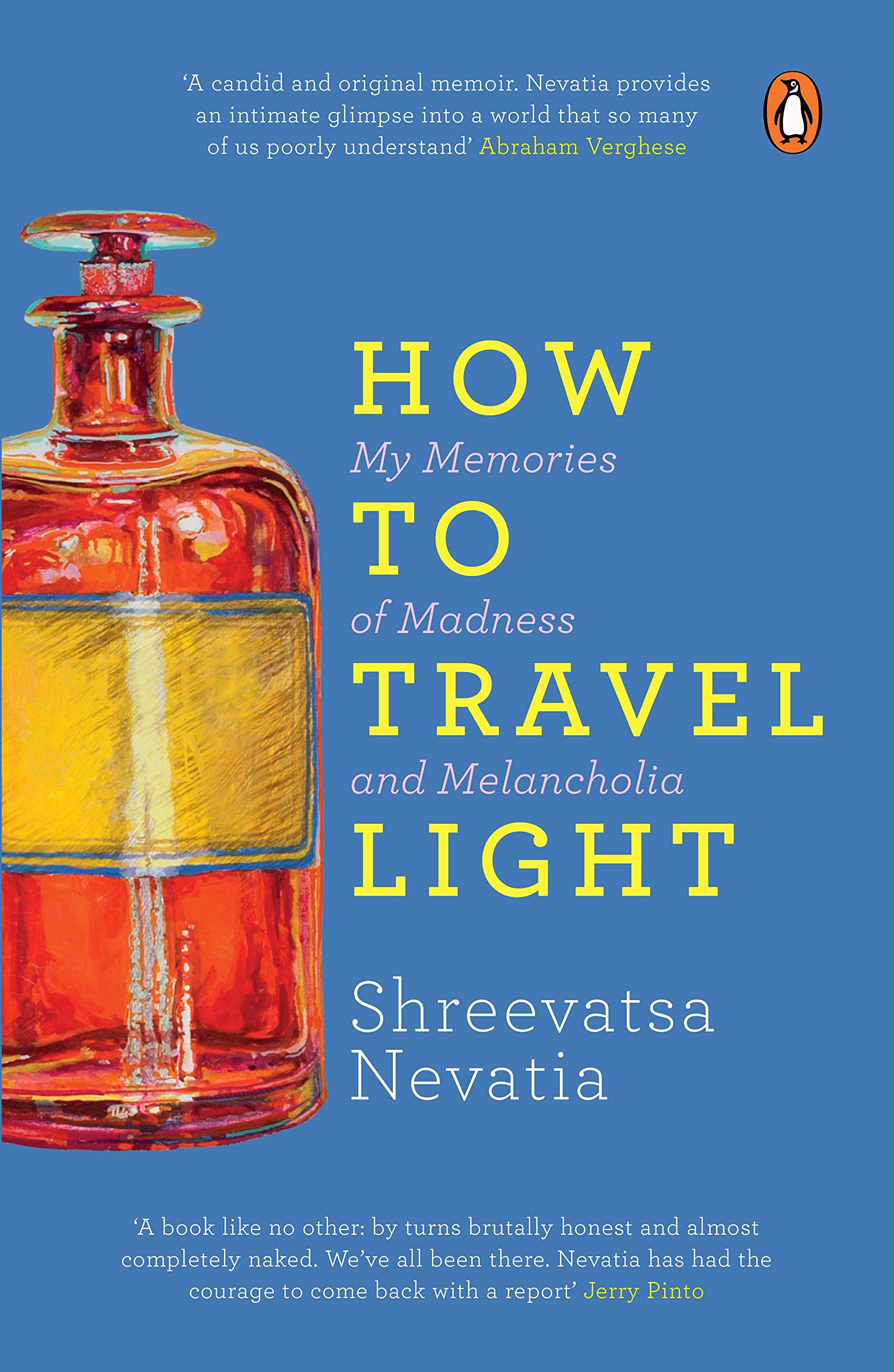
How to Travel Light by Shreevatsa Nevatia
How to Travel Light, Shreevatsa Nevatia
Diagnosed as bipolar at twenty-three, a young journalist struggles for a decade, fighting a cycle of depression, and euphoria.
In this candid, stylish journey, we visit diverse former loves and eccentric fellow sufferers; mental health institutions and Benares; his moments with Diana Eck and Deepika Padukone-and reckonings with past wounds.
*
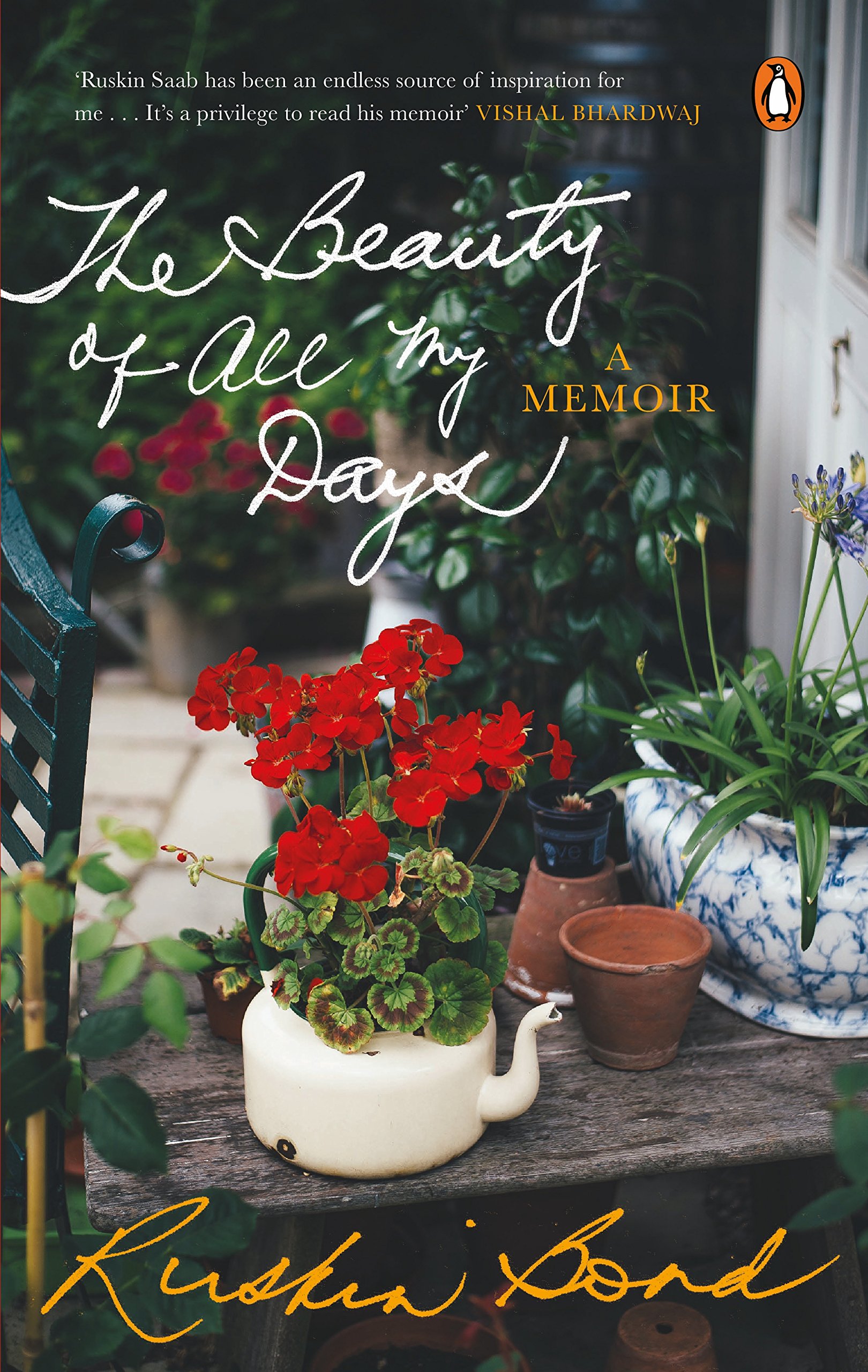
The Beauty of Ally My Days by Ruskin Bond
The Beauty of All My Days, Ruskin Bond
‘So here I am, delving into the past like Monsieur Poirot, not to solve a mystery, but to try to understand some of the events that have helped define the sort of person I have become.’
India’s most loved storyteller embarks on a self-reflective journey alongside his readers. Each chapter of this memoir is a remembrance of times past, an attempt to resurrect a person or a period or an episode, a reflection on the unpredictability of life. Some paths lead nowhere; others lead to a spring of pure water. Take any path and hope for the best. At least it will lead you out of the shadows.
*
The Younger Ones Struggle Too
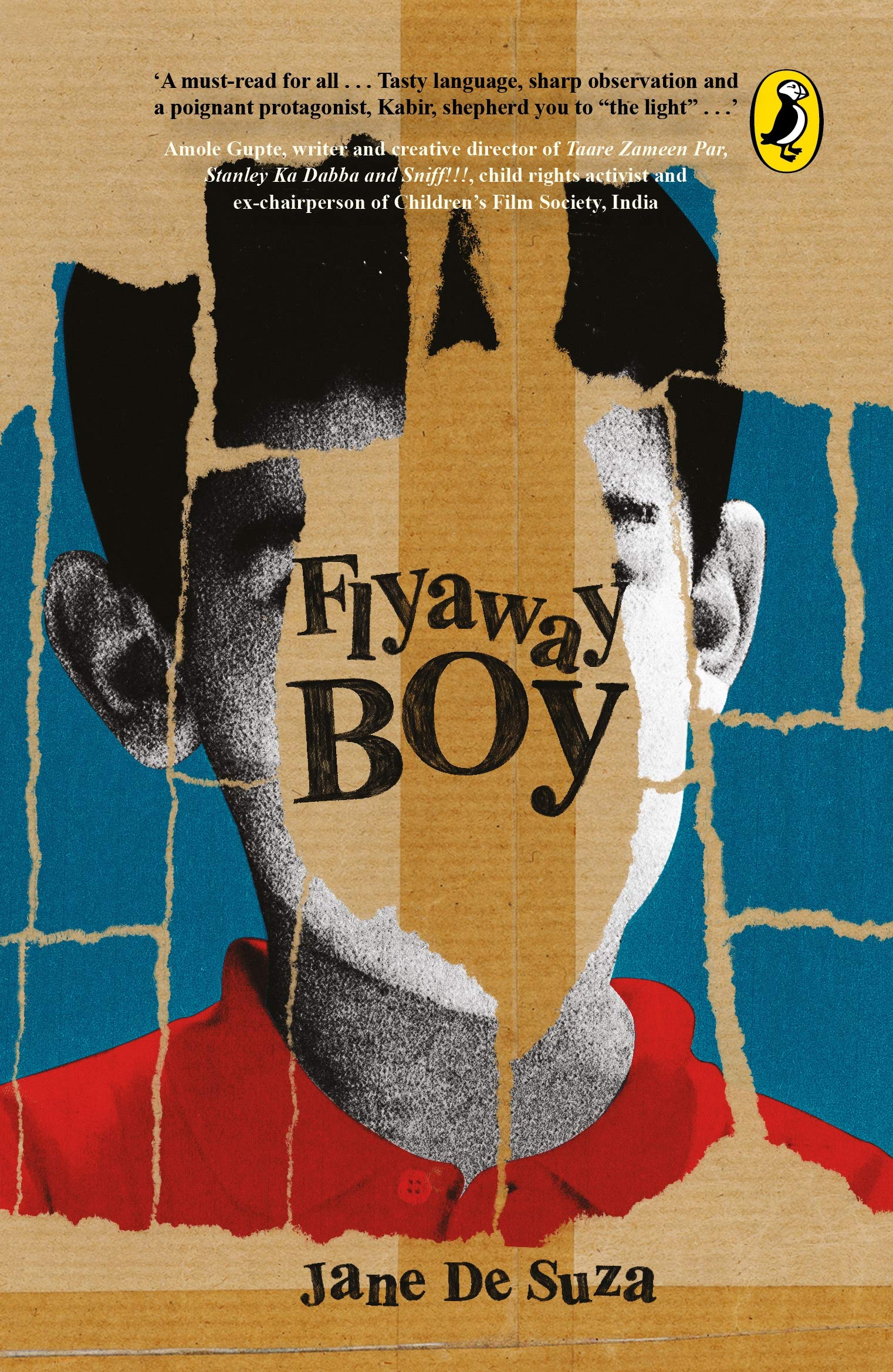
Flyaway Boy by Jane De Suza
Flyaway Boy, Jane De Suza
Spirited and powerfully imaginative, Flyaway Boy is a story about embracing everything that makes you uniquely you.
Kabir doesn’t fit in. Not in the wintry hill town, he lives in, and not in his school, where the lines are always straight. Backed into a corner with no way out, Kabir vanishes. With every adult’s nightmare now coming true, finding this flyaway boy will mean understanding who he really is.
This one is a must-read for every parent to understand, accept, and connect with their child better.
*
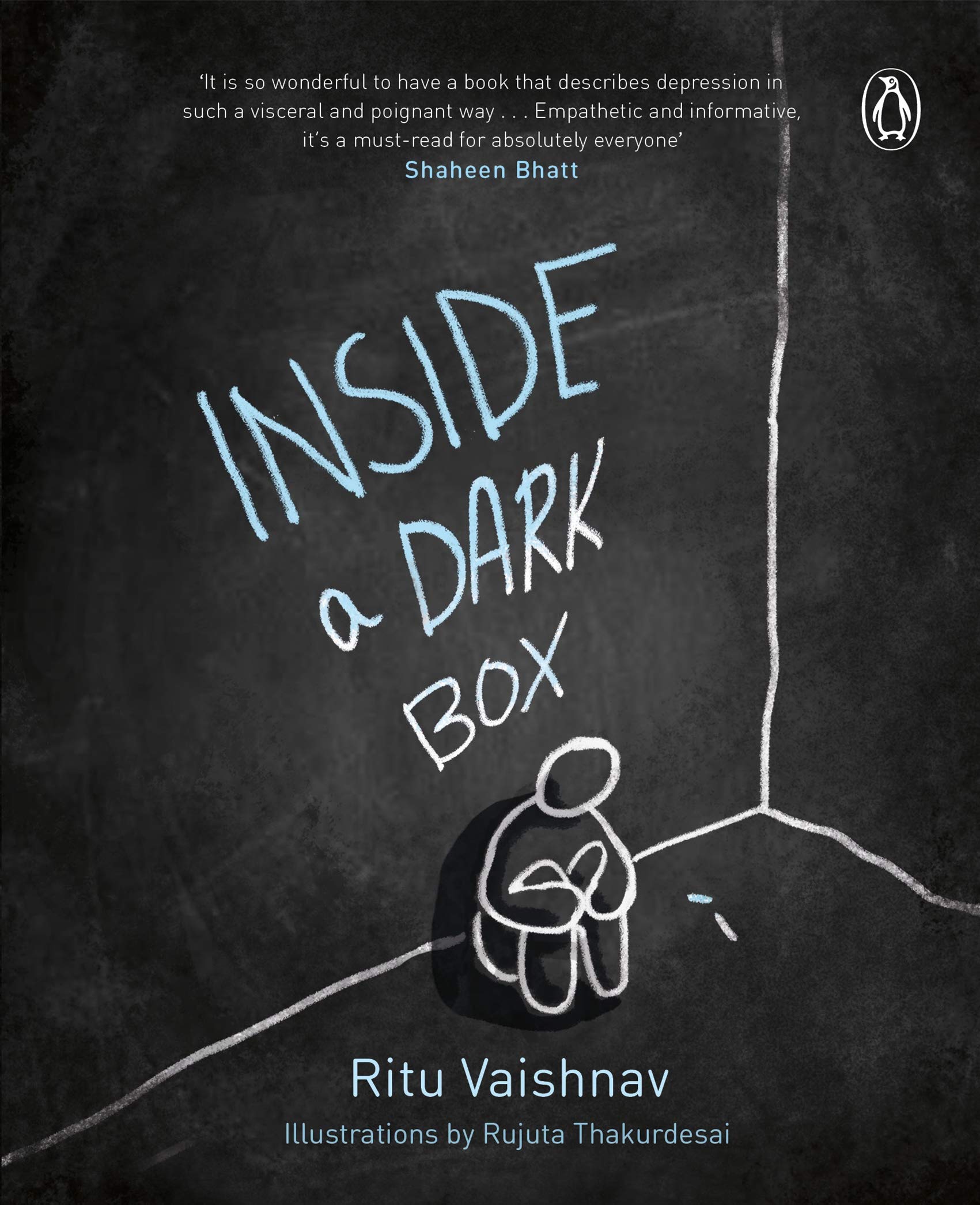
Inside a Dark Box by Ritu Vaishnav
Inside a Dark Box, Ritu Vaishnav
When you get trapped in darkness, finding your way out can be a long and lonely battle, especially when the war is within your own head. Here’s a peep inside a mind struggling with itself.
Powerfully illustrated and extremely accessible, Inside a Dark Box is a simple book about what depression can feel like.
*
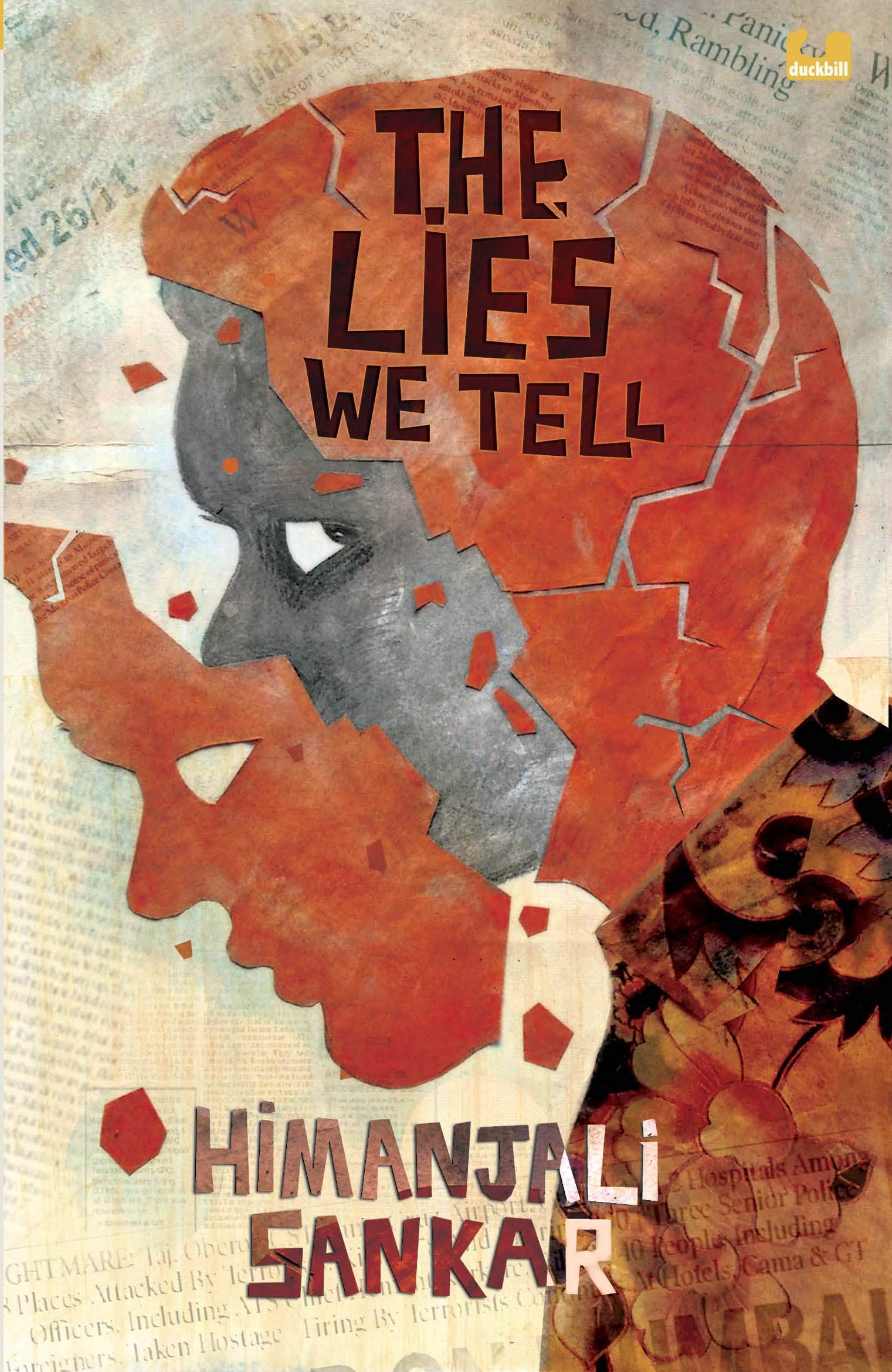
The Lies We Tell by Himanjali Sarkar
The Lies We Tell, Himanjali Sankar
Seventeen-year-old Irfan Ahmed is handsome, easy-going and deeply in love with his girlfriend, Uma. However, when Uma dumps him for his best friend, Rishi, Irfan’s life begins to unravel. Things haven’t been good at home ever since his sister left. And soon, they get worse.
when a photograph of Uma begins to circulate among their classmates, everyone suspects it’s Irfan taking his revenge on his two erstwhile best friends.
Is Irfan really going out of his mind or is there someone else out there playing games with him?
*
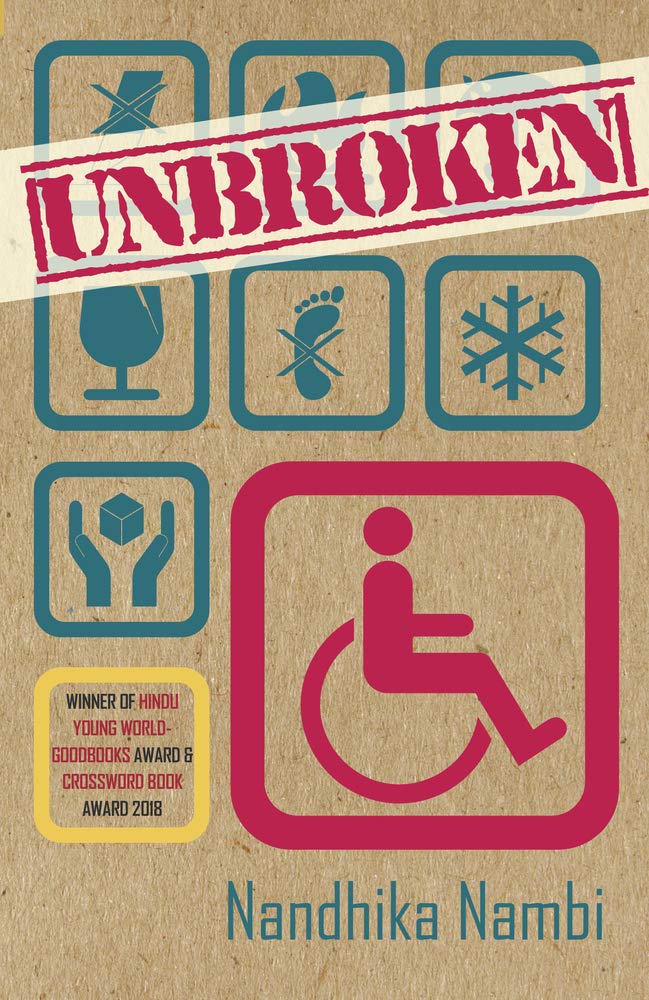
Unbroken by Nandhika Nambi
Unbroken, Nandhika Nambi
So okay, I’m a monster.
But look what I have to deal with–my brother is a frightened little freak, my father is selfish and ill-tempered, my mother is an ignorant doormat and my friends are just plain irritating. And I’m in a prison surrounded by them all, with nowhere to escape.
But one day, something happens … and suddenly I see what these relationships and people (however annoying) mean to me. I’ve been a monster for such a long time now, I’ve almost forgotten what it’s like to be human. Is it too late?
*
In the end, all these books and characters come together to convey a simple yet strong message – you are seen, and you are not alone. It is okay to reach out. Your mental health matters.
Team Penguin wishes you safety, health and wellbeing.
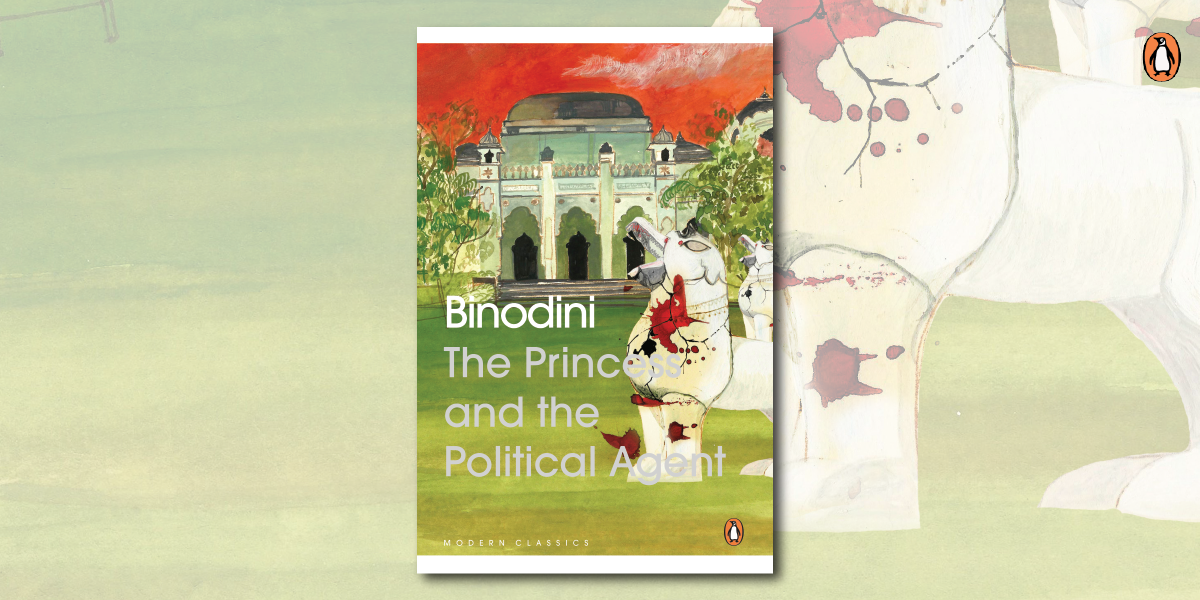
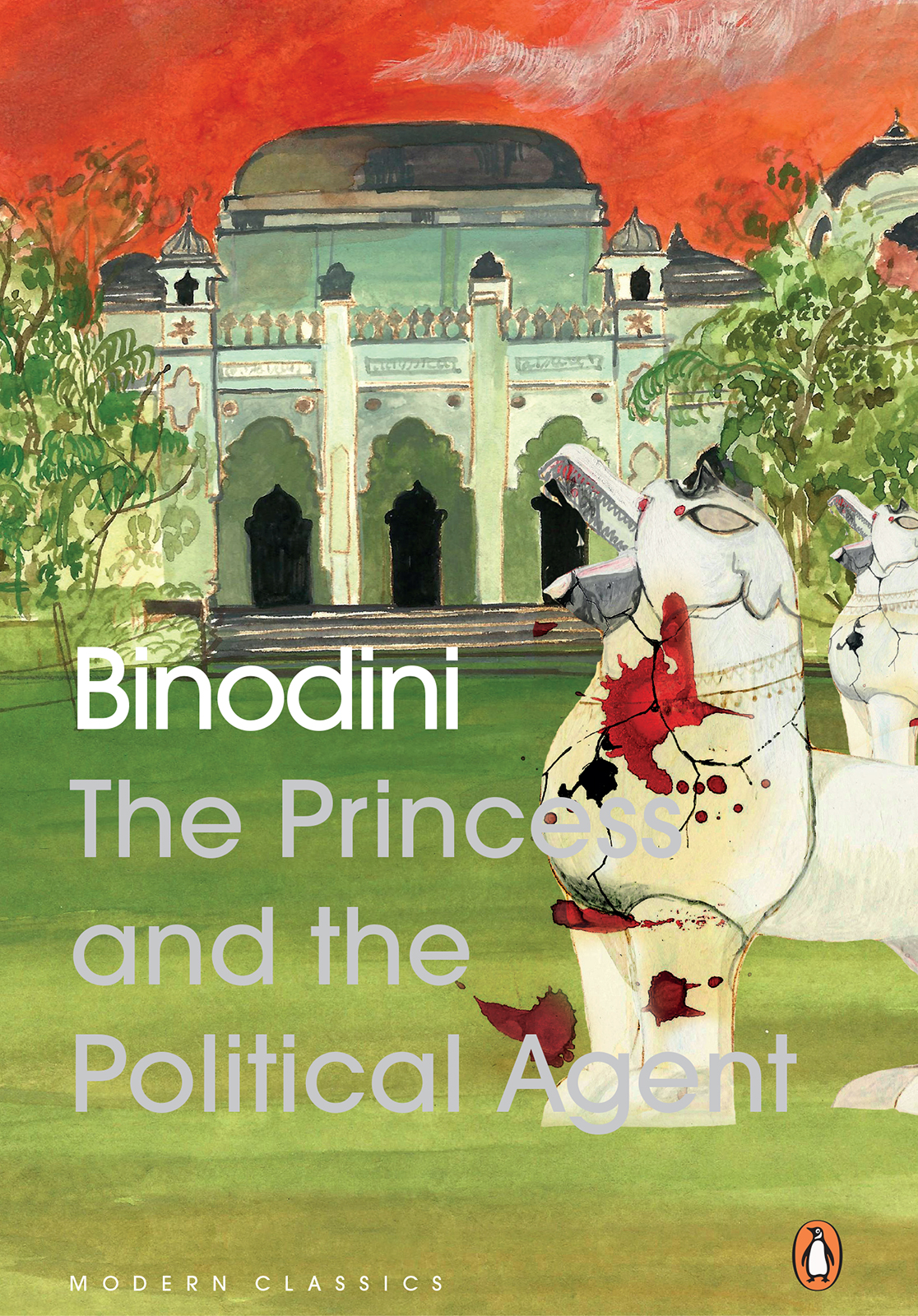
The Manipuri writer Binodini’s Sahitya Akademi Award-winning historical novel The Princess and the Political Agent tells the love story of her aunt Princess Sanatombi and Lt. Col. Henry P. Maxwell, the British representative in the subjugated Tibeto-Burman kingdom of Manipur.
A poignant story of love and fealty, treachery and valour, it is set in the midst of the imperialist intrigues of the British Raj, the glory of kings, warring princes, clever queens and loyal retainers. Reviving front-page global headlines of the day, Binodini’s perspective is from the vanquished by love and war, and the humbling of a proud kingdom. Its sorrows and empathy sparkle with wit and beauty, as it deftly dissects the build-up and aftermath of the perfidy of the Anglo-Manipuri War of 1891.
Here is an excerpt from the book!
Sanatombi saw Manipur’s last war first-hand. She witnessed as a young child the bitter rivalries of the princes, their quarrels, the entanglements of politics. She had seen it all: the fears, the sorrows, the consultations, the talks.
And there were many internal matters of the palace. She saw the splendid throne her grandfather his lordship Chandrakirti sat on for thirty-six years. But she did not get to live in the palace for very long. She was given in marriage at a young age to a man called Manikchand from the Nongmaithem family. There was a reason for this.
One day the Grand Queen Mother summoned Jasumati, consort of her royal grandson Crown Prince Surchandra and said, ‘My dear, keep a close eye on your daughter. She is wilful and is going to be a handful. It is not enough to be kind-hearted. It will not do to be an accommodating and accepting worm of a person. You do not have any male offspring. The astrologers also say your daughter is of strong birth. I want to find a good match for her and get her married. What do you think?’
‘The Grand Queen Mother needs only to instruct us. What can your humble servant say? After you inform your royal grandson, I defer to whatever the Divine Majesty and the Grand Queen Mother decide,’ replied the meek Lady of Satpam.
Jasumati was a gentle woman. No one in the palace talked about her much. She may have had her disappointments and sorrows but she expressed them to no one. Most people in the palace did not even know of her existence. Her senior sister-wife Premamayi, Lady of Ngangbam, dominated all. Even though Premamayi was not the first wife of Surchandra, she overshadowed all—and so it must be. It was only to be
expected that the clever rises above the many. It might be said that Jasumati merely gave birth to her daughter, for Sanatombi spent most of her time with her co-mother the Lady of Ngangbam, and the Grand Queen Mother. She only came home to sleep and her mother barely got to see her at all. She spent her days going from one household in the palace to another. Jasumati worried about her too. She knew her daughter was unruly, strong-willed and driven to win. It would have been better if she had been a boy, she thought to herself. Time and again Sanatombi would cause an uproar and stir up trouble. Even when as a mother she could not bear it any longer she could not beat Sanatombi or discipline her, for the Grand Queen Mother stood as her bulwark. The Grand Queen Mother, Lady of Meisnam, doted excessively on her great-grandchild. And then she says—Watch your daughter closely, when it is she who allows her to run wild . . . —but who could she have said this to? There was no one who could dare to talk back to the Grand Queen Mother, the Lady of Meisnam. So, even though she followed all palace protocol with great care, she suffered defeat at the hands of Sanatombi; she weakened when it came to her. Her great-grandmother favoured the unruly Sanatombi.
One day when Sanatombi had grown up a bit, she said, ‘I will play kang, Grand Queen Mother.’ ‘Of course, my grandchild shall play. And who will be the kang teams?’ The Grand Queen Mother arranged it all. The court shuffleboard teams were Hijam Leikai and the palace. They gathered only the prettiest girls among them, both the palace and Hijam Leikai. They established many rules—no borrowing of pucks, no throwing of pucks in the air, and suchlike. The shuffleboard court was polished with fresh milk. There was a lot of noisy activity. Sanatombi was going to play her first game of court shuffleboard at the palace. But as the sorry tale unspooled, Sanatombi came to her royal great-grandmother, her face red with fury, and demanded, ‘Grand Queen Mother, beat Lukhoi. He has stopped us from playing kang, he says we cannot play.’
A little while later, there was a great hue and cry. ‘Sanatombi has bitten Prince Lukhoi! Oh no, what is to be done!’
The matter was this. Prince Lukhoi had barred Sanatombi when she arrived to play at the shuffleboard court. Lukhoi was born to the Lady of Ngangbam, wife of Surchandra. The Lady of Ngangbam was not only clever but she had even produced a male offspring, and one day, sooner or later, Lukhoi could ascend the throne at Kangla. Even though he was a child, Lukhoi was well aware of this. His unthinking caregivers and attendants never failed to remind the child of it, and so he was very headstrong. He and Sanatombi were not that far apart in age.
He had come in while Sanatombi and her friends were noisily busy in the shuffleboard court and said, ‘Is it true you all are going to play kang, Royal Elder Sister? You may not play.’
‘Why not?’
‘Because I am telling you. You cannot.’
‘And who are you? Should I stop just because you do not
allow it? It is none of your business. I am doing it. What are you going to do about it?’
The Princess and the Political Agent|| Binodini
‘You cannot do as you like.’ ‘And why not?’
‘I am Prince Lukhoi.’
‘And I am Sanatombi.’
‘I am the male offspring—you are female.’
‘What attitude, Mr Male Offspring!’
Sanatombi flared up in anger. It was true she was a daughter. A daughter had no claim upon the throne at Kangla. But she did not accept this; she did not accept being told she could not do as she wanted. She did not know that her mother who only had daughters was not considered a blessed woman. It was especially true in the palace. How was she any different from a barren woman? Her birth mother lived choked in secret, her throat constricted, dry. It was not as if Sanatombi had not sometimes heard her mother heave a deep sigh. But she never found out why. The Grand Queen Mother had never once said to her face, ‘You are a female; you are of inferior destiny.’ She had said, ‘Now, there’s my great-granddaughter, now that’s my great-granddaughter.’ But sometimes late at night, her mother Jasumati said to her quietly, ‘Sanatombi, you are a daughter, so conduct yourself with that knowledge … … … .’ What was it she said? Sanatombi, her thoughts wandering somewhere else, paid her scant heed. Lukhoi not allowing her to play court shuffleboard enraged Sanatombi no end.
Sanatombi said, ‘So what if you are a male?’
‘I am stopping you from playing kang, that’s what,’
Lukhoi answered with attitude. He was also just a boy at the time. It was around that age just before youth when boys are at their most obnoxious.
Sanatombi said, ‘What is it that you want?’ ‘Let Hijam Ibemhal play on the palace team.’ ‘Oh really? The one from Hijam Leikai?’ ‘Even so.’
‘Oh, is that why you are coming and sticking your nose in?’
‘Why did you go to Grand Queen Mother without telling me first you were playing kang?’
‘Meaning?’
‘You have to inform me first—I was going to rehearse my dance here. If you want to play kang here, you have to inform me first.’
‘Your dancing goes on in the women dancers’ court. Has this male offspring no shame, being in the women dancers’ court?’
‘Men should be part of the women dancers’ court. You cannot play kang, and that is that.’ Saying this, he plunked himself down cross-legged in the middle of the shuffleboard court. Smoothened and polished for many days beforehand, the shuffleboard court shone like a mirror. It was not to be stepped upon. Sanatombi could not bear it any longer. She leapt at him and grabbed his hair. The two fought, they could not be pulled apart.
Suddenly Lukhoi yelled, ‘She bit me! The witch, the witch!’
Sanatombi went off to tell the Grand Queen Mother. Lukhoi was left crying, yelling ‘She-Demon, She-Demon’ at her. ‘She-Demon’ was Sanatombi’s hated nickname.
All hurried towards the quarters of the Grand Queen Mother. Sanatombi’s mother, the Lady of Satpam, heard and came running. She lashed out at her child and hit her. She struck out at her wildly. Sanatombi did not cry. She stood rock- still. The others separated them. Hearing of this, Sanatombi’s nurse came running and put her arms around her child.
Sanatombi said, ‘Of course, I beat him up. Can he do as he pleases just because he’s a male offspring? I will beat him, I will keep on beating him.’
‘Look at the mouth on her.’ Her mother tried to hit her again. The Grand Queen Mother tried to separate them. Then Sanatombi went and stood by the Grand Queen Mother, watching. She was very pleased with herself.
Lukhoi’s mother, the Lady of Ngangbam, arrived.
Laughing, she said, ‘Do not beat her, sister-wife. Why make a big thing of a matter between children?’ Saying this, she examined her child’s wounds. She did not mean what she said, for she was upset.
‘Please do as you see fit, elder sister-wife. I am not going to be able to handle this girl. Look how she has bitten the child on his arm … Here, let Mother take a look.’
The Lady of Ngangbam laughed and said, ‘Of course you should beat him, my child. How can he be disrespectful to
his older royal sister? Lukhoi, say you are sorry to your older sister. Why did you try to destroy my daughter’s kang court? What right does a boy have to do that.’ She pretended to blame her son.
‘Why should I kowtow when I did no wrong?’ ‘How he lies and says he did no wrong!’
They went at each other again. The Lady of Ngangbam stopped them, laughing. They made light of the matter but both the Lady of Ngangbam and the Lady of Satpam each knew what the other was thinking.
There were countless incidents and uproars like this because of Sanatombi. The girl-bearing Jasumati conducted herself with great discretion. But male offspring or female did not matter to Sanatombi. She did as she pleased.
Yoga really has something for everybody. It has a number of benefits for the mind, the body as well as the soul. There have been many books that inform us not only about the practice, its tips and tricks, but also the fascinating story behind all of it.
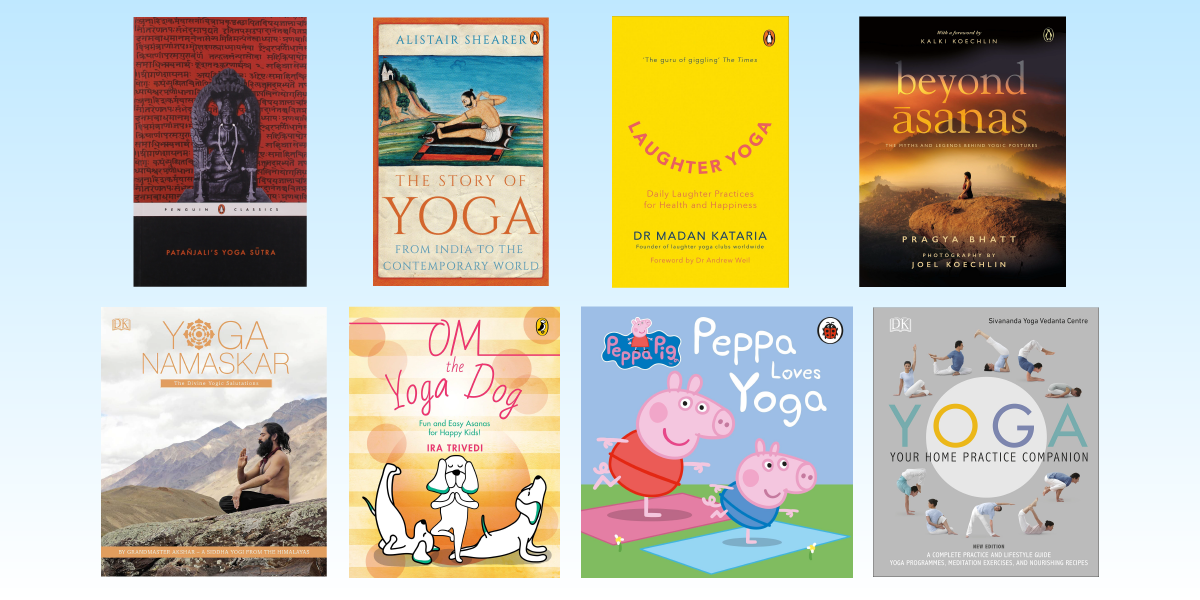
In celebration of the International Day of Yoga, we’ve put together a list of six books for you and your child that can act as an introduction into the world of yoga, or for improving your knowledge and practice.
For you:
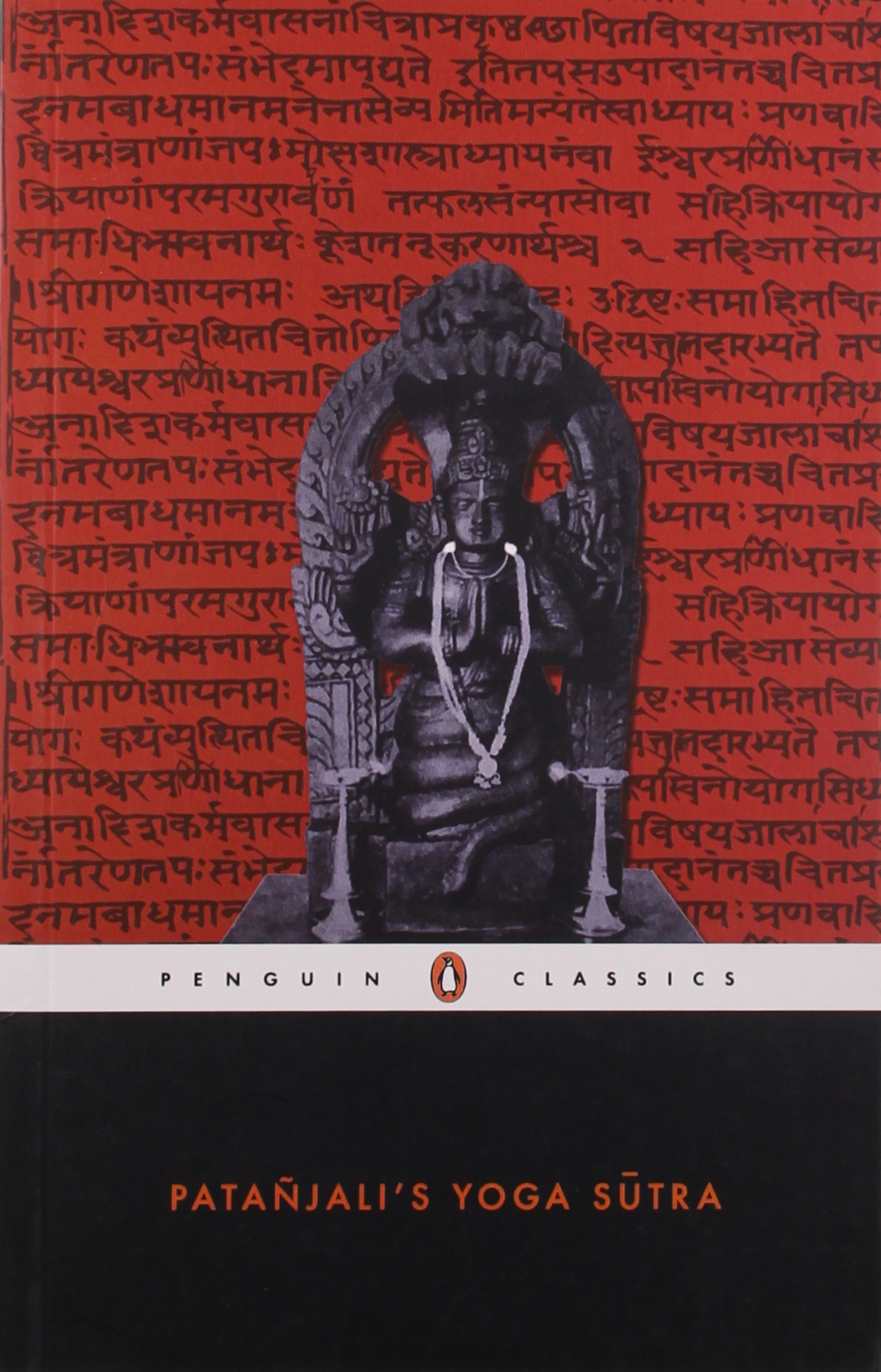
Patanjali’s Yoga Sutra
A contemporary interpretation of the foundational text for the practice of yoga. Patañjali’s Yoga Sutra (second century CE) is the basic text of one of the nine canonical schools of Indian philosophy. In it the legendary author lays down the blueprint for success in yoga, now practiced the world over. Patañjali draws upon many ideas of his time, and the result is a unique work of Indian moral philosophy that has been the foundational text for the practice of yoga since.
*
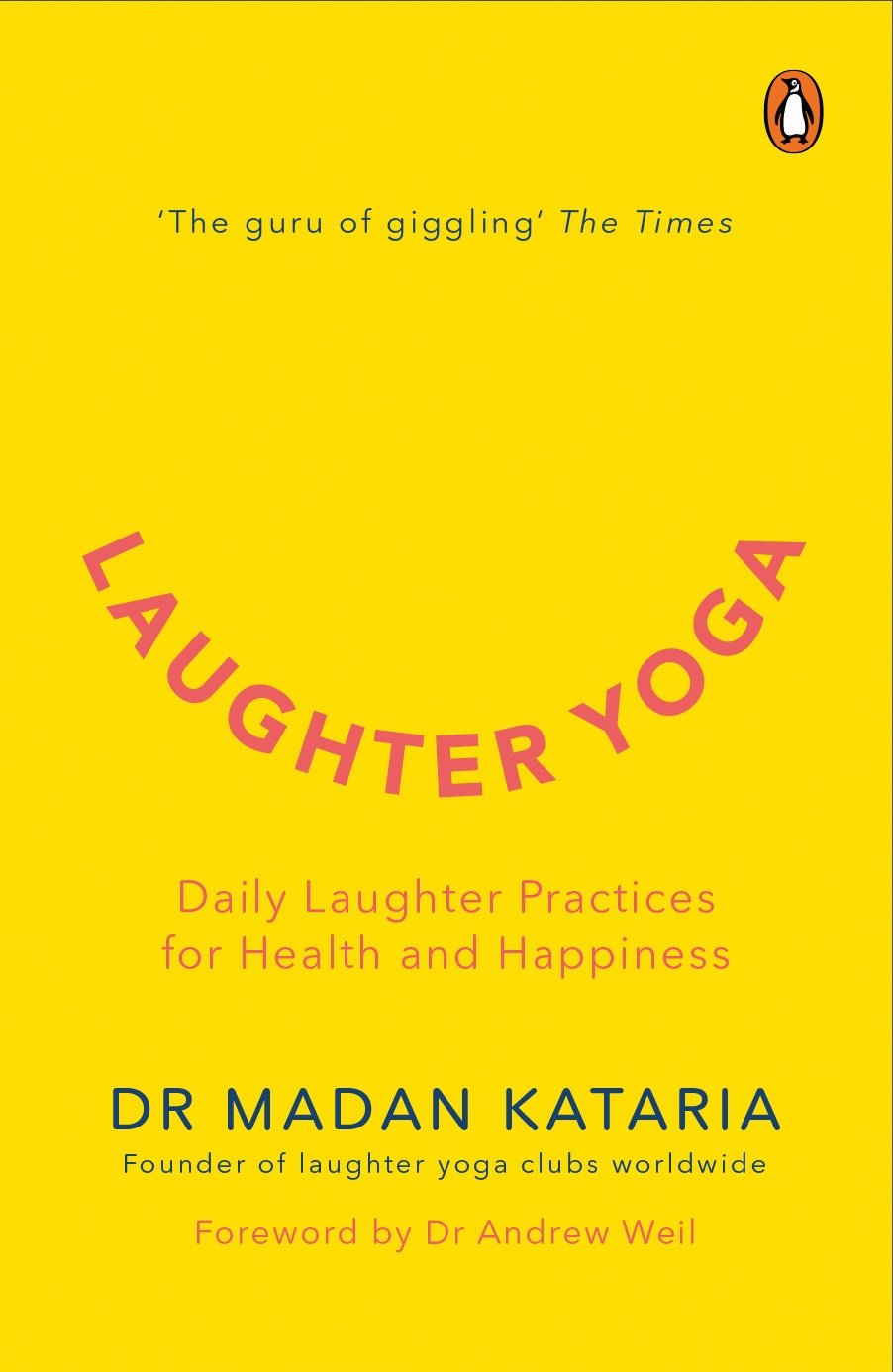
Laughter Yoga
Laughter yoga is a revolutionary idea: simple and profound. A practice involving prolonged voluntary laughter, it is based on scientific studies that have concluded that such laughter offers the same physiological and psychological benefits as spontaneous laughter. This comprehensive book by the founder of the laughter yoga club movement, Dr Madan Kataria, tells you what laughter yoga is, how it works, what its benefits are and how you can apply it to everyday life.
*
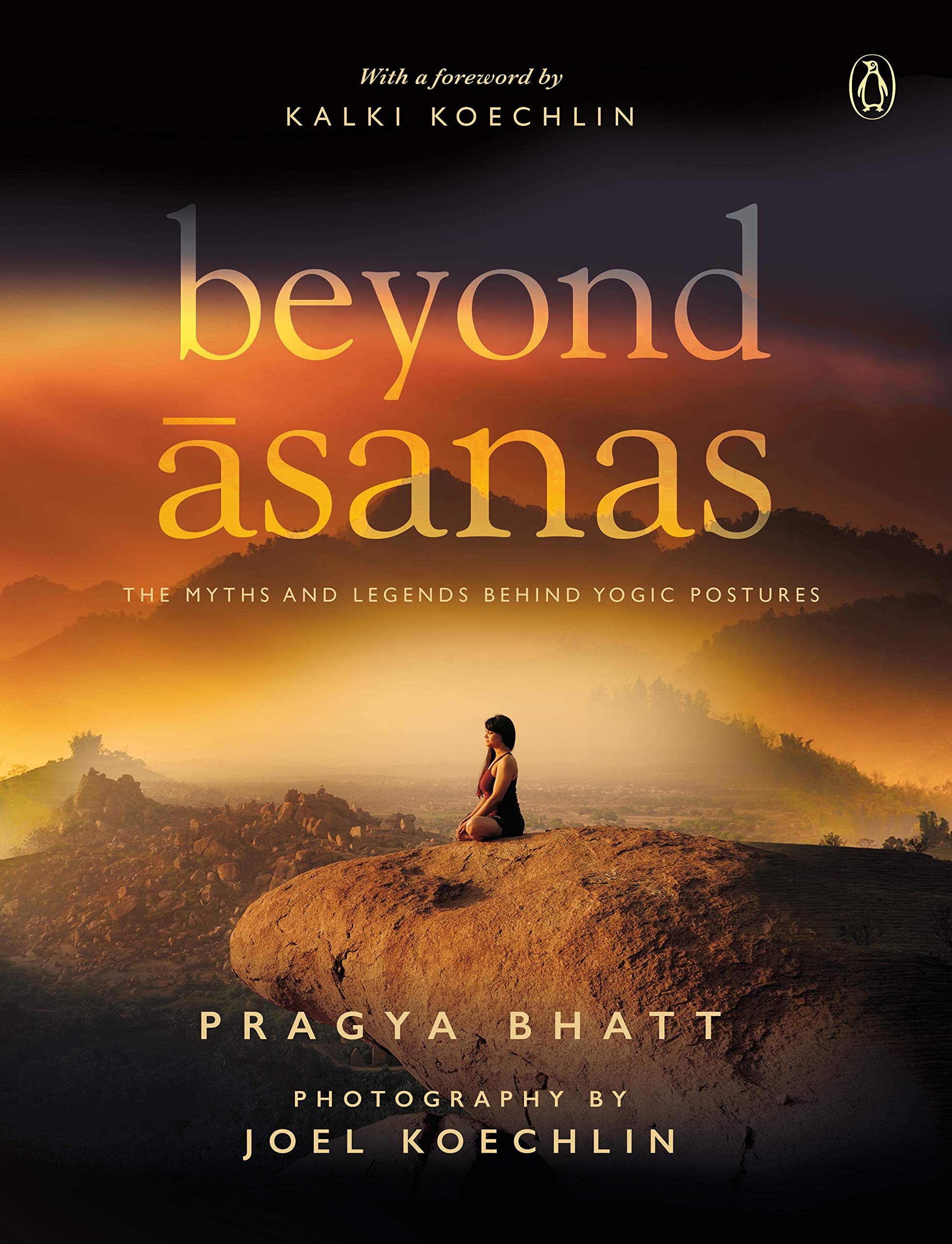
Beyond Asanas
Have you ever wondered how the names for yoga poses came about, inspired from animals, nature, and even sages?
Using thirty carefully researched asanas, yoga teacher Pragya Bhatt draws upon her own yoga practice and research to make a connection between ancient Indian mythology and modern yoga practice in Beyond Asanas.
*
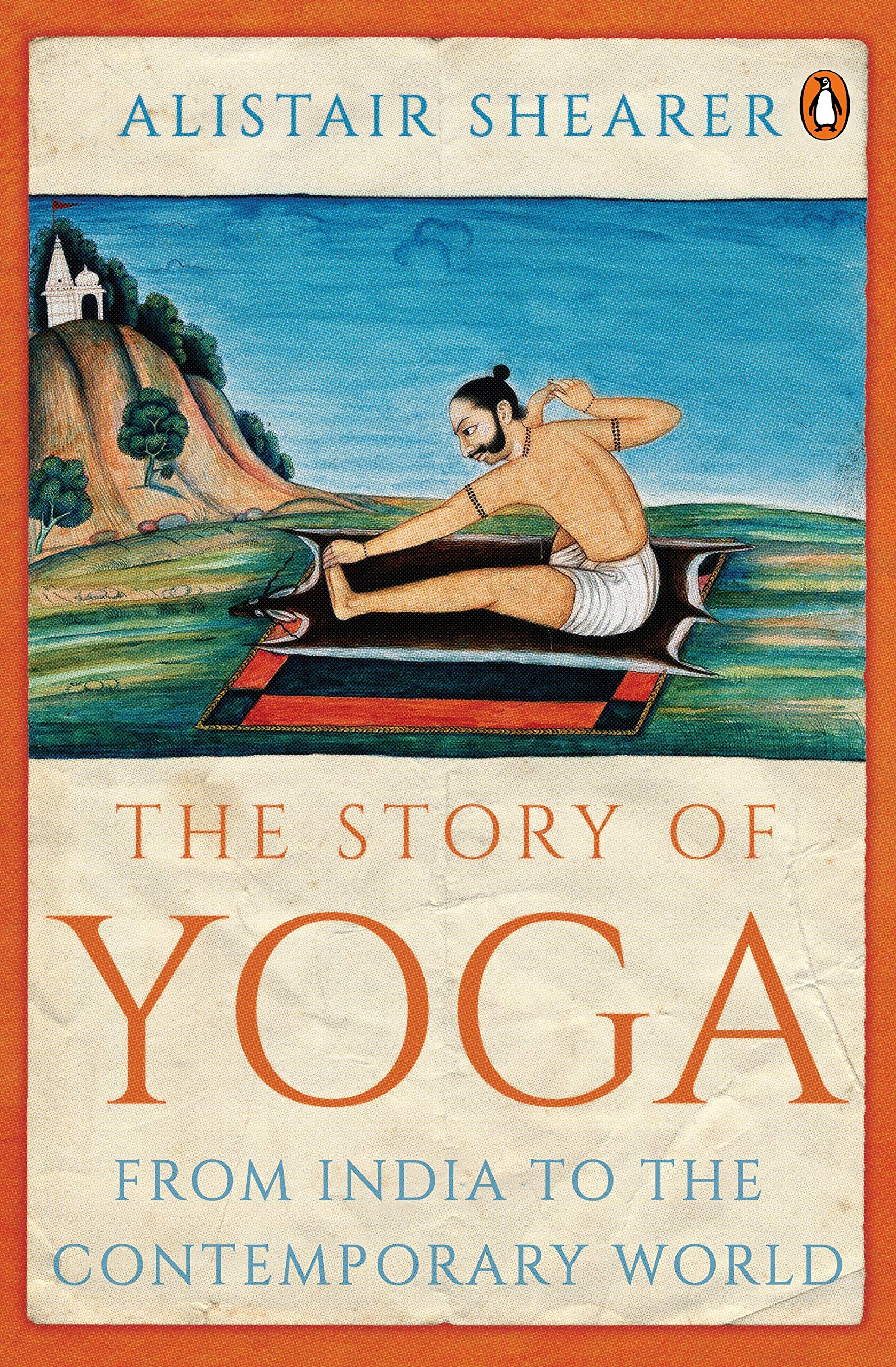
The Story of Yoga: From India to the Contemporary World
This comprehensive history sets yoga in its global cultural context for the first time. From arcane religious rituals and medieval body-magic, through muscular Christianity and the British Raj, to the Indian nationalist movement and the arrival of yoga in the twentieth-century West, we discover how the practice reached its present-day ubiquity and how it became embedded in powerful social currents shaping the world’s future, such as digital media, celebrity culture, the stress pandemic and the quest for an authentic identity in the face of unprecedented change.
*
For your little one:
Peppa Pig: Peppa Loves Yoga
It is a very busy day at Peppa and George’s playgroup, but they have a very special visitor coming in the afternoon. Miss rabbit is going to teach the children how to calm down and relax with yoga. The children love learning all the different positions… And the parents love picking up their calm children! Read more here.
*
Om the Yoga Dog: Fun and Easy Asanas for Happy Kids
It’s fun yoga time with Om the Yoga Dog, Prana the Frog and Moksha the Elephant! Learn and master essential asanas like Roaring Lion and Tummy Sandwich, pranayama techniques like Anulom Vilom and meditation exercises like Yoga Nidra.
Every day is father’s day but let’s be extra nice and make this a super special day for him! Shower him with lots of love and pampering. We believe one of the best gifts you can give your loved ones is quality time. How about a lovely evening at home (hello, social distancing!) with a good book to read?
We’ve put together a list of books for you to choose from and enjoy a cozy reading- eve along with your family! There’s something for everyone, even the little ones! Many of these books explore unique relationships with fathers, and all are topics your father might enjoy! Whatever your preference, we’re sure you’ll find something you love.
The Man Within My Head by Pico Iyer
Ever since he first read Graham Greene, Pico Iyer has been obsessed by the figure of the writer and by one of the great themes of Greene’s work: what it means to be an outsider. Wherever he has travelled-usually as an outsider himself-Iyer has found reminders of Greene’s life, observed scenes that might have been written by Greene, written stories that recall Greene. Yet, as Iyer recounts the history of his obsession, another phantom image begins to assert itself, one that Iyer had long banished from his inner life-that of his father.
*
Red Lipstick by Laxmi
Struggling with existential questions, Laxmi Narayan Tripathi, eminent transgender activist, awakens to her true self: She is Laxmi, a hijra. In this fascinating narrative Laxmi unravels her heart to tell the stories of the men-creators, preservers, lovers, benefactors, and abusers-in her life. Racy, unapologetic, dark and exceptionally honest, these stories open a window to a brave new world.
*
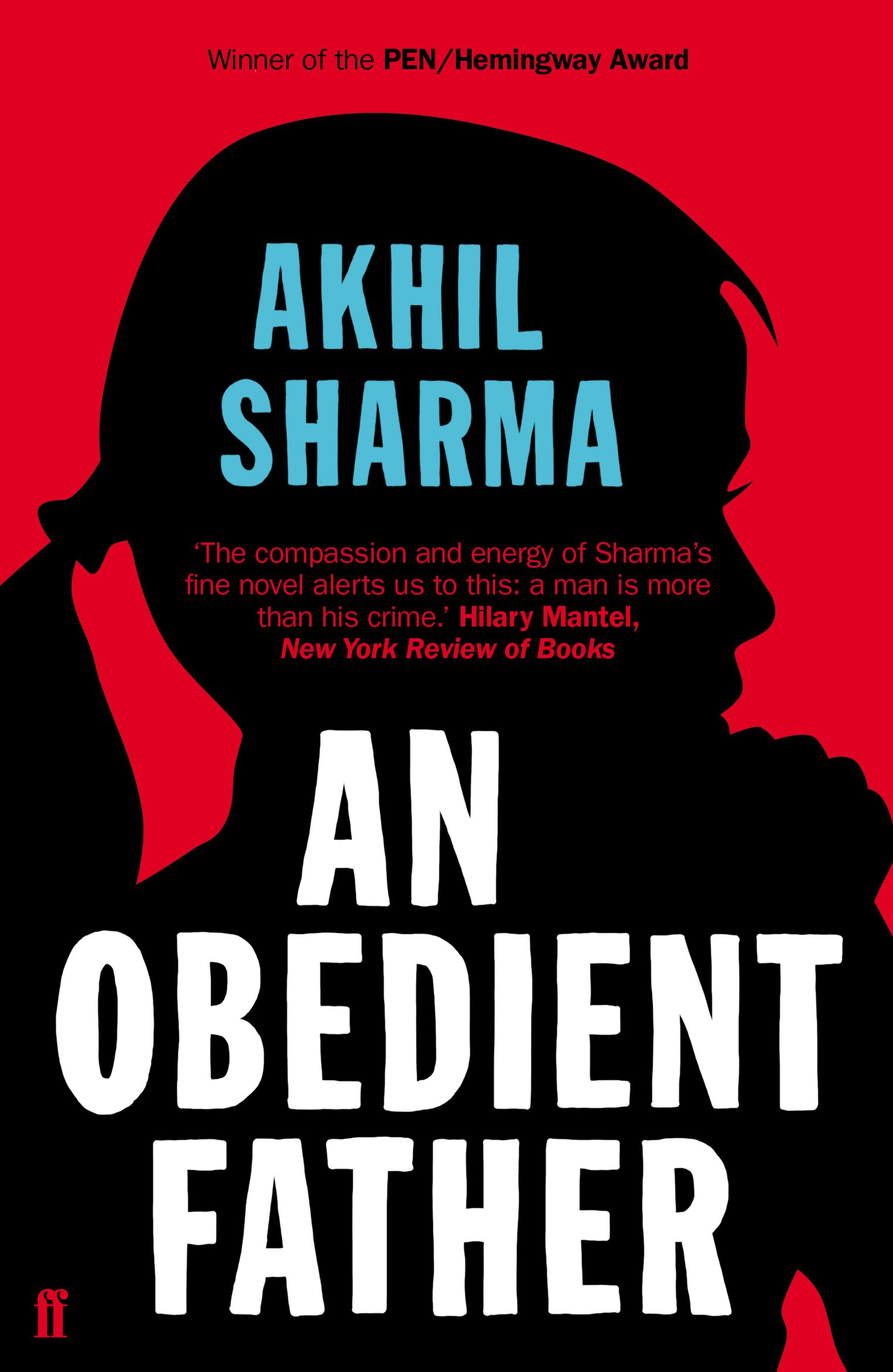
An Obedient Father by Akhil Sharma
Ram Karan, a corrupt official in the Delhi school system, lives in one of the city’s slums with his widowed daughter and his eight-year-old granddaughter. Bumbling, contradictory, sad, Ram is a man corroded by a guilty secret. An Obedient Father takes the reader to an India that is both far away and real – into the mind of a character as tormented, funny, and ambiguous as one of Dostoevsky’s anti-heroes.
*
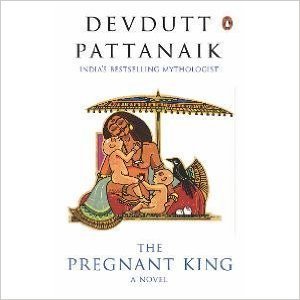
Pregnant King by Devdutt Pattanaik
Among the many hundreds of characters who inhabit the Mahabharata, perhaps the world’s greatest epic and certainly one of the oldest, is Yuvanashva, a childless king, who accidentally drinks a magic potion meant to make his queens pregnant and gives birth to a son. This extraordinary novel is his story.
*
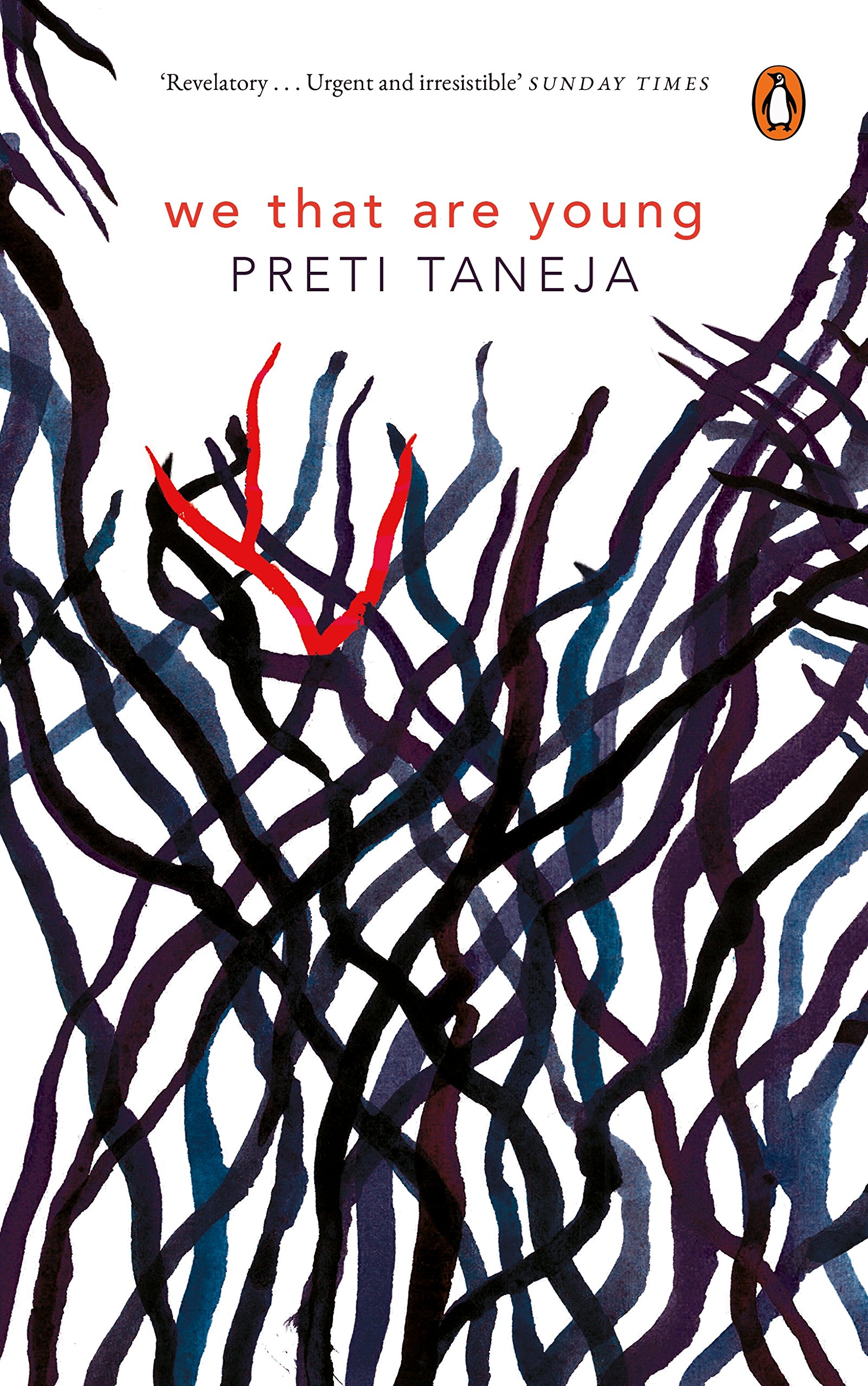
We That Are Young by Preti Taneja
Jivan Singh, bastard son, returns to Delhi after fifteen years of exile to find a city on fire with protests and in the grip of drought. On the same day, Devraj, father of Jivan’s childhood playmates, founder of India’s most important company, announces his retirement, demanding daughterly love in exchange for shares. Sita, his youngest child, refuses to play, turning her back on the marriage he has arranged. Her sisters Gargi and Radha must take over the Company and cement their father’s legacy. As they struggle to make their names, a family and an empire begin to unravel.
*
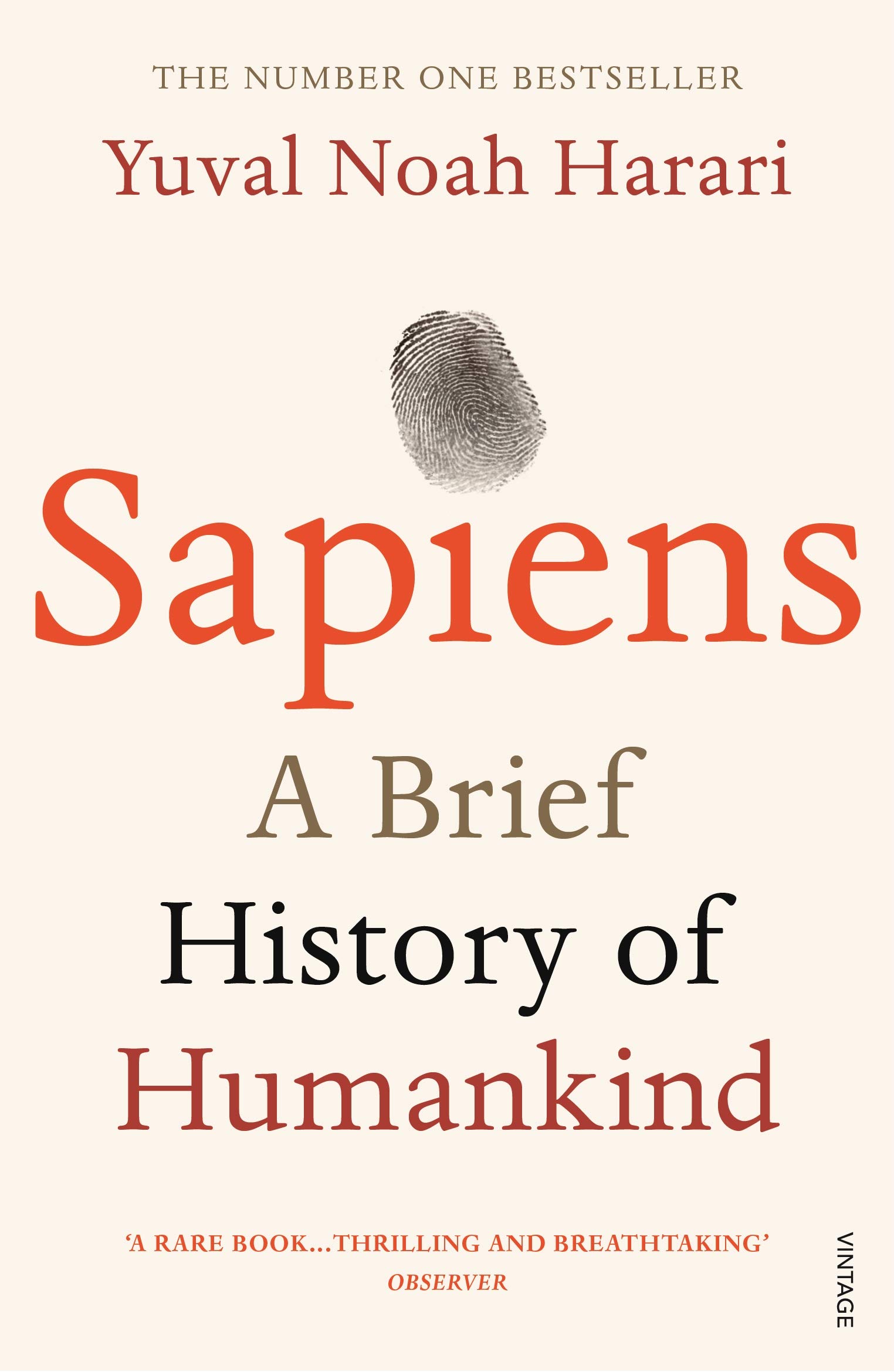
Sapiens: A Brief History of Humankind by Yuval Noah Harari
What makes us brilliant? What makes us deadly? What makes us Sapiens? Yuval Noah Harari challenges everything we know about being human in the perfect read for these unprecedented times.
Earth is 4.5 billion years old. In just a fraction of that time, one species among countless others has conquered it: us.
In this bold and provocative book, Yuval Noah Harari explores who we are, how we got here and where we’re going.
*
Ikigai: The Japanese secret to a long and happy life by Héctor García and Francesc Miralles
We all have an Ikigai. It’s the place where your needs, desires, ambitions, and satisfaction meet. Finding your ikigai is easier than you might think. This book will help you work out what your own ikigai really is, and equip you to change your life. You have a purpose in this world: your skills, your interests, your desires and your history have made you the perfect candidate for something. All you have to do is find it.
*
Feel Better In 5: Your Daily Plan to Feel Great for Life by Dr. Rangan Chatterjee
Feel Better in 5 is the first daily 5-minute plan that is easy to maintain, easy-to-follow and requires only the smallest amount of willpower. Drawing on Dr Rangan Chatterjee’s twenty years of experience and real-life case studies from his GP practice, Feel Better in 5 is your daily plan for a happier, healthier you at no extra cost.
*
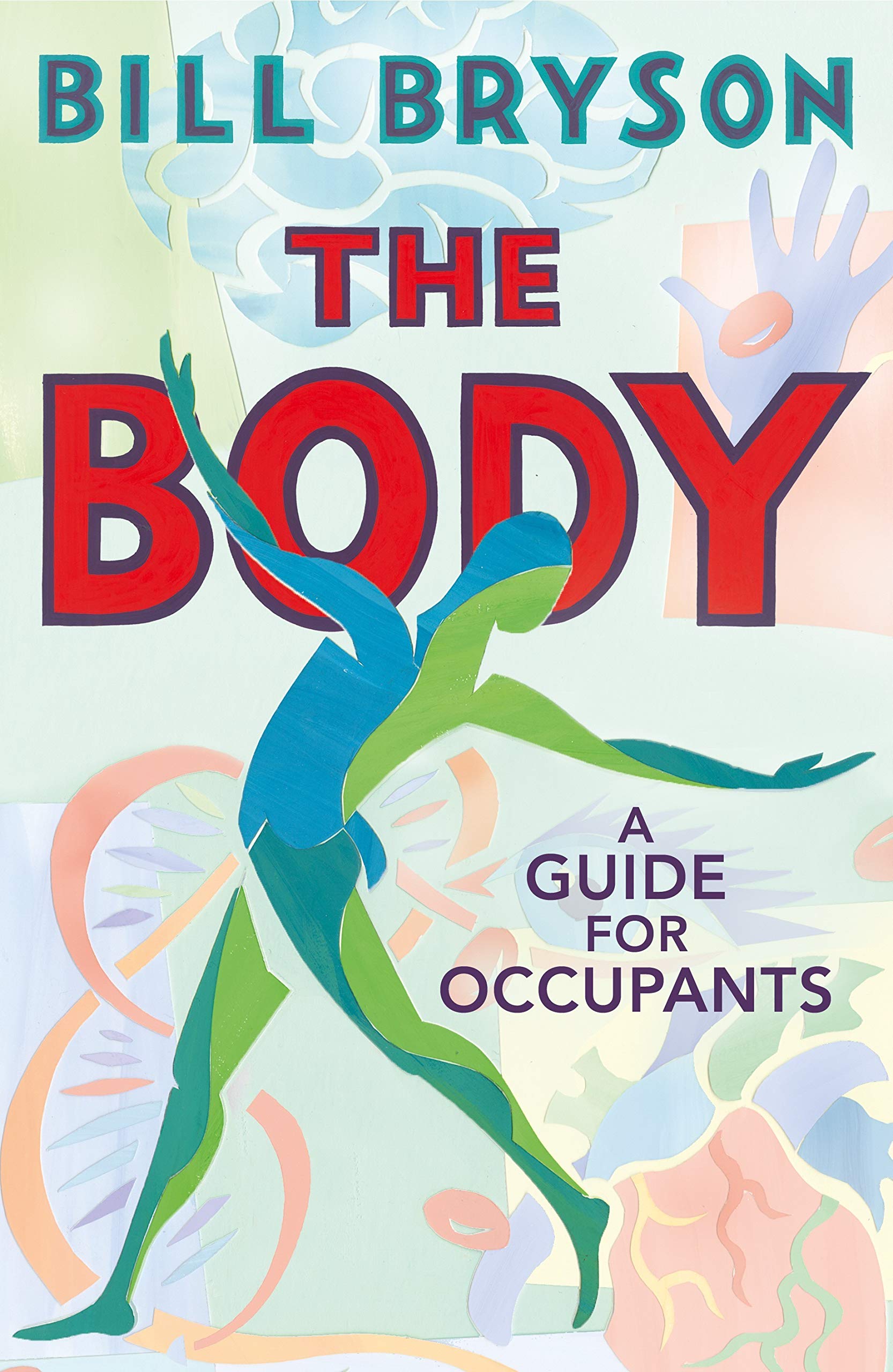
The Body by Bill Bryson
Bill Bryson sets off to explore the human body, how it functions and its remarkable ability to heal itself. Full of extraordinary facts and astonishing stories The Body: A Guide for Occupants is a brilliant, often very funny attempt to understand the miracle of our physical and neurological make up.
*
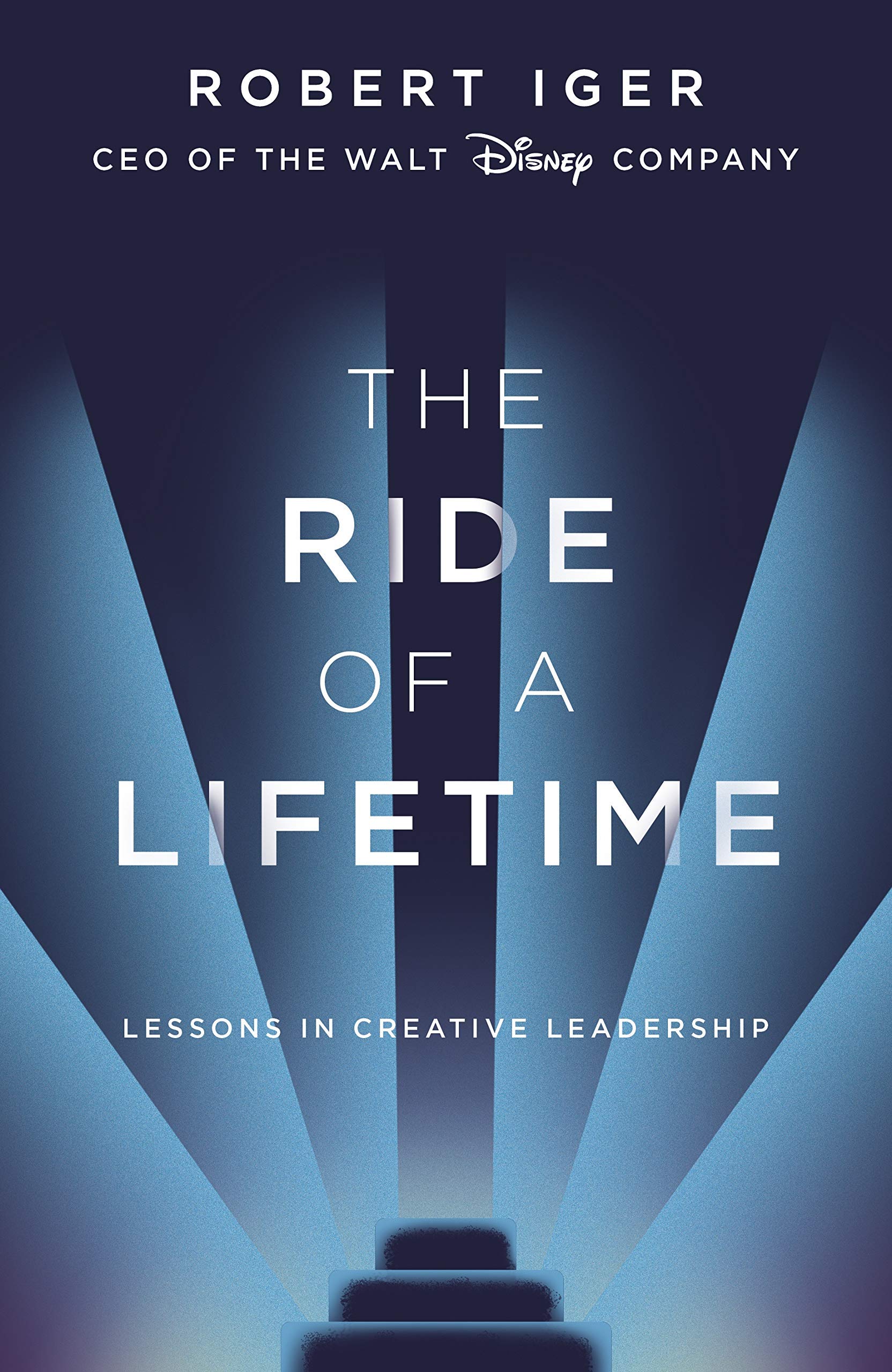
The Ride of a Lifetime by Robert Iger
This book is about the relentless curiosity that has driven Iger for forty-five years, since the day he started as the lowliest studio grunt at ABC. It’s also about thoughtfulness and respect, and a decency-over-dollars approach that has become the bedrock of every project and partnership Iger pursues, from a deep friendship with Steve Jobs in his final years to an abiding love of the Star Wars mythology.
*
For the little ones:
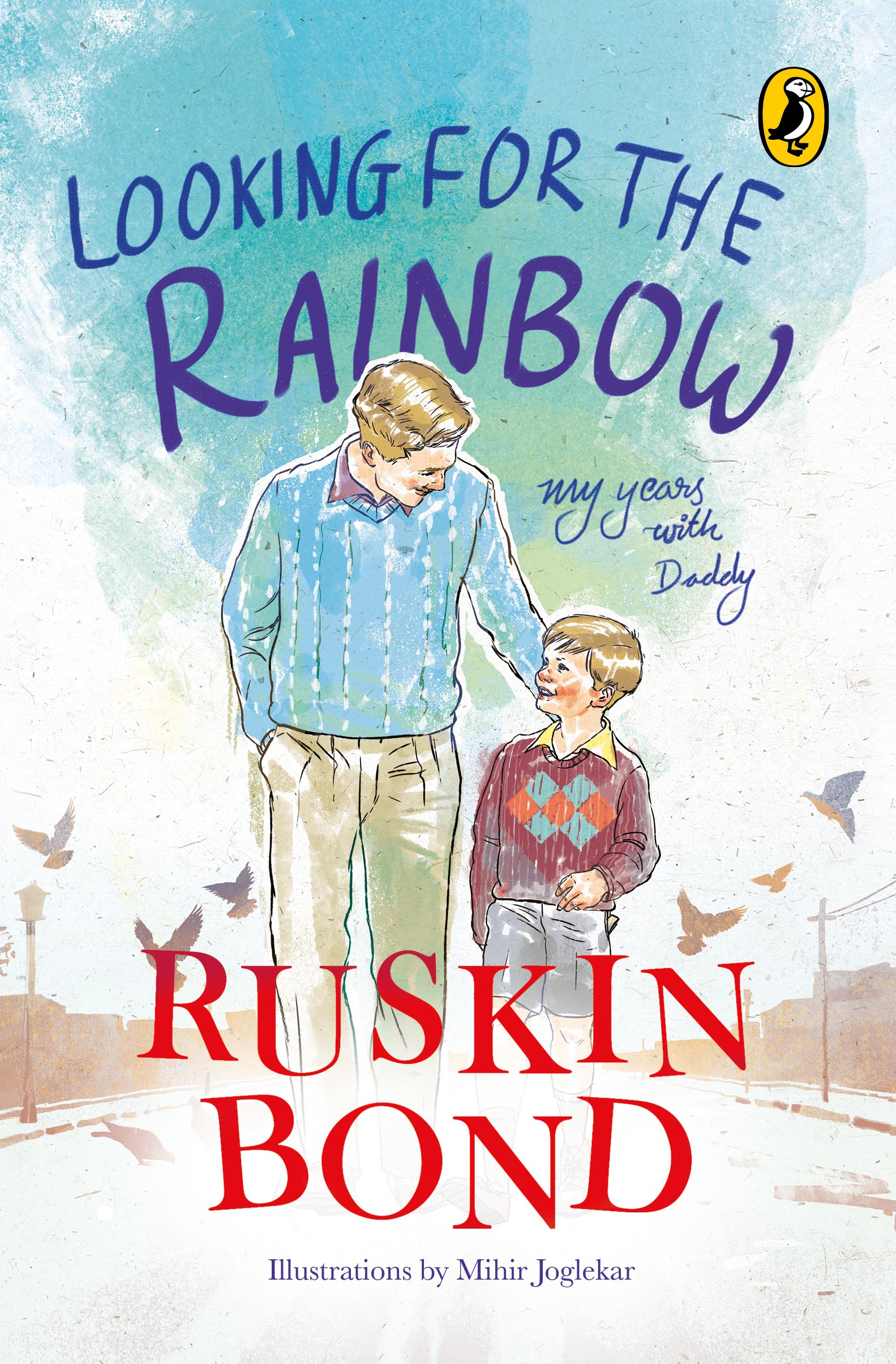
Looking for the Rainbow by Ruskin Bond
At age eight, Ruskin escapes his jail-like boarding school in the hills and goes to live with his father in Delhi. His time in the capital is filled with books, visits to the cinema, music and walks and conversations with his father—a dream life for a curious and wildly imaginative boy, which turns tragic all too soon.
*
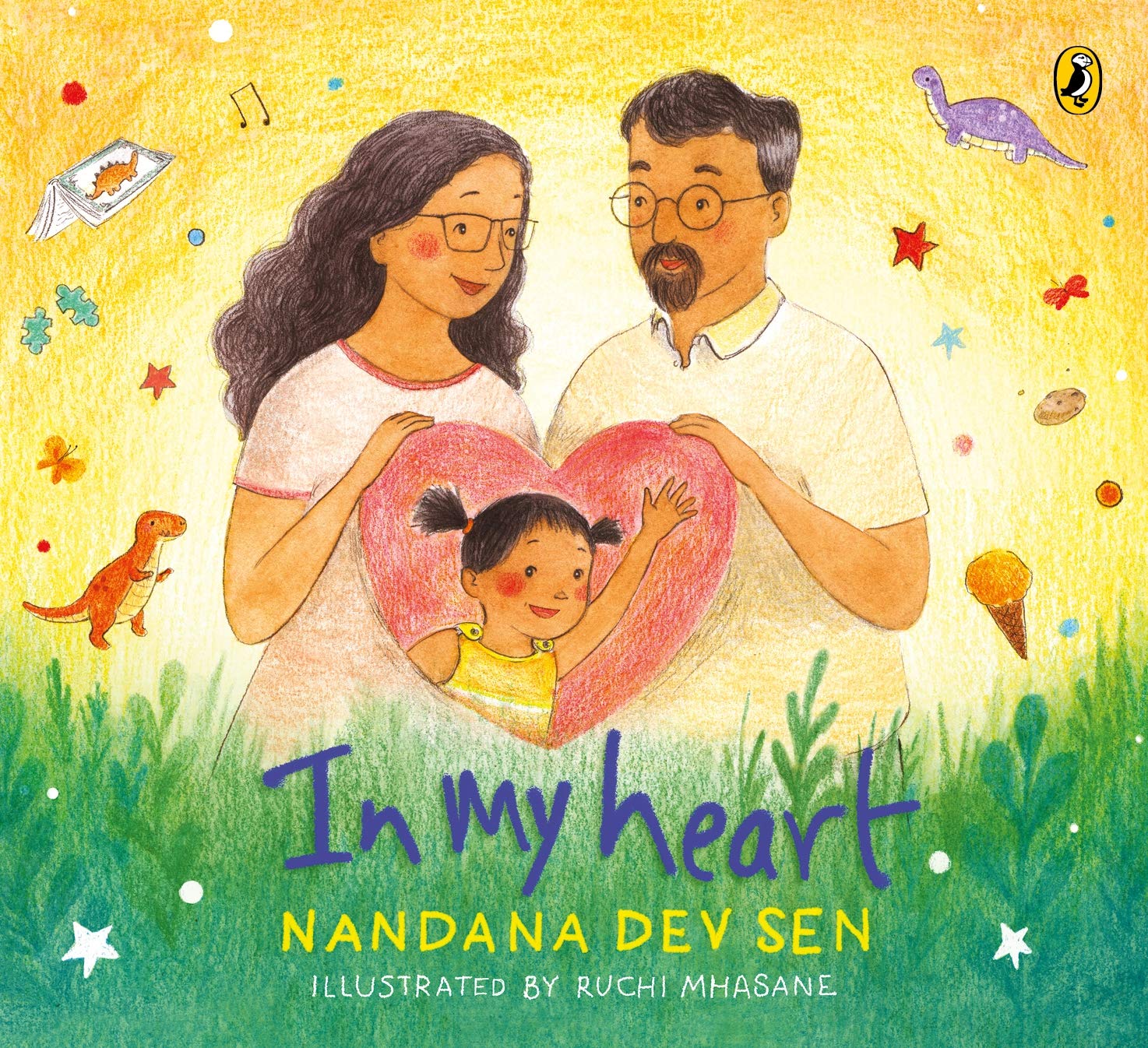
In My Heart by Nandana Dev Sen
A very special story to be read with loved ones, In My Heart takes us on a child’s journey of discovering who she really is and where she comes from. Warmly illustrated and deeply felt, this is a fearless and tender celebration of the magical ways in which different kinds of families are born.
*
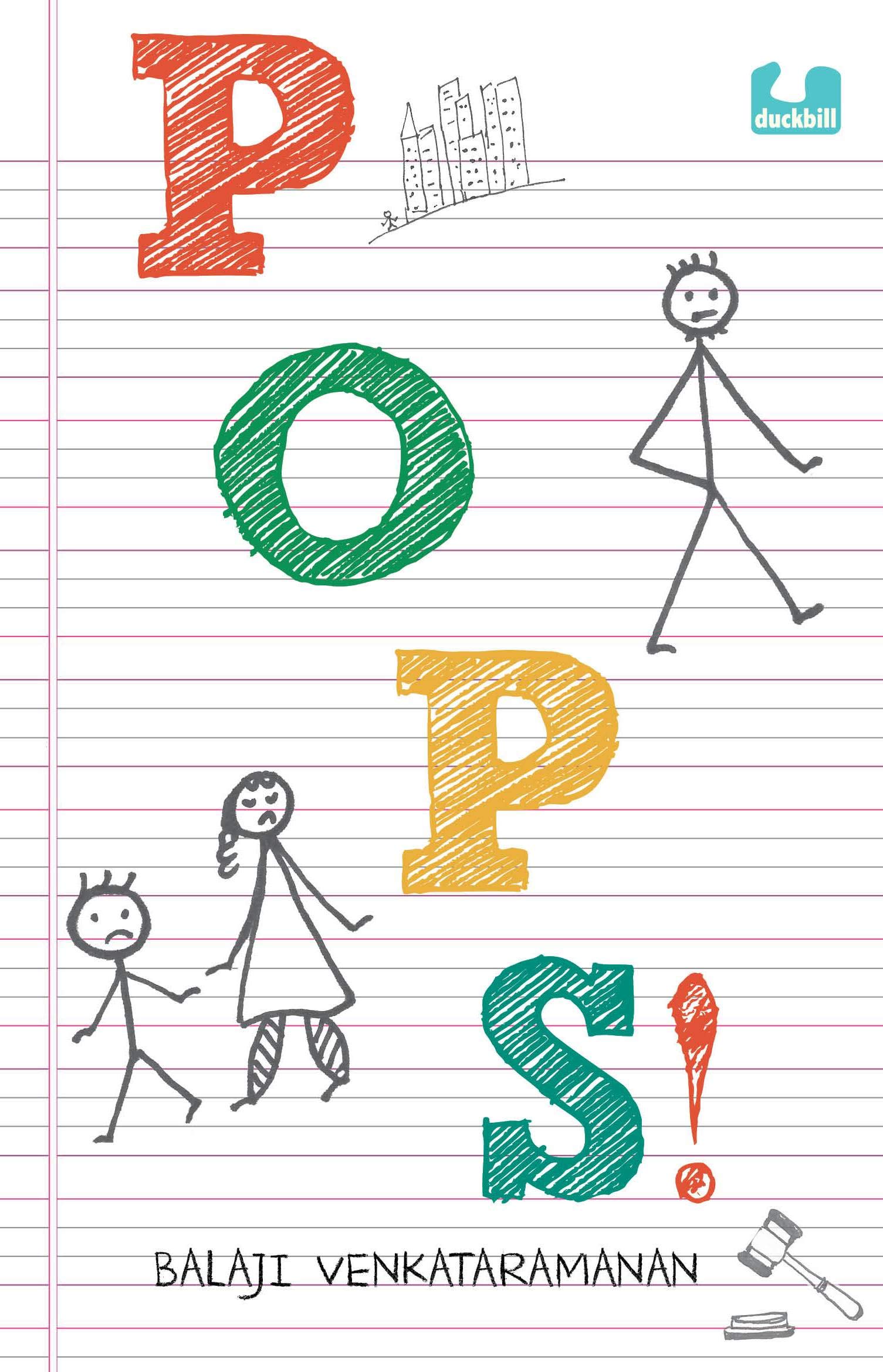
Pops by Balaji Venkataramanan
My name is V. Arun. I am seven years old. My father’s name is Venkatesh. He is very good. He never gets mad at me. He buys me a lot of toys and chocolates… I love My father. That’s a big bluff. Arun has never met his dad. He has only seen his photograph in the wedding album. And he hates him. Then one day, his father comes back.
*
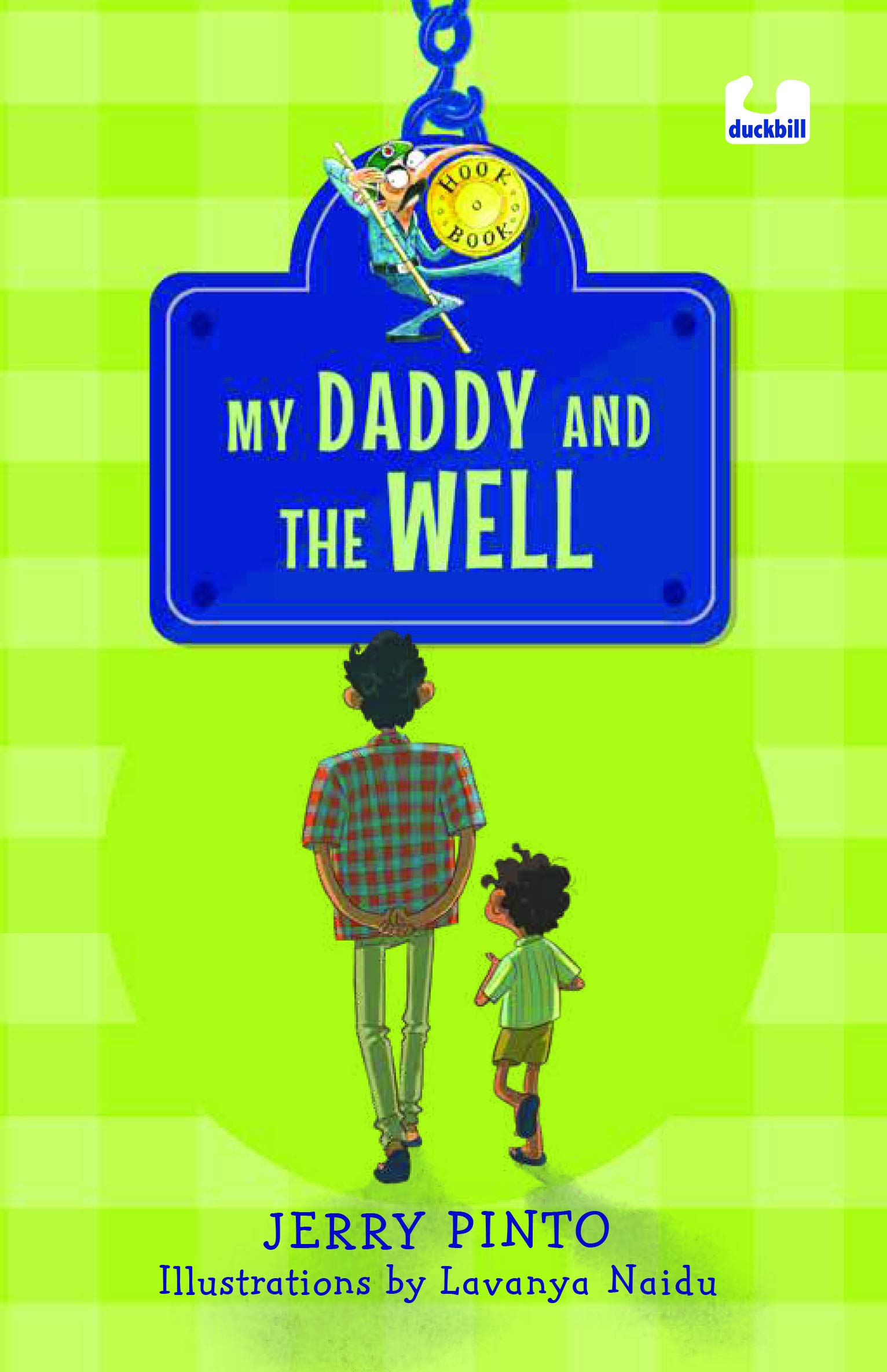
My Daddy and theWell by Jerry Pinto
As a child in Goa, Daddy used to jump in a well, to water the bananas. Years later, the bananas are gone. But the pump is there, the well is there, Daddy is there… Splash! The hook books are for very small readers, aged five and above (for being read to) and six and above (for reading independently). written by some of the best-known writers for children, and illustrated in exuberant colour by some of India’s most-loved illustrators. Hawaldar hook is the endearing mascot of the hook books.
*
Puffin Classics: Daddy Long-Legs by Jean Webster
A trustee of the John Grier orphanage has offered to send Judy Abbott to college. The only requirements are that she must write to him every month and that she can never know who he is. Judy’s life at college is a whirlwind of friends, classes, parties and a growing friendship with the handsome Jervis Pendleton. With so much happening in her life, Judy can scarcely stop writing to ‘Daddy-Long-Legs’, or wondering who her mysterious benefactor is…
*
Puffin Classics: Heidi by Johanna Spyri
Little Heidi goes to live with her grandfather in his lonely hut high in the Alps and she quickly learns to love her new life. But her strict aunt decides to send her away again to live in the town. Heidi cannot bear being away from the mountains and is determined to return to the happiness of life with her grandfather.
*
Where’s Home, Daddy Bear? by Nicola O’Byrne
From the creator of open very carefully, Nicola o’byrne, comes a tender, touching story that voices all the worries a child has about change, and celebrates the loving bond between father and daughter. Making her debut to the Walker list, bestselling author Nicola O’Byrne tells a heartfelt, emotionally true tale inspired by her own experience. Particularly pertinent for children who may be going through some kind of change – whether that be moving to a new house, a new school, or a new country.
*
To Kill a Mockingbird by Harper Lee
A novel that explores the tragedy of racism in the 1930s and the dramatics of the ‘Great Depression’, Harper Lee’s ‘To Kill A Mockingbird’ is a tale that infuses humour and sorrow into a touching story that lives on eternally in the minds of the readers. Set in a town that has its roots in a history of prejudice, violence and hypocrisy, the story follows the lives of Scout and Jem Finch as they come of age and experience the discrimination that floods their society. They watch their father (a lawyer) struggle for the justice of a black man who is charged with the rape of a white girl.
*
Goodnight Mister Tom by Michelle Magorian
Young Willie Beech is evacuated to the country as Britain stands on the brink of the Second World War. A sad, deprived child, he slowly begins to flourish under the care of old Tom Oakley – but his new-found happiness is shattered by a summons from his mother back in London.
A Burning by Megha Majumdar is an electrifying debut novel about three unforgettable characters who seek to rise to the middle class, to political power, to fame in the movies.
One is Jivan, a Muslim girl from the slums accused of executing a terrorist attack on a train because of a careless comment on Facebook. The second is PT Sir, an opportunistic gym teacher who hitches his aspirations to a right-wing political party, only to find his own ascent linked to Jivan’s fall. And the third is Lovely, an irresistible outcast who has an alibi that can set Jivan free-but at the cost of everything she holds dear.
The excerpt below marks the starting moment of the adversity Jivan will face, as well as, the beginning of understanding lovely’s life.
Jivan
A hand reached out of the dark and dragged me up in my nightie. I screamed and fought, believing it was a man come to do what men do. But it was a policewoman.
My father, on the floor his throat dry and his painful back rigid, mewled. Nighttime turned him into a child.
Then I was in the back of a police van, watching through the wire mesh a view of roads glowing orange under streetlamps. I exhausted myself appealing to the policewoman sitting in front of me: “Sister, what is happening? I am a working girl. I work at Pantaloons. I have nothing to do with the police!”
They said nothing. Now and then a crackle came from the radio on the dashboard, far in front. At some point, a car filled with boys sped by, and I heard whooping and cheering. They were coming from a nightclub. The doddering police van meant nothing to these boys. They did not slow down. They were not afraid. Their fathers knew police commissioners and members of the legislature, figures who were capable of making all problems disappear. And me, how would I get out of this? Whom did I know?
A Burning || Megha Majumdar
Lovely
At night, after the acting class, I am lying in bed with Azad, my husband, my businessman who is buying and reselling Sansung electronics and Tony Hilfiger wristwatches from Chinese ships docking on Diamond Harbor. I am showing him my practice video from the day’s class, and now he is saying, “I have been telling you for hundred years! You have star material in you!” He is pinching my cheek, and I am laughing even though it is hurting. I am feeling peaceful, like this thin mattress on the floor is our own luxury five-star hotel bed. In this room I am having everything I am needing. A jar of drinking water, some dishes, a small kerosene stove, and a shelf of my clothes and jewelry. On the wall, giving me their blessings everyday, are Priyanka Chopra and Shah Rukh Khan. When I am looking around, I am seeing their beautiful faces, and some of their good fortune is sprinkling down on me.
“Azad,” I am saying this night. My face is close to his face, like we are in a romantic scene in a blockbuster. “Promise you will not get angry if I am telling you something?”
I am taking a moment to look at his face, dark and gray. Some long hairs in his eyebrows are trying to make an escape. I am having difficulty looking eye to eye for these hard words.
“Aren’t you thinking,” I am saying finally, “about a family and all? We are not so young–”
Azad is starting to talk over me like always. “Again?” is he saying. I am knowing that he is annoyed. “Was my brother coming here?”
“No!”
“Was my brother putting this rubbish in your head?”
“No, I am telling you!”
Why Azad is always accusing me of such things?
**
A Burning has been so masterfully compressed that it can be read in a single sitting to reveal how Jivan deals with the mounts of challenges coming her way. Continue to see how two other integral characters – PT Sir and Lovely – weave their way into the heart of the story in an unprecedented, yet vital manner that will leave you wanting more.
You must always turn to nature when you are sick or afflicted with disease. Nature holds all the answers, and when you align yourself with it, you heal and recover. Dry fasting is one such answer.
Dry fasting is complete abstinence from food and water for a particular window during the day, followed by breaking the fast in a specific manner. This window during which one fasts is called the elimination phase, and the window during which one eats is called the building phase.
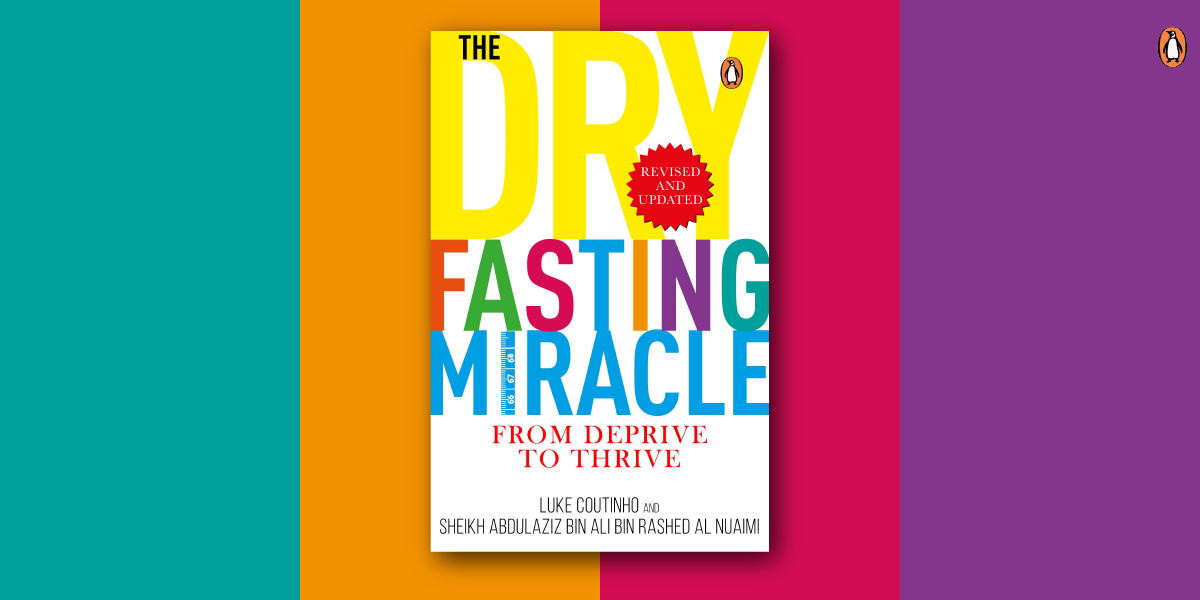
In their book, The Dry Fasting Miracle, Luke Coutinho and Sheikh Abdulaziz Bin Ali Bin Rashed Al Nuaimi teach us how this diet can stimulate the body, help one find the right balance between the ‘elimination phase’ and the ‘building phase’, aid weight loss and help avoid a number of diseases.
Here we talk about why dry fasting is the most superior form of cleansing.
Our body makes its own water
How? As a by-product of the fat that is burnt during the fast. Unlike the water you drink, this metabolic water is of superb quality, produced by the hard work of your own cells. It is almost like it erases all the negative information that was part of the body before the fast, allowing cells to experience a kind of rebirth, taking in moisture from the air and supplying it to the cells.
It target and reduces inflammation, and is immunostimulatory
Inflammation and low immunity are the root causes of any disease – be it cancer, cardiovascular problems, diabetes or simply the inability to lose weight. The body cannot have inflammation without water. Pathological bacteria, viruses and other microbes love a wet environment, which is ideal for them to thrive in—shortage of water is like a kill switch for them.
It enables the burning of toxins as opposed to the flushing out of toxins via urine, bowel movement, kidneys, liver and skin
The body, during a dry fast, absorbs atmospheric carbon dioxide and nitrogen to manufacture its own amino acids. Since there is no water to flush out these endogenous toxins, these are eliminated through a unique mechanism that is dormant during less rigorous modes of fasting. Each cell, thus, self-combusts, becoming the furnace that burns up its own waste.
Dry fasting can help manage the effects of radiation exposure
Regular fasting can also help restore the protective functions of cells and organs against radiation damage. This is particularly important for those who live or work in settings where they are regularly subjected to radiation or have been exposed to palliative radiation in case of cancer treatment. Dry fasting can be highly effective in healing the side effects of chemotherapy.
Give dry fasting a try, yourself! Read more about the processes and more benefits in the book, The Dry Fasting Miracle, available here.