Publish with Us

Follow Penguin

Follow Penguinsters

Follow Penguin Swadesh

Drop Everything! These New Books are About to Blow Up!

As the crisp breeze blows in and the days grow cozier, there’s nothing better than curling up with a good book. This October, let the season’s magic unfold with a fresh lineup of our newest books perfect for those chilly mornings and quiet, wintery evenings. Discover new stories to keep you company as the leaves fall and the year winds down.
 

A General Reminisces
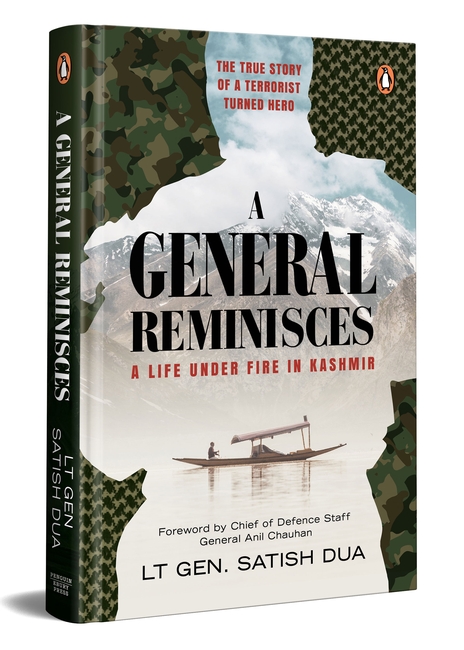
A General Reminisces || Satish Dua

In A General Reminisces, he reflects upon this time, his interactions with bureaucrats and experiences about the atmosphere at the Line of Control that divides Kashmir between India and Pakistan. He mulls the change, the way it has taken over the citizens and the army stationed there—at the same time, he pens his thoughts about how militancy sprung up in the Valley in 1990s and how the Indian Army evolved to respond to it. A counter-terrorism force called Rashtriya Rifles was created to counter the rising threat. Then there was a bold response of creation of Ikhwan, a rehabilitation programme that allowed young Kashmiri men to convert from militancy and work with the Indian Army. This eventually led to a bolder experiment of raising the Territorial Army battalion, comprising of surrendered terrorists.
In these events, Lt Gen. Dua weaves in the context to tell a story of a terrorist-turned-soldier, Nazir Wani, who ended up becoming the very beacon of change that Lt Gen. Dua has witnessed and hopes for.
 

Engineering a Nation
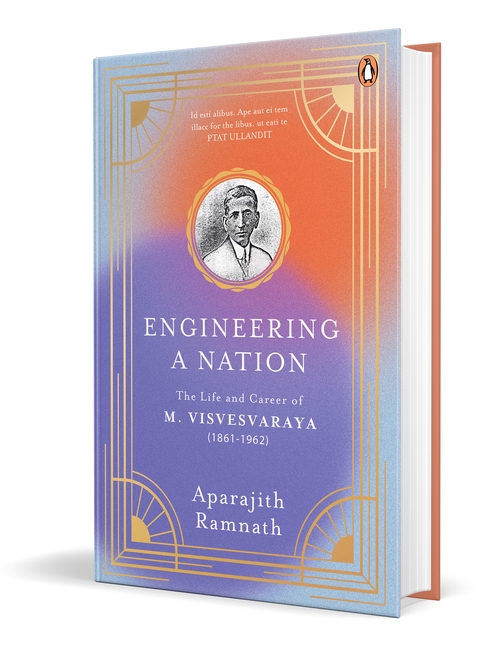
Engineering a Nation || Aparajith Ramnath

In Engineering a Nation, Aparajith Ramnath delves into a wide range of sources to paint a balanced picture of a man who has come to be regarded as a national icon. Throughout, he explores the professional and intellectual relationships that shaped Visvesvaraya, and highlights the historical context in which he worked. To explore Visvesvaraya’s life, the book argues, is to understand the emergence of the Indian nation itself.
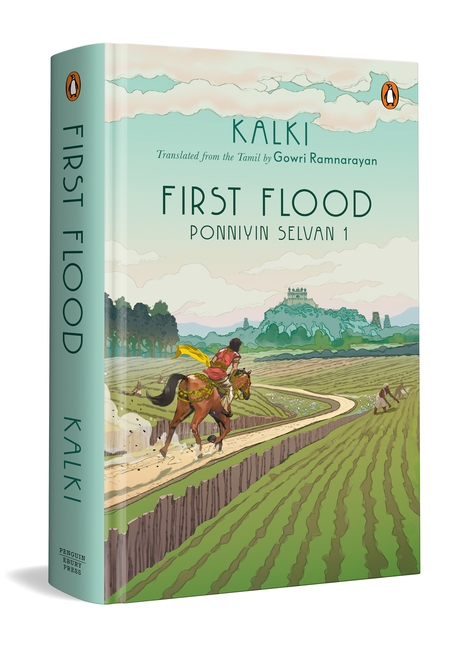
 

First Flood
First Flood || Kalki, Gowri Ramnarayan

As the emperor of the Chozha kingdom, Sundara Chozha, lies unwell in Tanjavur fort, a sinister plot is being hatched—a plot to wrest the throne from Crown Prince Aditta Karikalan. Senior minister Periya Pazhuvettaraiyar is powerful and could well succeed in his plan to seat Madhurantakan, son of Sundara Chozha’s elder brother, on the throne, after Sundara Chozha’s death.
Aware of the rumblings, Aditta Karikalan entrusts his confidant Vallavaraiyan Vandiyatevan to deliver a message to the emperor and his beloved sister Kundavai Devi. Will the intrepid Vandiyatevan succeed? Or will he fall victim to the machinations? What role does the elder Pazhuvettaiyar’s wife have to play in all this? Will Kundavai Devi be able to protect her brothers’ interests?
Delving into politics, betrayal, desires and ambition in tenth-century Tamil Nadu, Ponniyin Selvan is Kalki’s magnum opus, a gripping tale that has remained popular and beloved for decades. Beautifully translated by Gowri Ramnarayan, Kalki’s granddaughter, Fresh Floods is the first in a series that is unputdownable.
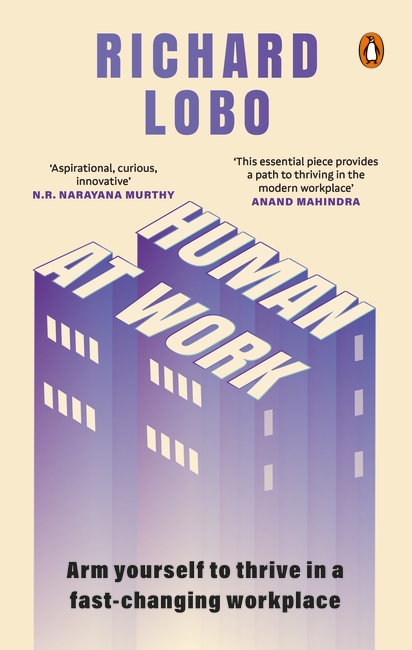
 

Human At Work
Human At Work || Richard Lobo

Human at Work delves into these challenges, the rapid technological advances, digital transformation and economic uncertainties that serve as opportunities and threats for the future of work. These developments call for agile leadership, ethical decision-making and commitment to continuous innovation in an ever-shifting landscape.
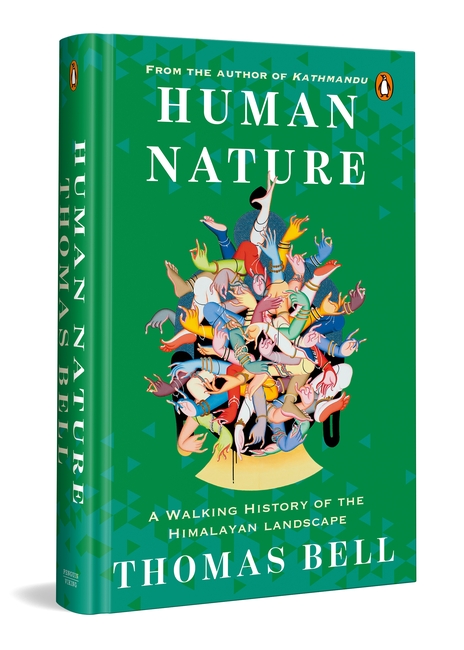


Human Nature
Human Nature || Thomas Bell

In Human Nature, Thomas Bell embarks on four walks through the Himalaya, each in a different season, to explore the interplay between the land and the people who call it home. This evocative history entwines travelogue with folklore, literature, art and anthropology, offering a nuanced portrait of life over the centuries in one of the world’s most enigmatic regions.

Bell’s decades of living in Nepal give him an unusual perspective that bridges the gap between insider and outsider. The stories told to him touch on themes from religion to ecology and political economy, and from pre-history to the present day. He also deftly examines the impact of British imperialism and the growing external pressures on the environment.
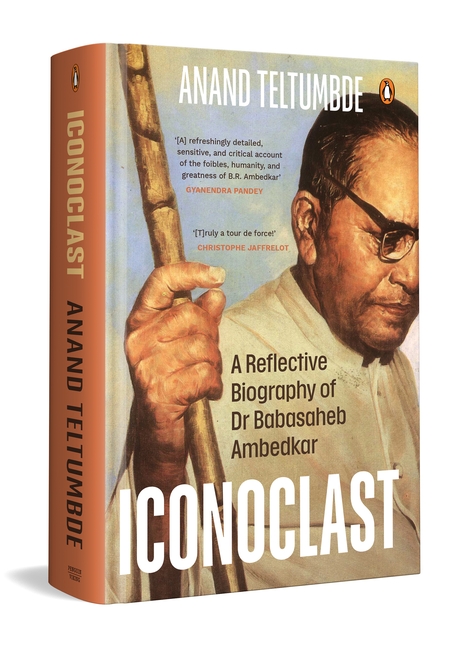
 

Iconoclast
Iconoclast || Anand Teltumbde

In Iconoclast, Dr Anand Teltumbde, a distinguished public intellectual and leading authority on the Dalit movement, presents a groundbreaking biography of Dr B.R. Ambedkar. Far from the embellished narratives often associated with his legacy, Teltumbde strips away the layers of myth and hyperbole to reveal the man behind the legend.

With incisive analysis and a deep understanding of Ambedkar’s philosophy, Teltumbde extends the narrative beyond the confines of history, examining Ambedkar’s enduring impact on contemporary India. Iconoclast is a masterful tribute to a towering figure in modern history, offering profound insights into the epic struggle for social emancipation and the quest for a truly inclusive society.
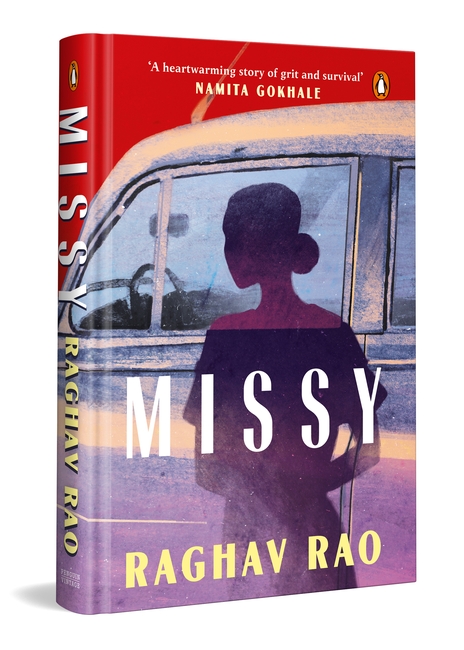
 

Missy
Missy || Raghav Rao

St Ursula’s Convent, Madras. The girls here are destined to be nuns or servants, but seventeen-year-old Savi, intelligent and with a gift for languages, dreams of escape. She’s taken on as a governess for the wealthy Nandiyar family.

The horrific events of a single night compel Savi and her lover, Ananda, to embark on a dangerous journey, at the end of which they re-emerge in America under new identities. Forty years later, Savi, now known as Missy, is living the American dream in Chicago. She is the pillar of the South Asian community and mother to two brilliant young women, Mansi and Shilpa.

But the past is only a tremor away. Varun, a charming doctor, enters their lives, and his arrival sets off a chain of events that puts Missy’s world in jeopardy.

An extraordinary debut, Missy is the story of a remarkable woman—tender in pain, courageous in crisis. This is a captivating novel that sheds light on the allure of assimilation and the idea that you can never outrun your past.
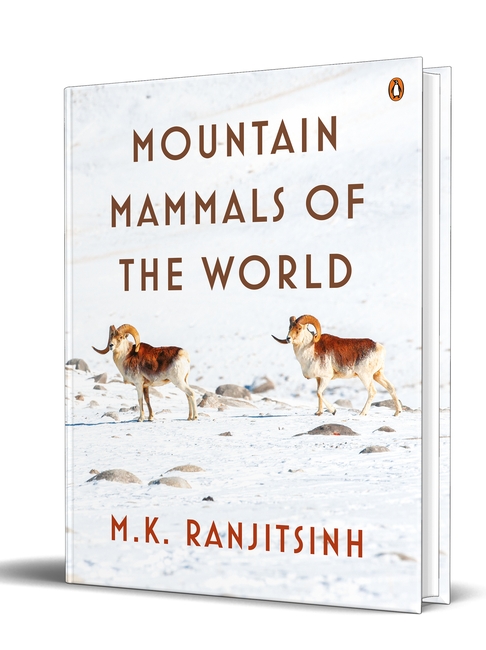
 

Mountain Mammals of the World
Mountain Mammals of the World || M.K. Ranjitsinh

There are several books available on the wildlife of different countries and continents, of animal and bird species, even of habitats and ecotypes like the rain forests, the wetlands and the deserts. However, one does not find a comprehensive work on the larger mammals of the mountains of the world. In this book, the author, who has been one of the foremost conservationists and has spearheaded several programmes for the protection of wildlife with his insightful writing, brings alive the world of these mammals.

Mountain Mammals of the World is a definitive guide to the understanding of the most spectacular animals on earth, against the backdrop of some of the world’s most splendid scenery.
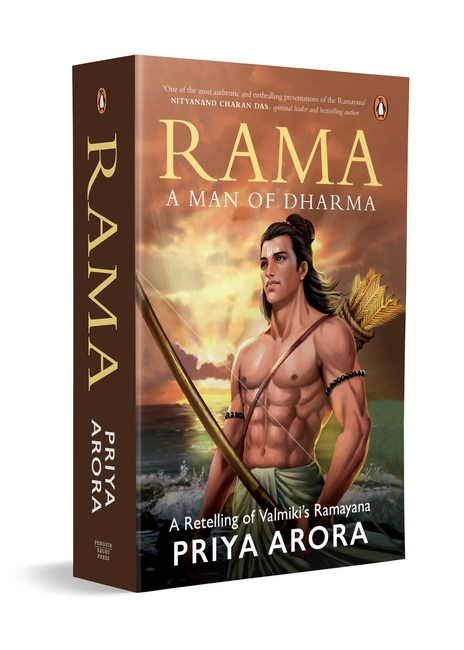
Rama
Rama || Priya Arora

The Ramayana is thousands of years old, yet it is filled with life lessons that benefit us even today. It teaches courage and fortitude to handle problems that are the inevitable result of birth. Reading it instils values like leadership, forbearance, loyalty, respect, equality, forgiveness, humility, and most of all, selflessness. Rama exemplifies eternally relevant dharma, demonstrating the path to enlightenment through conscious selfless action. He illustrates how one can attain liberation from suffering not by renunciation but by engaging fully in life, yet rising above it, through the purity of our choices.

This retelling of Valmiki’s Ramayana is a compelling read. It brings alive the poet’s ancient Sanskrit epic in lucid English without diluting the original intent. Making this edition truly special are the additional chapters on Vedic life, Rama’s descendants and the story of Valmiki.
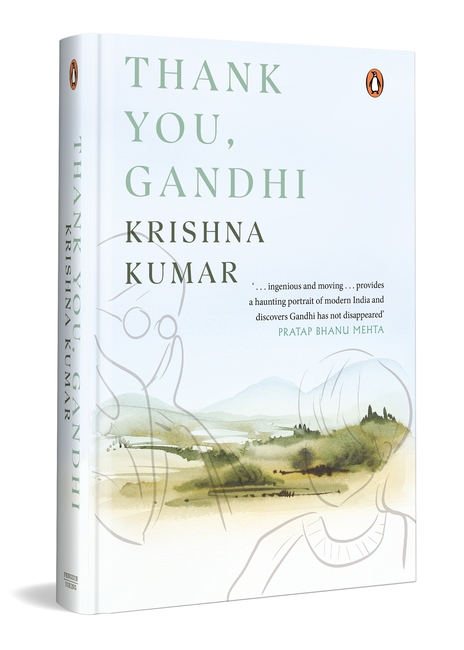
 

Thank You, Gandhi
Thank You, Gandhi || Kumar Krishna

When a bureaucrat who witnessed the Bhopal gas tragedy firsthand passes away from Covid, he leaves behind his oldest friend and an unfinished book.

An impassioned lament, a nostalgic tribute and a poignant ode to boyhood, Thank You, Gandhi is a unique blend of fiction and nonfiction, past and present, memoir and social commentary, and ultimately an uncategorizable book that pays homage to the enduring legacy of the father of our nation. At its epicentre sits the profound bond between K and Munna whose lives are inextricably intertwined with India’s tumultuous history and Gandhi’s teachings.

A novel unlike any other, Thank You, Gandhi takes readers into a liminal space beyond the confines of genre and invites them to confront the difficult questions of where we are and how we got here through a layered and rare exploration of male camaraderie.
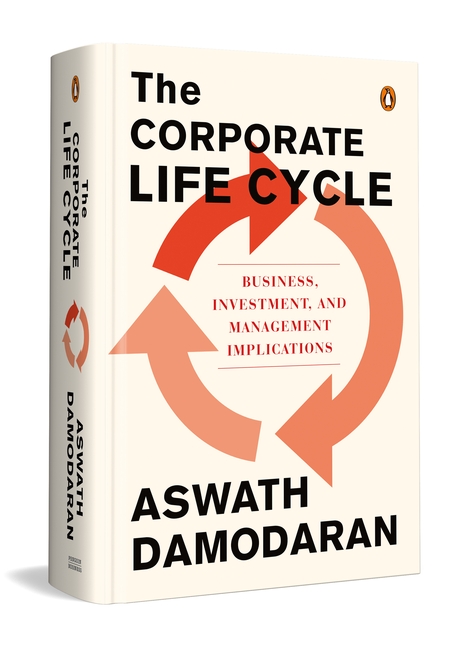
 

The Corporate Life Cycle: Business, Investment, and Management Implications
The Corporate Life Cycle || Aswath Damodaran

Throughout his storied career, Aswath Damodaran has searched for the universal key to demystifying corporate finance and valuation. Now, at last, he offers the groundbreaking answer to readers everywhere. It turns out there is a corporate lifecycle very much like our own, with unique stages of growth and decline. And just as we must learn to act our age, so too must companies. By better understanding how corporations age and the characteristics of each stage of their lifecycle, we can unlock the secrets behind any businesses’ behavior and optimize our management and investment decisions accordingly. As the corporate lifecycle touches virtually every aspect of business, this book is for anyone with skin in the corporate finance game—from managers to investors, from novices to seasoned pros.
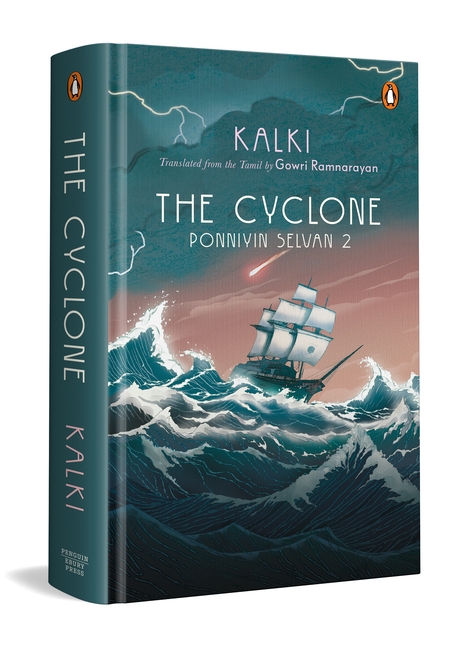
 

The Cyclone
The Cyclone || Kalki, Gowri Ramnarayan

Our valiant hero Vallavaraiyan Vandiyatevan has been asked to make his way to Ilankai on Princess Kundavai Devi’s request. With the help of the curious and eccentric Poonkuzhali, he does so, traversing across dangerous land and waters to finally meet ‘Ponniyin Selvan’—the beloved Chozha prince Arulmozhi Varman.
Back home, the plotting to take over the throne of the Chozha empire continues. At the centre of it all, stands the wife of the senior Pazhuvettaraiyar, the beautiful and dangerous Nandini Devi, who will stop at nothing to bring down the Chozas. Will Vandiyatevan and the Chozha princes manage to outplay Nandini and the Pazhuvettaraiyars?
An epic adventure, skilfully written by Kalki and elegantly translated by his granddaughter Gowri Ramnarayan, continues in this, the second in the Ponniyin Selvan series.
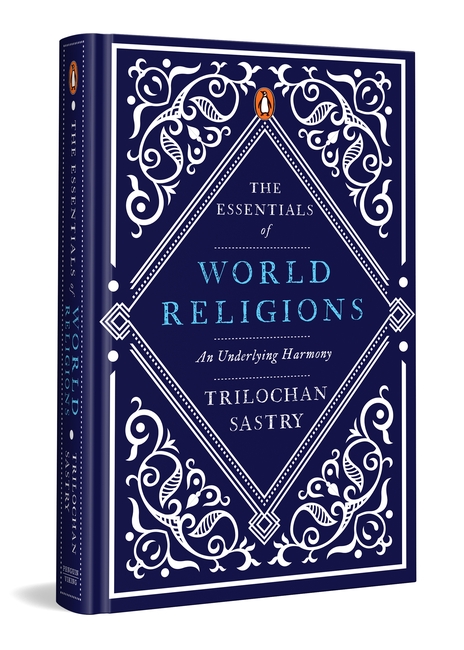
 

The Essentials of World Religions
The Essentials of World Religions || Trilochan Sastry

It may be the twenty-first century but religious tensions and conflicts continue all across the world. Even today, religion continues to play an unparalleled role in the lives of individuals and nations with people and leaders pitting one religious identity against another. But the question that needs to be asked is this: are all religions fundamentally different from each other?

What if we go back to the source texts of all great religions of the world? What will we find?

Will we find a mountain of differences or a sea of harmony? This book addresses this question and is sure to surprise you with its findings.

 

The Fertile Earth
The Fertile Earth || Ruthvika Rao

The Fertile Earth is a vast, ambitious debut that is equal parts historical, political, and human, with the enduring ties of love and family loyalty at its heart. Who can be loved? What are the costs of transgressions? How can justice be measured, and who will be alive to bear witness?
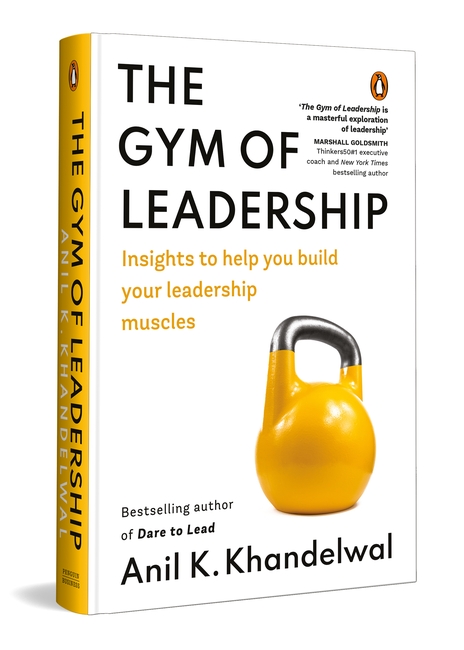
 

The Gym of Leadership
The Gym of Leadership || Anil K.. Khandelwal

In The Gym of Leadership, Anil Khandelwal, a proven transformational leader, advocates that building all-round leadership capabilities should be a high-priority agenda for those aspiring for growth. Taking a refreshing approach, he uses fitness work out as an analogy to motivate aspiring leaders to develop new-age leadership skills. According to the author, building leadership capabilities is akin to building physical and mental fitness since both require passion, dedication and discipline. A practical guide to leadership, this book focuses on the actual development and practice of specific skills. It primarily proposes eighteen foundational skills of leadership grouped into four sections, namely, ‘understanding the self’, ‘emotional regulation’, ‘relationship management’ and ‘communication’. Authoritative and foregrounded in rigorous research, it promises to fill in the existing gap in the literature on leadership.
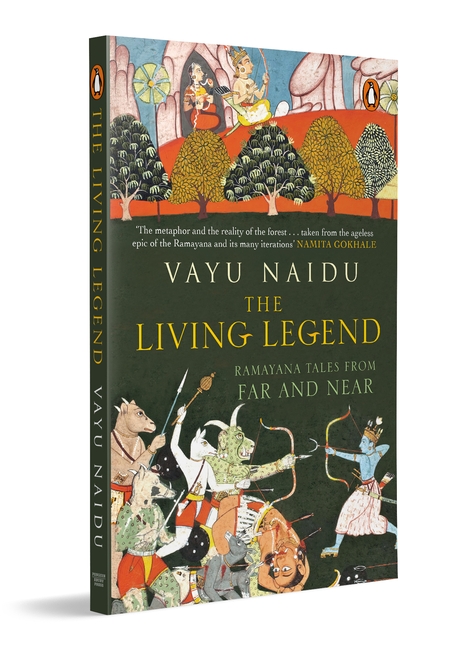
 

The Living Legend
The Living Legend || Vayu Naidu

Rama is all of sixteen when Sage Viswamithra takes him to the Dandaka forest, with Lakshmana accompanying them. At first, the spirit of adventure fills the two teenage brothers, but when they enter the forest in broad daylight, it is a curtain of pitch darkness. The smell of decaying flesh, flashes of fire, and the gloom of animals, birds and foliage in terror affect Rama deeply. For the first time, he feels fear. He hears derisive laughter—is it from the forest, or is it within him?

The Living Legend is packed with twists and reflections and hosts the strength of relationships with nature that Rama, Sita and Lakshmana make to restore balance in life. The forest of inner evolution was transformative in their youth, and it is in our time too.
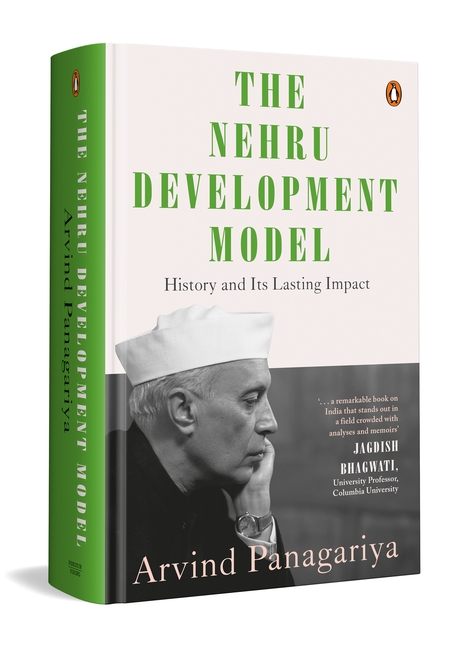
 

The Nehru Development Model
The Nehru Development Model || Arvind Panagariya

This success, though, was marred by an equally resounding failure of Nehru’s economic project, built on the development of heavy industry, an expanding public sector, and relative isolation from world markets. It failed to produce the growth necessary to rid India of poverty and bequeathed an ethos that made a switch to an outward-oriented, pro-market economy a real challenge in the post-Nehru era. This line of thinking remains entrenched in the Indian political, intellectual, bureaucratic, and business constituencies.
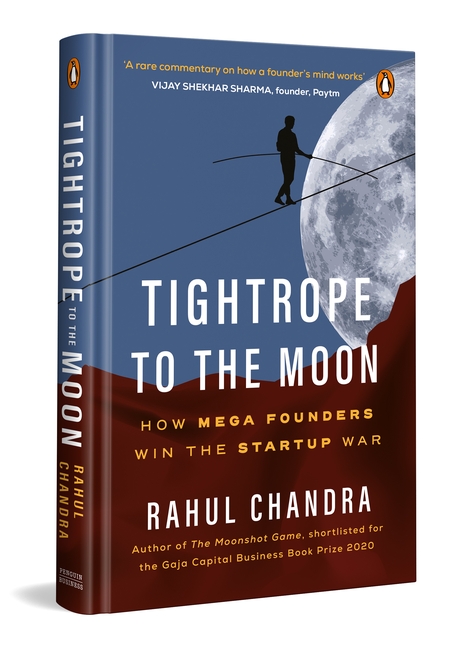
 

Tightrope to the Moon
Tightrope to the Moon || Rahul Chandra

Founders: A unique species of humans engaged in the most productive action that ego can drive. Who put in every ounce of energy to survive and succeed big. Whose journey is so transformative that many lifetimes worth of evolution can get packed into it. Tightrope to the Moon takes readers into the mind of the ‘mega founder’ and decodes how they think, operate and successfully navigate the ultra-competitive startup racetrack. The book unpeels how the founder’s need to prove is first born in a tangible form, grows bigger, survives blow after blow, and yet comes out in front to lead the pack. Based on the author’s over two decades of experience as a venture capitalist, the book uses incisive insights and compelling case studies to unravel the secrets of successful founders. A must-read for founders, their families and their co-workers, this seminal work is a much-needed account of how founders walk the long, treacherous road to success.

 

World’s Best Ex-Girlfriend
World’s Best Ex-Girlfriend || Durjoy Datta

The last time Daksh met Aanchal, it was at a wedding in Dubai. A brief spark and then both of them move on. It’s not necessary to be together even if you love each other to the moon and back, right? Wrong.

Not being with the one you love means that there is always this heart-shaped hole in your lives, a pain that you can’t understand, a longing that refuses to go away.

What happens when the Band-Aid on this relationship is ripped off, and they are pushed together to finally see what life for them would be like? What happens when they put aside their ambitions and emotions to finally look at filling the hole?

World’s Best Ex-Girlfriend is a romance that will take the reader through the wringer of love.

Trying to land your dream job? Think out of the box with Get Job Ready!

“A jack of all and master of none” is a quote that all of us are familiar with, but a majority of people do not know that the original quote is longer.

“A jack of all and master of none is still better than a master of one.”

Interesting isn’t it? When we pursue our academic dreams and try to land that dream job, extra-curricular activities often take a backseat. Here’s why you need to think out of the box to Get Job Ready!

Extracurricular activities help you go the extra mile

Your participation in extracurricular activities can help build your resume and land an internship or job in the future. While in college, extracurricular activities are amazing avenues to build core employability skills. Extracurricular activities are activities that fall outside of your regular academic work. In addition to helping you build necessary skills, extracurricular activities offer additional benefits. They can expand your thinking and perspective, increase your self-confidence, and build a network of friends. There is no one best extracurricular activity. What is best for you may be different from what is best for your classmate.

How to pick an extracurricular activity

Find an activity that you can enjoy and that helps you grow. A number of research studies have shown that students who participate in extracurricular activities perform better academically. Here are a few examples of extracurricular activities to help showcase and develop your employability skills:

  • Leadership in student government
  • Visual and performing arts participation
  • Community service volunteering or leadership
  • Academic clubs
  • Clubs representing professions and associations
  • Participation, awards, or outstanding achievements in hobbies and special interests
  • Tutoring experience
  • Sports-Team member, captain, or coach
  • Research projects
  • Leadership or other participation in on-campus media
Get Job Ready
Get Job Ready||Vasu Eda

Don’t hesitate to use your extracurricular activities to highlight your accomplishments and to illustrate your successes. Have you started an on-campus club, or had a significant role in one? Do your extracurriculars involve skills such as leadership as head of a club, managing events, marketing, writing, website design and development, creating policies, such as in student government, or research projects? Are you on a cricket, racquetball, badminton, or soccer team? Are you the captain of a team? Do you coach younger students? Do you have significant responsibility for taking care of a family member? All these skills can be important in a professional environment and can impress an employer.


If there’s an area that you want to be involved in or a leadership role that you want to take on, and the opportunity doesn’t exist on-campus, then create it. This will show future employers that you can take initiative, are a creative thinker, and a leader, and are not afraid to take on a challenge.

Grab your copy of Get Job Ready and get expert guidance on how to land your dream job straight out of college!


Leaders and Legacies: Understanding the connect with Leadership To Last

Have you ever wondered what inspires the most iconic leaders you know today to build empires and legacies that last for decades?

Leadership To Last
Leadership To Last||Geoffrey Jones, Tarun Khanna

Leadership is multifaceted and multi-dimensional. It is not a linear function: it exists and thrives in every aspect of a leaders’ life, be it personal or professional. In Leadership to Last by Tarun Khanna and Geoffrey Jones, the lasting aspect of wonderful leaderships that ultimately turn into legacies is highlighted. Through several interviews with leaders, entrepreneurs, and successful visionaries which include the likes of Ratan Tata, Adi Godrej, Shabana Azmi, Ela Bhatt, Seema Aziz, Narayana Murthy, and many more!

What sets Leadership To Last apart from other books that talk about leadership is its diversity in setting and a unique interview-like approach. Through these interviews, you are transported to a completely different world, and it’s almost as if you’re in the same room as the leader you’re reading about!

Emphasizing what makes this a riveting read for people from all walks of life, the co-authors also highlight how the focus of the book is on the long durée. By selecting cases that have led to lasting institutional changes, triggered by individuals over multiple decades, the book brings out what truly helps successful leaderships become long-lasting legacies!

Divided into 7 sections that talk about different factors that help create iconic legacies, Leadership to Last also helps you understand the importance of aspects such as managing families, committing to values, innovating for impact, contesting corruption, challenging gender stereotypes, promoting inclusion, and creating value responsibly.

Finally, the learnings from comprehensive interviews of different leaders are summarized to help you understand their experiences better, while also creating a lasting impact through a skillful writing style.

Learn how great leaders leave legacies behind, and everything in between with Leadership to Last!

Investonomy: Your ultimate guide to investing in the stock market

“A good beginning is half the journey.”- Pranjal Kamra

Investonomy by Pranjal Kamra
Investonomy||Pranjal Kamra


You’ve heard of the stock market before, and you might even have thought of investing in it. But something has always stopped you, an itch that has always held you back. According to the National Stock Exchange (NSE), there are 1.2 crore active investors in India, a country of 138 crore people, as of 2021. This means that the Indian stock market is severely untapped. Investing, contrary to popular belief, is more than just a numbers game. In fact, investing gives you more insight into human behaviour than any other field. Investonomy is your ultimate guide to investing in the Indian stock market and helping your wealth-creation journey through equity investment!


Leveraging experience

When it comes to investing, be it in the stock market or otherwise, investors who have been in the game for a long time have the upper hand. Essentially, experience is of paramount importance in the investing world. However, Investonomy can help you bridge this time gap and invest like a pro from day one. Through meaningful insights, it not only explains modern value investing principles but also unveils certain secrets of the stock market. This is something that usually takes years of experience to uncover. Through Investonomy, you can reach your personal wealth goals with ease , regardless of whether or not you’ve invested before!

Understanding popular strategies

Smart investing is crucial to make it big in the stock market. While there are a plethora of investment strategies available for you to choose from, it isn’t as simple as it seems. Understanding popular investment strategies and choosing the most suitable one for your investment goals is a hefty task. Investonomy explains these strategies in detail and helps you make the right pick, effortlessly. Time is money, and with Investonomy, you will be able to chart your investment plan to boost your wealth creation journey!

Decoding the psychology behind investing

The stock market is more than numbers, and smart investing often involves understanding the psychology behind how and why people invest.  Stock market investment is for anyone who has the willingness and patience to learn the art of investing. Unlike in science, there is no fixed formula in stock investment to make profits, nor can you control the key factors to get your desired outcome. Stock market investment is an art that needs to be learnt with experience and knowledge. Hence, you need a comprehensive guide like Investonomy, to help you navigate the complexities of the stock market and help you get the best returns in the long run.

Investonomy is a roadmap to convert your love–hate relationship with the stock market into an unshakeable bond. Get your copy and start your investment journey today!

Alaap – A glimpse into the imminent

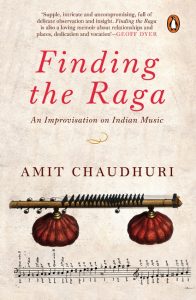
Finding the Raga is Amit Chaudhuri’s singular account of his discovery of, and enduring passion for, North Indian music. A work that simultaneously serves as an essay, memoir and cultural study on an ancient, evolving tradition. It aims at altering the reader’s notion of what music might – and can – be. Tracing music’s development, Finding the Raga dwells on its most distinctive and mysterious characteristics: its extraordinary approach to time, language and silence; its embrace of confoundment, and its ethos of evocation over representation. The result is a strange gift of a book, for musicians and music lovers, and for any creative mind in search of diverse and transforming inspiration.


Here is a glimpse into this profound work of art.

~

Front cover of Finding the Raga
Finding the Raga||Amit Chaudhuri

Not long ago, I found myself discussing narrative with a group of academics over dinner. Someone said that narrative doesn’t have to have a beginning, middle, and end in that order. I pointed out that there were narratives in which the beginning took up so much time that you didn’t know when you were going to arrive at the actual story. Personally, that was the sort of narrative I liked. I told the academics what the filmmaker Gurvinder Singh had said in a talk in Delhi about the screening of his first film Anhe Ghore da Daan (‘Alms for a Blind Horse’) at a film festival in Canada. Singh said that the ten-tofifteen-

minute prologue – which he showed us before his talk – had presented the director of the film festival with a problem. She wanted him to cut it and move straight to the main narrative. He said he’d rather not show the film at all than dispense with the opening. The film’s prologue was significant. Nothing happened in it except the establishment of a certain meandering lifelikeness. Since this lifelikeness, this quality of constantly revisiting the present moment, is more important to me than the story, I actually wanted Gurvinder’s entire film to have been a prologue.

While writing these pages, I wondered if I could call the first chapter ‘alaap’, thereby playing on the meaning of the main segment of khayal. ‘Alaap’ means – presumably in all North Indian languages – ‘introduction’. It’s also a major component of khayal. The initial delineation of the raga, before the vilambit or slow composition starts to the tabla’s accompaniment, is called ‘alaap’. So is the broaching and exploration of the raga in the vilambit composition, where the singer ascends reluctantly from the lower to the upper tonic, subjecting the notes and the identifying phrases to repeated reinterpretation. This is the alaap too; through a progression of glissandos, it contributes to a full emotional and intellectual engagement with a raga, and can take up to half an hour or more, depending on the singer’s inventiveness or obduracy. The alaap is all; its detail justifies the genre’s name – ‘khayal’, Arabic for ‘imagination’. From alaap we move to drut, fast-tempo segments, which are more virtuosic, less lyrical and tardy in character. No other music tradition allows the prologue to be definitive in this way; not even the Carnatic or South Indian tradition, or the dhrupad, precursor to the khayal, has a counterpart to the alaap’s divagation. Carnatic performance has alapana, a long opening without percussion in which the raga is established. But alapana, like the nom tom alaap in dhrupad, soon takes on a quasi-rhythmic form: that is, the syllables are sung in and out of metre, although percussive accompaniment is still to come in. The rhythmic element in alapana and in the dhrupad’s long introductory passages creates a sort of excitement to do with the climactic; in the khayal, though, all expectation of the climactic is set aside. In fact, the rhythmless alaap in khayal is relatively short; the percussion instrument, the tabla, soon joins the singer, playing a tala (a cyclical measure with a fixed number and allocation of beats) at an incredibly retarded tempo. The singer proceeds in free time, heedless of the tala and the tabla player except when they must return, after an interval, with the composition to the one, the first beat, of the time cycle: the sama. Otherwise, unlike Carnatic music or the dhrupad, free time reigns over the exposition, notwithstanding the tabla, which, in a feat of dual awareness, the singer nods to and largely ignores. The alaap is a formal and conceptual innovation of the same family as the circadian novel, in which everything happens, in an amplification of time, before anything’s begun to happen. At what point North Indian classical singing allowed itself the liberty of making the introduction – that is, the circumventory exploration that defers, then replaces, the ‘main story’ – become its definitive movement, I don’t know; it could go back to the early twentieth century, when Ustad Abdul Wahid Khan’s romantic-modernist proclivities left a deep impress on North Indian performance.

The alaap corresponds with my need for narrative not to be a story, but a series of opening paragraphs, where life hasn’t already ‘happened’, ready for recounting, but is about to happen, or is happening, and, as a result, can’t be domesticated into a perfect retelling. Should I call this chapter ‘alaap’, then? Or should I give the book that name?


Seven reasons why ‘Cages’ is one of the foremost feminist texts of contemporary Indian literature

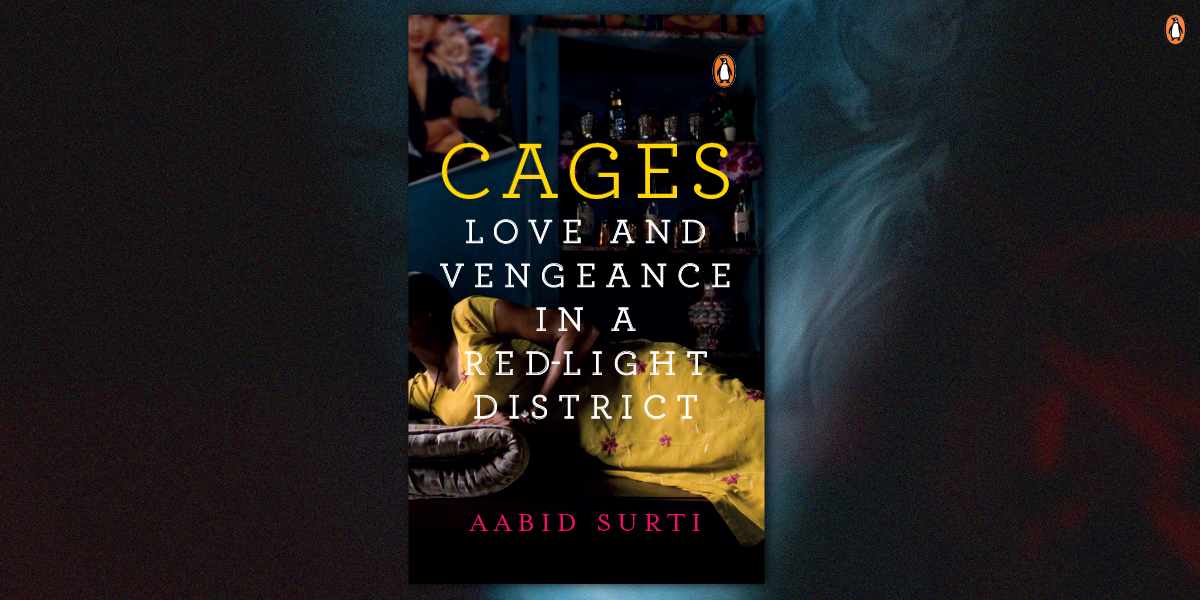
Set at the gritty intersection of the world of prostitution in Kamathipura, the Bombay underworld and Bollywood in the 1970s, Cages: Love and Vengeance in a Red-light District is inspired by the true story of Kumud, a sex worker who dared to own her sexuality and play by her rules. A fast-paced tale of a woman who was not ashamed of her occupation, it is honest in its portrayal of the persistent cruelties-small and significant-faced by sex workers and celebrates the power they have to triumph over it.

Even fifty years after it was first written, Cages remains extraordinarily relevant, a courageous exploration of themes of patriarchy, gendered violence, sisterhood and the validity of a woman’s sexual desires. Read on for some of the reasons that Cages reminds us that feminism is necessary for as long as predatory men are around, women will have to fight to retain control over their bodies, their identities and their ability to say no.


  1. The unapologetic rejection of the rules of traditional morality that women are expected to follow to be considered ‘worthy’ of receiving basic human dignity and rights.

I’m sorry if it disappoints you to know that there is no glorious, uplifting message in my story. No moral lesson at the end. This is not the story of Sita, Savitri or the Blessed Virgin Mary. To those hoping for an inspirational tale of such noble and refined women, I would suggest that it will be wise to stop reading right now and get a refund for their hard-earned money.


  1. The incisive dissection of the Madonna-Whore dichotomy, which does even so-called virtuous women a disservice by placing them on a pedestal.

Dig deep into the mind of any pativrata—that loyal slave married to a single man—and you will definitely find many men lying in dark corners. Peep into the heart of a whore who beds hundreds of men and you will be amazed to discover just one man sitting on the throne within…Which of these two women deserves to be placed on a pedestal?


  1. The celebration of sorority, wherein extremely patriarchal structures the only resource for women in the bonds.

Our madam, Sakhu Bai, was a caring soul. She addressed us girls as ‘beti’ and pampered us as if we actually were her daughters. Apart from me, there were three other girls—two giggly twins, Seethe-Geethe from south India; and Nirmala, a busty girl with black lipstick, from Pune. They welcomed me into their little circle of sisterhood.


  1. The pivotal role of Gangu Bai, the real life brothel owner who ruled the male dominated world of Kamathipura with an iron fist, but fought hard for the dignity and rights of prostitutes.

No wonder all the girls in these disreputable lanes looked up to her and called her their mother—she was truly maternal in the way she treated us. Every Diwali, she would gift all her girls a brand new sari. If any girl under her roof fell sick or contracted an STD, she would bear the entire responsibility, including paying the bills for her treatment. When a prostitute became too old to entertain, she was retired with a respectable pension.


  1. Kumud’s extraordinary determination and courage through the course of her life, in defending her principles and dignity in the most difficult of circumstances.

But I held firm to my principle of not accepting more than ten clients a night. Little did I know that in Kamathipura, principles among whores were as dangerous as honesty among the cops.


  1. The consistent emphasis on consent through the course of the book, and Kumud’s insistence on defending her right to refusal, that sex work does not automatically negate the significance of consent.

I shook my head. ‘What if I force myself on you?’ ‘That would be rape.’ Though he was drunk, he burst out laughing. The word ‘rape’ from a prostitute’s mouth was hilarious for him…What followed next can only be classified as rape. I have no other words to verbalize it.


  1. Kumud’s insistence upon taking ownership of her identity, simultaneously making no apologies for her professions while refusing to be defined by it.

Almost all prostitutes have more than one name. One name a prostitute shares with her clients. Her friends know her by a different name. The third is her real name. That name has the fragrance of the native soil of her childhood—and that name has nothing to do with the many fake ones she adopts for the profession.

What is the human cost of shame?

In the early dawn one day in 2014, a man discovered the dead bodies of 14-year-old Lalli Shakya and 16-year-old Padma Shakya hanging from a mango tree on the edge of their village in Uttar Pradesh. Upon hearing of the discovery and reaching the bodies, the grief-stricken women of the family formed a protective shield around the tree. They knew that if their girls were taken down immediately, they would be forgotten, lost in a brutally inefficient and prejudiced system; but if media arrived, and photos of the bodies went viral, those in power could not ignore the deaths and justice would be served.

A shattering, utterly immersive work of investigative journalism, based on years of meticulous reportage The Good Girls slips behind political maneuvering, caste systems and codes of honour in a village in northern India to uncover the real story behind the tragic deaths of two teenage girls and an epidemic of violence against women. Read on for a glimpse into the devastating fault lines created by caste, gender, technology and revealed by a tragedy that shook the imagination and hopefully the conscience of a nation.


In the year that Padma and Lalli went missing, 12,361 people were kidnapped and abducted in Uttar Pradesh, accounting for 16 per cent of all such crimes in India. Across the country, one child went missing every eight minutes, said Kailash Satyarthi, who went on to jointly win the Nobel Peace Prize with Malala Yousafzai. And these were just the reported cases. The economist Abhijit Banerjee, who later also jointly won a Nobel Prize for his approach to alleviating global poverty, explained that ‘parents may be reluctant to report children who ran away as a result of abuse, sexual and otherwise.’ He added that this was likely ‘rampant’. In fact, some parents sold their children or deliberately allowed unwanted daughters to stray in busy marketplaces. No one reported them missing, and so, no one looked for them. Even in a tiny village like Katra where everyone was of the same social class, the Shakya family believed that the police would still take sides. They would choose to favour the person of their caste. And told that the culprit was Yadav, they would most likely wave away the Shakyas, being Yadavs themselves. ‘Raat gayi toh baat gayi,’ they would say, grunting back to sleep. The night has concluded and so has the incident. ‘It was easy to ask why we didn’t immediately go to the chowki,’ Jeevan Lal would later complain. Time was scarce and he preferred not to waste it on a thankless task. There was, however, another reason that Padma’s father held back. By 10.15 p.m., a dozen men were searching for Padma and Lalli in the Shakya family plots. Some in the group assumed that the girls were injured and unable to call for help. Around the search party, termites crawled, mosquitoes buzzed and moths fluttered. As the heat drained out, the field rustled with snakes slipping back into their holes. Nazru excused himself – to eat dinner, he said. The others waded through the upturned earth of Jeevan Lal’s property. They tramped into the orchard. They arrived at the dagger-leafed eucalyptus grove. They went as far as the tube well that adjoined the Yadav hamlet. They moved quickly and, at the request of Padma’s father, they didn’t call out the girls’ names. They were as quiet as they could be. A villager who lived some 400 feet from the Shakya plots had gone into the fields to empty his bladder several times that night, but when questioned about it later he said he didn’t hear or see anything. Certainly, there was nothing to suggest that a group of men armed with torches and tall, heavy sticks were in search of missing children. Jeevan Lal didn’t need to spell out what was at stake, but he did anyway: ‘Our daughters are unmarried,’ he said. ‘Why would we ruin their chances of finding a good match?’ The other villagers would have asked why the girls had been allowed out at night with a phone, and without a chaperone. ‘There’s no point crying after the birds have eaten the harvest,’ they would have said. But the girls had been taken by Pappu. Nazru had said so – and Jeevan Lal knew this, even if the others didn’t. ‘This is the sort of place where people cause a commotion over a missing goat,’ a village storekeeper later said. ‘If the girls were taken by Pappu, as Nazru said, why didn’t the family make any noise or call out to anyone?’ They didn’t, because it wasn’t just the girls’ honour that was at stake, it was the family’s too. And the family had to live in the village. And so, just like that, in less than an hour since they were gone, Padma was no longer the quick-tempered one. Lalli was no longer the faithful partner in crime. Who they were, and what had happened to them, was already less important than what their disappearance meant to the status of the people left behind.

The story of a tea-laborer and his path-breaking journey

If I cannot do great things, I can do small things in a great way.- Dr Martin Luther King, Jr

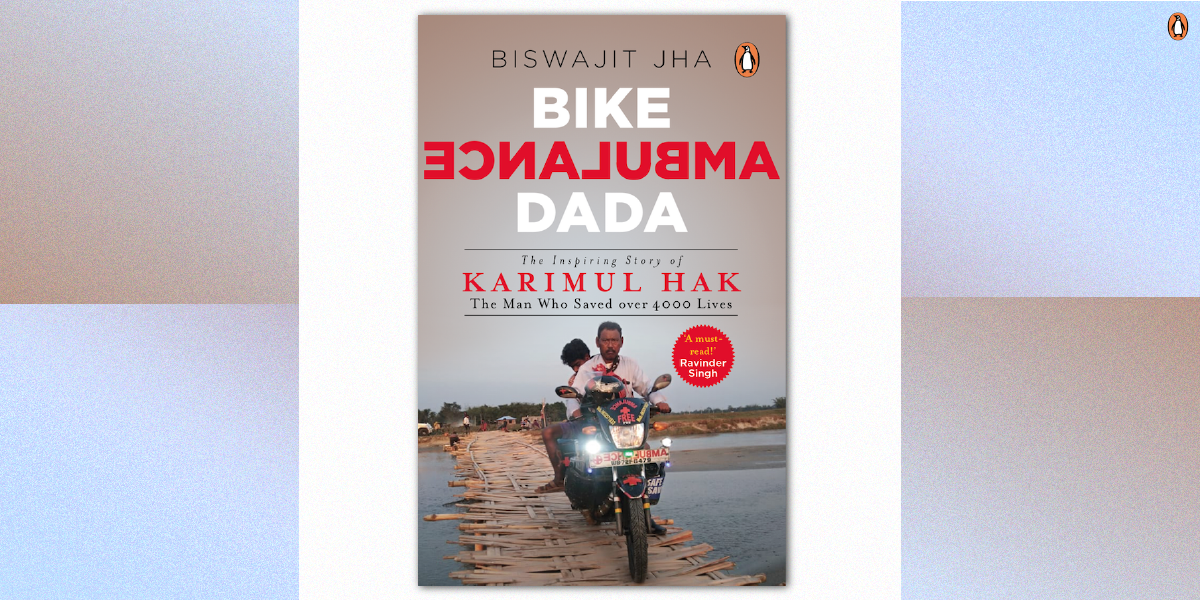
Bike Ambulance Dada, the authorised biography of Padma Shri awardee Karimul Hak, is the most inspiring and heart-warming biography you will read this year. It documents the extraordinary journey of a tea-garden worker who saved thousands of lives by starting a free bike-ambulance service from his village to the nearest hospital.

Here is an excerpt from Bike Ambulance Dada by Biswajit Jha titled A Bike Ambulance Takes Shape.

Front Cover Bike Ambulance Dada
Bike Ambulance Dada || Biswajit Jha

Now that Karimul had a bike, he was no longer dependent on his cycle to ferry a patient. The bike gave the patients a greater chance of survival by ensuring they got to the hospital quickly. Karimul, too, was under less pressure, physically and mentally; he could be more certain of patients getting timely medical attention, be they sick or injured, and riding a motorbike was far less physically taxing than cycling all the way with a passenger.

One day, in 2008, when Karimul was enjoying a cup of tea with some acquaintances at a tea shop in Kranti Bazaar, one of them, Babu Mohanta, suddenly cried out. The engrossing discussion on political affairs was halted abruptly. The small group sprang into action to find out the reason behind Mohanta’s shriek. Investigations revealed that a snake had bitten him just above the ankle. Karimul immediately made up his mind to identify the snake, as this would help the doctor decide on the course of treatment; it was imperative in such cases. He saw the snake but could not identify it. Thinking fast, he somehow caught the snake and put it in a small box so that he could carry it to the hospital. He applied a pressure bandage on the wound as well. With the help of those around them, Karimul got Mohanta tied to his back and asked a villager to ride pillion with him. Before starting out for Jalpaiguri Sadar Hospital, Karimul instructed the man to make sure that Mohanta did not fall sleep. The snake, carefully locked in the box, accompanied them to the hospital.

On the way, they met with a huge traffic jam on the bridge over the Teesta, just 5 kilometres from the hospital. The road was chock-a-block with vehicles stranded on the bridge, all trying to find a way out and, in the process, aggravating the situation. As Karimul zipped past the four- wheeled vehicles, he saw an ambulance stuck in the traffic. When he asked the ambulance driver for the patient’s details, he was told that the man had also been bitten by a snake, and they were heading for the same hospital as Karimul. Manoeuvring his much-smaller vehicle between the cars and moving towards the hospital with Mohanta, the soft-hearted Karimul felt sorry for the patient in the ‘proper’ ambulance, unable to get out.

Karimul soon reached the hospital. Once there, he showed the snake to the doctor, who was at first startled but then observed it intently for a few seconds before springing into action with the treatment.

After getting Mohanta admitted, Karimul went back to the bridge where they had seen the ambulance. He saw that the ambulance, along with other vehicles, was still there; the patient had, unfortunately, passed away.

After a couple of days, Babu Mohanta was released from the hospital. He was the first person bitten by a poisonous snake in the village to be saved—all because of Karimul’s timely intervention and bike ambulance service.

Before this incident, though Karimul had ignored the taunts of some of the villagers and had gone about ferrying patients to hospital, he had sometimes harboured misgivings that his bike ambulance was a poor substitute for the conventional ambulance. But that day, he realized that his bike ambulance was sometimes far more convenient than a standard ambulance. From then on, there was no looking back for him. His new-found confidence enthused him to serve people with increased passion.

After he was awarded the Padma Shri, the Navayuvak Brindal Club, Siliguri, donated to him an ambulance that he used for some months. But the traditional ambulance not only consumed more fuel, it was also rather difficult to drive it to remote and far-flung areas. After some weeks, he stopped using that ambulance; though it is still with him, he doesn’t use it. Instead, he now has three bike ambulances at home; one is used by his elder son, Raju, another by his younger son, Rajesh, while Karimul himself mostly uses the bike ambulance donated by Bajaj Auto, which has an attached carrier for patients.

Thanks to Karimul Hak’s unique initiative, the bike ambulance has become popular in rural areas of India. Inspired by him, some social workers, as well as some NGOs, have started this service too, thereby saving thousands of lives in far-off areas of the country.

While Karimul has saved many lives, he deeply regrets not being able to save some. Still, he derives immense satisfaction from the fact that a person like him, with a paltry income and limited capacity, has made a difference in the lives of so many people. Relatives and family members of those who died en route to the hospital, or even after reaching the hospital, at least know that they, through Karimul, tried their best to save their loved one. This is a noteworthy achievement for Karimul, who dreams of a day when lack of medical treatment will not be the reason for someone’s death.

Bike Ambulance Dada is a must-read today as it will inspire us to do and be better in our lives.

Why design thinking is need of the hour?

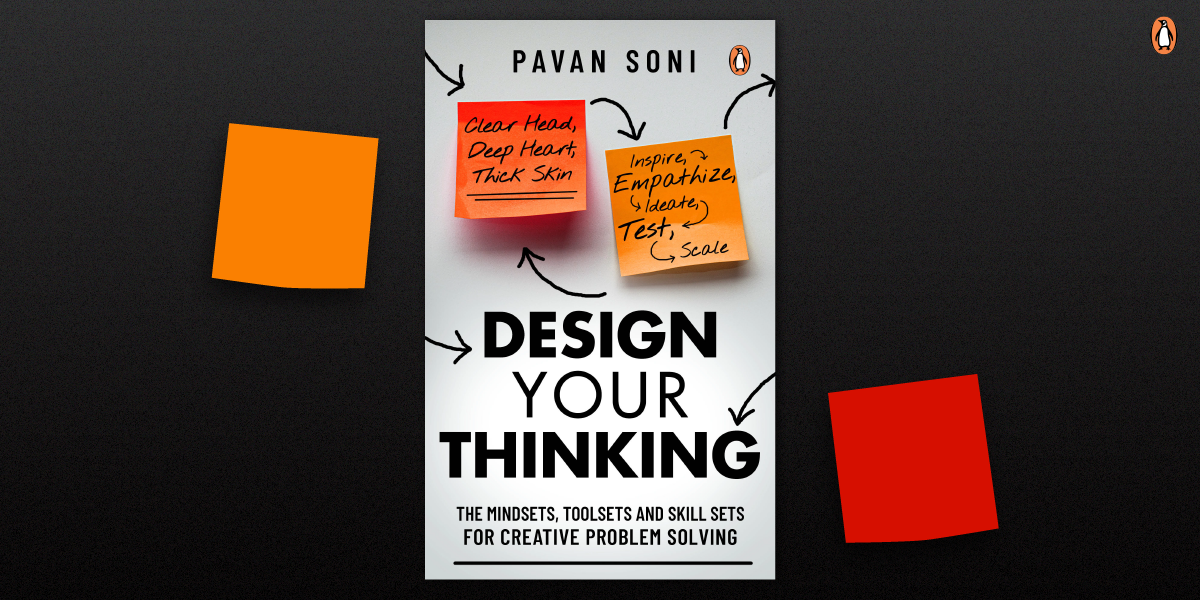
Creative problem-solving is at the heart of innovation, and some of the world’s most innovative companies are very systematic in following this approach. Pioneered by IDEO and Stanford d.school, design thinking is one such approach that draws inspiration from the realm of product design. This book attempts to offer a practitioner’s perspective on how the tenets, methods and discipline of design thinking can be applied across a range of domains, including to everyday problems, and help us become expert problem-solvers through the use of the appropriate toolsets, skill sets and mindsets.

Here’s an excerpt from the book which elucidates why design thinking deserves to be adopted more seriously and pervasively.

**

Whether you are buying a product or hiring a service, at the end of the day you are consuming an experience, and in this experience economy, a lot more of your senses are involved. The traditional products have become more like services, and services have become experiences. In today’s marketplace, customers are shifting from passive consumption to active participation. Memorable experiences are not scripted by leaders or marketing departments but are delivered at the moment of truth by the customer-facing executives. And such experiences must be crafted and delivered with the same precision as the products. We are all seeking authentic experiences and even the most mundane task can be made into a cherishable experience. Such authentic experiences often take shape by allowing for spontaneity, and, paradoxically, this spontaneity must be designed beforehand, and technology is only a small part of that desirable experience.

Do you wonder why people spend such huge amounts to attend TED Talks, when all of these are available for free on the Internet? Because people want to ‘experience’ being in the company of thinkers and doers and get inspired. That is the same reason that thousands of Indians queue up every summer to watch Indian Premier League matches in their cities. Many of them travel across cities, stand in lines for well over four hours, often in scorching heat, when they could have watched their favourite players from the comfort of their living rooms. They seek genuine experiences, and they are ready to pay anything, risk anything to seek that involvement.

front cover of Design Your Thinking
Design Your Thinking || Pavan Soni


People, rich and poor, are going beyond amassing stuff to seeking experiences, and that is visible among a wide cross section in India and in several other emerging economies. Abhijit Banerjee, co-recipient of the 2019 Nobel Prize in Economics, notes, ‘Generally, it is clear that things that make life less boring are a priority for the poor.’6 He offers a counterintuitive explanation of why the poor spend more on festivities, marriages and other social functions, even if they are often deprived of material goods, such as televisions, bicycles or radios. Another explanation is to do with social equity and collateral, but equally, there is the desire to seek an experience and make life less boring.

Is it possible to infuse experience through design in the most commoditized and undifferentiated products? Yes, and the Indian watch brand Titan has made an empire doing so.

In December 1987, when Titan opened its first retail outlet at Bangalore’s Safina Plaza, watches were perceived as functional products, dominated by HMT Watches and Allwyn Watches and a few international brands whose watches were smuggled into the country. It was Titan that made us think about watches as pieces of adornment and even collectables. (The same was done later for jewellery, accessories, perfumes and, more recently, sarees.) Since its formative days, Titan has paid special attention to how its watches are displayed and to the overall buying experience. Notwithstanding the award-winning designs of its watches, the company’s focus has largely been on designing the buying and gifting experiences. Not just these, Titan has also invested in the product repair experience, setting up repair centres within showrooms to win customers’ trust.

On how Titan went about improving customer experience, Bhaskar Bhat, the company’s former MD, notes, ‘Formalising an informal sector and transforming it for the benefit of the consumer is what we have done best. We are sort of bringing order from disorder. We create elevating experiences for the customers.’7 As Titan demonstrates, designing experiences could be an enduring competitive advantage.

**


Prem Prakash watched history unfold, time and again

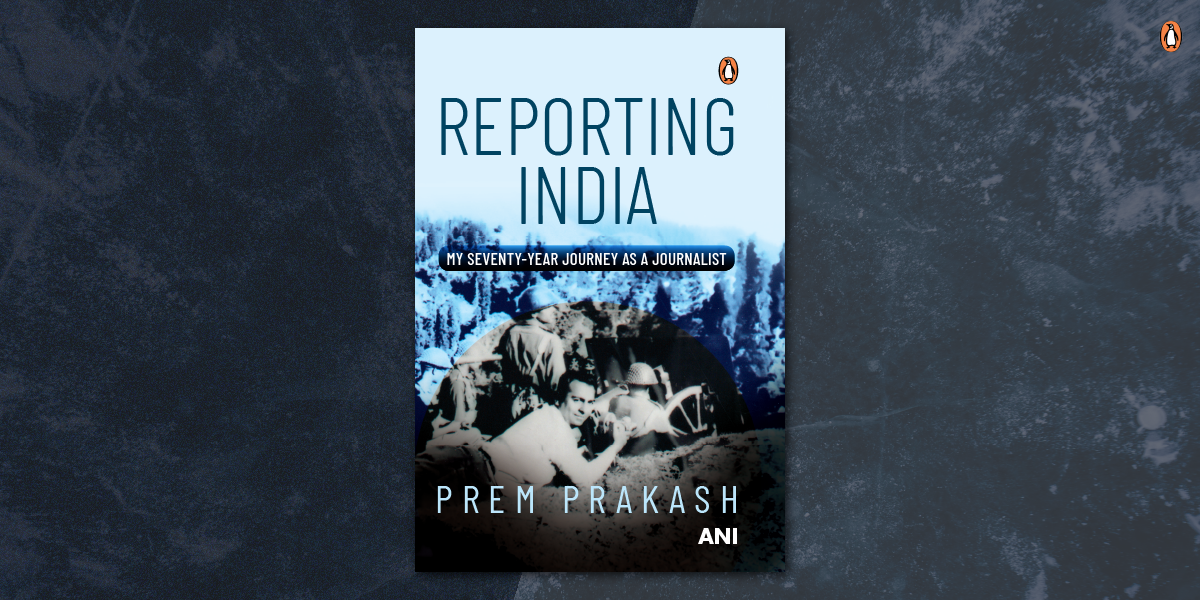
Having worked as a journalist for several years, Prem Prakash was witness to the turning tides of history. Read an excerpt from the account of his outstanding career and the historic moments he was a part of:


The twelfth of June 1975 was like any other summer day in Delhi— hot and humid with frequent power failures adding to the discomfort. Then there was a bolt from the blue. Suddenly, teleprinters in the newsrooms of media offices began clattering out a news alert from Allahabad. The verdict had been delivered on a lawsuit filed by the opposition’s defeated candidate, Raj Narain, against Mrs Gandhi’s election to Parliament in 1971. It was announced by Justice Jagmohan Lal Sinha. Prime Minister Indira Gandhi’s victory from Raebareli had been set aside by the Allahabad High Court following an election petition alleging malpractices and corruption.

Congress was stunned. Journalists rushed to the prime minister’s house. I was there too, along with Surinder, my colleague. Large crowds had gathered to support Mrs Gandhi, while senior Congress leaders went in and out of the house. Mrs Gandhi did not come out. The court barred Mrs Gandhi from holding elected office for six years, but it stayed the execution of the verdict to give her time to appeal against the judgment, if she chose. The media was as stunned as the government. Several were of the opinion that she should resign. By now, however, it was clear that she would put up a fight and go into appeal at the Supreme Court.

front cover Reporting India
Reporting India||Prem Prakash

After Indira Gandhi’s comprehensive victory in the 1971 Lok Sabha election, her rival, Raj Narain, had challenged the election result in the Allahabad High Court. The case had dragged on. Raj Narain insisted there were corrupt practices, but in fact there were none, except that one of Mrs Gandhi’s confidants, Yashpal Kapoor, whom I had known from Panditji’s time, was just as powerful as he used to be. This indicated that the bureaucracy believed that she hadn’t given up as yet. Raj Narain—the ‘joker in the pack’, as he was known—was elated at the verdict and demanded her resignation.

Yashpal Kapoor’s resignation came a few hours after the election was called, and he had already begun participating in the election campaign while employed by the foreign office of the government, something that the law does not permit. This was at best a technical or bureaucratic irregularity.

The case had already been argued and judgment was due towards the end of May. But the judge delayed it for some unknown reason. It was alleged that some Congressmen approached him to try and influence him in Indira Gandhi’s favour, making things worse for her. The judge was clearly peeved at this approach by the people whom he considered Mrs Gandhi’s agents.

Justice Jagmohan Lal Sinha had been avoiding public appearances for quite some time. He stayed home and called his stenographer to dictate his judgment. To guard against leakage, the judge insisted that his stenographer stay in his house. The day the dictation was completed, he asked the stenographer to disappear. That was 11 June 1975.

These are all known facts. The judgment was to be announced the next day, 12 June. Everybody across the nation was waiting. The judge arrived in court at 10 a.m., and within five minutes he allowed the petition.

The news spread like wildfire all over India and beyond. A news flash said that the court had allowed Raj Narain’s petition and found Mrs Gandhi guilty of corrupt practices. The judge then read out the judgment pronouncing Mrs Gandhi guilty on the basis of a simple technical error. It was like pronouncing a death sentence on someone for jaywalking.

Mrs Gandhi brushed aside all hints at possible corrupt practices by officials around her. At some point, when confronted with a question at a press conference as to why she was not taking steps against corruption, she had replied that corruption was a universal phenomenon. That sent a message down the line to the corrupt bureaucracy that it was okay to indulge in such practices so long as you did not get caught with your hands in the till.

After the Allahabad judgment, Mrs Gandhi was expected to resign. But she stood firm and said she would not do so, not till she went to appeal to the Supreme Court. The opposition took to the streets to protest at her challenging the judgment. This, to my mind, was totally unfair. You cannot prevent a person from exercising all their legal options. Demonstrations by the opposition, primarily led by the Jana Sangh, were not that big. These also did not resonate with the people, as by and large everyone felt that Mrs Gandhi had every right to go in for appeal.

…The Supreme Court, in its judgment on 24 June 1975, upheld the Allahabad High Court judgment, adding that Mrs Gandhi could continue as prime minister for six months and attend Parliament but not vote there. Subsequently, on 7 November 1975 (during the Emergency), the Supreme Court overturned Mrs Gandhi’s conviction in the Allahabad judgment.

Obviously, during those six months, following the Supreme Court’s conditional stay order, the prime minister’s office would be occupied by a person who was not really authorized to be there because of the Allahabad High Court order. At least this was the sensible way of looking at it—if the prime minister was disqualified she ought to resign, as the opposition insisted while holding their demonstrations.

The unrest was beginning to affect the country’s stability. The government had come to a virtual standstill, and many bureaucrats felt they were carrying out the orders of an illegal government.

Reporting India is an invaluable work, showing an intimate understanding of events we have only read about, from someone who was a part of those times.

error: Content is protected !!