“A good beginning is half the journey.”- Pranjal Kamra
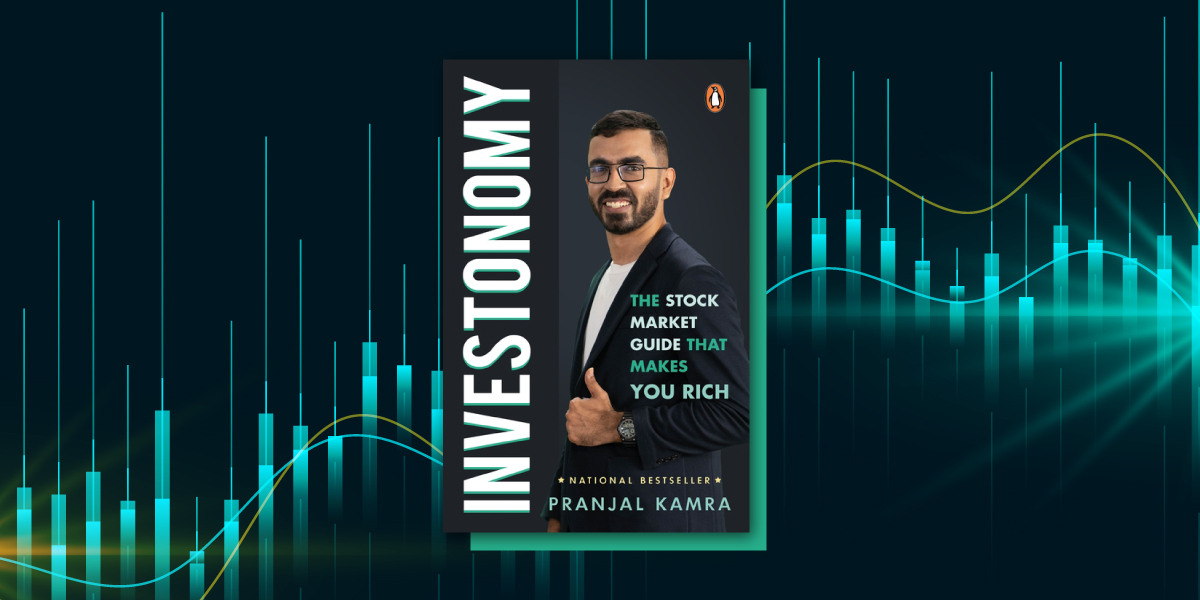
Investonomy||Pranjal Kamra
You’ve heard of the stock market before, and you might even have thought of investing in it. But something has always stopped you, an itch that has always held you back. According to the National Stock Exchange (NSE), there are 1.2 crore active investors in India, a country of 138 crore people, as of 2021. This means that the Indian stock market is severely untapped. Investing, contrary to popular belief, is more than just a numbers game. In fact, investing gives you more insight into human behaviour than any other field. Investonomy is your ultimate guide to investing in the Indian stock market and helping your wealth-creation journey through equity investment!
Leveraging experience
When it comes to investing, be it in the stock market or otherwise, investors who have been in the game for a long time have the upper hand. Essentially, experience is of paramount importance in the investing world. However, Investonomy can help you bridge this time gap and invest like a pro from day one. Through meaningful insights, it not only explains modern value investing principles but also unveils certain secrets of the stock market. This is something that usually takes years of experience to uncover. Through Investonomy, you can reach your personal wealth goals with ease , regardless of whether or not you’ve invested before!
Understanding popular strategies
Smart investing is crucial to make it big in the stock market. While there are a plethora of investment strategies available for you to choose from, it isn’t as simple as it seems. Understanding popular investment strategies and choosing the most suitable one for your investment goals is a hefty task. Investonomy explains these strategies in detail and helps you make the right pick, effortlessly. Time is money, and with Investonomy, you will be able to chart your investment plan to boost your wealth creation journey!
Decoding the psychology behind investing
The stock market is more than numbers, and smart investing often involves understanding the psychology behind how and why people invest. Stock market investment is for anyone who has the willingness and patience to learn the art of investing. Unlike in science, there is no fixed formula in stock investment to make profits, nor can you control the key factors to get your desired outcome. Stock market investment is an art that needs to be learnt with experience and knowledge. Hence, you need a comprehensive guide like Investonomy, to help you navigate the complexities of the stock market and help you get the best returns in the long run.
Investonomy is a roadmap to convert your love–hate relationship with the stock market into an unshakeable bond. Get your copy and start your investment journey today!
Don’t our little readers feel that it was only a few days ago that they were celebrating the New Year and now they are welcoming the month of February? Well, we definitely relate with them.
We are here to give our young friends company with some of our best books that are sure to take them for a fun-filled, adventurous, and simply amazing ride. With stories about historical sites, interesting people, brilliant artist, struggles for independence and long, eventful journeys will provide kids a wholesome reading experience.
So, let’s dive into the list of our latest releases!
When Blackbirds Fly
When Blackbirds Fly || Hannah Lalhlanpuii
Ages: 10+ years
Life is sweet growing up in Aizawl, with his family and friends, and all the narrator wants is a peaceful life. But the independence movement in Mizoram means that regardless of what he wants, he is drawn inexorably into a world where everyone has to choose where they stand…
Set in the initial stages of the two-decade-long struggle for Mizoram’s independence and against the backdrop of the 1966 bombing of Aizawl, this stunning debut novel is an universal story of how individual dreams and lives are shattered when larger conflicts arise.
My Grandmother’s Masterpiece
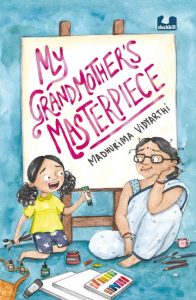
My Grandmother’s Masterpiece || Madhurima Vidyarthi
Ages: 8+ years
‘This is the story of how my grandmother became a famous artist. It happened somewhere between my seventh and eighth birthdays, so she was really old and also a grandmother, and I didn’t know she was an artist. And, of course, she was not famous. And then she was both, all at once.’
For Nini, Minima is just her normal everyday grandmother. So when Minima suddenly shows an interest in doing something new, Nini is not sure that she likes it. After all, a grandmother’s first job is being a grandmother, isn’t it?
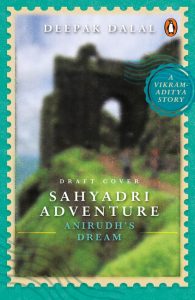
Once upon a time, there were fields in the city of Mumbai. Panthers roamed the forests of Malabar Hill and the occasional tiger could still be spotted, swimming the harbour or prowling the fringes of the city. The sea flooded the channels that separated the seven islands of the city. And on one of the islands stood a Fort, guarded by cannons that bristled from black ramparts.
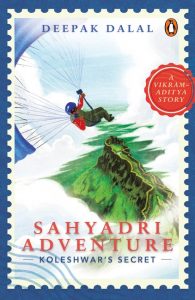
Vikram, Aditya and their friends Anirudh and Chitra no idea of the existence of this Fort. But in a cave, on a windswept mountain in the Sahaydris, Anirudh has a dream. He dreams of a boy named Irfan who once lived in this Fort. He dreams of a city long lost and a friendship both transformative and life-affirming.
Journey to the Sahyadris in the first part of this riveting tale where history meets adventure in one of the most beautiful locales of India.
Far out in the Sahyadris rises a mountain called Koleshwar. Amidst its caves and rumbling streams lie many secrets, secrets that Anirudh discovers when he wakes from a strange dream. Vikram, Aditya, Chitra and Anirudh are now tasked with trying to make sense of his dream. How does Anirudh inexplicably recognize not just every contour and ridge of the lush, monsooned hills but also know every minute detail of the vanished Fort of Mumbai? Will this group of budding adventurers decode the forgotten legacy, buried in the ancient slopes of the Sahyadris, before tips goes over the edge?
Journey to the Sahyadris in the concluding instalment of this riveting tale where history meets adventure in one of the most beautiful locales of India.
Discover India: Mountains and Rivers of India
Discover India: Mountains and Rivers of India || Sonia Mehta
Ages: 8+ years
Did you know the Himalayas are a series of four parallel mountain belts?
Where does the Siwalik range get its name from?
Did you know the Western Ghats are listed by UNESCO as a biodiversity hotspot?
What is the name of the famous dam on Sutlej River?
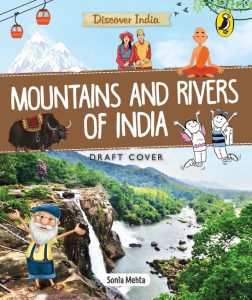
There are a million incredible things to discover about India–from its land, people, food, festivals, to culture and a whole lot more! Daadu Dolma makes it even more fun for Mishki and Pushka in this book by telling them interesting facts about India’s majestic mountains and mighty rivers.
Join them as they explore the highest peaks, discover fascinating wildlife and look for the sources of rivers. This is a journey you don’t want to miss!
Mountains and Rivers of India is part of the Discover India series of books that contain lots of fun facts and engaging activities. Through these books, delve into the history, culture, food, festivals, wildlife and monuments of India, and find out what makes this diverse nation such a fascinating place to be.
Discover India: 101 Awesome Facts about India
Discover India: 101 Awesome Facts about India || Sonia Mehta
Ages: 8+ years
Ever seen a desert made of salt?
Did you know the Himalayas are said to grow taller by two inches every year?
Which ancient fort has the second longest wall in the world encircling it?
Did you know that chess was invented in India thousands of years ago?
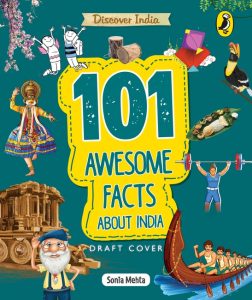
There are a million incredible things to discover about India–from its land, people, food, festivals to culture and a whole lot more! Daadu Dolma makes it even more fun for Mishki and Pushka in this book by telling them 101 awesome facts about India.
Join them as they traverse through time to learn about India’s land and water, foot-tapping music, snippets about lesser-known tribes, interesting people and celebrations. This is a journey you don’t want to miss!
101 Awesome Facts about India is part of the Discover India series of books that contain lots of fun facts and engaging activities. Through these books, delve into the history, culture, food, festivals, wildlife and monuments of India, and find out what makes this diverse nation such a fascinating place to be.
Journey to the Edge of the Earth: True Adventure of Naval Officer Abhilash Tomy
Journey to the Edge of the Earth: True Adventure of Naval Officer Abhilash Tomy || Joeanna Rebello Fernandes
Travel far and wide with an Indian sailor and his endless love for the sea!
Imagine an infinite blue ocean and somewhere in the middle of it, tossed by wind and wave-a single boat. In it a solitary sailor.
This is the gritty, glorious and true adventure of Commander Abhilash Tomy, a former officer of the Indian Navy, who in 2012 set off on the journey of a lifetime. Without once stopping by land, he circumnavigated the world alone for 151 days, encountering deathly perils on choppy waters! No other Indian had sailed like this before. When he finally returned to India, Abhilash was awarded the Kirti Chakra for his heroism.
Dive right into this rousing tale of a real-life hero whose ambition, courage, and determination to circle the world on his little boat, will fire up your imagination. And as you travel with Abhilash across the ocean, learn about famous ships and sailors, legends and maps, winds and currents, and a score and more fascinating stories about our world of water.
Mythonama: The Big Book of Indian Mythologies
Mythonama: The Big Book of Indian Mythologies || Mudita Chauhan-Mubayi, Adittya Nath Mubayi
Ages: 10+ years
A thunderbolt of bone, a discus of sun dust
A menagerie of beastly deities and divine beasts
Shape-shifting shenanigans, cosmic miracles
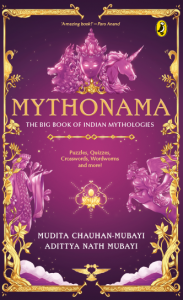
Dive into myths and legends from the Avesta, Quran, Mahabharata, Bible and more. Meet immortal beings and magical creatures like Kag Bhushundi, Girimekhala and Bahubali in anecdotes, fables, quizzes and crosswords.
Unlock this vault of timeless treasures, brimming with creation myths, supernatural twins, sacred plants and wondrous weapons. Even the Potterverse and Star Wars appear in this perfect primer on Indian myths.
Brought to life by the popular quizmaker-author duo, Mythonama is a fascinating narrative blending engaging text, fantastical illustrations and immersive activities.
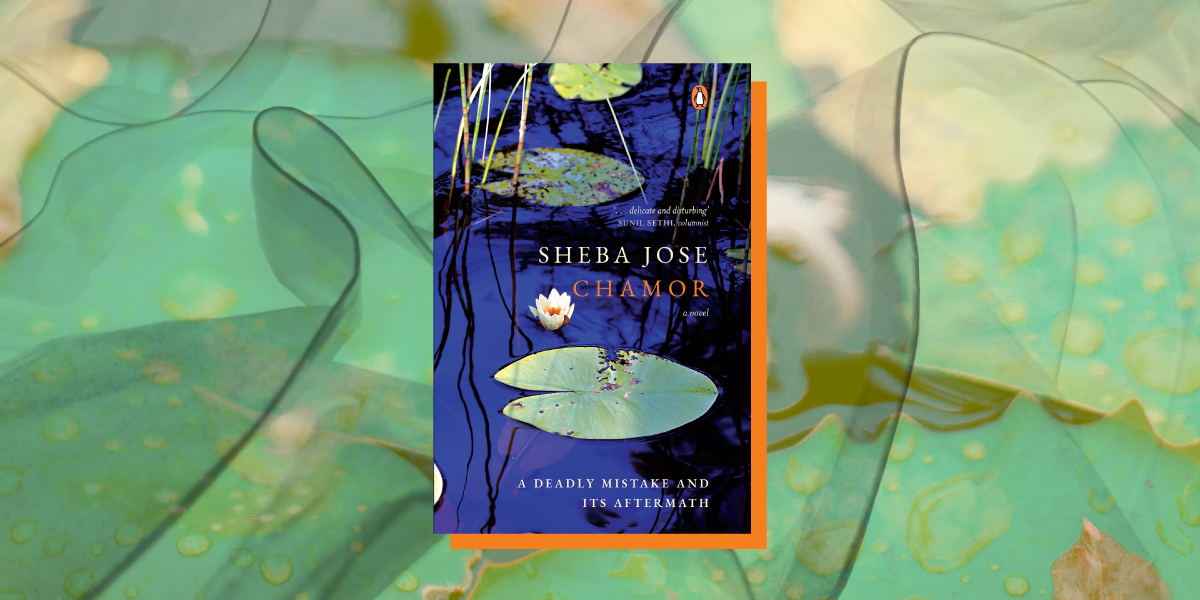
Do you crave nostalgia in this sultry weather? Chamor is our most heartfelt novel of 2021. This gritty novel, while offering the reader delightful glimpses of daily life in the two regions of southern India that form its setting, also brings them face to face with the less savoury and disturbing aspects of the human condition. The mostly lovable characters, who are at the mercy of a universe that does not discriminate between good and evil, cannot take anything for granted. Whether man, beast or bird, each must deal with their destiny according to their nature and instincts. Here’s an excerpt to give you a taste of this beautiful novel!
**
The car that my father drove was an old one—a grey Morris Minor. It looked weird to me, like a bug, but its colour reminded me of a certain grey, syrup-filled toffee that used to be a favourite of mine as well as of my school friends. The car had belonged to my father’s brother, who had arrived in it with a friend, but when they tried to drive it back to Kerala it would not go. Uncle did not care to have it returned to him, and between the mechanic, Raju, and my father, they managed to keep it running, though it could not be taken for long trips. As dinnertime approached, my mother would still be busy with her books, and Jency could be seen bustling about, clinking utensils in the kitchen as she hurried to finish making the last dish. With both of them wanting me out of the way, I would go looking for my father and find him lying on his wheeled plank under ‘the Morris’, as he called it, tinkering with its wires and nuts and bolts. The sound of wrenches and spanners being put aside is, in my memory, associated with the urgent cawing of crows and the plaintive cry of the cuckoo as late afternoon merged into the evening. Clouds of sparrows kept swooping in and bursting out of the thorny acacia shrubs that were their home, and a flock of tiny silverbills, with their distinctive, black-tipped tails that looked like wet paintbrushes to me, sat in a long row on an overhead cable, waiting for the right moment to dive together into their home, which too made for a pretty thorny dig—a jujube tree. A stout, old date palm inside the park thronged with colourful bee-eaters, the two needle-like feathers sticking straight out of their tails making them recognizable in flight, while species of parrots and other birds fought angrily for holes and hollows on the cycads and coral trees. Sadly, at this time, inside the houses, too, feelings ran high as students suffered corporal punishment over mere homework. I would have a brush with this medley of sights and sounds as I hung about my father, kicking my heels. Sometimes, I would lie beside him under the car, shining a torchlight up at its brown, metal underbody. After the job was done, I would be rewarded for my help with a ride around the block, at the end of which we stopped at Mr Nair’s thatched establishment. While my father waited at the wheel, I took the rupee note that he gave me and went inside the lantern-lit shop, which was reputed for its quality goods and hygienic tea stall. Jency and I were regulars there as it was the only shop near us that
sold our breakfast staple of Nendran bananas. As I entered, I found that there were no other customers, and Mr Nair and his wife were busy arranging the stock. Bhavani Auntie cast a glance outside, concerned that I had come alone until she saw my father, and fished out from her mixed candy jar the two specific ones I wanted—the round orange-flavoured coconut bonbon for Jency and the aforementioned grey confection for myself. As per the slip that I had handed in, Auntie gave me a slab of wax paper-wrapped burfi, which was for my mother, and some change. This indulgence was a rare thing, as my father was strictly against ‘putting rubbish in the mouth’.
**
Poignant and perceptive, Chamor will haunt you for a long time. Get your copy and explore vulnerability and honestly like never before!
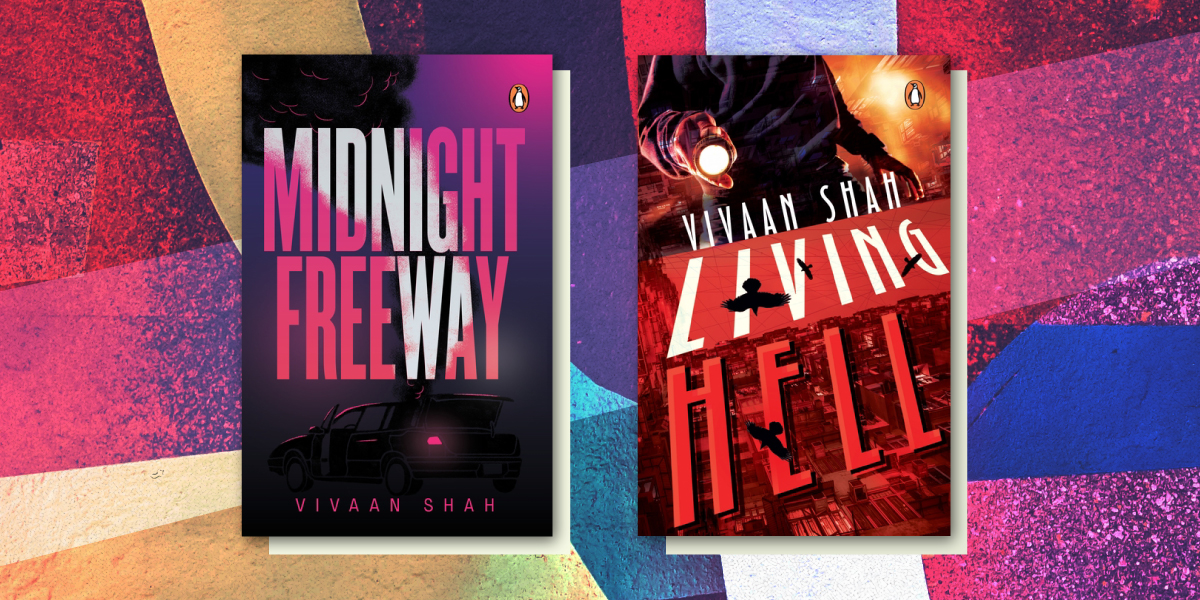
All of us have had awkward and uncanny encounters that almost always amount to nothing or make up for lukewarm, ‘only to be told at a party’ stories. Here’s something out of the ordinary, penned down by Vivaan Shah, the author of Living Hell and Midnight Freeway, that is definitely a treat for mystery lovers!
***
I flipped my phone around to five missed calls from the office once I got off the Sea Link. A high-alert police check-post was set up on the Worli sea-face, which I thought irregular given their general preference of time and place. Whether they were wrapping up for the night or starting the day I couldn’t rightly tell. Two armored cars stood tilted diagonally to the barricade, a squad of four RTO cops and two khaki-uniformed 2-star officers inspecting every vehicle that passed by, peering into the passenger seats and checking every number plate.
A navy blue police van, with its caged backdoor open, stood parked behind a hauled up-tempo and a scooterist without a helmet humoring one of the junior constables. From ahead, I saw this creature walk out of a bright red Honda city—thin, furtive, practically bent double with the way he was arching his shoulders. He sashayed right past the police ‘Dabba’ towards the barricade, his arms dangling from the pectoral girdle like strings of wire attached to an electricity pole—his head leftwards and right as he expanded his chest before the senior-most constable, clicking open his jeep door with one hand, and gently holding it out with the other.
He whistled out to a passing havaldar, one of those squeaky mawaali catcalls you’d hear out on Band Stand or in the Complex. He caught my eye not because he was particularly distinctive looking, but because he was the only one who stood a chance of distracting the officers while I crossed the check-post.
As I attempted delicately to steer on past the zig-zagging yellow barriers, one of the cops caught hold of my open window and stalled me before I could get the gear back into third. He had a sling-on sten gun hanging from his right shoulder, and a slight slouch defeating an otherwise pretty stiff posture. He looked first at my number plate and then at my fingers spread out over the wheel.
‘License and identification please!’ he asked, from behind a pair of the darkest aviators on the force. I keenly obliged, handing him the necessary particulars.
‘So…Pranav…?’ he asked, reading from my license. ‘What do you do?’
‘Lawyer.’ I said.
Tallying the information on my PAN card with my license, he leaned forward on the half-open window and lowered his aviators to initiate eye contact. I looked away as his elbows squeaked on the polish.
‘Come here.’ he wagged one of his index fingers at me.
‘What happened?’
‘Come here! What’s that smell?’
‘What smell?’
‘You been uhh….doing a bit of eh-eh?’ he clenched his fingers into a fist and stuck his thumb out to demonstrate the neck of a bottle. ‘Huh?’ he inquired, shaking his fist to elaborate on his half-hearted pantomime.
‘Ohh no-no! No! I don’t drink sir!’ I promised him.
He semi-circled the bonnet and got into the front seat displacing my briefcase to the back.
‘Excuse me, sir!’ I coughed.
He mumbled something out in Marathi on his walkie-talkie and placed his sub-machine gun under the seat by his feet.
‘You know what the penalty for drinking and driving is?’ he asked, turning towards me.
‘As a matter of fact, I do.’
‘Five to ten years!’ he spat.
‘For drinking? Since when?’ I laughed.
‘Yup! Those are regulations!’
Just then, a vague tapping at his window dulled his enthusiasm. It was the same creature from before beckoning assistance. The cop slouched in his seat on noticing him, raising up his collar to cover his face.
‘Get in the back!’ He swung his thumb around demandingly at him.
‘Who is this guy?’ I asked as the wastrel reached for the door just behind the cop.
‘No one. He’s a lizard.’
‘A what?’
I slowly started the car, it seemed I was taking them both for a little spin.
‘Pranav Paleja!’ I tipped a half-hearted salute at him from the rearview mirror. ‘Pleased to meet you.’
He nodded, looked aside and then out the window, neglecting to give me his name.
‘That’s Nadeem.’ The cop took the trouble to introduce us.
The guy in the backseat still didn’t acknowledge the name was his.
‘Take a U-turn.’ the cop instructed me. I did so at the approaching roundabout, without as much as flinching from the order.
‘Okay, let’s make this quick, how much we got?’
‘I’m sorry sir?’
‘How much cash you got?’
‘Well, actually sir…’ I said. ‘Absolutely nothing! At present, I’m broke! I spent all my money on the petrol!’
‘Hmmm…petrol huh?’ he murmured, putting on the A.C and rotating its knob till he was satisfied.
‘Sir…..’ I mumbled. ‘I’m sorry but I don’t usually use that!
‘Aaaaahhh!’ he exhaled, enjoying the soft fragrant breeze of the A.C.
‘Sirr….’
‘Let’s go for a ride!’ he barked, turning the A.C all the way up.
We skimmed past a redlight without him as much as noticing.
‘Take a left.’ he asked me to pull into a one-way.
‘It’s a no-entry.’
‘Doesn’t matter.’
The tyres squealed when I turned left and nearly grazed a stationery vehicle at the curve whose driver was mercifully missing. Two ATMs stood facing each other in the empty lane, one an Axis Bank Branch and the other an outlet of HDFC.
‘What about you Chipkali?’ he asked the guy seated at the back.
The guy just nodded his head. ‘I told you, I’m out!’
Turns out I had to pay his fine too, he had not a rupee to his name, not even the most rudimentary debit card of any sort. He promised he’d pay me back, but I had nothing more than his phone number to go on. I’d had only two pegs from the night before that were probably still swimming about in my system, but this Nadeem Chipkali had been on an all-night bender, emerging periodically out of every late-night dive this side of the Sea Link. We had to roam around Worli with the cop for around half an hour before we could collectively get him to settle on five thousand between us plus breakfast.
Once we paid him off, he took a ride with a passing patrol bike outside City Bakery, and that was the last we ever saw of him. Nadeem and I just stared at each other from the rear view mirror.
I pushed the front seat back to broaden leg space for him, but he didn’t budge from the backseat, half-expecting me perhaps to play driver to his esteemed rear-end. As I let go of the lever, something pointy and metallic cooled my hand from below the seat—a jagged touch of something entirely alien to my possessions—then came the ruffled cloth of a strap, and soon the rusty perforations constellated over a barrel.
Just as Nadeem finally creaked open the passenger seat door, which I in this revelation had disregarded to reach for, the muzzle of the stun gun stared me back in the face from below the folds of the floor mat.
We both looked at each other, our mouths agape, and our eyes bulging wide. I immediately reversed back to the signal and spun the steering wheel around furiously to cut across the three or four cars that swept by. From afar on Worli sea-face I could faintly perceive, some of the junior constables beginning to pick up the traffic cones and wheel out the metallic Mumbai Police barriers toward the pavement.
Scarcely had we made it to the second red light when, from a clearing in the traffic, we caught the remains of the barricade being speedily disbanded. By the time we were crossing the same spot we had been pulled over at, there wasn’t a cop in sight. We were stuck with the policeman’s submachine gun, which he had irretrievably forgotten, and had no means by which to return it, without of course being thought of as perhaps dangerously insane.
Written by Vivaan Shah
Midnight Freeway by Vivaan ShahLiving Hell by Vivaan Shah
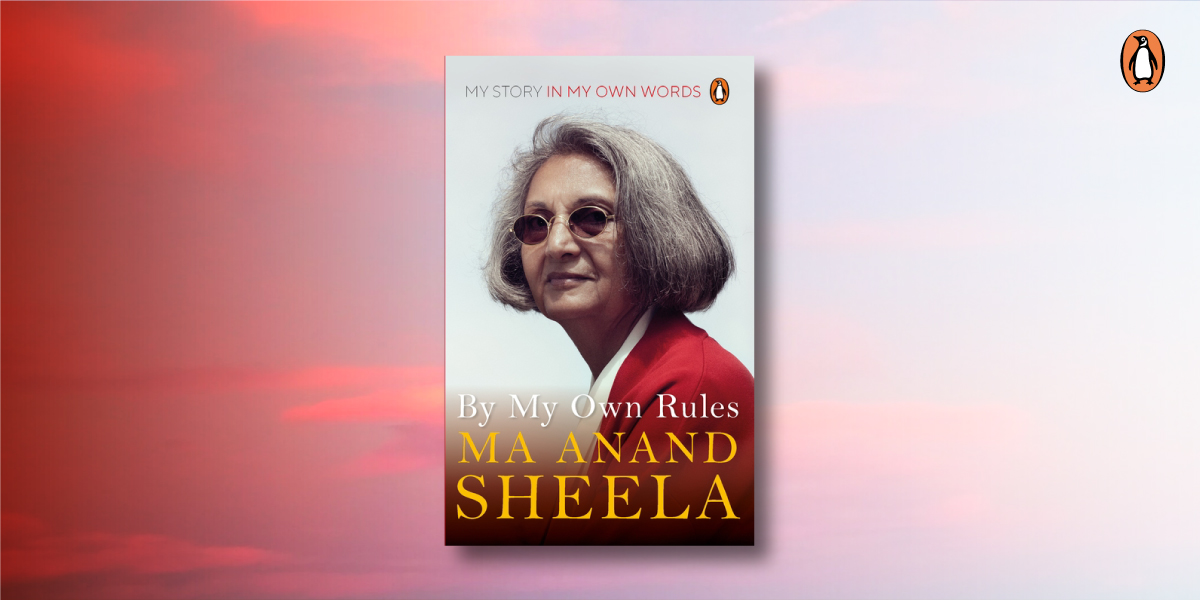
In her latest book, By My Own Rules, that she has dedicated to everyone who helped her get through the life, Ma Anand Sheela has given a glimpse of her past through the eighteen rules she follows in her life. Here’s an excerpt from the book where Ma Anand Sheela writes about how Bhagwan’s love made her confident and fearless in life. She shares an anecdote of the time in her life when she was torn within, and it had become difficult for her to choose between the inner truth or to forget everything—her values, the responsibility, and the people in the community—for Bhagwan.
*
By My Own Rules || Ma Anand Sheela
Faced with this distress, I remembered the advice of my parents. ‘Every person must follow the inner truth. No one needs to be afraid of their feelings.’ Their teaching became my guiding light. I knew that I could not compromise with the values they had ingrained in me. I did not want to sell my soul in the name of love. I could not be with my beloved Bhagwan any more. I could not breathe near him any more. It was time for me to leave Bhagwan. I trusted my instincts and followed my heart. I believed that everything would turn out to be fine. I returned all his expensive gifts, which had been an expression of his love, with a goodbye letter.
My parting caused a wave of disappointment and shock. Something no one expected had happened: Bhagwan and Sheela, who had been one heart and one soul, who had stuck together like the sun and the moon, had finally separated. Bhagwan was deeply disappointed in me. My leaving the commune hit him at the core. At the same time, he had to fortify his position in order to retain the trust of his people as many others were contemplating leaving too. Negative stories were spread about me and I was vilified. I had always been aware that many people were jealous of me and wished to be in my place, trusted and loved by Bhagwan. They had the opportunity now.
With my decision to leave the commune, crazy accusations began doing the rounds. Friends and followers of Bhagwan gave vent to their pent-up emotions over me. Bhagwan had always been a master storyteller. The crazy accusations against me were like fire in dry straw and I was ablaze. This fire became the touchstone of my life as well as of his teachings. I was accused of various crimes. I eventually ended up in prison.
After thirty-nine months in prison in the United States, I understood the essence of Bhagwan’s teachings. Bhagwan used every opportunity to train the consciousness and repeatedly created situations in which he tested the limits of our trust and love. He talked about meditation, of love, life, laughing and acceptance, all his life. These are beautiful words and very easy to live by once we are integrated in a harmonious community. Every person can meditate and be satisfied when life is going well. However, alone in a cell, in prison, isolated and rejected by the rest of the world, the true strengths of a human being become apparent. Only negative things were written about me. Hatred and contempt reflected in the faces of the people I met.
I did not know whether I would survive the next day or ever see the sun again. These were the darkest days of my life. The only thing that I could do was to find trust and clarity in myself and to accept life as it was. Despite all the hurtful accusations, my love for him proved indestructible. His teaching was like a precious diamond to me that reflected the beauty of life, without which everything would be empty and dry. Today I am aware that I went through fire out of my love for him.
**
Written in Ma Anand Sheela’s own words, read her story By My Own Rules to get a glimpse of how she negotiated with several situations in her life.
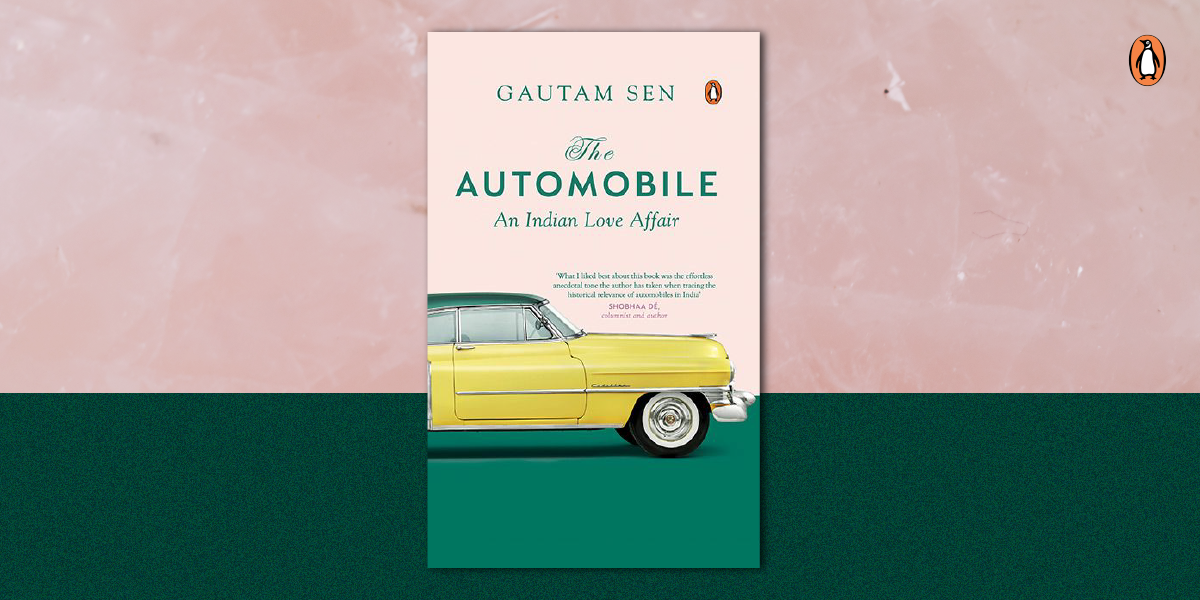
Cars are such an intrinsic part of our lives that it is difficult to visualise a world without them. Although they are the second biggest villain when it comes to air pollution, some villains come in attractive packages and arouse varied passions in the human heart. Gautam Sen’s articulate and extremely readable look at cars, ‘The Automobile: An Indian Love Affair’ gives us a peek into the past and how this industry has evolved. An insight that traverses down the memory lane giving us snippets of information that creates a clearer picture of a familiar and well-loved subject. Knowing about the evolution of the automobile is never a dull subject because all of us regardless of what generation we belong to, have witnessed this gradual unfolding of the multitudinous avatars of the four wheeler.
The Automobile||Gautam Sen
The biggest patrons of cars in the early 20th century were the several princely states during the British Raj. For the Maharajas owning cars was more of a quirk than actually a means for transportation. There are exceedingly entertaining anecdotes of how the Maharaja of Bharatpur converted his Rolls Royce into a hunting car equipped with a howdah (a seat for elephants usually) and how another Maharaja after being insulted by the sales person in London proceeded to buy a whole fleet of luxury cars that would only carry the garbage of the city! Let’s not forget that the Indian royalty were genuine connoisseurs and patrons of the growing automobile industry. The love affair with cars in India continued as industrialists joined the royalty in their predilection for cars. Bentleys, Rolls Royces, Jaguars, Cadillacs and Mercedes Benz were some of the names that became commonly known amongst the upper class in the country. There are interesting instances of art collectors from princely families tracing and acquiring rare vehicles. Owing to a desire to embrace modernity a lot of these erstwhile owners of fancy luxury cars abandoned them, but for some it became a passion of a lifetime to salvage them. Protap Roy a prince from Bengal and Roni Khan from Mumbai were two such individuals. Like-minded people created the Vintage and Classic Car Club of India and a passion for maintaining old cars as the auto heritage of India manifested in the shape of the Auto World Vintage Car Museum.
Moving on from the romance of the classical styles to the more functional ones over the decades post independence, the evolution of cars and their influence on society and culture is not without its own drama. In Hindi films we saw a surfeit of Impalas, and the films generally ended with a car chase where breaks would fail over a precipice. Fiats and ambassadors were the most common cars seen on Indian roads during the 60s and 70s. With the advent of the 80s the tiny Maruti made its debut on the scene and there was a rush to book this car of the future. In Indian villages folk songs were composed in praise of this car and the owner of a Maruti car was judged as someone quite successful in his life. However, these were still times when families owned just one car, the family car regardless of its size. Cars weren’t air-conditioned and it was quite an agony to be driving in the hot Indian summer with the car packed with the entire family.
Slowly with liberalisation and globalisation the Indian economy took off, and since cars are truly the barometer of the economic health of a country, a variety of new cars could be seen on the Indian roads. New competition made Maruti bring out more luxurious and larger cars into the market. Korean, Japanese, American motor companies were some that found a willing market in India. Recent history is something we are all aware of, there are cars available for every taste and to suit every pocket. Easy car loans make it possible for the young to buy a car fairly easily. In fact now our problem is a surfeit of cars and the horrific traffic situation in larger towns. One also sees more women drivers on the roads as the easy availability of cars is synonymous with the independence and safety of women in our country. Most families have several cars to facilitate all the members of the family and most people are constantly looking to upgrade their mode of transport depending on their financial situation. A love for travel and adventure sports has brought in a variety of SUVs, larger utility vans as well as jeeps into the market. Culturally we aren’t really very different from the western world when it comes to emotions aroused by a car. So these lyrics from the Tracy Chapman song Fast Car make a lot of sense when it comes to young dreams:
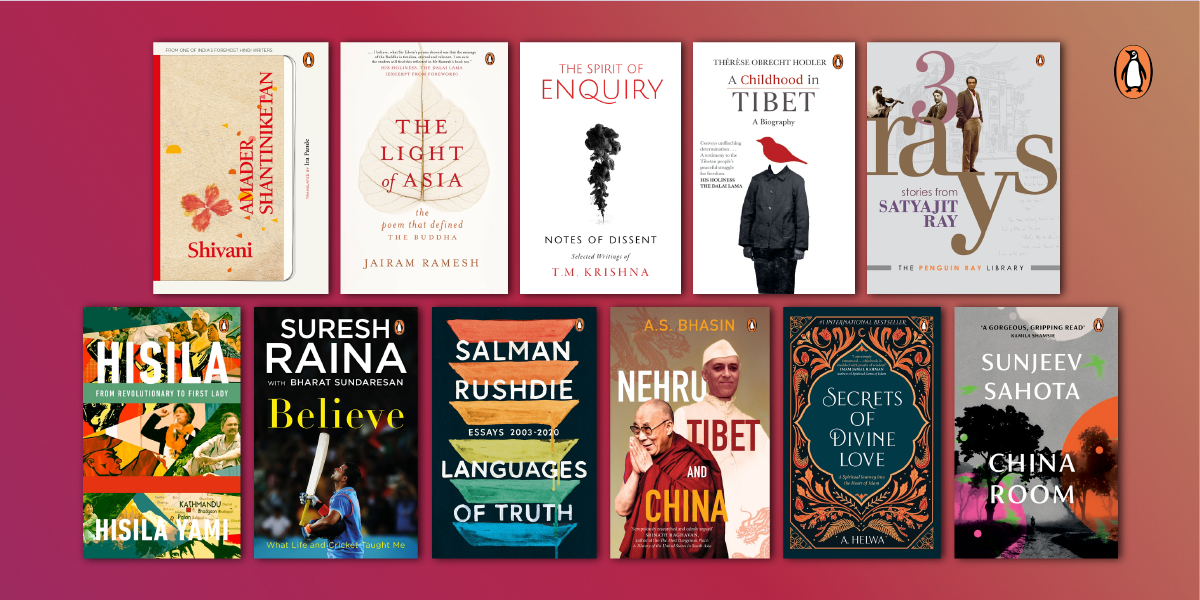
‘May’ is a word filled with promises and possibilities. It is also a word that conveys blessings and best wishes. These are emotions the entire human race has been expressing and feeling toward one another constantly through this difficult period that has spanned over a year. A homograph to this word that is so laden with potential and compassion, is the month we have now stepped into. May ‘may’ have a lot to offer you in terms of comfort and relief, but what we certainly have to offer you this month is an array of our latest releases. May they bring a little light, love, laughter, knowledge and hope into your lives.
Hisila||Hisila Yami
Hisila
In this fascinating book, Hisila Yami traces her journey from being a young Nepali student of architecture in Delhi in the early eighties to becoming a Maoist revolutionary engaging in guerrilla warfare in Nepal. Yami was one of two women leaders who were a part of the politburo of the Communist Party of Nepal, which led the revolutionary People’s War.
This lucidly written political memoir may talk about gaining political awareness, joining protests, being imprisoned, participating in the People’s War, and later her experiences as the first lady and a minister. But, at the same time, it’s also a narrative that offers glimpses of her personal life. She candidly writes about falling in love and marrying a fellow politician, Baburam Bhattarai, who went on to become the prime minister of Nepal. From how she balanced her political life with motherhood to what it meant to be a woman in the communist party that launched a civil war, Yami narrates an unforgettable account of a remarkable life.
Three Rays||Satyajit Ray
Three Rays
Satyajit Ray (1921-1992), through his life, philosophy and works offered a unique aesthetic sensibility, which took our cinema, art and literature to a new height. Ray, an ace designer, music composer, illustrator and a gifted writer, gave us the iconic Feluda and Professor Shonku, loved and revered by millions of readers.
Celebrating his centenary birth anniversary, Three Rays: Stories from Satyajit Ray, the first book in ‘The Penguin Ray Library’ series, opens a window to his brilliance. With more than forty previously unpublished stories, autobiographical writings and illustrations by Ray, this volume opens a window to the Master’s creative genius.
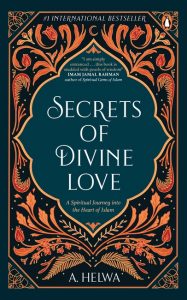
Secrets of Devine Love||A.Helwa
Secrets of Divine Love
Secrets of Divine Love draws upon the spiritual secrets of the Qu’ran, mystical poetry and stories from the world’s greatest prophets and spiritual masters to help you reignite your faith, overcome your doubts and deepen your connection with God. Practical exercises and guided meditations will help you develop the tools and awareness to overcome the inner critic that prevents you from experiencing God’s all-encompassing love.
Through the principles and practices of Islam, you will learn how to unlock your spiritual potential and your divine purpose. This insightful book uses a rational yet heart-based approach towards the Qu’ran that enlightens and inspires towards a deeper intimacy with God.
Believe||Suresh Raina, Bharat Sundaresan
Believe
Believe, Sachin Tendulkar told him – and he took it to heart, getting the word etched on his arm as a tattoo.
In this book, Suresh Raina takes us through the challenges he faced as a young cricketer. He was bullied as a child, but he overcame every adversity life threw at him and never gave up. This is the story of the lessons he learnt and the friendships he built.
Peppered with invaluable insights – about the game and about life – that Raina acquired from senior colleagues, this book will make you believe in the power of hard work, love, luck, hope and camaraderie. It is a journey through the highs and lows in the career of a man who saw his world fall apart and yet became one of the most influential white-ball cricketers India has ever seen.
Languages of Truth||Salman Rushdie
Languages of Truth
Salman Rushdie is celebrated as a storyteller of the highest order, illuminating truths about our society and culture through his gorgeous prose. In his latest collection of nonfiction, he brings together insightful essays and speeches that focus on his relationship with the written word and reinforce him as one of the most original thinkers of our time.
Gathering pieces written from 2003 to 2020, Languages of Truth chronicles Rushdie’s intellectual engagement with a period of momentous cultural shifts. He delves into the nature of storytelling as a human need in what emerges as a love letter to literature. Rushdie explores what the work of authors from Shakespeare and Cervantes to Samuel Beckett, Eudora Welty, and Toni Morrison mean to him. He delves deep into the nature of ‘truth’, revels in the vibrant malleability of language, the creative lines that join art and life, and looks anew at migration, multiculturalism and censorship.
Enlivened by Rushdie’s signature wit,Languages of Truth offers his piercingly analytical views on the evolution of literature and culture as he takes us on a tour of his own exuberant imagination.
Nehru, Tibet and China||Avtar Singh Bhasin
Nehru, Tibet and China
On 1 October 1949, the People’s Republic of China came into being. Power moved from the hands of the nationalist Kuomintang government to the Communist Party of China headed by Mao Tse Tung. All of a sudden, it was not only a new China that India had to deal with but also a Tibet which was under increasing pressure.
Clearly, newly independent India, with Prime Minister Jawaharlal Nehru at its helm, was navigating choppy waters. Its relations with China deteriorated, eventually leading to the Indo-China war in 1962. Today, more than six decades after the war, we are still face border disputes with China that seem to routinely grab headlines. It leads one to question what exactly went on during the emergence of a new China and why have we repeatedly failed to arrive at a solution?
Based on meticulous archival research, this book analyses the events from 1949 to the Indo-China war in 1962 and its aftermath to uncover answers to these burning questions.
A Childhood in Tibet||Thérèse Obrecht Hodler
A Childhood in Tibet
Tendöl Namling turned 60 in 2019. She was born at the time the Dalai Lama fled from Lhasa and the uprising of his people by the Chinese People’s Army was brutally suppressed. She lived 22 years under Chinese rule. As daughter of a high government official, she underwent the ordeal of ‘re-education’ with full force. All she had from these years are painful memories and crumpled photographs of her with friends and cousins in Lhasa, smiling as if nothing happened. When Tendöl turned 10 her brother was arrested and her mother sentenced to ten years in prison. Tendöl was sent to work in road construction for several years, following which she was allowed to start an apprenticeship as motor mechanic. Thanks to the efforts of her family in exile, Tendöl was able to leave Tibet in 1982. After twenty years of hardship she landed in prosperous Switzerland. She struggled to start her life all over again, but never gave up.
In Tendöl’s words, ‘this little book is dedicated to all the Tibetans who continue to rebel against the Chinese occupation’.
The Light of Asia||Jairam Ramesh
The Light of Asia
‘The Light of Asia’is an epic poem by Sir Edwin Arnold that was first published in 1879. It quickly became a huge sensation and has continued to resonate powerfully across the world over the last century and a half. Weaving together literary, cultural, political and social history, Jairam Ramesh uncovers and narrates the fascinating story of this deeply consequential and compelling poem that has shaped our thinking of an ancient sage and his teachings. He brings into this unusual narrative the life of the multi-faceted poet himself who, among other things, was steeped in Sanskrit literature.
Sir Edwin Arnold’s English rendering of the Bhagavad Gita was one of Mahatma Gandhi’s favourites. He was also in many ways the man who may have shaped Bodh Gaya as we know it today.
China Room||Sunjeev Sahota
China Room
A multigenerational novel of love, oppression, trauma and the pursuit of freedom, inspired in part by the author’s own family history, China Room twines together the stories of a woman and a man separated by more than half a century but united by blood.
Mehar, a young bride in the rural Punjab of 1929, is trying to discover the identity of her new husband. She and her sisters-in-law, married to three brothers in a single ceremony, spend their days working in the family’s ‘china room’, separated from the men. When Mehar develops a theory as to which of them is hers, a passion is ignited that puts more than one life at risk.
Spiralling around Mehar’s story is that of a young man who, in 1999, travels from England to a deserted farm, its ‘china room’ locked and barred. In enforced flight from the traumas of his adolescence-his experiences of addiction, racism and estrangement from the culture of his birth-he spends a summer in painful contemplation and recovery, before finally finding the strength to return home.
Amader Shantiniketan||Shivani, Ira Pande
Amader Shantiniketan
Padma Shri and late Hindi author Shivani’s memoirs of studying at the experimental school set up by Rabindranath Tagore, the Ashram, this charming memoir is a loving homage to a grand institution and its legendary gurus. Written from the perspective of a child, it retains the freshness and innocence of an age when experimental education was not merely a trendy movement. Shivani’s vivid pictures of the Ashram and portraits of her teachers and fellow students remain as alive as they seemed when she first wrote this memoir nearly fifty years ago.
Along with the moving tributes she wrote when some of her beloved contemporaries passed away, this slim memoir is a sort of diptych that captures the spirit of the Ashram and the liveliness of its inmates, many of whom went on to become iconic. Shivani’s recall of her time there takes the reader into an enchanted garden that remains as inspirational to her as it was when she went there a lifetime ago.
The Spirit of Enquiry||T.M. Krishna
The Spirit of Enquiry
As a vocalist in the Karnatik tradition, T.M. Krishna eludes standard analyses. Uncommon in his rendition of music and his interpretation of it, Krishna is at once strong and subtle, manifestly traditional and stunningly innovative. His work is spread across the whole spectrum of music and culture, politics and the social sphere; he is at once philosophical, aesthetic and sociopolitical. He asks important questions about how art is made, performed and disseminated. Unabashedly given to rethinking classical paradigms, he addresses crucial issues of caste, class and gender with nuance and openness.
T.M. Krishna’s key writings have been put together for the first time in this extraordinary collection. The Spirit of Enquiry: Dissent as an Art Form draws from his rich body of work, thematically divided into five key sections: art and artistes; the nation state; the theatre of secularism; savage inequalities; and in memoriam. This collection reflects the critical and cultural engagement of one of our finest thinkers, public intellectuals and practitioners of art.
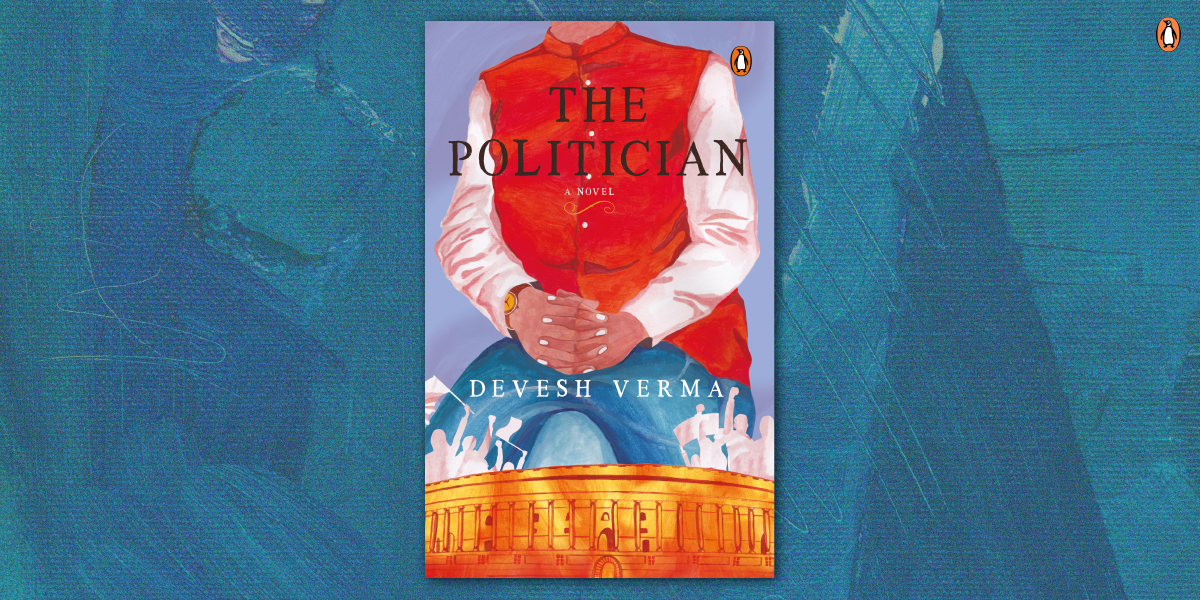
Beginning at the peak of Nehruvian era and ending in the early seventies, Devesh Verma’s sharply witty saga The Politician gives an enthralling, evocative view of provincial northern India-once the political heartland of the country-and the ebb and flow of the fortunes of its protagonists. Ram Mohan is an intrepid and ambitious young man in newly independent India, who refuses to be held down by his humble origins. Spurred on by his diehard optimism, he aims for things usually inaccessible to people of his extraction. However, he soon realizes that without political or bureaucratic power, the idea of a respectable life in India is nothing but pretense, and after a Gulab Singh rescues him from being insulted by a thug, Ram Mohan becomes persuaded of the efficacy of violence in certain situations. Read on for a glimpse into Ram Mohan’s early days, and his initial faux pas balancing political ambition and political correctness!
The flame of political ambition kindled by Kishan Lal Tiwari was still burning bright in Ram Mohan. It was one of the reasons Ram Mohan did not want to defer his research work any further.
Parliamentary and Assembly elections might still be a few years away; he wanted to employ this time to achieve his scholarly objective, a feather in his cap; after which he could think of a way to assert his presence in the political arena as well. It could be either through contesting an election as suggested by Tiwari ji or through associating with the campaign of some important candidate of the Congress. But he was sure if he decided to be in the fray, it would not only be to prove his following. He would fight with a view to securing victory by convincing castes other than Kurmis of his merit. The mere thought of surprising them by his ability to quote from Sanskrit classics and Tulsidas’s Ramcharitmanas was uplifting.
He was never apolitical, but his interest in politics after meeting Tiwari ji had jumped to another level; he would make it a point now to keep abreast of all important political happenings. Just the previous year, he had taken part in a public meeting in Kanpur organized to condemn the allegations of corruption against Nehru government. It was district Congress committee’s answer to the protest rallies of the Communist Party and the People’s Union, the right-wing Hindu party; the former had a strong support base among the workers in state-owned mills of Kanpur, the latter drew its strength from the city’s Hindu shopkeepers. Given his poor grasp of the details, Ram Mohan simply lambasted the opposition, declaring that it was a sin to even insinuate that the allegations could be true; to back up his contention, he invoked the figures of Gandhi, Patel, Nehru and the like whose values were the cornerstone of the Congress. Biting at each word, Ram Mohan wondered how a respectable member of the Union cabinet chosen by Nehru ji could be accused of any financial misconduct. His speech had brought tears to the eyes of some old Congressmen.
Later however, the controversy had transformed into a monstrous scandal, brought to light by none other than Nehru’s estranged son-in-law, a Congress MP. He had raised the issue in Parliament. What had seemed to have transpired was that the Life Insurance Corporation of India had ploughed a huge amount of money into a private company of tenuous reputation; the shares were bought the day the stock markets were closed and at a price much above their market-value. The resulting uproar forced the government to order a judicial enquiry, which found the finance minister guilty of making the fraudulent investment. He had no option but to resign. It was the first big instance of government corruption coming to surface in independent India, which shocked Ram Mohan into making a fetish of financial honesty and pouring scorn on people suspected of bribery. Before Ram Mohan could plunge into research on the poetsaint, there had been a couple of more Congress-related events to engage him.
Soon after the scandal, Nehru dropped the bomb of his reluctance to continue as PM, arguing the position demanded ceaseless work, leaving him with no time ‘for quiet thinking’. The Congress was thrown into turmoil. Congressmen across the country were falling over themselves to issue appeals to the party to pay no heed to the hideous idea. When local congress leaders in Kanpur met to pass a resolution against Pandit ji’s ‘request’, Ram Mohan committed a political faux pas by suggesting— to the extreme embarrassment of all the office bearers in the committee—that the resolution should also urge Nehru ji to identify and nurture an alternative leadership before he could think of quitting. Ram Mohan had to be shouted down by all those present. ‘We’re shocked and disgusted at this temerity,’ bellowed a committee member. Anyway, the crisis blew over shortly as Nehru quit the idea of quitting by bowing down to the party’s wish.
If I cannot do great things, I can do small things in a great way.- Dr Martin Luther King, Jr
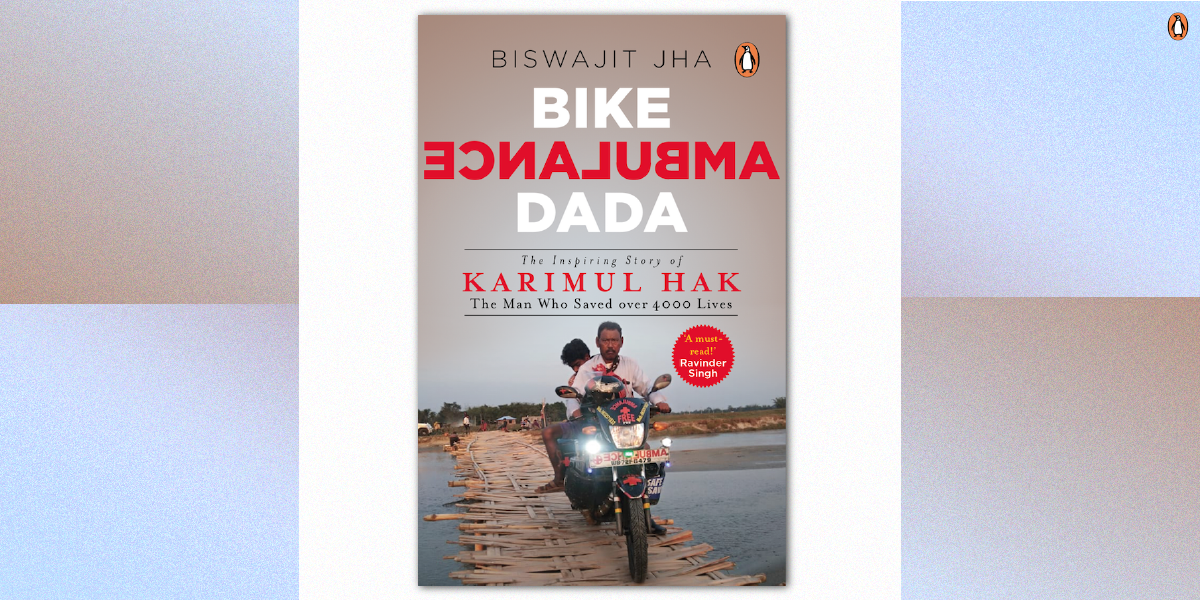
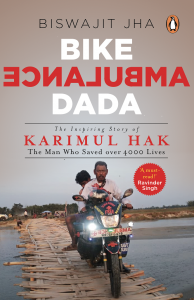
Bike Ambulance Dada, the authorised biography of Padma Shri awardee Karimul Hak, is the most inspiring and heart-warming biography you will read this year. It documents the extraordinary journey of a tea-garden worker who saved thousands of lives by starting a free bike-ambulance service from his village to the nearest hospital.
Here is an excerpt from Bike Ambulance Dada by Biswajit Jha titled A Bike Ambulance Takes Shape.
Bike Ambulance Dada || Biswajit Jha
Now that Karimul had a bike, he was no longer dependent on his cycle to ferry a patient. The bike gave the patients a greater chance of survival by ensuring they got to the hospital quickly. Karimul, too, was under less pressure, physically and mentally; he could be more certain of patients getting timely medical attention, be they sick or injured, and riding a motorbike was far less physically taxing than cycling all the way with a passenger.
One day, in 2008, when Karimul was enjoying a cup of tea with some acquaintances at a tea shop in Kranti Bazaar, one of them, Babu Mohanta, suddenly cried out. The engrossing discussion on political affairs was halted abruptly. The small group sprang into action to find out the reason behind Mohanta’s shriek. Investigations revealed that a snake had bitten him just above the ankle. Karimul immediately made up his mind to identify the snake, as this would help the doctor decide on the course of treatment; it was imperative in such cases. He saw the snake but could not identify it. Thinking fast, he somehow caught the snake and put it in a small box so that he could carry it to the hospital. He applied a pressure bandage on the wound as well. With the help of those around them, Karimul got Mohanta tied to his back and asked a villager to ride pillion with him. Before starting out for Jalpaiguri Sadar Hospital, Karimul instructed the man to make sure that Mohanta did not fall sleep. The snake, carefully locked in the box, accompanied them to the hospital.
On the way, they met with a huge traffic jam on the bridge over the Teesta, just 5 kilometres from the hospital. The road was chock-a-block with vehicles stranded on the bridge, all trying to find a way out and, in the process, aggravating the situation. As Karimul zipped past the four- wheeled vehicles, he saw an ambulance stuck in the traffic. When he asked the ambulance driver for the patient’s details, he was told that the man had also been bitten by a snake, and they were heading for the same hospital as Karimul. Manoeuvring his much-smaller vehicle between the cars and moving towards the hospital with Mohanta, the soft-hearted Karimul felt sorry for the patient in the ‘proper’ ambulance, unable to get out.
Karimul soon reached the hospital. Once there, he showed the snake to the doctor, who was at first startled but then observed it intently for a few seconds before springing into action with the treatment.
After getting Mohanta admitted, Karimul went back to the bridge where they had seen the ambulance. He saw that the ambulance, along with other vehicles, was still there; the patient had, unfortunately, passed away.
After a couple of days, Babu Mohanta was released from the hospital. He was the first person bitten by a poisonous snake in the village to be saved—all because of Karimul’s timely intervention and bike ambulance service.
Before this incident, though Karimul had ignored the taunts of some of the villagers and had gone about ferrying patients to hospital, he had sometimes harboured misgivings that his bike ambulance was a poor substitute for the conventional ambulance. But that day, he realized that his bike ambulance was sometimes far more convenient than a standard ambulance. From then on, there was no looking back for him. His new-found confidence enthused him to serve people with increased passion.
After he was awarded the Padma Shri, the Navayuvak Brindal Club, Siliguri, donated to him an ambulance that he used for some months. But the traditional ambulance not only consumed more fuel, it was also rather difficult to drive it to remote and far-flung areas. After some weeks, he stopped using that ambulance; though it is still with him, he doesn’t use it. Instead, he now has three bike ambulances at home; one is used by his elder son, Raju, another by his younger son, Rajesh, while Karimul himself mostly uses the bike ambulance donated by Bajaj Auto, which has an attached carrier for patients.
Thanks to Karimul Hak’s unique initiative, the bike ambulance has become popular in rural areas of India. Inspired by him, some social workers, as well as some NGOs, have started this service too, thereby saving thousands of lives in far-off areas of the country.
While Karimul has saved many lives, he deeply regrets not being able to save some. Still, he derives immense satisfaction from the fact that a person like him, with a paltry income and limited capacity, has made a difference in the lives of so many people. Relatives and family members of those who died en route to the hospital, or even after reaching the hospital, at least know that they, through Karimul, tried their best to save their loved one. This is a noteworthy achievement for Karimul, who dreams of a day when lack of medical treatment will not be the reason for someone’s death.
Bike Ambulance Dada is a must-read today as it will inspire us to do and be better in our lives.
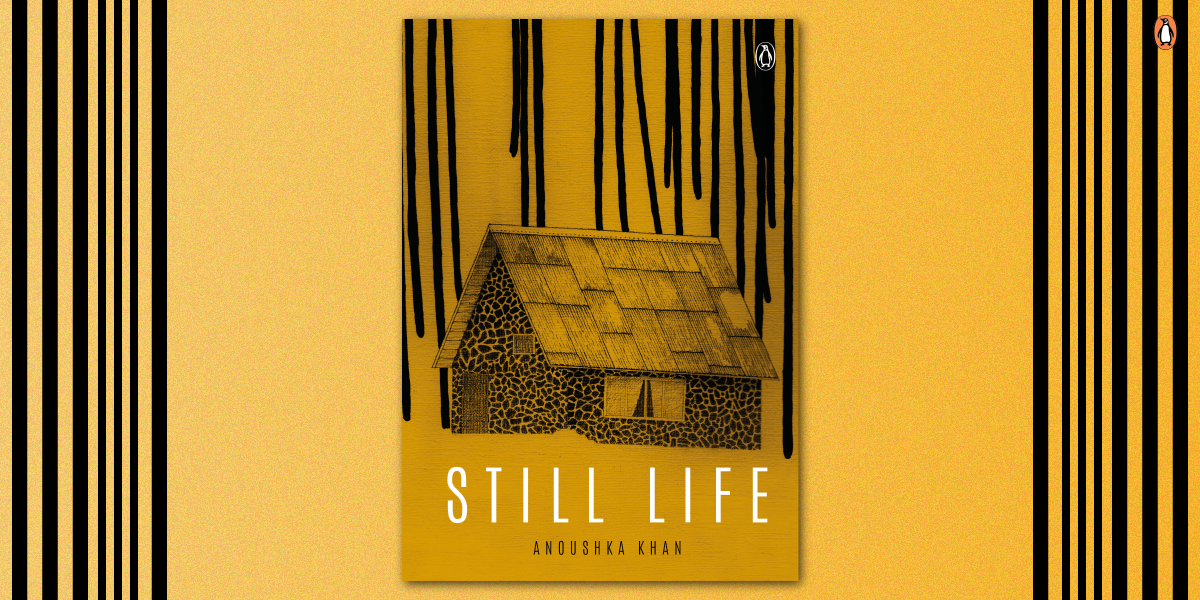
Still Life, by Anoushka Khan is an experiment with visual storytelling, using pictures and words to create a world that is both unsettling and extraordinary. Part road trip, part existential thriller ,it seeks new ways to look at love, isolation, memory and loss, asking what connects us to each other and to the natural world, and how we are governed by impulse we barely understand.
Today we have a chat with the Anoushka to understand how she worked on this masterpiece, and her inputs!
Still Life || Anoushka Khan
When did the idea for this book first come to you?
I was doing the washing up a few years ago and I suddenly thought, I’ll do a novel with paintings! I’d seen that paintings with words scrawled on had the power to move me, as did children’s picture books, and I wanted to recreate that simplicity and intensity.
What is your writer-(and illustrative) routine?
I’m lucky enough to have a home office; I shut the door, look at the artwork I’ve already made as a run-up, and then dive in. I only really get snatched hours here and there.
Was there a different element or zone you had to bring yourself to whenever you’d get down to work on this book?
The only way I can work is with my headphones on playing music—it shines a mental spotlight on the work and makes everything else disappear. I feel like music made this book, it’s far and away the biggest influence on my work.
What was the most challenging, and was the most rewarding experience of this project?
The most challenging aspect was probably my relative ineptitude with technology; I don’t know how many hours I spent trying to figure out how to lasso images in Photoshop or compress PDFs or whatnot. The most rewarding? A couple of people I know nearly cried when they read the book. I was so happy that it made a mark.
What is one thing you would, and one thing you wouldn’t recommend to anyone wanting to work on a book?
Enjoy getting lost in the process, rather than looking to the horizon. Try not to compare your work to others.
How difficult was it to illustrate such dark and complex emotions?
It’s really useful to be able to deploy words as well as images to convey mood or tone, and in some ways you can use one to balance out the other. And you can make it cinematic: focus on the character’s feet or a bowl of fruit while a particularly disturbing train of thought or difficult conversation is taking place. There is a darkness that permeates the book, but it’s from melancholy and mystery rather than bleakness—I think that would be much more difficult to sustain.