



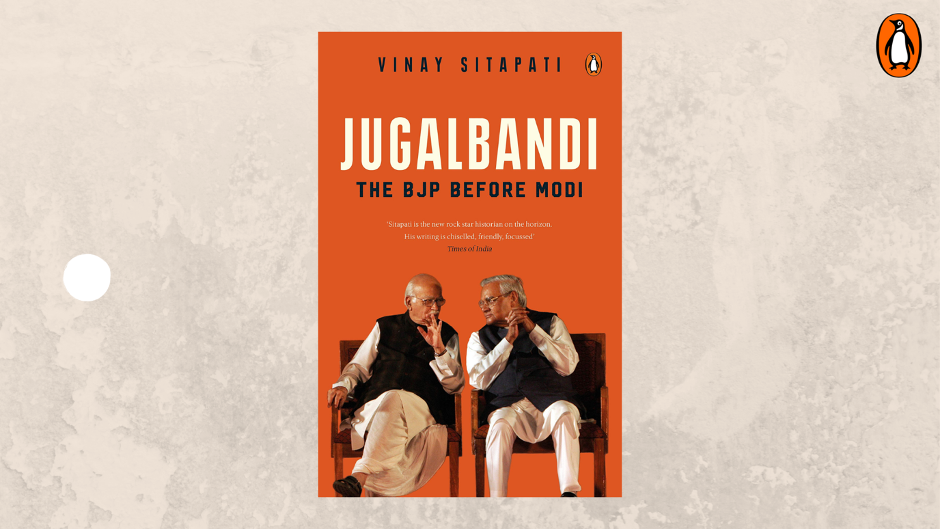
How long was the research process for the book?
This took me three years. But I was also teaching during this period.
Why this subject in particular?
I am a child of the 1990s, and the two biggest political trends of that decade was liberalisation and the rise of the BJP. My first book, on P.V. Narasimha Rao, was a response to this first political trend. This book was motivated by the second trend — the political rise of Hindu nationalism — that I remember from my childhood.
What has been the most rewarding experience about writing this book?

While writing the book, I immersed myself in the world of Hindu nationalism — talking to people, reading books and articles, going through archives — over its 100 year period. Then suddenly I began to see patterns and trends, for instance their 100 year focus on organisational unity. It was almost as if my vision had suddenly changed from blurred to focussed.
Any criticism experienced? How about any encouraging instances/incidents?
The most encouraging feeling is that even though the topic is so polarising, the book has not been slotted as ‘left’ or ‘right’. The book has not provoked anger, rather I think it has spurred understanding. That’s a lovely feeling. It means that scholarship, if done right, can bring people together. There have of course been criticisms — that I have been unduly harsh on Vajpayee for instance. I only request that the reader looks at my evidence and asks whether my conclusions flow from it.
What should we look forward from you, next?
I haven’t yet decided on what next. But I enjoyed not just the popular reception to Jugalbandi, but also the process of writing it. So whatever else I work on next must not just be interesting to the reader, it should be interesting to me.
**








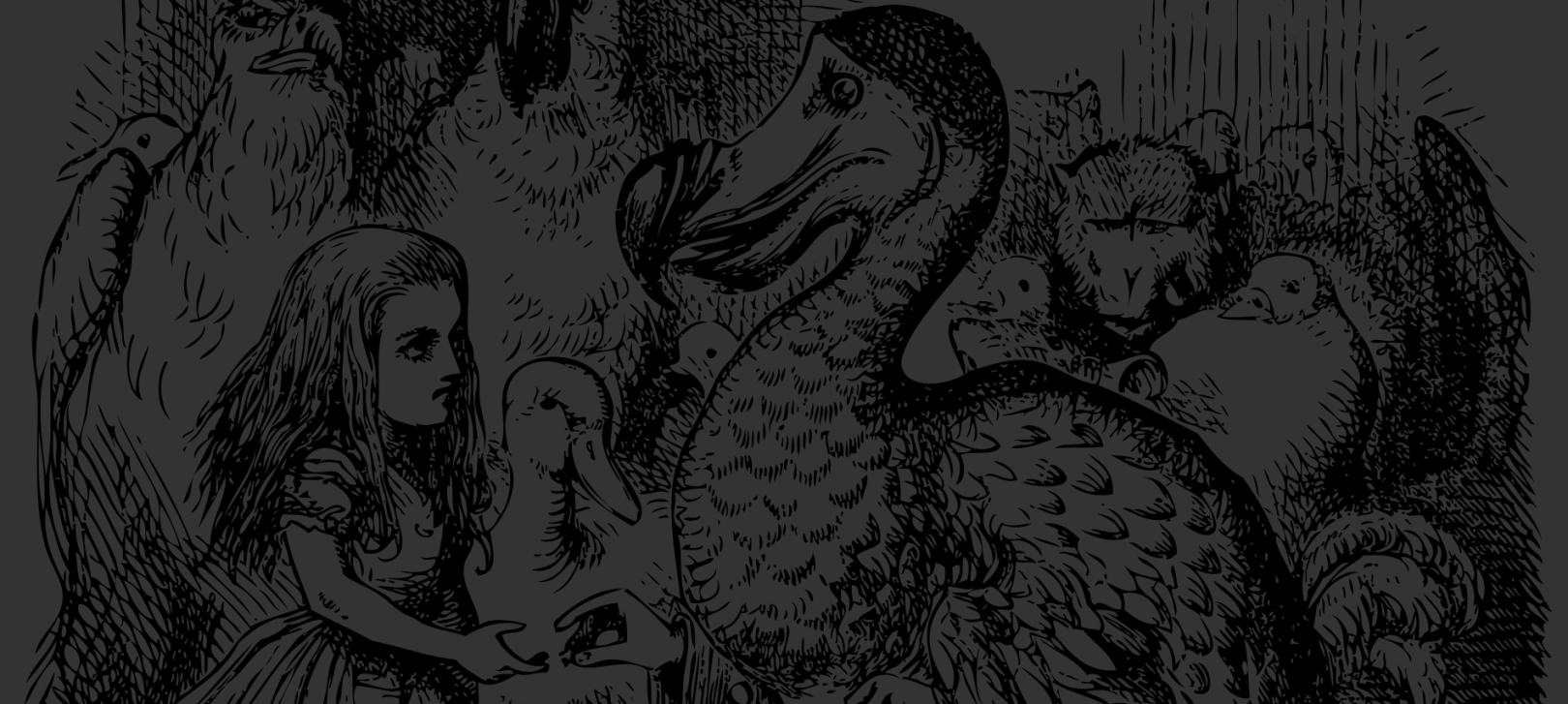
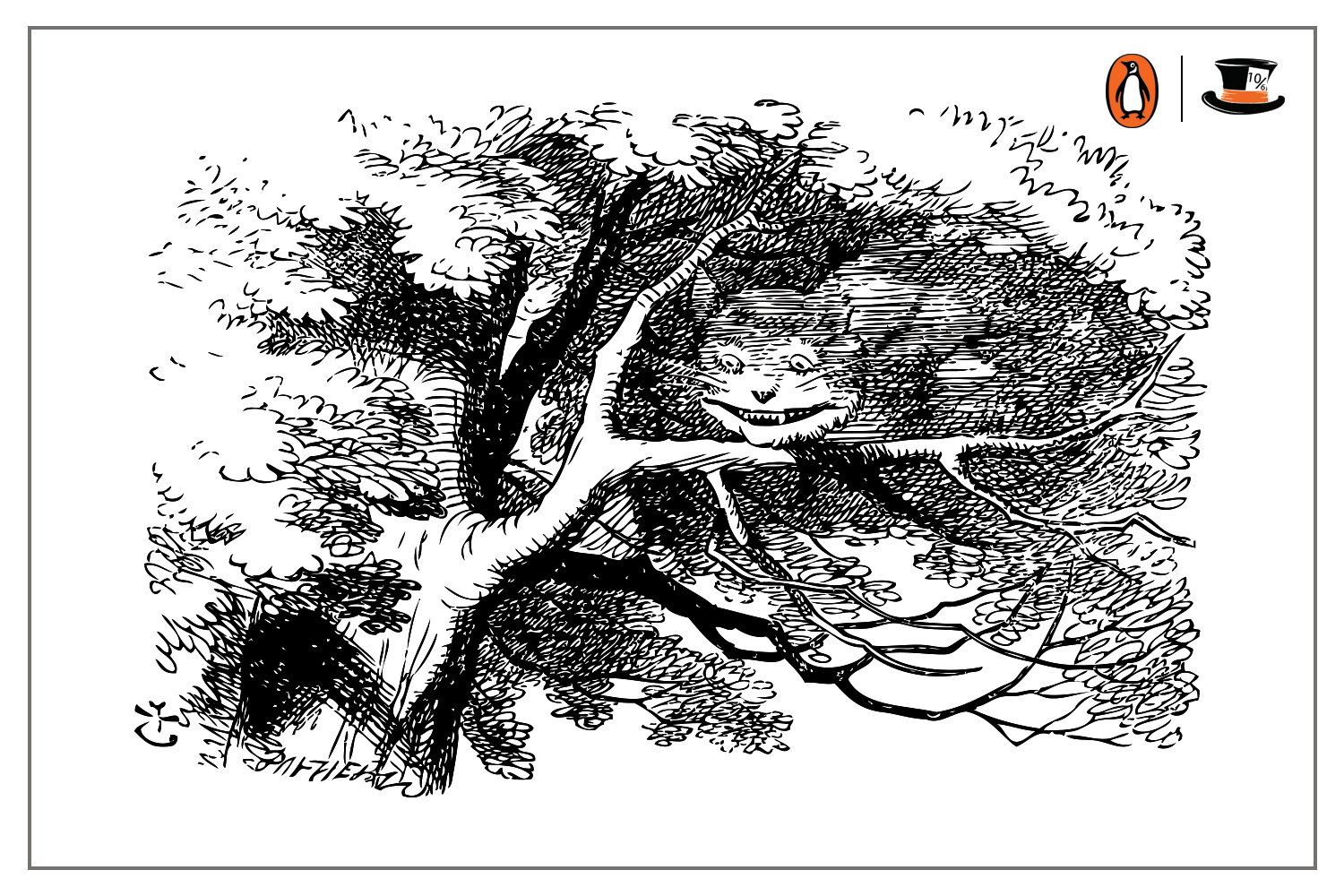
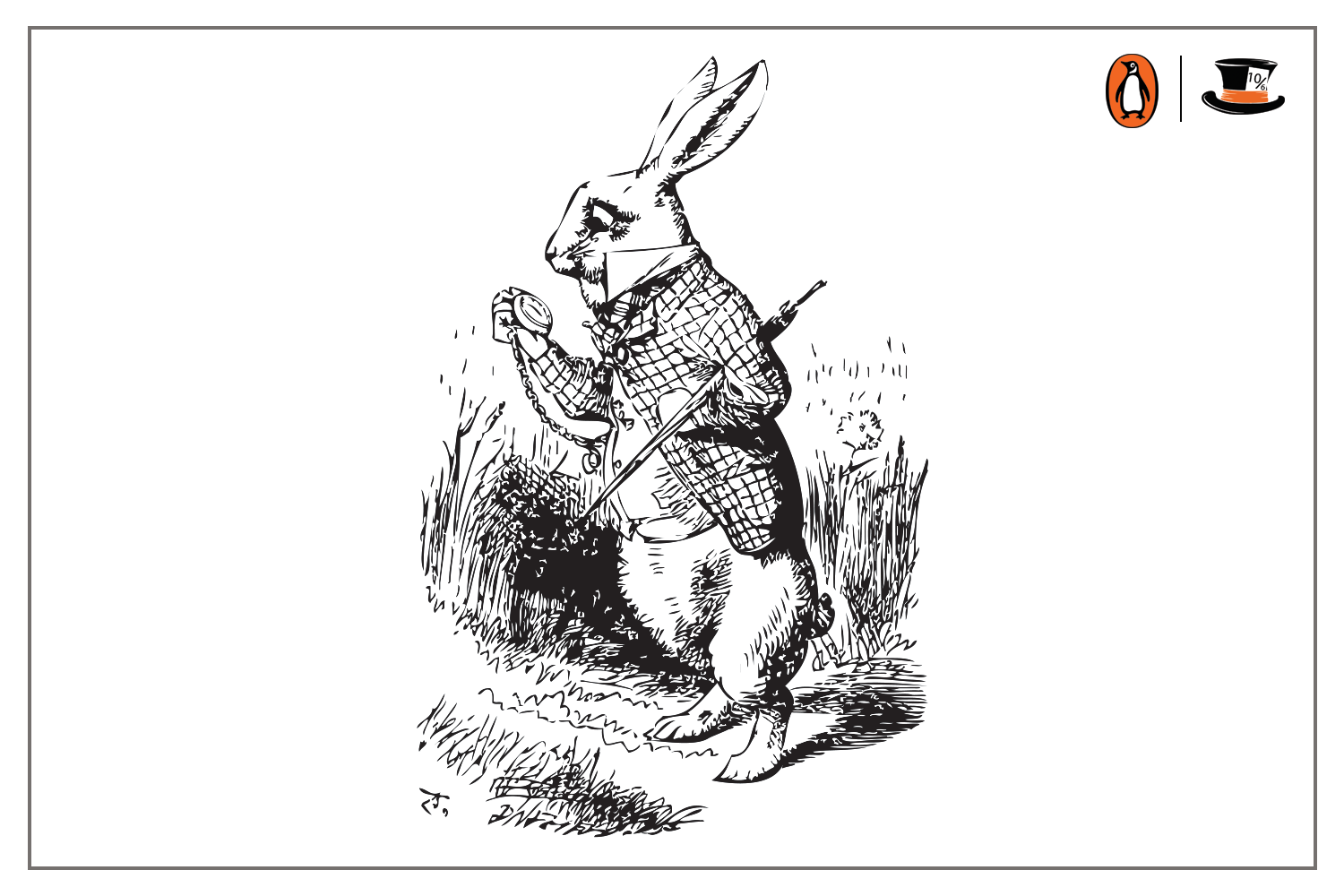 Prominent English illustrator John Tenniel was commissioned to create the accompanying art for the story. When he saw an early copy of the book, Tenniel was upset with how badly his drawings had been reproduced forcing Carroll to spend almost half of his annual salary to get it reprinted. Luckily, once it was published, Alice in Wonderland was an instant success. The rejected printings were later sold in the U.S.
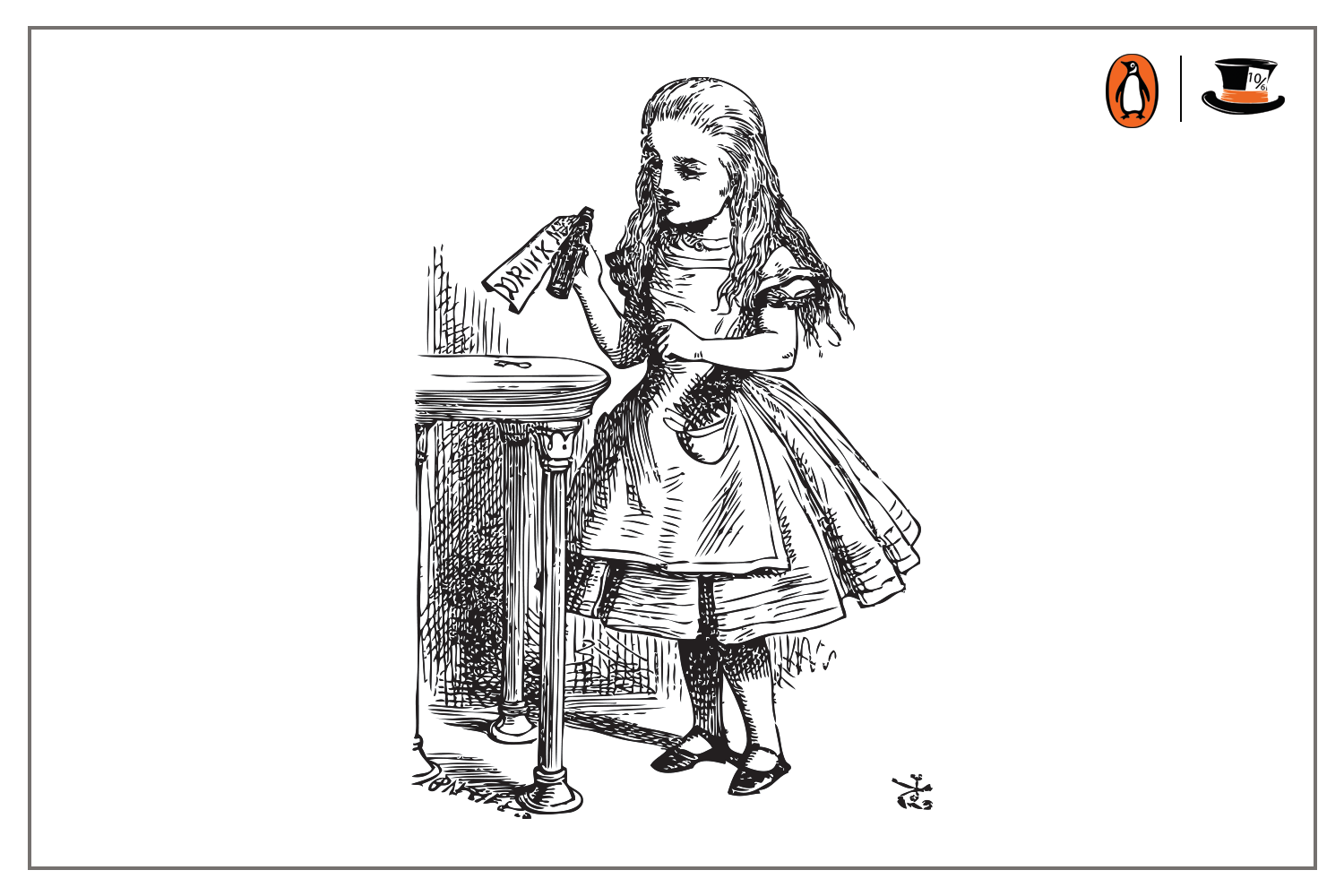 Alice was the name of the daughter of Henry Liddell, the dean of Christ Church College at Oxford, where Carroll taught mathematics. Carroll met the dean and Alice’s older brother first and that was how he came to know the entire family.
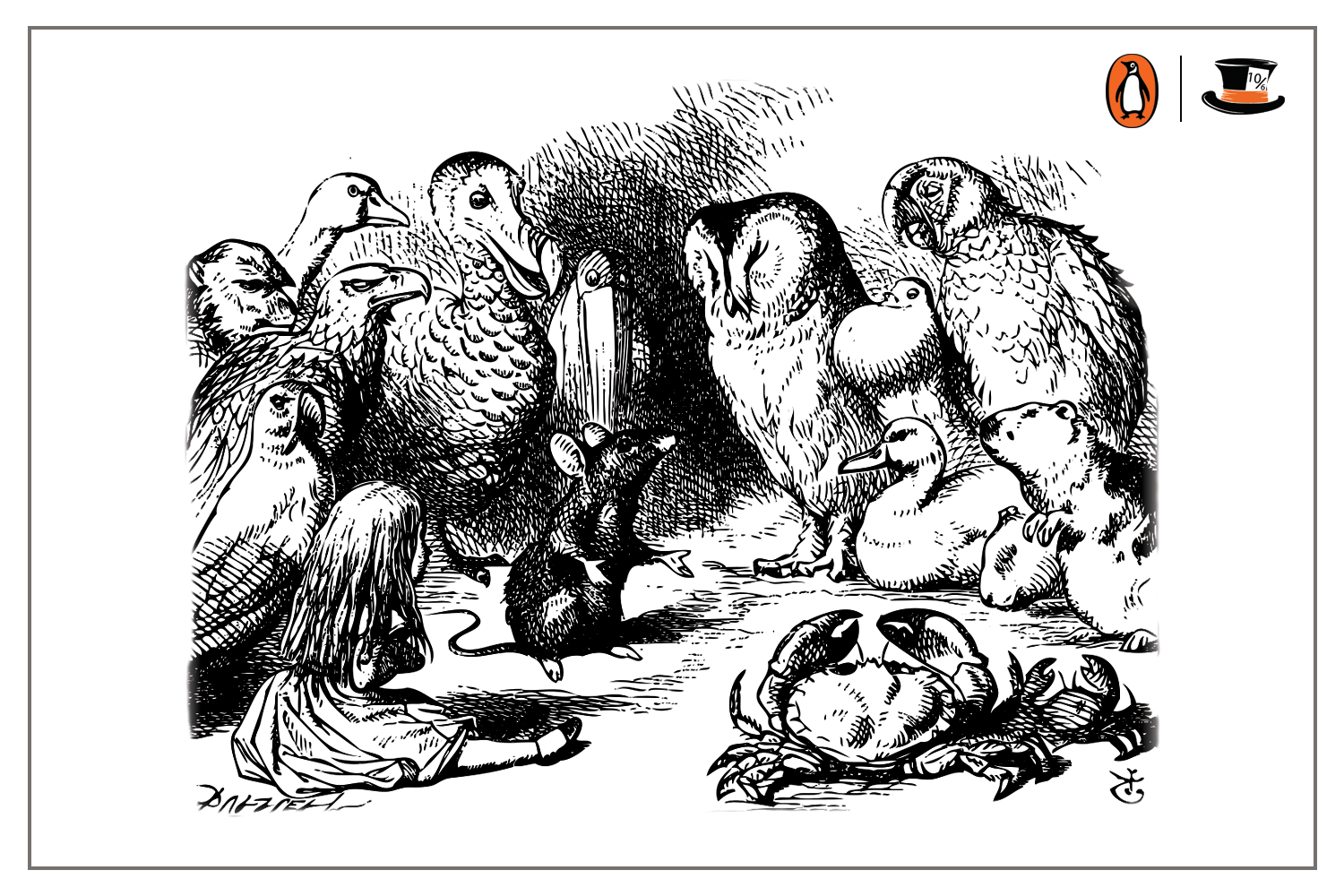 Carroll was inspired to write the story when he was coming up with a story for the young Alice Liddell on a boating trip. He tried out a few different titles for his novel, the original – presented to the 10-year-old Liddell was ‘Alice’s Adventures Underground.’ When it was picked up he decided to call it Alice’s Hour in Elfland. Another rejected idea was ‘Alice Among the Fairies’.
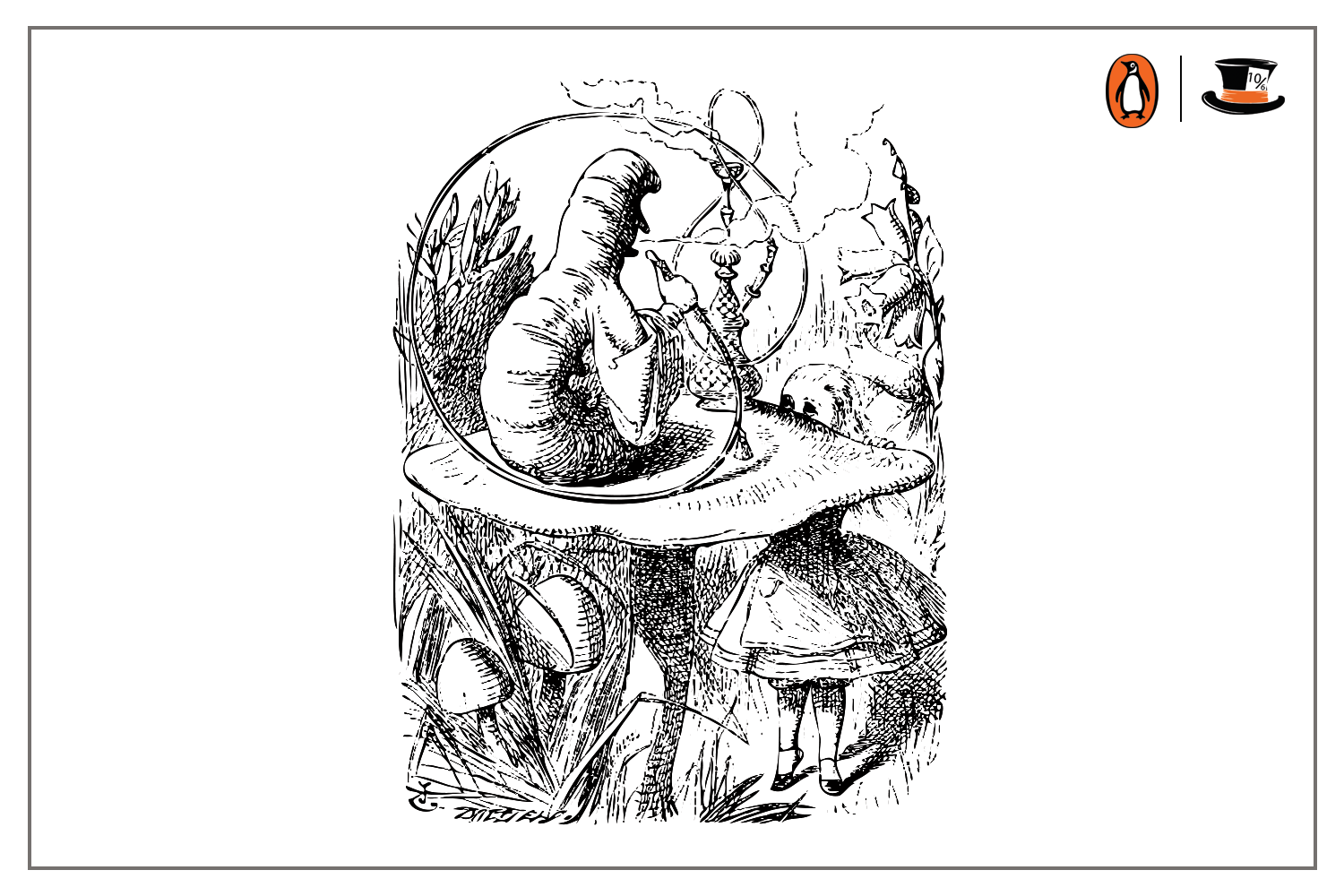 Carroll was a very conservative mathematician and he detested the new forms of math emerging at the time compared to the algebra and Euclidian geometry he favoured. Mathematicians say that riddles like the one the Mad Hatter asks Alice about a raven being like a writing desk, were a reflection on the increasing abstraction that was going on in mathematics in the mid-1800s.
 The original manuscript – the hand-written and illustrated version, belongs to the British Library and it rarely leaves London. When New York City’s Morgan Library managed to get hold of it for an exhibition, here’s what The New York Times had to say about it:
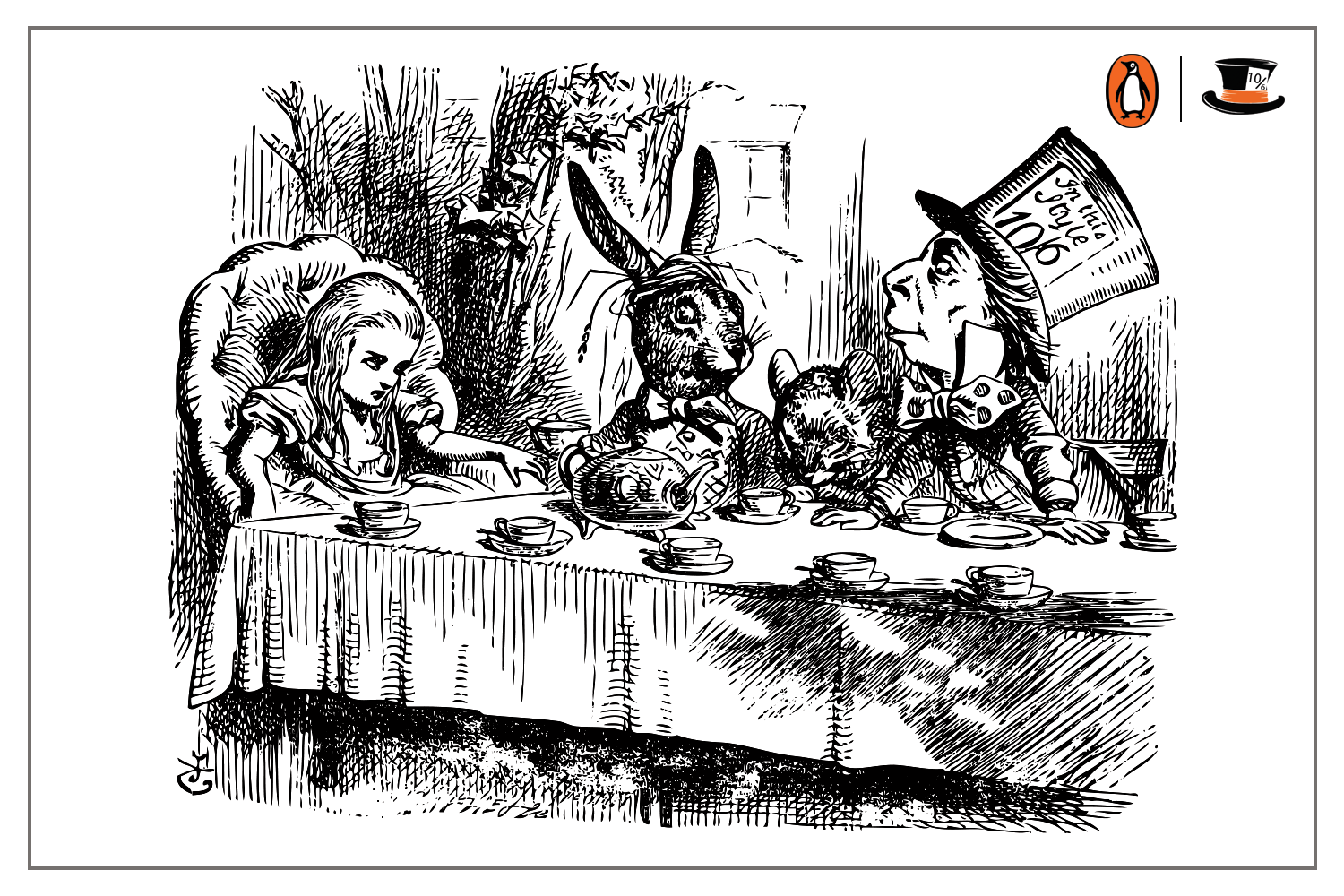 Carroll was one of the first authors to work with manufacturers to bring out related products. This is one of the main reasons why Alice’s tale is so popular, even amongst people who haven’t read it. He understood the importance of tie-ins, designed a postage stamp case decorated with images of Alice and allowed her image to adorn cookie tins and other products.
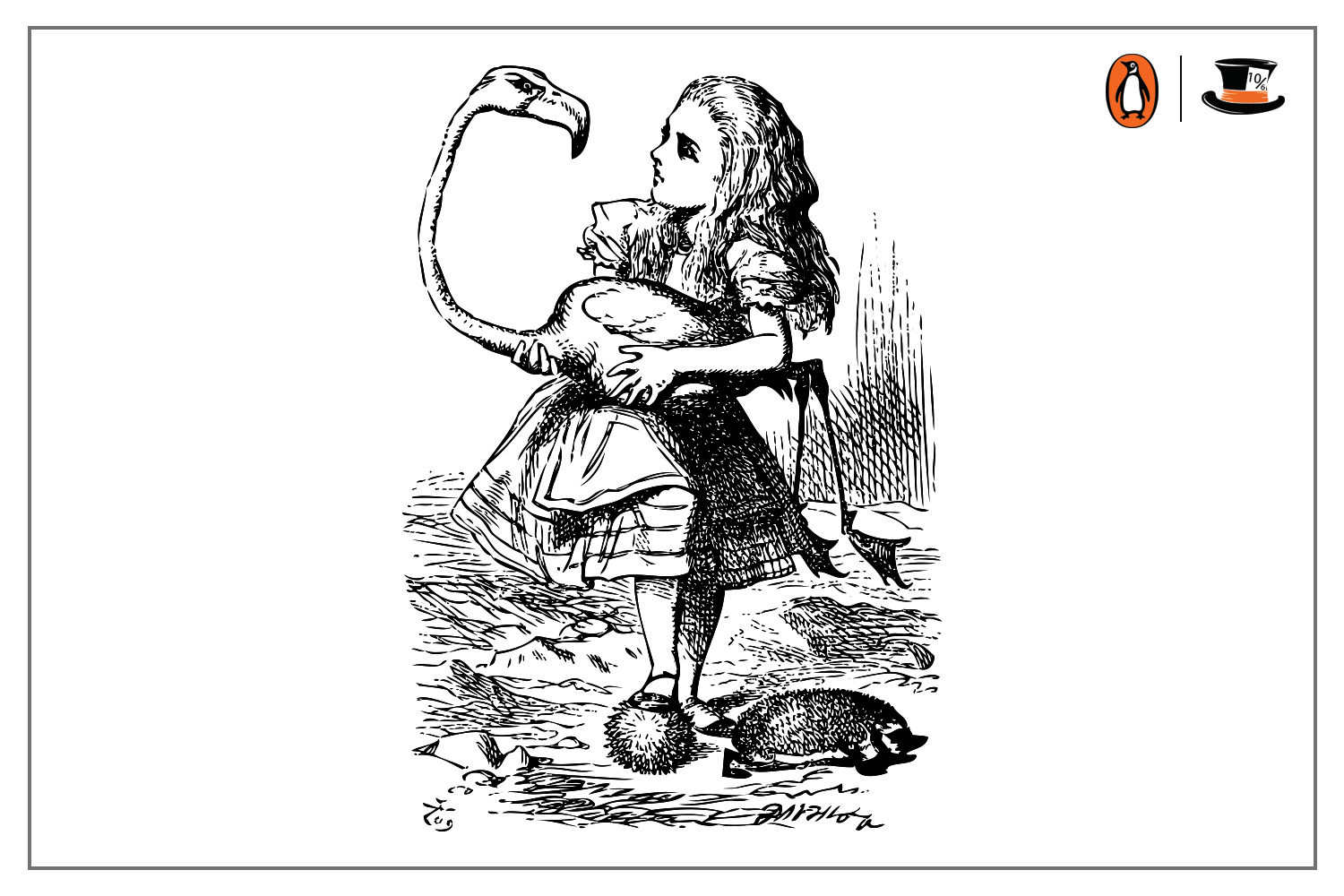 ..It has also been translated into 176 languages. The sequel, Through the Looking-Glass and What Alice Found There, sold out within seven weeks of its publication.