



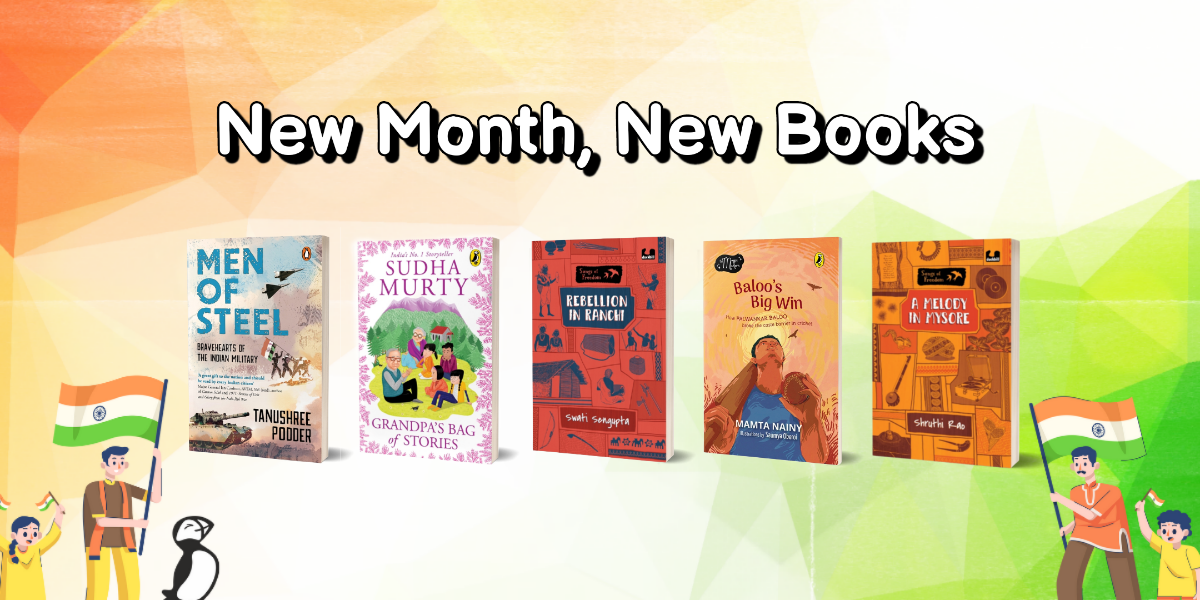
August is finally here, and it’s bringing a bunch of exciting new children’s books! This month’s releases are packed with fun stories and adventures that are sure to keep young readers hooked. Looking to refresh your child’s bookshelf? Scroll down to find the perfect new read for them!
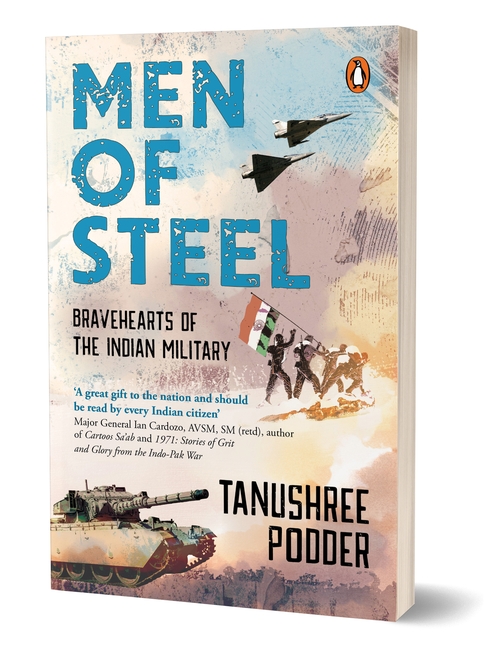
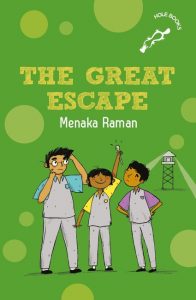
From the frigid heights of the Himalayas to the scorching deserts of the west and the humid wetlands in the east, India’s borders mirror the nation’s diversity. Amidst these rugged landscapes, Indian soldiers battle not only the enemy but also the unforgiving terrain.
Within these pages, meet extraordinary heroes like Captain Neikezhakuo Kenguruse, Captain Keishing Clifford Nongrum, and Lance Naik Albert Ekka. Their valour, akin to that of Lieutenant Arun Khetarpal, Naik Digendra Kumar and Major Sandeep Unnikrishnan, forever serves as a guiding light, inspiring us with courage and resilience.
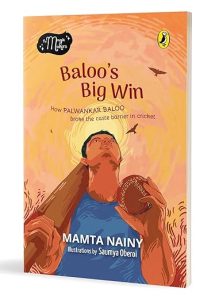
‘Does anyone really win when not everyone gets to play?’
Right from his childhood, Baloo loved cricket. But he lived at a time when the rules of the game weren’t fair. Despite being a great bowler, he wasn’t allowed on the team because he was from a lower caste. Not one to give up easily, Baloo worked hard and was eventually picked to play on the team. But even after this, he wasn’t allowed to mix freely with his teammates.
Could Baloo overcome this obstacle and change the game of cricket?
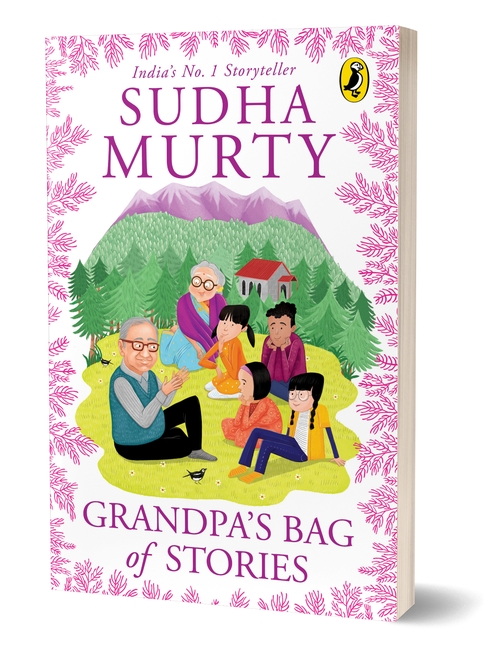
Join Anoushka, Krishna, Meenu and Raghu along with Ajja-Ajji on their adventure to Mayawati, a beautiful hilly region in Uttarakhand. Little do they know their trip will be filled with unexpected magic as, this time, their dear Ajja becomes their new storyteller. Amidst snow-capped mountains and towering deodar trees, Ajja weaves tales of kings and princesses, mermaids and bitter gourds, imparting wisdom and compassion along the way.
As the children explore the mountains, they make new friends, learn about Pahadi folk traditions, marvel at breathtaking sunsets and travel to various destinations.
From the bestselling author of Grandma’s Bag of Stories and Grandparents’ Bag of Stories, Sudha Murty, comes another collection of immersive, captivating and sensorial tales with an exciting new twist!
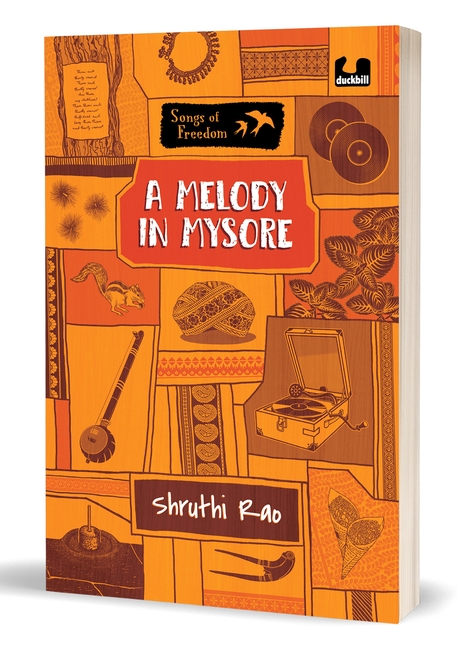
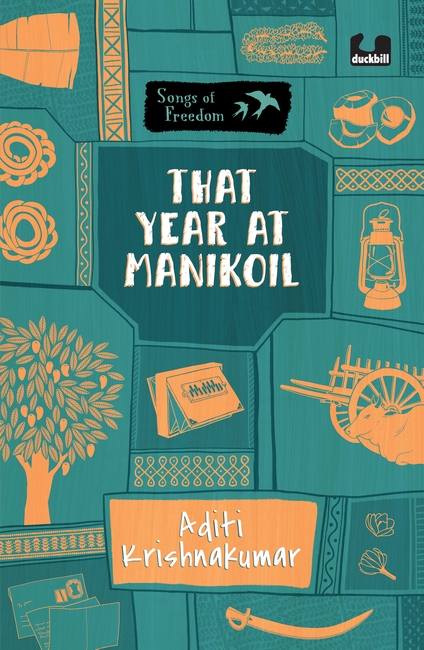
Mysore, 1932
The rest of India is ablaze with the fervour of the freedom movement, but Mysore remains tranquil under the maharaja’s benevolent rule. For twelve-year-old Leela, the movement feels distant, just words in the pages of newspapers—until Malathi Akka moves into her neighbourhood, bringing with her thrilling ideas, new perspectives, and . . . a gramophone!
As Leela gets swept up by the winds of change, it dawns on her that participation in the freedom struggle can take on forms she hasn’t even imagined . . .
The Songs of Freedom series explores the lives of children across India during the struggle for independence.
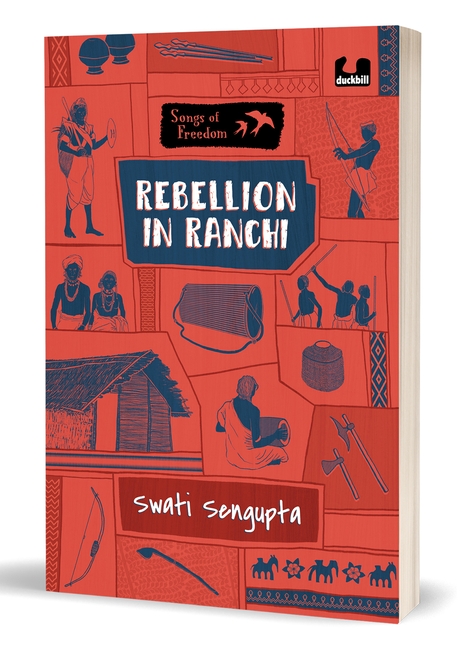
Ranchi district, 1915
Sibu’s life is changing as the Oraons who live in the forests of Chota Nagpur, are slowly moving to the Tana Bhagat movement, where they begin to protest the injustices that the zamindars and the British Raj perpetrate on the Adivasis. And by stories of German Baba, who will help defeat the British in the Great War and bring freedom to the Oraons and to India.
Yet, though the Tana Bhagats follow the path of non-violence, violence is rearing its head in the world around them . . .
The Songs of Freedom series explores the lives of children across India during the struggle for independence.
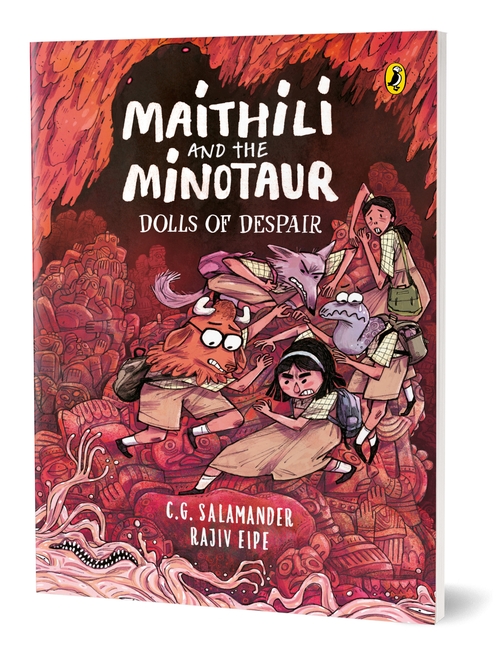
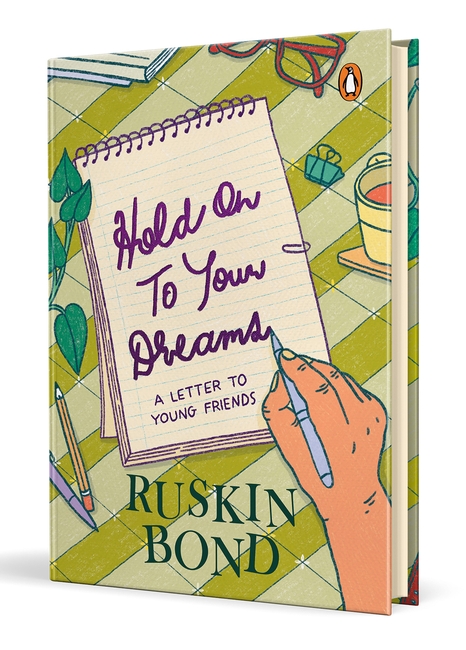
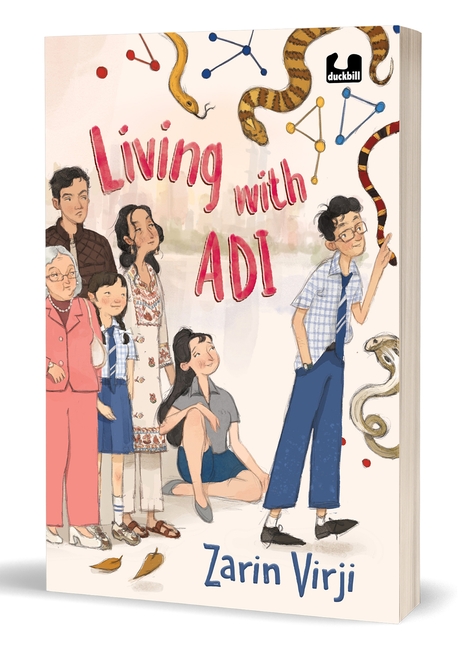



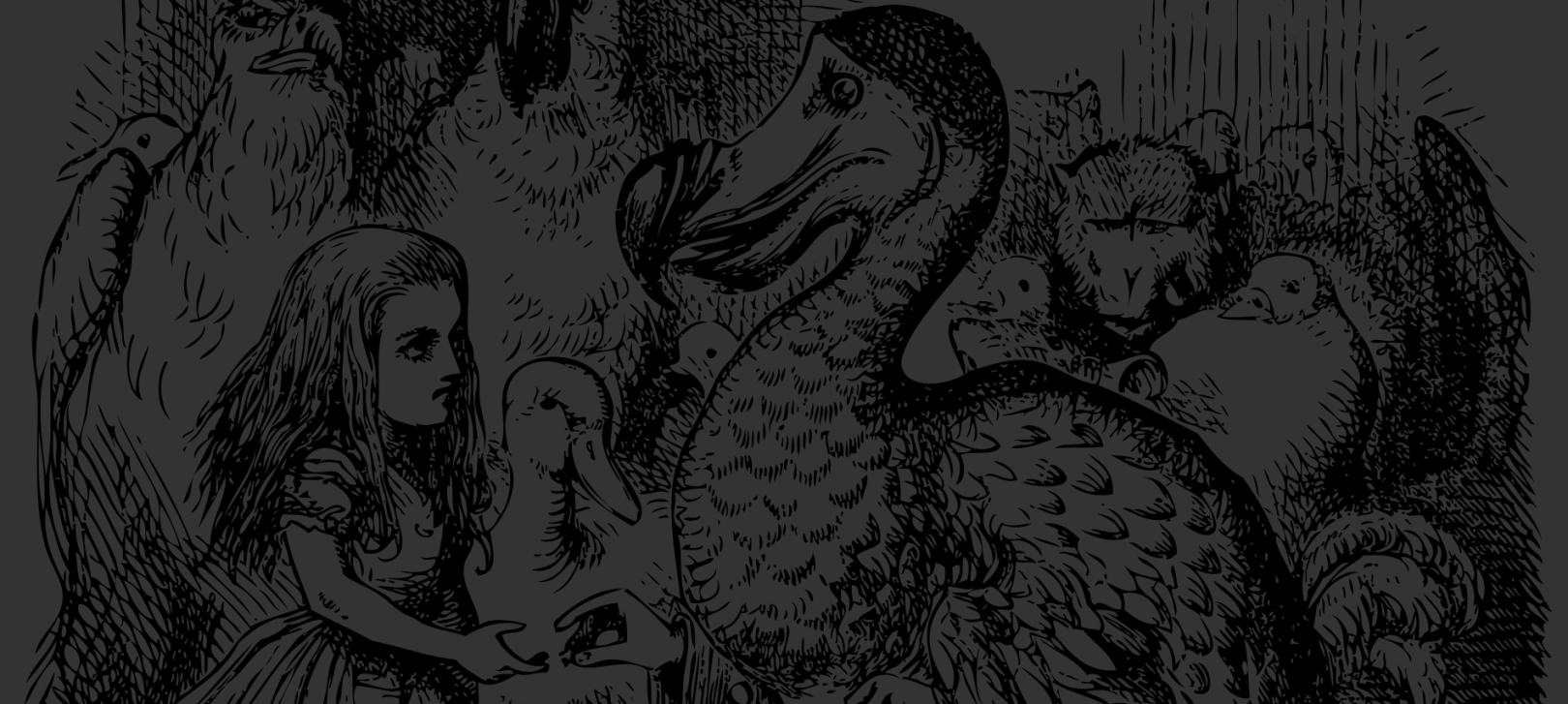
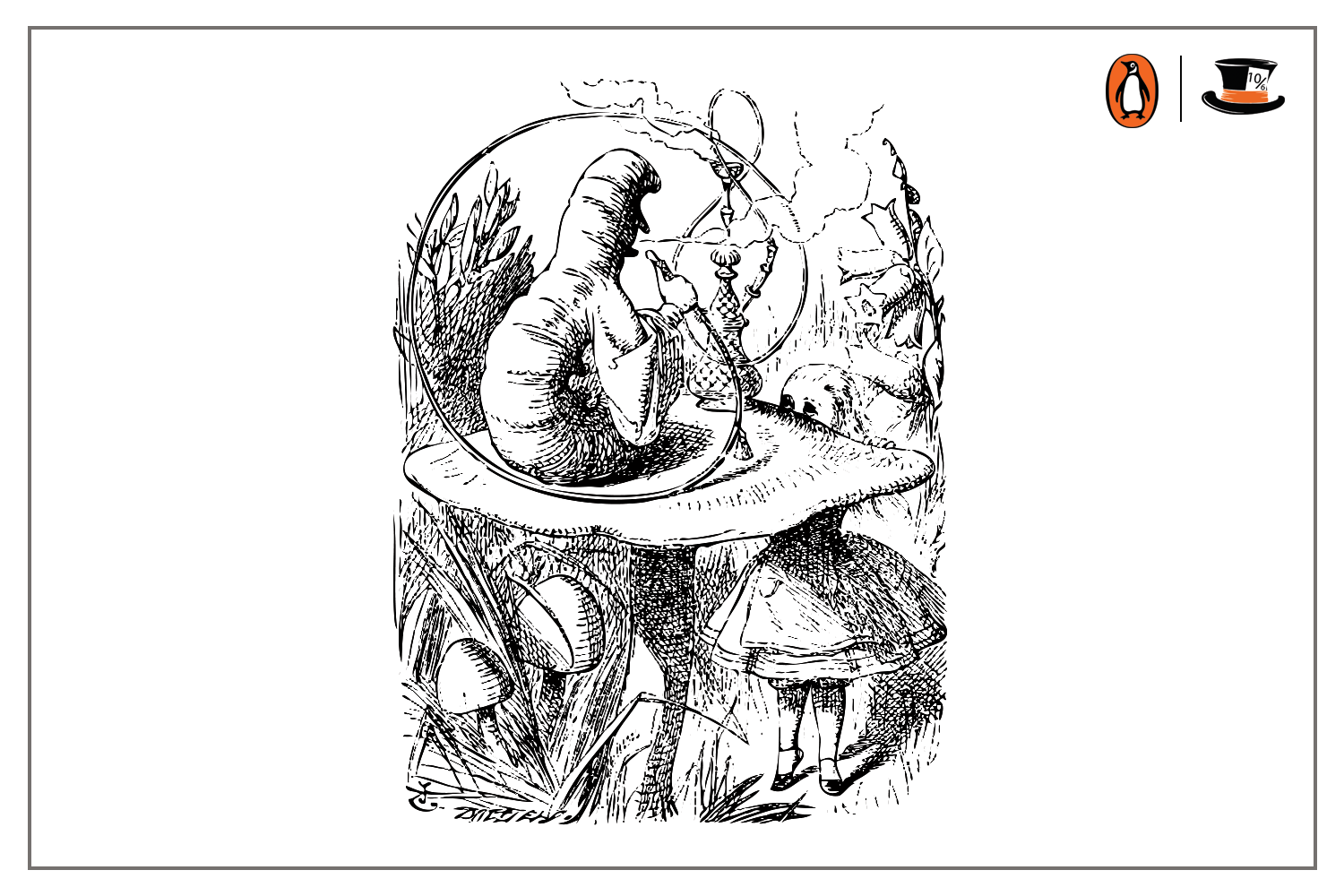
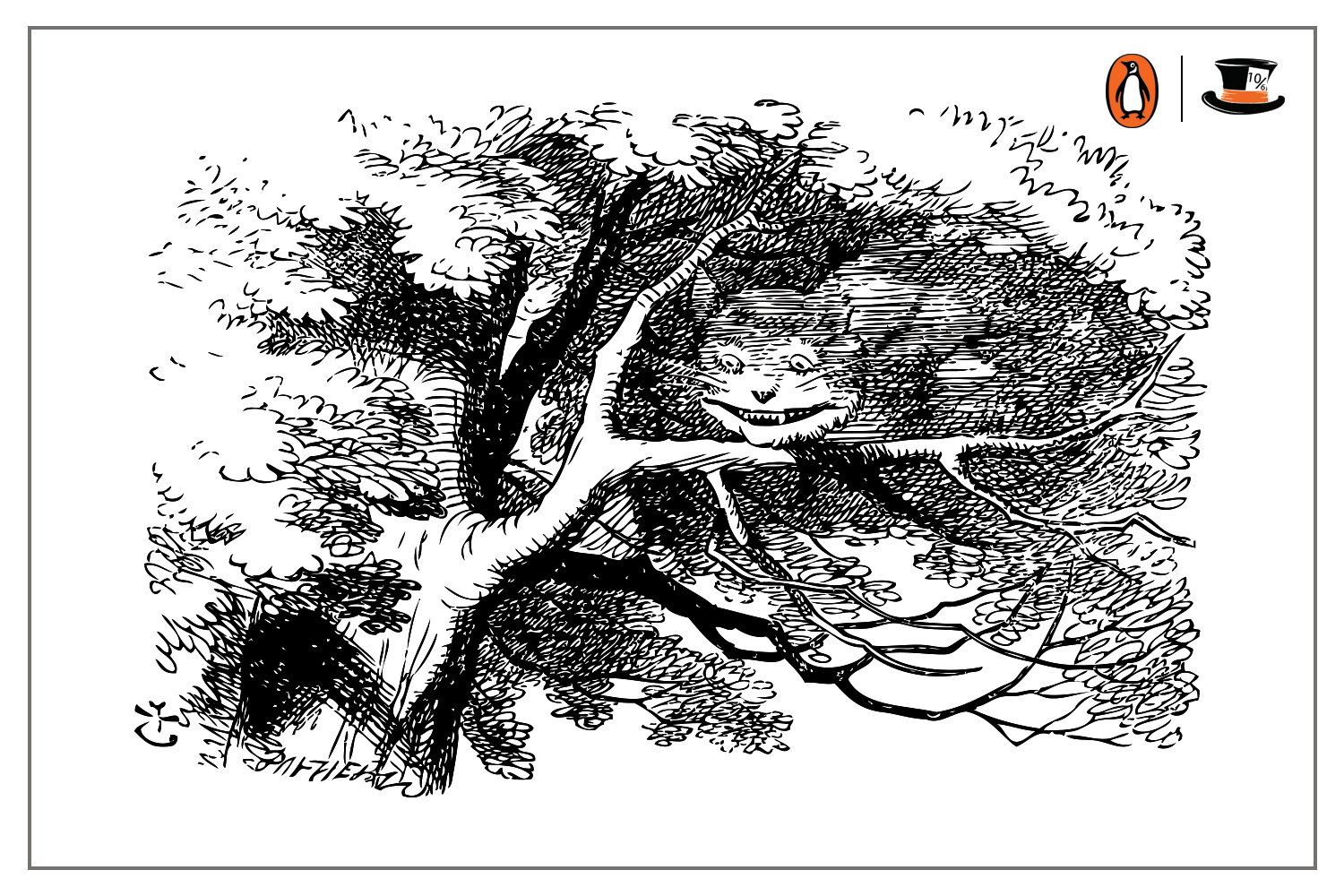
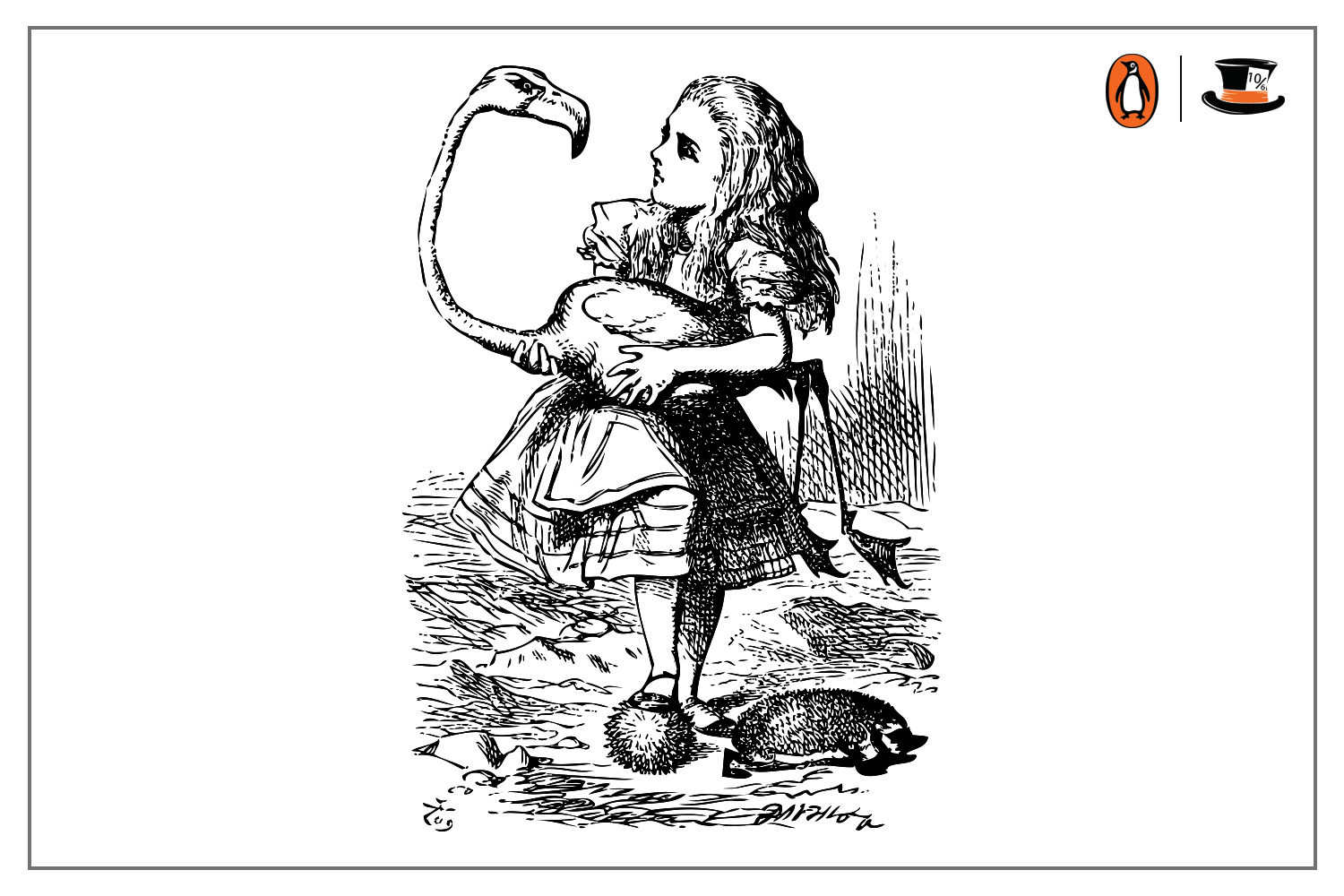
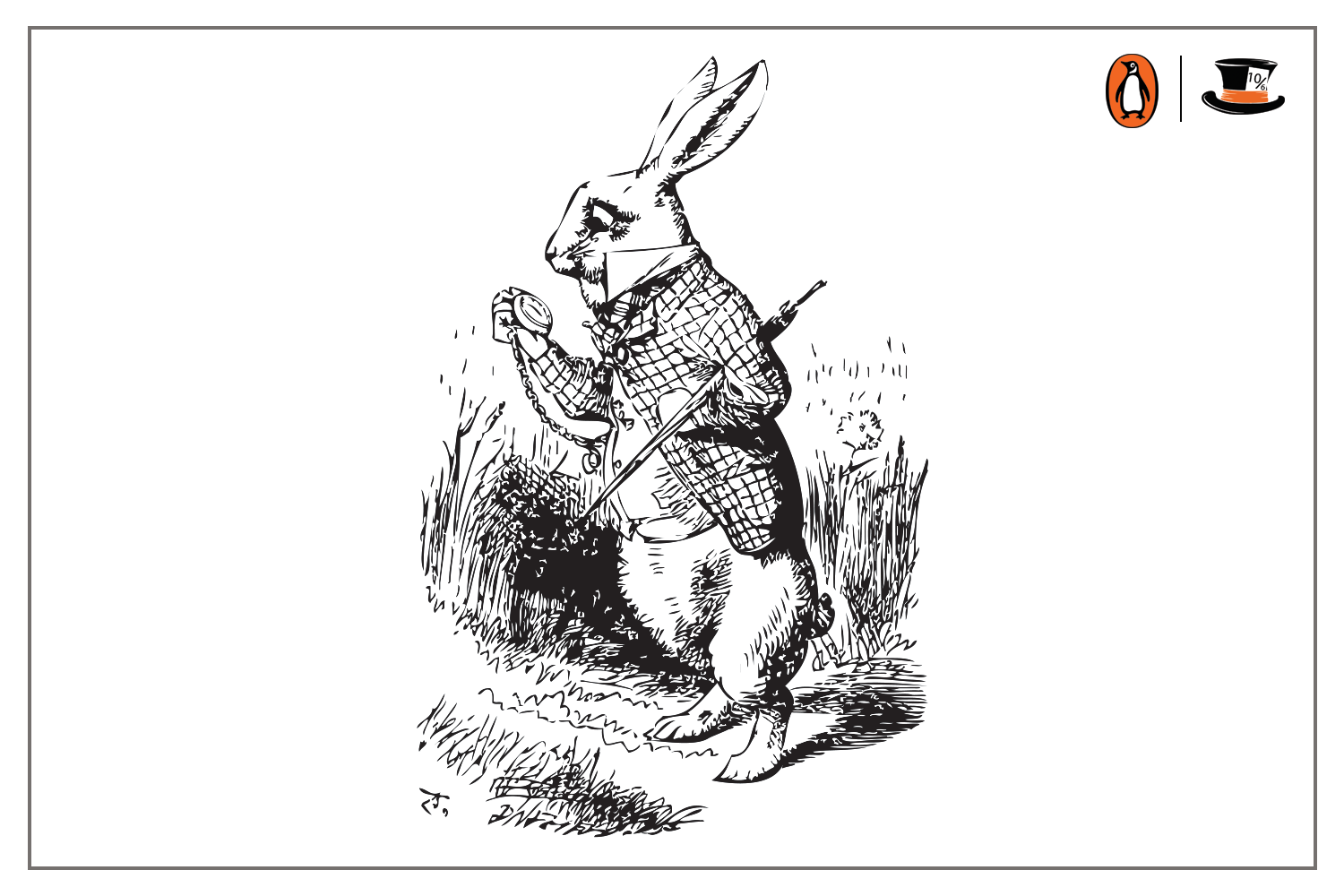 Prominent English illustrator John Tenniel was commissioned to create the accompanying art for the story. When he saw an early copy of the book, Tenniel was upset with how badly his drawings had been reproduced forcing Carroll to spend almost half of his annual salary to get it reprinted. Luckily, once it was published, Alice in Wonderland was an instant success. The rejected printings were later sold in the U.S.
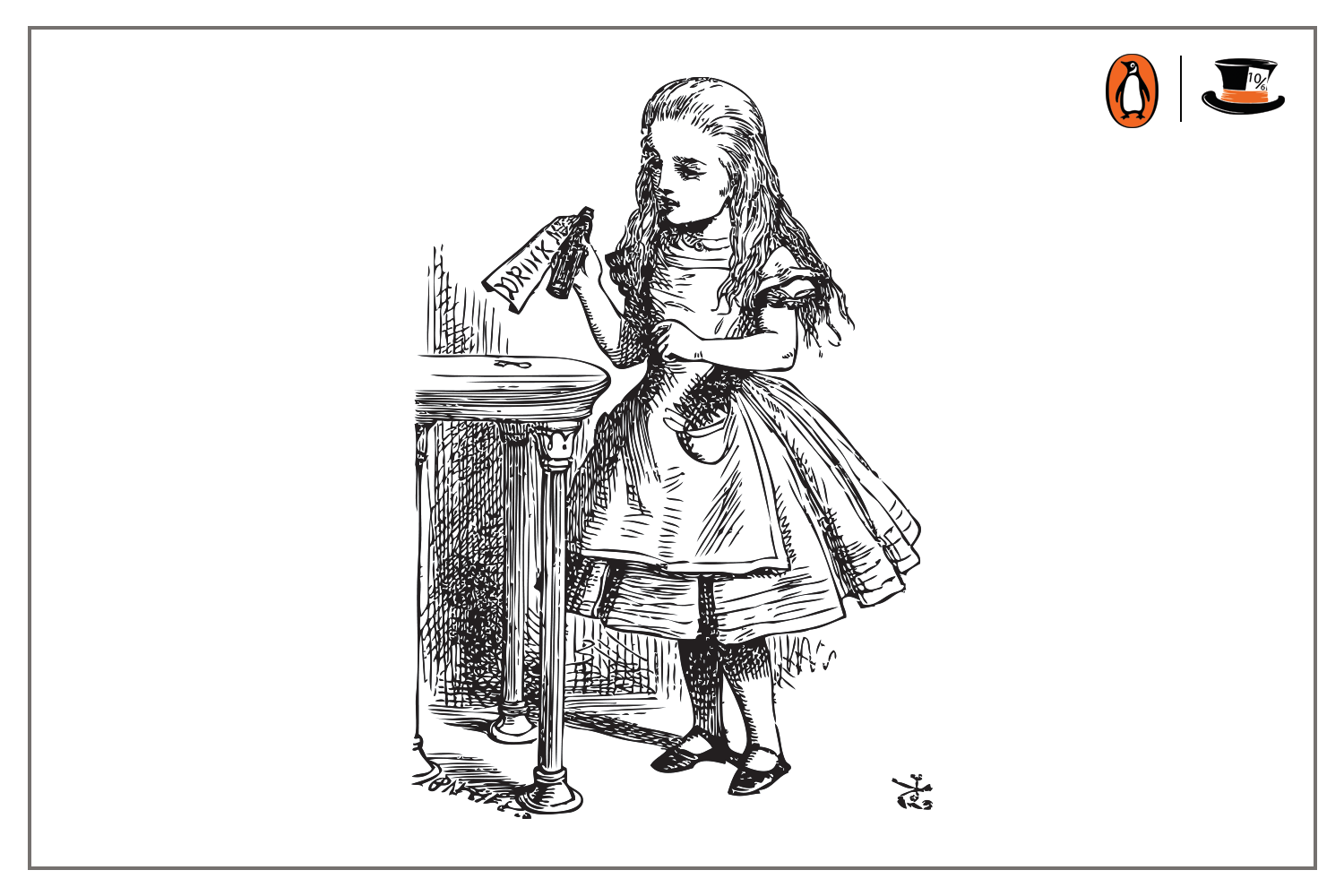 Alice was the name of the daughter of Henry Liddell, the dean of Christ Church College at Oxford, where Carroll taught mathematics. Carroll met the dean and Alice’s older brother first and that was how he came to know the entire family.
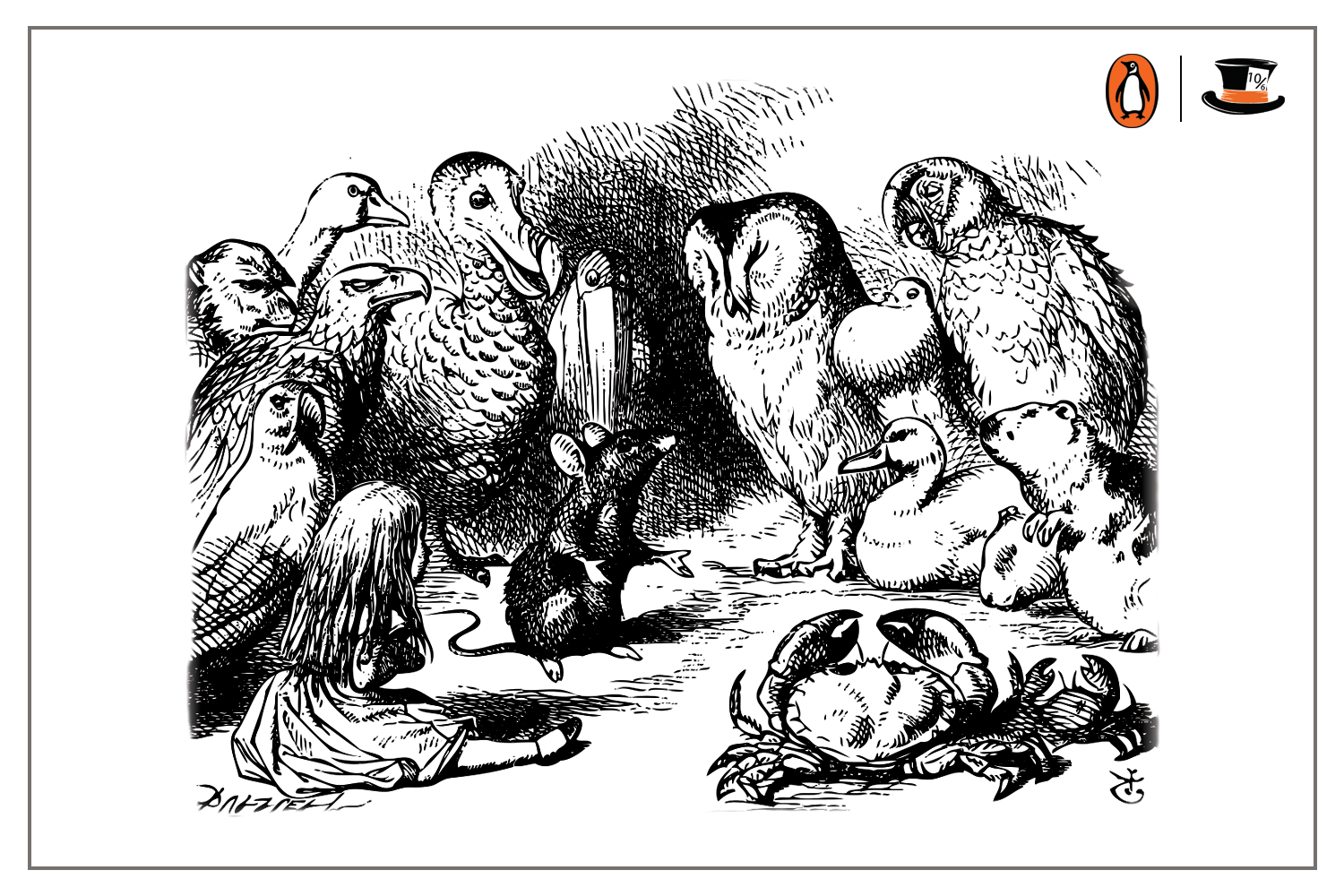 Carroll was inspired to write the story when he was coming up with a story for the young Alice Liddell on a boating trip. He tried out a few different titles for his novel, the original – presented to the 10-year-old Liddell was ‘Alice’s Adventures Underground.’ When it was picked up he decided to call it Alice’s Hour in Elfland. Another rejected idea was ‘Alice Among the Fairies’.
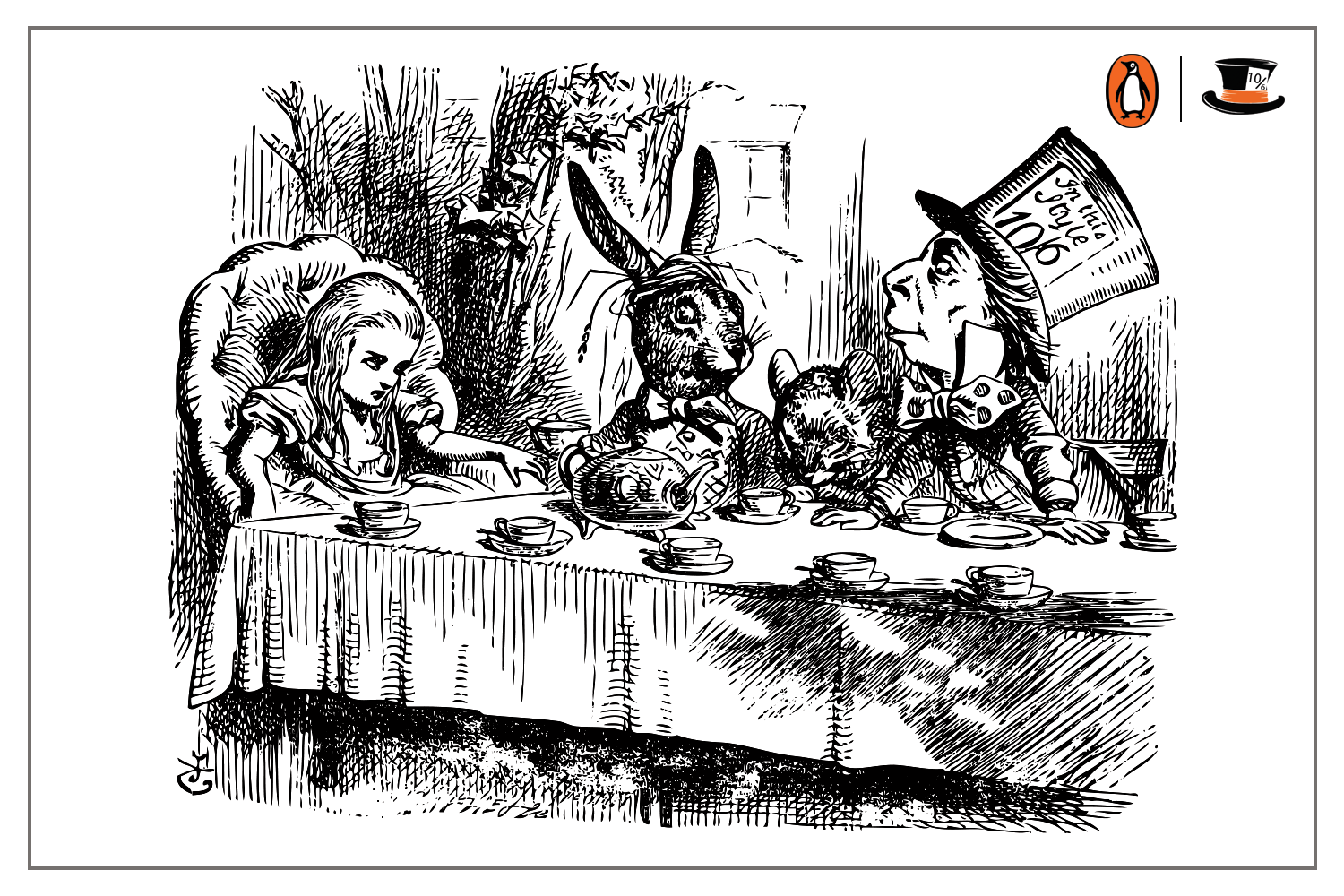
 Carroll was a very conservative mathematician and he detested the new forms of math emerging at the time compared to the algebra and Euclidian geometry he favoured. Mathematicians say that riddles like the one the Mad Hatter asks Alice about a raven being like a writing desk, were a reflection on the increasing abstraction that was going on in mathematics in the mid-1800s.
 The original manuscript – the hand-written and illustrated version, belongs to the British Library and it rarely leaves London. When New York City’s Morgan Library managed to get hold of it for an exhibition, here’s what The New York Times had to say about it:
 Carroll was one of the first authors to work with manufacturers to bring out related products. This is one of the main reasons why Alice’s tale is so popular, even amongst people who haven’t read it. He understood the importance of tie-ins, designed a postage stamp case decorated with images of Alice and allowed her image to adorn cookie tins and other products.
 ..It has also been translated into 176 languages. The sequel, Through the Looking-Glass and What Alice Found There, sold out within seven weeks of its publication.