



‘Boo’ by Shinie Antony is a well-crafted collection of horror stories written by some of the renowned names of the literary circuit.
This Halloween, here’s an excerpt from ‘He-Ghoul’ a spooky story by K.R. Meera, to send a chill down your spine.
She put on the lingerie she had chosen, many years ago, for that last rendezvous. The steps leading down to the cellar were next to the staircase, which climbed up from the drawing room with its tall marble pillars and arches, wound in a semicircle around the entire dining room and ended near the kitchen. After dinner, when she stood gazing at the antelope heads on the drawing room walls, the caretaker’s wife came up to her to mark her forehead with kumkum from the Mariamman temple and tie a piece of blessed string around her wrist. That made her flinch. Her lover had also anointed her forehead with kumkum before their first lovemaking. Once the caretaker and his wife went out to the watcher’s shed, she was all alone. She untied the string from her wrist, wiped off the kumkum. Then she strained to imagine into presence her lover’s lost soul. Sex and fear were the same to her. She could not feel either until they were roused to fullness in and through her imagination.
But the ghoul revealed himself only after she had fallen asleep. A dog howled and woke her up. A thousand dogs howled after that, one by one. It was pitch-dark all around. A scream flew up from below the stairs. Then, a scary silence crept everywhere. She got up and opened the door to the balcony. The French windows stood completely open, and also the door to the corridor. Someone was running, panting.
Then, at the very end of the corridor, he appeared. She started, and snapped, ‘Who’s that?’
He vanished. She went back into her room and shut the door, suspecting a thief, and picked up her mobile phone, scanning it for signs of a signal. Her mind focused on what to do if the thief broke in; her heart thundered. It had pounded thus only at their last rendezvous, she remembered. Don’t thunder like this at the presence of a mere thief, she scolded her heart. The wind blew harshly. As if infuriated by her indifference, it pulled down the objects on her table, pulled free her tied-up tresses, tugged up her nightdress, and made her gasp for breath as it forced dust into her eyes and nose. Instantly, she realized that it was her lover-turned-ghoul that she had run into. Opening the door, she stepped into the balcony and, from there, turned into the corridor. Suddenly, the lights blacked out. Darkness invaded every corner. She kept moving forward. She imagined her lover-ghoul sucking her lifeblood, killing her. That would be such a romantic way to die. She too would embrace death in the very same bungalow where he was killed. Her blood would spread over the scars of his dried-up blood on the floor. Maybe no one will believe this; maybe he didn’t deserve it at all—but what a tale of love, so intense!
That house of glass windows and crystal cupboards was built way back, when kings still ruled. Just a few months ago, the relative of a friend had bought it for a song. The rooms were filled with the musty odour of termites. She had noticed a large candle and a matchbox on the dining table at dinner. So she went towards the dining table in the dark, found the matchbox, and lit a matchstick. For the first time in her life, she saw a He-Ghoul. A man of glass, a hollow man. Of no flesh, no marrow, no hair on its head, no fangs, no blood dripping tongue. A body fissured and fragmented. A neck that looked as if it would snap at any moment. Whitish and motionless eyeballs deep in their sockets. Anyone else would have screamed in fright seeing him. She felt no fear. What was terrifying was the sheer hardness of the He-Ghoul’s face, it’s very hollowness and its naked inferiority, impossible to hide even after death. Even when he’s a ghoul, a man is a man; he shows off more than what he’s got.
He was playing He-Man before her now, stretching his body tall, beyond the bungalow’s upper storey. He raised his brittle arms of glass above the darkened ceiling. As vain as ever, he held his crumbling neck erect. ‘Admit it! I am the stronger one even now!’—that was a silent plea, but it resounded everywhere. In a final gesture of frustration, he pulled off a ceiling fan and flung it down. It nearly hit her, but he knocked it aside and went all billowy, as though he had done her a great favour. For this favour, should you not forget the crimes I committed when I was alive? he asked her soundlessly. Should you not be grateful? That amused her. She had loved him so when he was alive; she had been ready to die for him, deluded that he deserved the highest sacrifice. Now she imagined courting death for this lover long dead. What a poetic death that would be. Embracing the end in the very same cellar in which he died just before he was to step onto a high pedestal in politics! She would seize him from the blazing depths of hell. Even if that were impossible, even if that would make her scorn herself, what a love story it would be, one that could mesmerize the masses!

Tag: Excerpt
A Neighing Man And His Son: ‘The Puffin Book of Spooky Ghost Stories’ — An Excerpt

Get ready for 13 ghostly, ghastly tales for bravehearts. Be prepared for eerie hauntings, dreadful happenings and creatures that go bump in the night. In this spine-chilling collection you will encounter a creepy spirit that occupies a deserted bungalow, the reincarnation of a goddess who wants the sacrifice of blood, an ominous swing that makes one fly far away into a dark, deathly world, and the sheer wrath of the dead. Read about a haunted school, a spooky wind-chime, a possessed doll and other supernatural elements that will take you on a nightmarish expedition into fear. Written by the best contemporary authors including Ruskin Bond, Jerry Pinto, Paro Anand, Subhadra Sen Gupta, among others.
Here’s a small excerpt from‘The Puffin Book of Spooky Ghost Stories’ for your child that is sure to fascinate them and make them want to read more!
Like Father Like Son — Paro Anand
Mr Anderson had stayed with us for three months. I’d got on very well with him. I think that was because both of us were slightly offbeat. He actually discussed stuff with me the way no other adult did. Although he worked in the Norwegian company where my dad worked too, Mr Anderson was also interested in the supernatural and other weird stuff. Not like most company executives who can be so stuffy.
In fact, that’s why he had come to India. He wanted to study Tantra and the exotic, mystical things that India is famous for. He also got very involved in yoga. There was an ashram in Bangalore that he visited once. He came back so excited about it that he put in an application for a year’s leave, and then called his wife and son in Oslo to ask them to join him.
He said he would take about a fortnight to settle down at the ashram and make arrangements for them to join him. ‘It’s wonderful there, Bhavani,’ he said to me one day. ‘You would love it. So peaceful. So spiritual. Like heaven on earth. If I were to die there, I would die a happy man.’
‘Oh, don’t say things like that,’ I protested.
‘Don’t you worry,’ he assured me. ‘Even if I go to the next world, be sure that I will contact you somehow or the other to tell you all about it!’ And he laughed that peculiar laugh of his. Almost as if he was neighing.
‘I must have been a horse in my last avatar,’ he joked to me once. He loved horses passionately. And then he would pull the right lobe of his ear, which was another one of his peculiar mannerisms.
Soon Mr Anderson left for the ashram, having bid us goodbye, promising to be in touch. But he never did; he just disappeared. Literally vanished off the face of this earth. Or so it seemed.
His wife called from Oslo about two and half weeks later to find out why he hadn’t called. We didn’t know, presuming all this while that he was safely at the ashram, settling in. But inquiries revealed that he had never shown up. The police department was duly informed, and a couple of months passed without anything significant being found. Dad’s company hired a private detective from an agency, but all they came up with was what we already knew: he had never reached the ashram. Somewhere between boarding the train and arriving in Bangalore, he had mysteriously disappeared.
Following this, Mrs Anderson called to say that she and her son were planning to come to India to try and carry out some search themselves. Naturally, they were wild with worry. And who could blame them? Dad and Ma asked them to come and stay with us.
So now I stood at the window of my newly clean room, awaiting Mrs Anderson and her son. I must admit that I had mixed feelings about this. On the one hand, I felt that it was quite an invasion of my privacy to have some strange boy in my room. I had to move to a couch in my parents’ room, while Mrs Anderson would sleep in the guest room. On the other hand, the idea of a possible mystery-laden adventure was thrilling. And on the third hand, if there is such a thing as a third hand, the idea of a thirteen-year-old Norwegian boy was exciting. With a little bit of luck, he might turn out to be, you know, something out of Baywatch. I knew that his name was Jan, pronounced Yarn, but I didn’t know much else. Somehow, Mr Anderson had been closed about his son, dismissing him with a ‘Oh! He has his problems’ type of remark.
The car drove up at last, and I went out to meet our guests. Mrs Anderson came out first; it was obvious that she was trying to be brave. Then I glanced inside the car to get my first look at Jan. My father was leaning in and supporting someone who seemed to be having trouble getting out.
Oh, he was blond and blue-eyed alright, but in such a faded sort of way that it was like some cloth that has been left out in the sun too long. Yeah, cloth-like was what he was. Limp, lightening-white skin, pain washed eyes and an almost boneless, muscleless body. Baywatch type he certainly was not. My heart sank as Dad put a supporting arm around him and brought him slowly out.
‘Jan, this is our daughter, Bhavani,’ Dad introduced me. Awkwardly, I held my hand out which only served to make things worse, for Jan’s arms continued to hang uselessly by his side.
‘Hello,’ he said, ‘I’m sorry, I cannot…’
‘Oh!’
Later, while helping Ma get the tea, I hissed, ‘What’s wrong with him?’ almost as if it were her fault.
‘He had an accident as a young boy,’ answered Ma, and went on to lecture me about how I should be good to him. ‘Be kind to dumb animals…’ I muttered meanly. His mother helped him eat, although he could manage a bite once he’d been propped up properly in a chair. I felt embarrassed just to look at him, let alone talk to him as Dad said I should, muttering under his breath in Hindi. Then an already embarrassing situation became worse when Mrs Anderson started to cry.
Things gradually did get better. At least the guy could talk. Ma and Mrs Anderson would go out frequently in search of clues which could help them trace Mr Anderson. And since we had our vacation, I stayed home with Jan. He talked quite a bit about his school, friends, music and stuff like that, but actually very little about his father.
Then one day the truth was out: the reason behind why the father and son hardly talked about each other.
It turned out that Jan had been born perfectly normal, the pride and joy of his parents. His father had always loved to ride, and wanted his son to be a champion horseman. But to his disappointment, his one and only son had no talent with horses. Let alone talent, he was actually terrified of them. The father couldn’t accept this. He continued to force him. Hard. Way too hard, against the boy’s wishes. Until . . . one day the boy fell from his horse while taking a jump. The accident left him damaged, half human, half vegetable.
The guilt and remorse on the one hand, and the resentment and frustration on the other, led to the father-son relationship being fragmented. Jan said that they hardly talked to each other, and I knew that they hardly talked about each other. ‘But when he disappeared,’ said Jan quietly, tired with the effort of having relived those painful moments, ‘I suddenly realized that both of us were being stupid. What was done was done. We should try to rebuild our relationship, forget the past. But now. . . now I don’t know if we’ll ever have the chance….’ Pain, regret and loss swam in his pale eyes as they filled with tears. But he didn’t let them fall.
‘I’m sorry… ’ said Jan.
‘Yeah, I’m sorry too,’ I said.
And then he did it. He pulled the lobe of his right ear, just as his father always did. I didn’t make a big deal out of it. At least not right away. After all, lots of kids pick up odd habits from their parents. It took me a moment to remember. Remember that he couldn’t lift his arms. He hadn’t been able to shake my hand when he arrived. Yet, his right hand had tugged casually at his ear, just as his father used to do. I looked carefully at him, but he didn’t seem to find anything strange in what he had done.
That night the weirdest thing happened. I dreamt of Mr Anderson. He didn’t actually say anything to me, but smiled and waved, as if saying goodbye. And then, as I watched, he looked at me and pulled the lobe of his right ear, and threw back his head and laughed his horsy laugh. And then he turned into a horse and galloped past me! I tried to grab hold of his mane, shouting, ‘Wait…wait! You don’t understand…!’
I woke up in a sweat, not able to make much sense of it. Next morning, I laughed at myself for worrying over such a ridiculous thing, and put it out of y mind.
When Jan and I were alone, he suddenly said, ‘I dreamt of my father last night.’ I had my back to him and fairly leapt around to face him. And I found him doing that wretched ear lobe thing again. ‘Did he turn into a horse?’ I blurted out.
‘Pardon?’ he said, looking shocked and hurt, and I felt stupid. ‘Er…nothing…’ I mumbled.
‘A horse? Did who turn into a horse?’ he persisted.
‘I’m sorry, I don’t know what I was thinking…’ was the best I could manage. He gave me a strange look after this, and his hand went up to his ear. I held my breath, but he didn’t pull the lobe.
Naturally, with him so much on my mind, Mr Anderson appeared in my dream again. This time he spoke to me and said the strangest thing, ‘I told you that I’d come back. That I’d contact you somehow, didn’t I?’
‘Are you dead?’ I asked, but he laughed, or rather neighed and galloped past me as a horse again. I ran after him, trying to catch hold of the horse’s flying tail. But he was gone.
Spooky, isn’t it? We’re sure you and your child want to find out more about what happens to the disappeared Mr Anderson and his distraught son. So hurry up and grab a copy of the book now!
The Puffin Book of Spooky Ghost Stories will have horror-story addicts craving for more. Deliciously horrifying, these sinister stories will unnerve the mind and chill the heart.
Why Osho was inspired by Pythagoras?
Pythagoras, as we know, was not just a mathematician – he had the power to explore the workings of the inner mind and the outer world. The wisdom of Pythagoras influenced Osho to embark on matters of politics, love and meditation, obedience and surrender.
Pythagoras, the spiritual and divine master stirs an effect in Osho’s ‘Philosophia Perennis’. Osho, in this volume, speaks of the little-known teachings of Pythagoras.
Here’s an excerpt from the book.
The truth of Pythagoras, the truth of the greatest synthesis ever attempted, can trigger a process in you, can start something so immense, about which you could have never have dreamed. That is the whole purpose of satsang: being in communion with a master. His presence, his utterances, his silences start working on you—sometimes even in spite of you. Sometimes you become aware of those processes, sometimes you are not aware of them; they start working underneath your consciousness. One day, they explode into a great blossoming.
Pythagoras really tried the impossible, not only tried, he succeeded. But the world wants to live in division, because the world can only understand conflict. It cannot understand synthesis. Synthesis can only be understood when some synthesis inside you starts happening; otherwise synthesis is non-understandable, will be misunderstood.
Everybody was against Pythagoras. All religions, all sects, all the so-called gurus of those days were against Pythagoras. In fact, they should have been there for him because he was bringing together all the scattered fragments of truth. But it hurts . . .
If I say that the Koran is true, as true as the Vedas, and people understand this, then both Mohammedans and Hindus would be tremendously happy. But that doesn’t happen; both become angry. The Mohammedan becomes angry because I have compared his holy book to an ordinary book, the Vedas; the Hindu becomes angry because I have compared his holy book to an ordinary book, the Koran. They both become angry because their egos are hurt.
You can understand what must have happened to Pythagoras because it is happening to me, it is happening to you, the same process. Hindus are against it, Mohammedans are against it; Jains, Buddhists, and Christians are against it. Why?
I am bringing Christ, Buddha, Mahavir, Zarathustra, Lao Tzu and Krishna to the highest possible synthesis, but still they are all against it. The reason is: they are divided within themselves. They can only understand that which they are. You can never understand anything beyond your consciousness. If you are split, you can only understand a split world. If you are in a subtle harmony inside, only then will any harmony happening outside be understood.
It is good that you felt great gratitude arising in you listening to the synthesis. It shows that something has started becoming integrated in you—something that is bringing you together, that is creating a kind of unity between the two hemispheres of your brain, the left and the right.
These two hemispheres of the brain have to be understood, and very deeply, because much depends on that. Now scientists are also in deep agreement with the ancient mystic lore that unless these two brains are bridged and bridged rightly a man remains schizophrenic. They are bridged, but in a very, very small way; just a small thread bridges them. That thread can be cut.

Oh No! There’s Just One Tub of Popcorn for Nicky and Noni!: ‘Sharing is Cool’ — An Excerpt
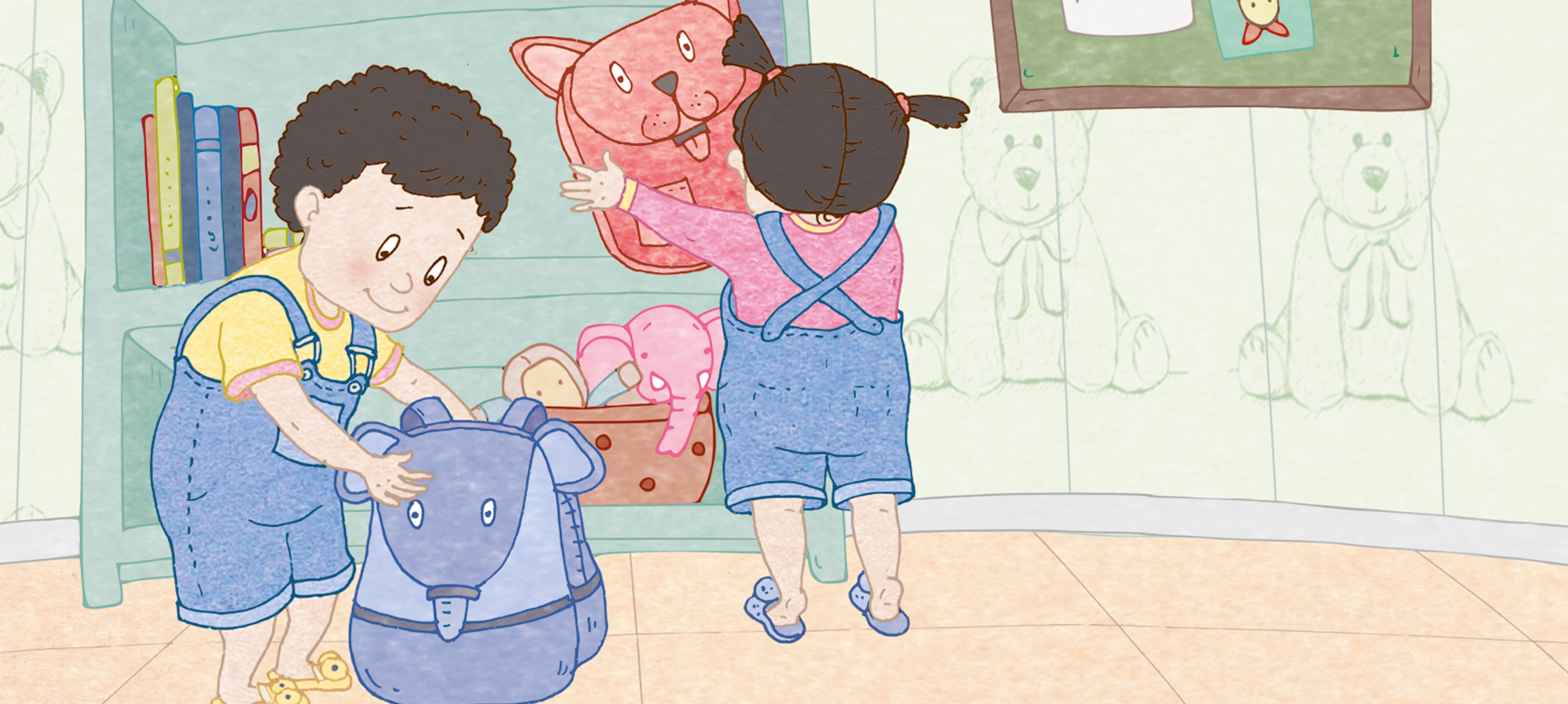
Sonia Mehta’s super cool twins, Nicky and Noni, are in some trouble again! This time over sharing a tub of popcorn.
From her newest series — My Book of Values, Sonia Mehta explores how totally cool it is to instill and nurture some important values in children from an early age. While value education classes might be preachy, boring even, Sonia Mehta’s books make it fun for one and all, especially for your little one.
In Sharing is Cool, Sonia Mehta lets Nicky and Noni show us why indeed it is cool to share. How? Let’s find out!


That fight over the popcorn seems far from over! Do you think Nicky and Noni make peace finally? Grab a copy for your child today and find out!

Excerpt from 'Bharat: The Man Who Built a Nation'

Dr Vineet Agarwal brilliantly retells the story of the son of Dushyant and Shakuntala, the grandson of Brahmarishi Vishwamitra in his latest book, Bharat: The Man Who Built a Nation.
Here’s an excerpt from the book.
Voices filled the royal hall of Hastinapur, bouncing off the two dozen marble pillars that supported the high vaulted ceiling. Wide latticed windows provided illumination as well as ventilation to the cavernous hall that was full of people watching the royal debate.
Aileen, ruler of the Puru kingdom, sat on a beautifully carved sandalwood throne that had been fashioned to resemble the vehicle of the moon god, the founding father of the Chandravansh. It was shaped like a chariot drawn by eight antelopes, and the king occupied the central seat, sheltered by a silver umbrella. The elderly king was presiding over a debate between his eldest son and the royal council. Of his five sons, Dushyant, the eldest, was quite simply the best.
Since the day he had first stepped into the court, the crown prince had shown a flair for solving the tricky situations that arose in the running of a kingdom. Dushyant was almost twenty-five now, and towered over his sire. Aileen saw a glimpse of his own younger self in him; they had the same tan complexion, sharp nose and dark eyes but the king had a greying beard and his face had assimilated fine lines from years of looking after the kingdom, while his son’s visage had the freshness of youth. Rigorous training had made Dushyant’s body lithe like that of a cheetah and his mind as sharp as a needle. He was practical and perceptive, and even now seemed to be winning the debate that had almost reached its conclusion.
For more than a prehar now, the councillors and the prince had been debating the need to change old policies followed by the kingdom—three hours and counting. Aileen had been trying to get his council to formulate new guidelines for more inclusive development, but to no avail. Change was not easy for anyone, let alone senior members of the court who were set in their ways and accustomed to their lavish lifestyles, but the king hoped that his son would be able to convince them.
Rising to his full six feet, Dushyant addressed the assembly emphatically, ‘The time has come for Hastinapur to introspect. We must decide which of our traditions are redundant and which can be retained. As the wielder of Shiva’s axe, Parshu Raam showed us, there is no place for practices that encourage corruption in this new world order.’
Aileen watched the seasoned councillors wince, a tiny smile playing on his lips. The use of Parshu-Raam’s name was a clever touch. Over the past year, the son of Rishi Yamdagni had gone on a rampage, annihilating autocratic rulers from the Himalayas to the southern ocean, paving the way for a new and just class of kings. Brahmins, Vaishyas and Shudras were the new Kshatriyas of Nabhi-varsh and what remained of the old guard was still haunted by the prospect of Parshu Raam’s return. Aileen himself had been lucky to escape with his life. His superior, Kartavirya Arjun, the emperor of the world, had not been so fortunate.
Dushyant’s closing argument had made even the most reluctant of councillors agree to the demand for modernization and as they passed a unanimous motion in favour of the idea, Aileen dismissed the court for the day and called his son to the throne.
‘My son,’ he said in a tone that betrayed his satisfaction, ‘seeing the way you have convinced the senior councillors to change their stance for the benefit of the people, I am confident that you are quite ready to look after the affairs of this kingdom. Acharya Dirghatamas, other senior members of the family and I concur that the time has come to pass on the crown of Puruvansh.’

The Interesting Story of the Pandavas’ Forefather: ‘The Serpent’s Revenge’ — An Excerpt
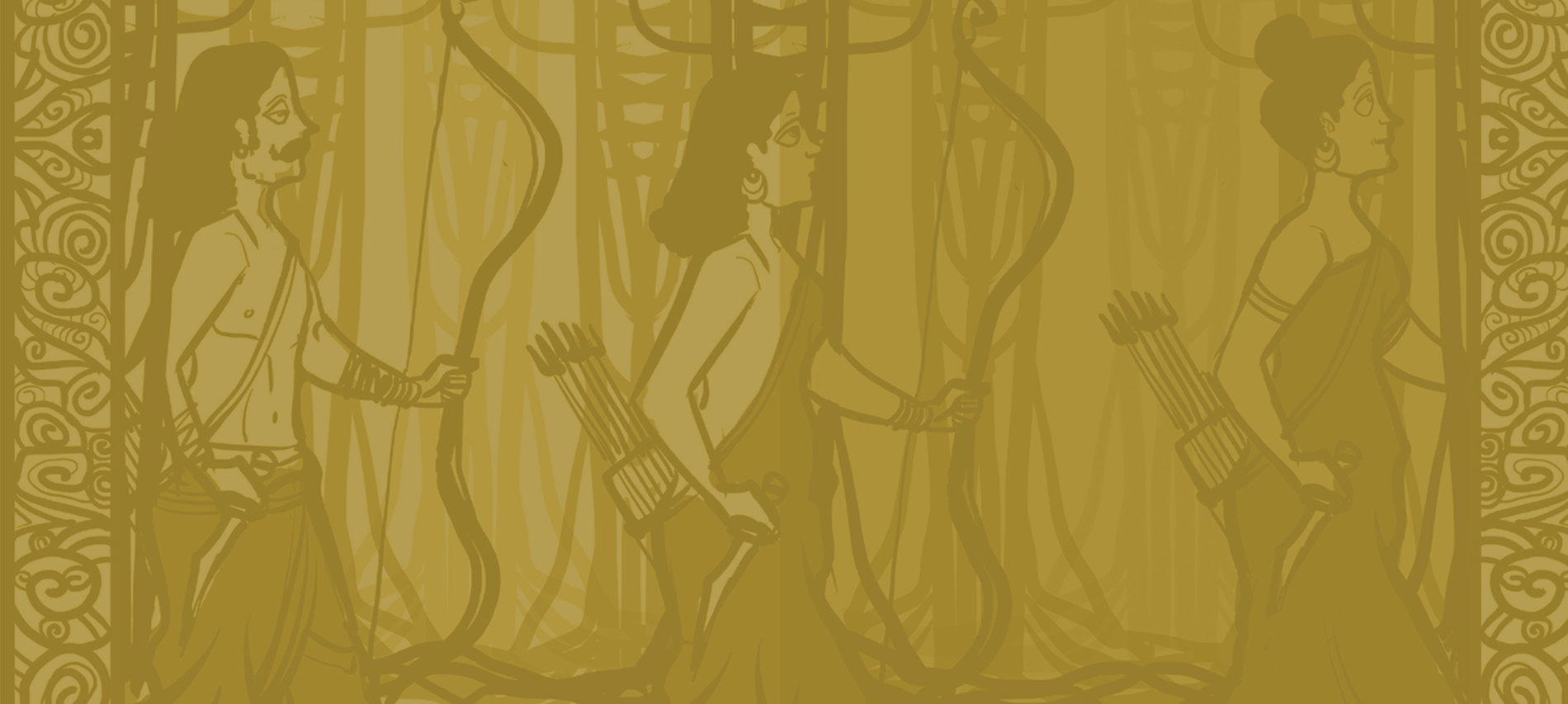
The great war of Kurukshetra is synonymous with the epic ‘Mahabharata’, a war fought between brothers and sons — stories that have lived on through generations. But have you ever wondered about where it all began for the Pandavas?
Sudha Murty’s ‘The Serpent’s Revenge: Unusual Tales From the Mahabharata’ brings to life hidden gems from the pages of the ‘Mahabharata’ that are sure to leave your little one enthralled and asking for more.
Here’s a snippet from the book.
The Man Who Became a Woman
According to the Mahabharata, the lunar dynasty (also called Chandravansha or Somavansha) is one of the most prominent warrior houses in India. As the name suggests, it is believed that this dynasty descended from the moon.
A long time ago, there lived a man named Vaivasvata Manu, considered to be the first man on Earth, and his wife, Shraddha. The couple didn’t have a child for many years, so they decided to perform a yagna in the hope of pleasing the gods. However, Shraddha secretly hoped for a daughter, while Manu wanted a son. In time, their prayers were answered and a son was born to them, whom they named Sudyumna.
Years passed and Sudyumna grew up to be a fine young man. One day, he went hunting with his friends to the beautiful forest of Sharavana (the forest of reeds). No sooner had the all-male troupe entered an enchanted portion of the forest than they were magically transformed into young women. None of them had any idea how it had happened or what they were to do.
As the troupe began wandering deeper into the forest as women, Sudyumna decided to reinvent himself according to the body he now had, and called himself Ila. When Ila and her friends became desperate to leave their beautiful surroundings and return to their homes, Goddess Parvati appeared in front of them. ‘You and your friends have entered my garden,’ she said. ‘Look around you—this is no ordinary place. In fact, no men are allowed to come here. If they do, they turn into women immediately and permanently.’
Seeing Ila’s dismayed face, Parvati smiled. ‘I know you came here by accident,’ she said gently. ‘So I will bless you, child. May you lead a happy life irrespective of your gender. From this day on, you will be able to choose what you want to be—male or female—whenever you want.’
To everyone’s surprise, beautiful Ila chose to remain a girl, and embraced her new identity with her heart and soul. Meanwhile, Budha, the god of the planet Mercury and the son of the moon-god, Chandra, noticed Ila’s exquisite beauty and fell hopelessly in love with her. Ila reciprocated his feelings and the two were wed. In due course, Ila gave birth to a son called Pururava.
Time passed and Ila chose to revert to her male form, Sudyumna. He returned to his kingdom and ruled it wisely. As was expected of a king, Sudyumna got married and had many children of his own. He continued taking care of his subjects until he was old, after which he handed over the kingdom to his first son, Pururava, and retired to the forest to live out the remainder of his days.
Pururava, the grandson of Chandra, thus introduced the lunar dynasty. He ruled from his kingdom’s capital, Pratishthana (today’s Allahabad in Uttar Pradesh).
The great Pandavas of the Mahabharata are a part of this dynasty. King Yayati, one of the ancestors of the Pandavas, was succeeded by his youngest son, Puru. His dynasty came to be known as the Puru dynasty.
Another one of Puru’s descendants was Emperor Bharata, the son of King Dushyanta and Shakuntala. Bharata was such a great king that our country was named after him and called Bharat or Bharatvarsha.
King Kuru was born after twenty-five generations of the Puru dynasty, and gave rise to the Kuru dynasty. After fifteen more generations, the Pandavas and the Kauravas were born. In theory, both the Pandavas and the Kauravas are descendants of King Kuru, but the Pandavas, who were the sons of Pandu, chose to carry their father’s name and not the identity of the clan.
How fascinating is this story! Get a copy of this charming book for your little one and dive right into those corners of ‘Mahabharata’ you missed out on before!
And oh, while you’re at it, don’t forget to pre-order your copy of ‘The Man from the Egg: Unusual Tales about the Trinity’ by Sudha Murty. The second in this series of a Pandora’s box of stories is just about to open up!

Bollywood: The Films! The Songs! The Stars! Foreword by Amitabh Bachchan

Who isn’t enchanted by the glitz and glamour of the world’s largest cinema industry AKA Bollywood?
With Bollywood: The Films! The Songs! The Stars!, be mesmerized by the glamour and colour of Bollywood. Known for their glittering costumes and epic song-and-dance routines, the charming movies produced in Mumbai have captured the hearts not just of Indians but of people the world over.
Here’s what Amitabh Bachchan has to say in the foreword of this lavishly illustrated book.
I abhor the title of this book. The Indian Film Industry is what I shall always refer to as Cinema in India. We are an independent creative industry and not a derivative; any attempt to imply otherwise, shall not find favour with me.
But the absence of any kind of film documentation is another malaise that has been of great concern to me; one that I lament greatly. To find a global publishing house now wanting to tap into “the increasing interest in the Hindi film industry from national and international quarters” is indeed most laudable.
Hindi cinema, indeed the entire cinema in India, is the largest film-producing unit in the world. To me it has always played the role of a unifier, an integrator. When we sit inside that darkened hall we never ask who the person sitting next to us is – his or her caste, creed, colour, or religion. Yet we enjoy the same story, laugh at the same jokes, cry at the same emotions, and sing the same songs. In a world that is disintegrating around us faster every day, where can one find a better example of national integration than within those hallowed portals of a cinema hall? There are not many institutions left that can boast or propagate such unity.
I once asked a Russian gentleman in Moscow what it was that attracted him to Hindi cinema. He replied: “When I come out of the theatre after watching a Hindi film, I have a smile on my face and a dry tear on my cheek!” There can be no better assessment of our films than this – and that too from an individual who was not an Indian. But my father, the great poet and litterateur, Harivansh Rai Bachchan, summed it all up most succinctly. On asking him one day what Hindi cinema meant to him, he said: “I get to see poetic justice in three hours! You and me shall not see this in a lifetime… perhaps several lifetimes!”
SMM Ausaja, a friend and a passionate film admirer, curator, and journalist, contributes to a section of this book. My wishes to him and to the publication.

‘This is no ordinary cat’: The Nine Lives of Montezuma — An Excerpt
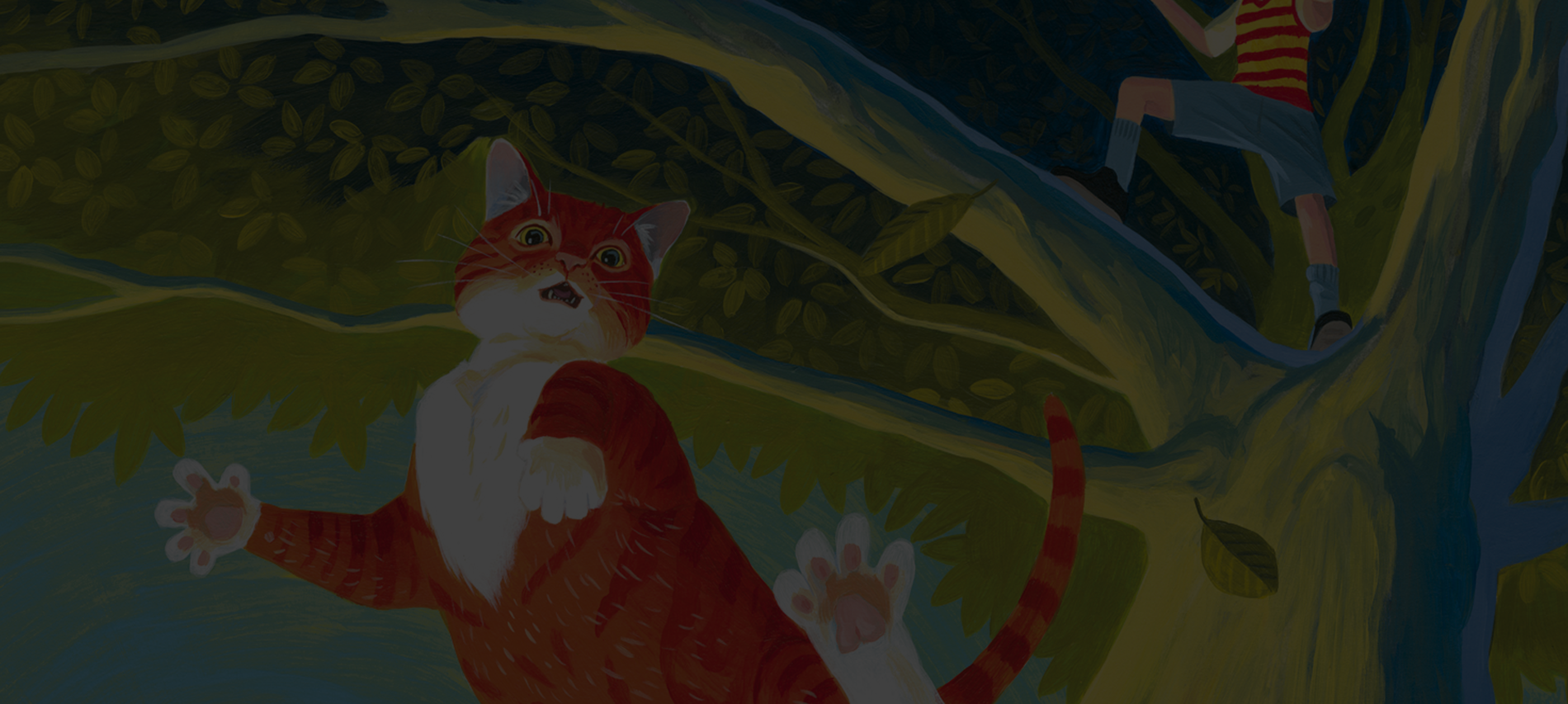
As the famous saying in English tells us every cat has nine lives, Michael Morpurgo’s The Nine Lives of Motenzuma proves that cats indeed are survivors in this big, bad world.
Montezuma, a ginger cat, is anything but your ordinary furry friend. As soon as he is discovered, the characters in the story realise that this cat is not a normal alley cat but a creature with magical powers, much like its namesake, the survivor King of the Aztec.
Here’s a short excerpt from the book.
He found Montezuma crouching at the end of a long tapering branch that hung out over the pond. The branch looked thick enough and safe enough near the trunk, but the further away it stretched the more fragile it looked. Matthew stood in the fork of the tree and considered all the alternatives, trying to ignore the warnings and advice from below. He could not climb out along the branch to Monty – the branch would not take his weight. He needed a net to throw out over the cat, but there was no-one who could bring a net up to him – neither his father nor his mother could climb trees – at least he had never seen them. He would have to talk the kitten back to safety, that was the only way.
‘Monty,’ he said in as soothing a tone as he could manage. ‘It’s me, Monty. You can’t stay out there all day. You’ll be all right now. I’ll take you down. Come on then, come on. I won’t hurt you.’
But the kitten crouched low, glued to the branch like lichen. He blinked back at Matthew, swallowing hard and mewing weakly every so often. Matthew talked on in a consoling, sympathetic tone; but he received no encouragement from Montezuma who never moved a muscle.
From down below his father was shouting up to him. ‘Can’t you get him down?’ A question which Matthew didn’t feel he could answer politely.
‘Fire Brigade,’ his mother shouted up. ‘What about the Fire Brigade?’ They looked so small down there in the yard. Matthew felt his parents had been getting smaller in recent years, but he had never seen them this small.
‘Not yet,’ Matthew shouted back. ‘Not yet. I’ll try one more thing.’
‘Do be careful, dear. Do be careful.’ His mother’s voice sounded hysterical, but then it always did whenever she shouted.
Matthew held onto the branch above him and edged out onto Montezuma’s branch, stepping sideways like a cautious crab. The two branches ran parallel for a few yards and then the upper one that Matthew was holding onto came to an abrupt halt. Matthew went as far as he could and then released the upper branch. For a moment he stood balancing with nothing to hold onto. The branch swayed underneath him and he lowered himself carefully until he was sitting astride the branch, his hands clasping it firmly in front of him. Like this he pulled himself along inch by inch until he knew he could go no further. The kitten was still well out of reach.
‘That’s far enough.’ His father’s shout was sharp. ‘No further. That’s far enough. The branch won’t take the weight. No further.’
Matthew knew he was right, but he was nearly there and it was only a few more feet. He lay now flat along the branch gripping behind with his feet, his hands holding on in front of him. ‘Come on Monty, come on down. Please, there’s a good kitten. Come on now.’ But as he released one hand to reach out towards the cat, he lost his balance and had to grab at the branch suddenly to retrieve himself. Alarmed, the kitten backed away, lost his grip and tumbled down through the air towards the pond. Matthew watched for the splash and saw his father running down across the yard towards the pond. The ducks evacuated the pond noisily, leaving Matthew’s father alone in the pond striding waist deep to the spot where Montezuma had fallen in. Matthew waited, closed his eyes and prayed. When he opened them his father was shouting up at him and laughing, holding up a dripping kitten. ‘Got him. He’s all right. The little divil’s still breathing.’
By the time Matthew had made the descent, his father was out of the pond and had pulled off his shoes. He was sitting on the ground taking his socks off and wringing out the water. ‘Your father will catch his death,’ said Matthew’s mother, who was holding on to Montezuma in a vice-like grip. ‘Here’s your Monty,’ she said. ‘You take him. And for God’s sake hang on to him. You worry me to death, you two. First you go climbing up trees and then he goes jumping into cold ponds – at his age. You should know better. Could have killed you both and all for what? For a kitten.’
‘For Monty,’ said Matthew, rubbing the kitten dry with the tail of his shirt. ‘This is no ordinary cat, you know. Can you imagine my Dad jumping into a pond to rescue any other cat? He’s dropped plenty of kittens into this pond, but this is the first one he’s ever pulled out and that’s a fact.’
‘And the last,’ said his father wriggling his wet toes. ‘Definitely the last.’
Find out which adventure Montezuma encounters next in this enchanting book by Michael Morpurgo!

‘A Checklist For God’s Own Office’, An Excerpt
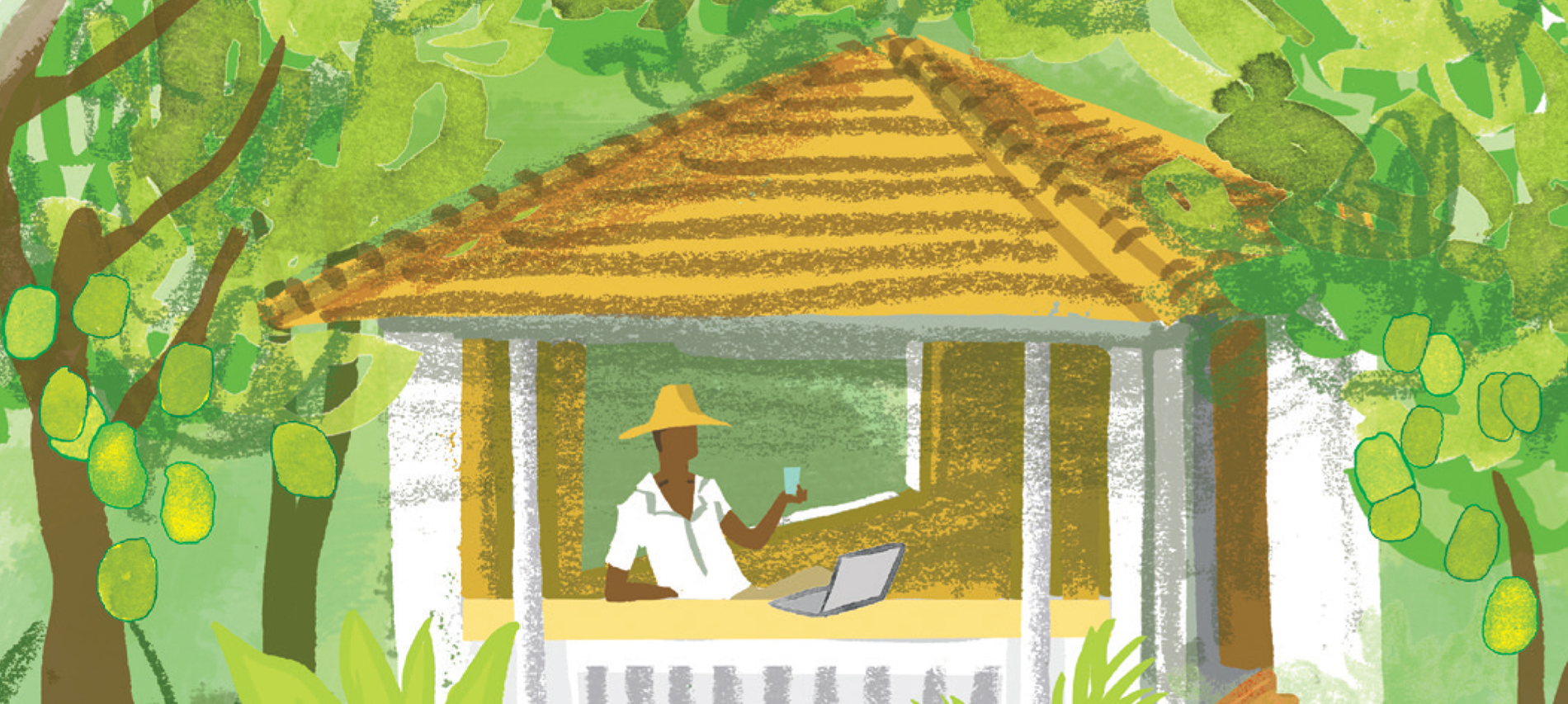
What happens when a vacation turns into a business opportunity? James Joseph, an NRI professional decided to take a family vacation in Aluva, Kerala where he stumbled upon a business opportunity in the form of jackfruits. Today, he is the founder of a successful entrepreneurial venture called Jackfruit365, an initiative to create an organized market for nutrient-rich jackfruits in India.
His book, God’s Own Office is a part-memoir, part how-to on how to integrate with the local community and set up a home office alongside nurturing your entrepreneurial ambitions.
On October 14, 2017, James is going to share his wisdom in a TedX Talk on how to set up God’s own office. He’s also going to dedicate the book to the late President APJ Abdul Kalam.
Here’s an excerpt from the book God’s Own Office, it’s a checklist of what you need to have to set up your own home office in a remote part of the country.
A Checklist For God’s Own Office
1.Do you have an unwavering conviction to return home?
2. Do you have a constant focus to return home? Does that keep you awake?
3. Have you earned the right to return? Can you pass the Mohammed versus Mountain test?
4. Can you still uproot your family? Can you still pass the inchworm test?
5. Do you have the right location for God’s Own Office?
a. Easy travel connectivity to your base office
b. Reliable digital connectivity
c. Constant source of positive energy to work alone
6. Can you arrange enough backup to avoid disruptions?
a. Power
b. Broadband
7. Do you or your employer have the right technology for remote working?
a. Digital presence information
b. Instant messenger
c. Online audio/video conferencing
d. Desktop sharing
e. Remote access to corporate network
f. Cloud services to store and share data
8. Can you make your home office sound proof?
9. Do you have the discipline?
a. Work without supervision
b. Handle interruptions by family and guests
10. Can you still stay on top of the mind of your colleagues and management?
11. Can you be a local ambassador for your employer?
12. Do you have options to adopt start-ups near your home town?
13. Can you ensure the safety of your family when you are away from home?
14. Can you allocate sufficient time to help your children remain globally competent in a small town?
15. Can you help your children integrate well in a regular school?
16. Are you willing to help people around you?
17. Are you happy to reconnect with extended family back home?
18. Can you find enough activities to recharge yourself in a sleepy village?
a. Adopt a farm
b. Participate in cultural activities
19. Do you have the resilience to stomach the dark sides of a small town?
a. Avoidable deaths around you
b. Bureaucracy
c. Need for extra humility, patience and tolerance
20. Will the economics of God’s Own Office work for you?

“We are never alone, are we?” An Excerpt from Shinie Antony’s ‘Boo’
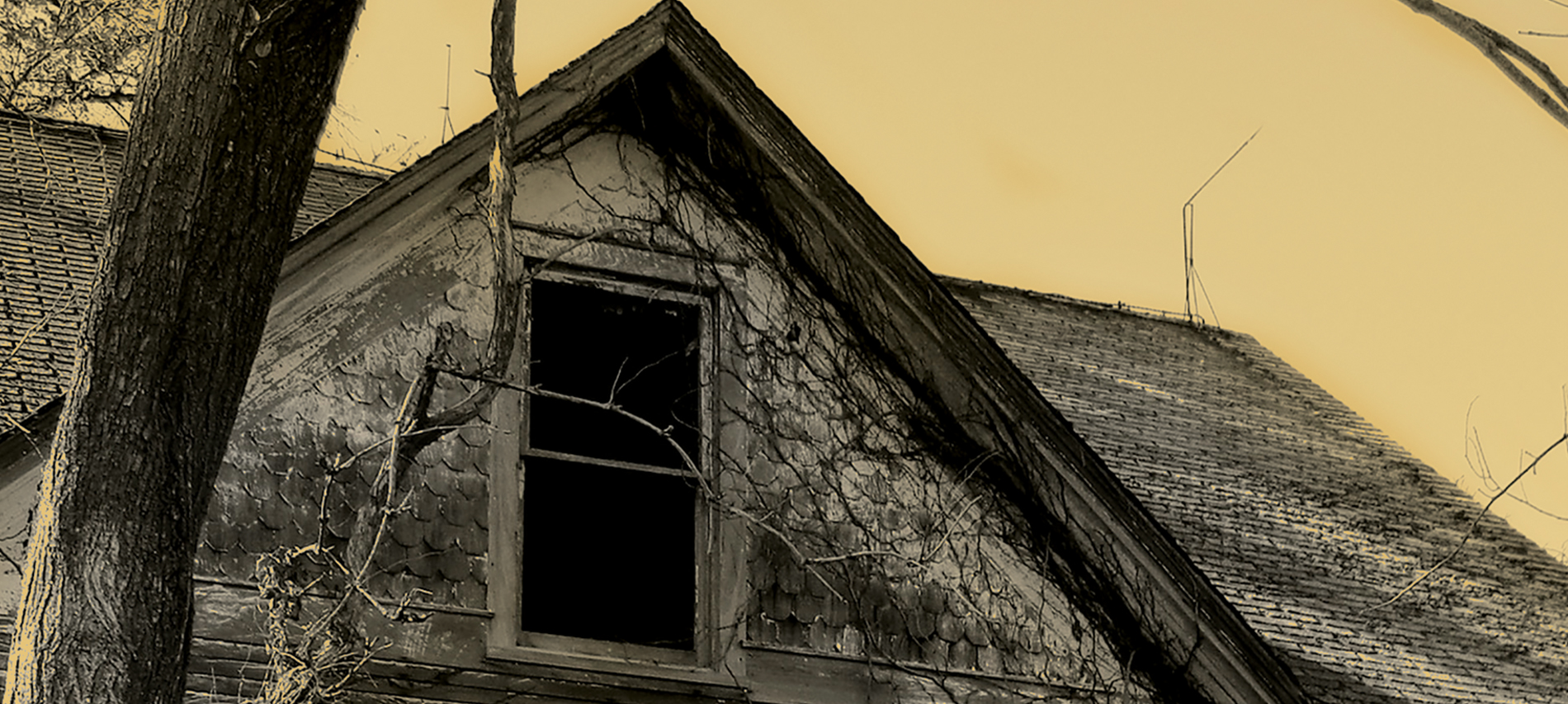
Have you ever felt someone was watching you, even though you are all alone? Shinie Antony’s ‘Boo’ is a collection of thirteen well-crafted paranormal tales, each uniquely haunting in its own way. The stories penned by Shashi Deshpande, K.R. Meera, Jerry Pinto, Durjoy Datta, and many other illustrious names are sure to send a chill down your spine.
Here’s an excerpt of the introduction of the book.
The unknown has always beckoned. Infinite, cobwebby, black as the night, silent as the grave, what we cannot see hear touch. What, furthermore, is perhaps not alive.
My own experiences of the uncanny stay mine; fear takes me where it will. There were whispers without words and things I almost saw. And unlike what I always thought, squeamish as I am and lily-livered, these semi-happenings did not creep me out. Sometimes I saw them as other-worldly warnings, sometimes they were not meant to be seen and my eye had somehow breached a divide, sometimes my mouth formed words I did not mean to say . . .
The paranormal has many subgenres, but of these it was not the occult, poltergeists or screams of the possessed that brought me to these stories, but the psychological thrill. The mind is where it all begins. The mind is where it lives. This feeling that there’s something out there—and it is on to us. It knows that we know. And we must forever pretend we don’t know, not catch its eye—even when it is looking straight at us.
The gothic charm of K.R. Meera’s story, the sweet smell of onions in Kanishk Tharoor’s tale, the burden of hindsight in Shashi Deshpande’s mythofiction, the menacing narrator in Jerry Pinto’s story—they all bring in the supernatural slyly, stylishly. Durjoy Datta, Jahnavi Barua, Manabendra Bandyopadhyay, Kiran Manral and Jaishree Misra give us the old-fashioned traditional ghost story, the one where the banshee sighs or screams. While Ipsita Roy Chakraverti decodes a message from the beyond, Madhavi S. Mahadevan and Usha K.R. take us to places where the backstory is everything.
We wouldn’t be here—you reading this, me writing this—if we didn’t know. Despite science, reason and a raised eyebrow. Deep in our bones, when all falls silent, there is a knowing that precedes births and lingers after deaths. It lifts the hair at the nape of our neck; it stares at us, infatuated, from behind stairs; prescient, it invades our very rocking chair, replacing peace and calm with a restless zigzag; it rotates its head 360 degrees when we aren’t looking.
It doesn’t dispel though we move on, go our ways, live lives, love and let go. What is it that shifts just beyond our vision? Who listens when we talk in our heads? When does dark get just that little bit darker? Why that word on the billboard—the same word we just finished thinking about? And then bumping into the very person we thought of after a hundred years only that morning . . .
What do we know about ourselves besides incidents and milestones and birthdays and heartbreaks, what do we know of that which cannot be known? It is there in a photograph or painting you see—the feeling that you’ve been there before, seen that face somewhere. We are here but we are elsewhere too.
A haunting. Begins as a catch in the side, a stiff neck, a hunch, a bad feeling, pins and needles, an eye twitch, sleep talk, a leg gone numb, vertigo, spasms, heart that trebles its beat, a smell, a chill, a spell, a tingle, dreaming the same dream, a sudden vision of what’s to come, waking at 3.33 a.m., a song no one else can hear, the sound of breathing when we hold our breath . . .
We are never alone, are we?
