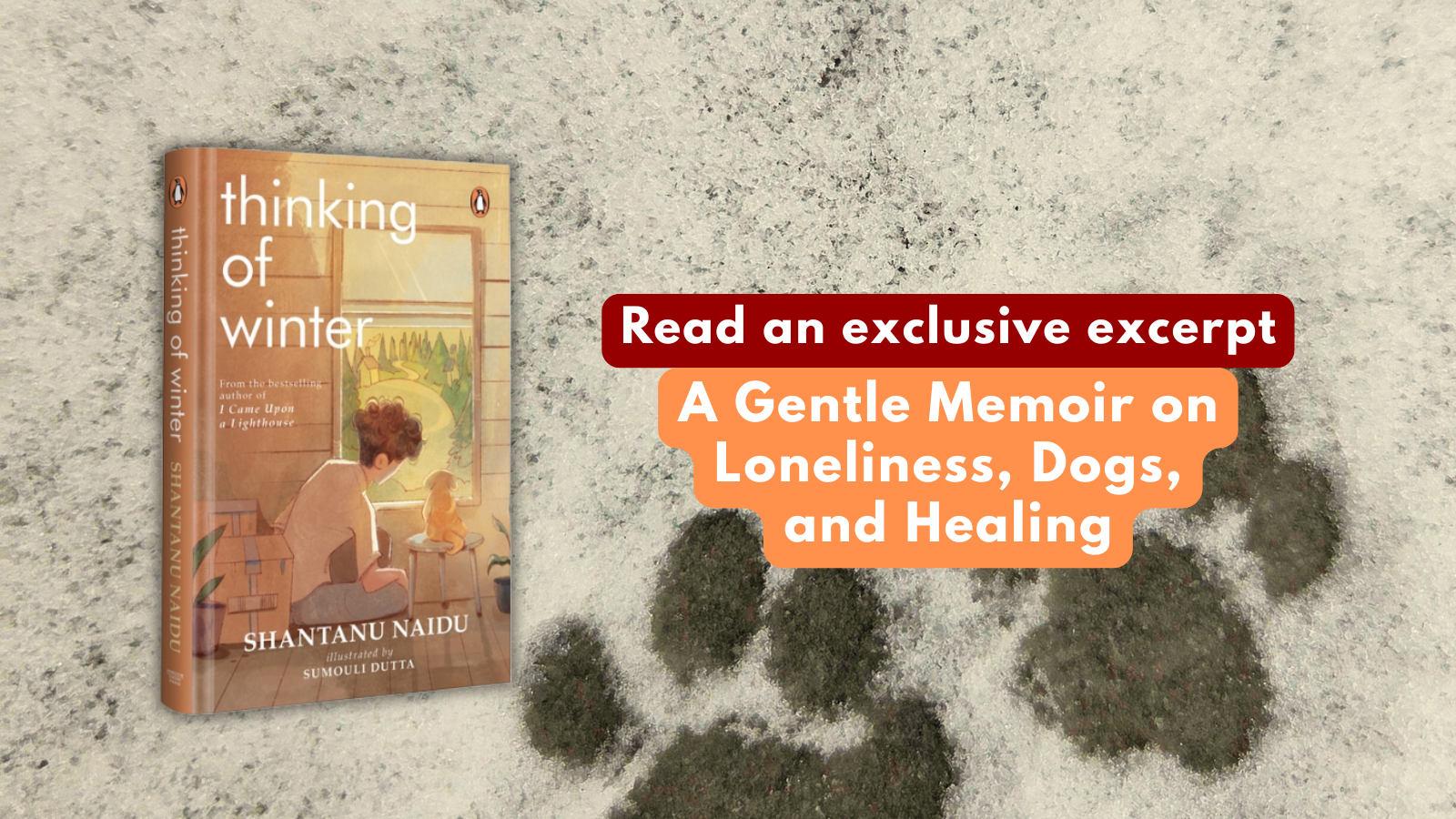
In Thinking of Winter, Shantanu Naidu reflects on isolation, responsibility, and the small, life-altering choices we make in moments of despair. The following excerpt captures the quiet transformation that begins when Winter enters his life.
Know more!
***
People do selfish things when they are lonely. I don’t know if that justifies it, but I did them too.
In the eighth month of university, all the love letters posted abroad were spent, all the attempts to make friends had failed, and all that there was to do at the end of every day at Cornell, was to look in the mirror in disbelief: This was not how I thought it would be.
I would like to believe that a lot of smaller breakdowns over a longer period of time lead to a single moment that brings you to your knees and makes you give up once and for all. It can be losing your keys, or a phone call that wasn’t picked up, or missing the last bus home.
But what did ‘giving up’ even mean? There was a library of answers to that question. I, however, chose the most selfish one.
His name, was Winter.
Let’s be abundantly clear. Bad dogs do not exist. This is a blanket rule. There are no bad dogs, and we could, of course, delve deeper into unpacking this and talk about bad parenting and other reasons for some dear souls come to have behaviours that make them seem like bad boys, but for now, we’re just going to establish the inexistence of bad dogs.
I am in favour and support of a very large community of human beings who greet every dog with ‘whoozagoodboy’’ and sure enough the answer is and always should be, hesagoodboy.
But not Winter, no. A few million times during this story I will remind you with sweet frustration that I simply do not know what it was: genetics, soul, character or maybe something beyond our limited understanding of the world. But I do not know what was wrong with Winter.
Winter was a golden retriever, a runtof-the-litter puppy in a far-off town called Moravia while I studied in Ithaca. Forsakenness had me ride there, claim him one night in the fall of 2016, and bring him home a month later with the only friend I had: a Taiwanese introvert called Wen-Ko.
In the first week of Winter in my student apartment, while I contemplated daily whether I was even remotely capable of taking care of another life, Winter was busy stuffing himself in every gap that could be defined as one, even the ones that barely qualified. The only way to find him was to spot an absolute bushy butt sticking out of one place or the other. Some days easy to spot, some days laying still, waiting to be discovered, or worse, rescued.
As the urine stains on the carpet began to stay as contemporary art forms, depending on how hard you squinted, me and Wen would sit amidst them, saying very little but with the shared activity of looking at whatever Winter was up to in the room. Which, of course, was identifying gaps and stuffing himself in them.
Wen, a germophobe, who likes every aspect of her life in complete order, would watch in silence as Winter would create another pee spot next to her. Wen, the germophobe, would say nothing. As one loner to another, she accepted, in not so many words or any words, the reason why Winter was there in the first place. Her being there with us a was a strong nod in my direction saying, ‘If this is what will rescue you, I will support it.’
The Barron’s dog bible on golden retrievers that I had picked up in Boston instead of attending a job interview had me brace myself for what was to come after pee spots: poop on the carpet, furniture chewing, destroyed shoes, destroyed cables, lots of biting—unruly, unhinged, drunk puppy behaviour—and I was very ready for the damage. My roommate, on the other hand, was unaware, let alone prepared.
But it never happened.
Shoes stayed intact and the furniture unbothered. Cables right where I left them. Not a bark or a whimper. Nor a bite or a scratch. And while I waited patiently, anticipatingly almost, for Winter’s standard puppy phase, he seemed to have missed the memo.
***
Get a copy of Thinking of Winter from Amazon or wherever books are sold.
The only thing that makes the most sense is that a new month calls for new books! While you look to ace your summer look, don’t forget to carry a book. We’re here to help you find your perfect book match with our list of new releases. So, scroll through these titles that come highly recommended by us.
Small Wins Every Day by Luke Coutinho
Small Wins Every Day || Luke Coutinho
Nothing is as daunting as a goal. Many of us struggle with achieving them – be it in life, health, love and career. When you set unrealistic goals and keep failing, your intelligently designed brain tries to protect you from the pain and negative emotions that come with failure.
In Small Wins Every Day, Luke Coutinho presents a simple premise with powerful results, teaching you to rewire your brain for success. The hack? Break down your goals into small wins that you can achieve every day. Stacked over time, these contribute to significant lifestyle changes, good health and happiness.
Simple and bite-sized but packed with a punch, here are 100 wins to change your life.
Faf Through Fire by Faf Du Plessis
Faf Through Fire || Faf Du Plessis
Faf through Fire is far more than just a book about cricket. It is the story of a man who happened to play the sport at the highest level.
This brutally honest, fascinating, introspective work provides a unique insight into the mind and heart of one of South Africa’s most interesting and charismatic cricketers. There is the public persona-the tattooed, fashion-conscious, mentally tough, immensely popular and yet, at times, misunderstood Du Plessis. And then there is the authentic Faf. It took him years to connect with this side of himself, but when he did, it shaped his relationships with people and, ultimately, his captaincy of the Proteas.
In this book, Du Plessis lays bare the story of his growth, from a youth with a questionable moral compass outside of cricket to a leader known for his integrity, values, honesty and empathy for his teammates. He reflects on how influential leaders, such as Gary Kirsten, Stephen Fleming, Doc Moosajee, Graeme Smith, A.B. de Villiers, Owen Eastwood, Russell Domingo, Ottis Gibson and M.S. Dhoni, helped mould him into a man who leads with grit, purpose and a love of people.
The Roof Beneath Their Feet by Geetanjali Shree, Rahul Soni
The Roof Beneath Their Feet || Geetanjali Shree, Rahul Soni
In this beautifully crafted novel, roofs have a special place; they are meant for wild things, for romance and for play, they are places to dry pickles and grains while exchanging gossip about quiet caresses. But above all, they are realms of freedom. In The Roof Beneath their Feet, Chachcho and Lalna use their roofs to build a friendship that transcends time and memory. Suddenly one day, Lalna has to leave, to return only after Chachcho’s passing. Amidst rumors and gossip in the neighborhood, Chachcho’s nephew tries to piece together his memories of the two women, one of whom is his mother. The truth he is searching for could destroy him forever, but to not find out is no longer an option. A story of twists and turns, The Roof Beneath Their Feet, translated from the original Hindi by Rahul Soni, is easily one of the best contemporary novels you have read in a long time.
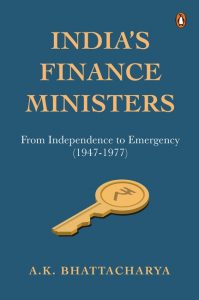
India’s Finance Ministers by A.K. Bhattacharya
India’s Finance Ministers || A.K. Bhattacharya
Independent India has so far witnessed twenty-eight finance ministers. But only a handful of them could leave their mark on the exchequer or North Block, the headquarters of the Indian finance ministry. From Independence to Emergency: India’s Finance Ministers 1947-1977 is the story of India’s unforgettable finance ministers who shaped India’s economy in the first thirty years after Independence. The book highlights the significant difference that these finance ministers made to the management of the Indian economy and to the policy evolution of the government, and who thus left an indelible mark on the psyche of Indian citizens. It attempts to measure the impact these decisions left, not only on India’s economic system but also on its political system, and looks at to what extent the decisions were influenced by the socio-economic backgrounds of the finance ministers.
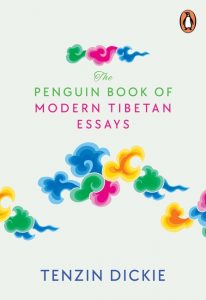
The Penguin Book of Modern Tibetan Essays by Tenzin Dickie
The Penguin Book of Modern Tibetan Essays || Tenzin Dickie
The Penguin Book of Modern Tibetan Essays is a groundbreaking anthology of modern Tibetan non-fiction. This unprecedented collection celebrates the art of the modern Tibetan essay and comprises some of the best Tibetan writers working today in Tibetan, English, and Chinese.
There are essays on lost friends, stolen inheritances, prison notes, and secret journeys from-and to-Tibet, but there are also essays on food, the Dalai Lama’s Gar dancer, love letters, lotteries and the Prince of Tibet. The collection offers a profound commentary not just on the Tibetan nation and Tibetan exile, but also on the romance, comedy and tragedy of modern Tibetan life. For this anthology, editor and translator Tenzin Dickie has commissioned and collected 28 essays from 22 Tibetan writers, including Woeser, Jamyang Norbu, Tsering Wangmo Dhompa, Pema Bhum and Lhashamgyal.
Lost to the World by Shahbaz Taseer
Lost to the World || Shahbaz Taseer
In late August of 2011, Shahbaz Taseer was driving to his office in Lahore, Pakistan when he was dragged from his car at gunpoint and kidnapped by a group of Taliban-affiliated terrorists. Just seven months earlier, his father, Salman Taseer, the governor of Punjab Province, had been shot dead by his guard for speaking out against Pakistan’s blasphemy laws.
For almost five years Shahbaz was held captive, moved ever-deeper into the lawless Hindu Kush, frequently tortured and forced to endure extreme cruelty, his fate resting on his kidnappers’ impossible demands and the uneasy alliances between his captors, the Taliban and ISIS.
Lost to the World is the remarkable true story of Taseer’s time in captivity, and of his astonishing escape. It is a story of extraordinary faith, bravery and sorrow, with moments of kindness, humour and empathy, offering a hopeful light in the dark years of his imprisonment. While deeply harrowing, this tale is also about resilience. Taseer countered his captors’ narrative of a holy war by immersing himself in the Quran in search of hope and a means to see his own humanity under even the most inhumane conditions, and ultimately to find a way back to his family.
The Case for Nature by Siddarth Shrikanth
The Case for Nature || Siddarth Shrikanth
Our planet is facing not one but two crises.
In a world where carbon emissions and climate financing are rightly rising up the agenda, there exists another catastrophe that is often overlooked but just as dire-the global collapse of our ecosystems. Siddarth Shrikanth’s The Case for Nature presents a compelling vision for tackling this other crisis by rethinking our relationship with nature in economic, social, and even personal terms. Shrikanth argues that we can create flourishing economies and societies by preserving and restoring our planet’s ‘natural capital’ and introduces the pioneers of this nature-positive revolution with vivid examples from across the world. But he also calls on readers to reflect on the roots of this crisis, drawing upon indigenous world views to show that nature must be woven into our modern societies, not set apart.
By offering a hopeful yet deeply pragmatic perspective on how we can exist in harmony with our living planet, The Case for Nature is a must-read for anyone seeking to understand how nature can help us forge a more sustainable future and what they can do to contribute to this vision.
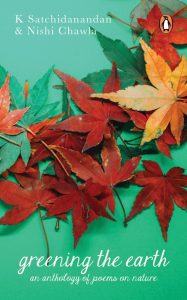
Greening the Earth
Greening the Earth
Greening the Earth is a rare anthology that brings together global poetic responses to one of the major crises faced by humanity in our time: environmental degradation and the threat it poses to the very survival of the human species. Poets from across the world respond here in their diverse voices-of anger, despair, and empathy to the present ecological damage prompted by human greed, pray for the re-greening of our little planet and celebrate a possible future where we live in harmony with every form of creation.
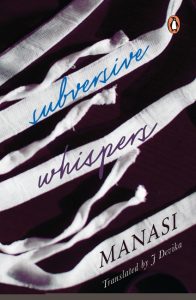
Subversive Whispers by Manasi
Subversive Whispers || Manasi
Manasi is a stalwart of Malayalam literature. With her unparalleled feminist writing and powerful voice, she has mastered the art of telling radical short stories. Through Subversive Whispers, a collection of some of her best work, she continues to defy patriarchy, question Brahminical hegemony and push narratives that subtly yet fervently challenge the status quo. The book introduces readers to the irreverent ‘Sheelavathi’, which explores the Madonna-Whore complex in a uniquely local context, ‘Devi Mahathmyam’, which sheds light on the price that women pay for being goddesses in mere name and stories such as ‘Spelling Mistakes’, ‘Square Shapes’ and ‘The Walls’, all of which explore romantic love with a piercing realism.
In stark and urgent murmurs that build up a fever pitch, these stories channel women’s voices that open up their inner worlds, struggling to capture the minutiae of their suffering. It is this whisper-like quality of Manasi’s storytelling that J Devika deftly conveys in translation, bringing the author’s prose to the English reader in an incendiary collection that is sure to cast light on the darkened chambers of patriarchy and the hidden recesses of women’s minds.
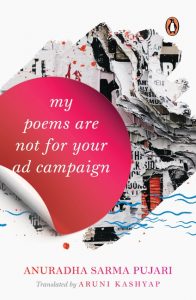
My Poems Are Not for Your Ad Campaign by Aruni Kashyap, Anuradha Sarma Pujari
My Poems Are Not for Your Ad Campaign || Aruni Kashyap, Anuradha Sarma Pujari
In a recently liberated economy characterized by speed, the commodification of women’s bodies, and consumerist culture, Bhashwati is an increasingly disillusioned misfit who has, ironically, just started working in an advertising firm. But her life changes one day when she finds out about the mysterious Mohua Roy – a former copywriter of the company, whose desk Bhashwati now uses. The company employees remain tight-lipped about Mohua – who left abruptly for reasons unknown. Upon finding a poem written by Mohua, Bhashwati decides to search for her. This takes Bhashwati to Calcutta’s lanes where she meets people who sacrificed immensely for the same values that she finds eroded in a developing India. Who is Mohua Roy and why is there a net of silence around her very existence? Will Bhashwati find Mohua? Will she leave her job, just like Mohua?
First published in 1997 in Assamese, Hriday Ek Bigyapan, was an instant bestseller, selling thirty-two reprints in the next ten years. By taking a close look at the newly globalized India of the nineties from a feminist lens, it poses questions about modern urban life that few Indian novels have been able to, questions that are still relevant today. Aruni Kashyap’s seamless translation from the Assamese makes this a must read.
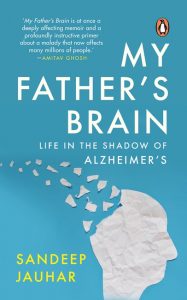
My Father’s Brain by Sandeep Jauhar
My Father’s Brain || Sandeep Jauhar
There may be up to 10 million Indians living with Alzheimer’s disease or related dementias, and that number is expected to increase dramatically in the next few decades. What is it like to live with and amid this increasingly prevalent condition-an affliction that some fear more than death? In My Father’s Brain, the distinguished physician and author Sandeep Jauhar sets his father’s descent into Alzheimer’s alongside his own journey toward understanding this disease and how it might best be coped with, if not cured.
In an intimate memoir rich with humour and heartbreak, Jauhar relates how his immigrant father and extended family felt, quarrelled, and found their way through the dissolution of a cherished life. Along the way, he lucidly exposes what happens in the brain as we age and our memory falters and explores everything from the history of ancient Greece to the most cutting-edge neurological-and bioethical-research. Throughout, My Father’s Brain confronts the moral and psychological concerns that arise when family members must become caregivers, when children’s and parents’ roles reverse, and when we must accept unforeseen turns in our closest relationships and in our understanding of what it is to have a self. The result is a work of essential insight into dementia, and into how scientists, caregivers, and all of us in an aging society are reckoning with the fallout.
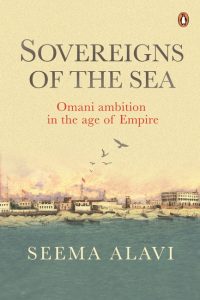
Sovereigns of the Sea by Seema Alavi
Sovereigns of the Sea || Seema Alavi
This definitive book on the Sultans of Oman is a thrilling historical account of their action-packed battles, daring expeditions, epic triumphs and ingenious politics in the long nineteenth century. It puts the optic of ‘micro-history’ on their fascinating lives as they navigated the geopolitics of their time and propelled the politics of the Western Indian Ocean. It offers a comprehensive and in-depth examination of the ambitions of the Omani patriarch Sultan Sayyid Saiid and his four sons and shows how integral they were to the political culture of the region.
Keeping a sensitive finger on the specific temporal and spatial moments in the maritime space that they navigated, it explores their key role in shaping the politics of the Ocean and nurturing the Omani Sultanate on their terms. The groundbreaking narrative sheds light on the role of the Sultans as agents of change, challenging the Eurocentric narrative that views the Indian Ocean as framed in the history of western imperialism and capitalism alone.
In addition to its academic rigour, the book is easy to read and engaging, making it an ideal resource for students, scholars and anyone with an interest in the history of the Indian Ocean, the Middle East and South Asia. Its fresh perspective and insightful analysis make it an invaluable contribution to the fast-growing field of Indian Ocean Studies.
The Feluda Journal by Satyajit Ray
The Feluda Journal || Satyajit Ray
Felu, the super sleuth, is the nickname of Pradosh C. Mitter. Although Satyajit Ray wrote Feluda stories for the largely younger readers, soon it was found that they were being read by their parents as well. Soon longer stories followed-novelettes-taking place in a variety of picturesque settings.
From the historical setting of Lucknow-to solve the mystery of diamond ring, which once belonged to the Mughal emperor Aurengzeb-to the Blue Beryl of Kailash Chowdhury, this is the first-ever Feluda journal, which opens a window to unseen archiving materials, illustrations and rare publicity stills created by Ray.
A companion journal to scribble your thoughts, this collector’s edition brings to light the ever-popular adventures of Satyajit Ray’s enduring creation, Feluda!
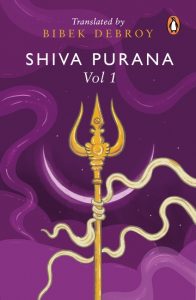
Shiva Purana Volume 1 by Bibek Debroy
Shiva Purana Volume 1 || Bibek Debroy
The Shiva Purana is the fifth book in an eighteen-part series on the sacred Hindu texts known collectively as the Puranas. Translated with great rigor and precision, Bibek Debroy recounts the tales of creation and the many myths that surround Lord Shiva in twenty-four thousand shlokas and an introduction that simplifies the myth and history of the Puranas.
Brimming with insight and clarity, this translation presents readers with an opportunity to truly understand classical Indian texts. Previous translations by Bibek Debroy include the Bhagavata Purana, the Markandeya Purana, the Brahma Purana, and the Vishnu Purana.
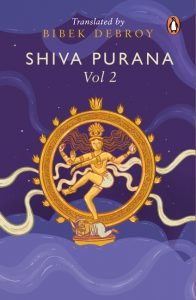
Shiva Purana Volume 2 by Bibek Debroy
Shiva Purana Volume 2 || Bibek Debroy
The Shiva Purana is the fifth book in an eighteen-part series on the sacred Hindu texts known collectively as the Puranas. Translated with great rigor and precision, Bibek Debroy recounts the tales of creation and the many myths that surround Lord Shiva in twenty-four thousand shlokas and an introduction that simplifies the myth and history of the Puranas.
Brimming with insight and clarity, this translation presents readers with an opportunity to truly understand classical Indian texts. Previous translations by Bibek Debroy include the Bhagavata Purana, the Markandeya Purana, the Brahma Purana, and the Vishnu Purana.
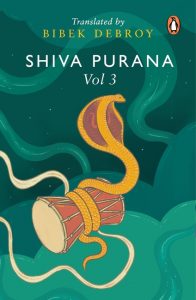
Shiva Purana Volume 3 by Bibek Debroy
Shiva Purana Volume 3 || Bibek Debroy
The Shiva Purana is the fifth book in an eighteen-part series on the sacred Hindu texts known collectively as the Puranas. Translated with great rigor and precision, Bibek Debroy recounts the tales of creation and the many myths that surround Lord Shiva in twenty-four thousand shlokas and an introduction that simplifies the myth and history of the Puranas.
Brimming with insight and clarity, this translation presents readers with an opportunity to truly understand classical Indian texts. Previous translations by Bibek Debroy include the Bhagavata Purana, the Markandeya Purana, the Brahma Purana, and the Vishnu Purana.
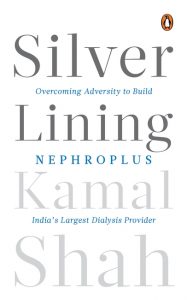
Silver Lining by Kamal Shah
Silver Lining || Kamal Shah
In 1997, Kamal Shah’s world turned upside down. On his way to study in the US, Shah was completing the formalities for a student visa, which included preventive vaccinations for hepatitis, typhoid, measles, mumps and rubella. He developed a slight fever following his shots, which he dismissed as a normal side effect. Within twenty-four hours, Shah was forced to rethink. His condition deteriorated overnight, prompting an emergency rush to the hospital. Further tests revealed the unimaginable: an atypical hemolytic uremic syndrome (AHUS). Kamal needed a kidney transplant.
A year of painful haemodialysis later, Kamal underwent a renal transplant. His mother had donated her kidney to her son, in the hope that he could survive. The surgery was unsuccessful. In the last decade and a half, Kamal has switched between peritoneal and home dialysis. It has been a painful, terrifying journey, documented painstakingly on his personal blog. That blog was the kernel for NephroPlus, a company that was born from Kamal’s desire to ensure that dialysis became accessible for every patient. Kamal Shah is still on dialysis, but it has not dimmed his hope or his belief that being diagnosed with terminal kidney disease is not the end of life, nor can it prevent you from living the life you want to live. That hope has been the driving force behind NephroPlus.
Today, NephroPlus is one of Asia’s leading dialysis networks with 320+ centres across 4 countries, including India, Nepal, the Philippines and Uzbekistan. This is a unique business memoir, with a strong, moving touch of the deeply personal. Kamal writes with raw honesty about pain and fear and the darker side of healthcare in India. Yet this is also a story of faith, of grit and determination and, ultimately, of success.
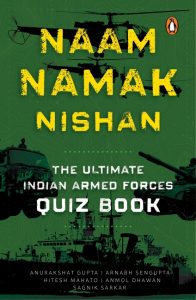
Do you know why the Indian Navy counts ‘One, Two, Six’ instead of ‘One, Two, Three’ while doing group tasks? Or that the Intelligence Bureau was set up in response to an assassination? Or that a Frenchman who had served three nations before turning thirty eventually rose to become the most powerful general of the Marathas? Or that an army man gave his name to the highest mountain without ever having set foot on it?
Find out the answers to these and more as a team of quizzer-doctors from the Armed Forces Medical College (AFMC) Pune takes you on a journey across 250 questions, exploring trivia that connects the Indian Armed Forces to topics ranging from mythology, history, and art to geography, fashion, and sport.
This and more in a quiz book will help you see the Indian Armed Forces through a lens you might never have seen before.
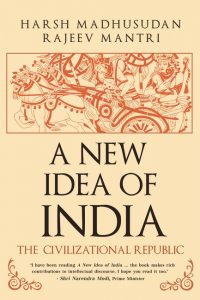
A New Idea of India by Harsh Madhusudan, Rajeev Mantri
A New Idea of India || Harsh Madhusudan, Rajeev Mantri
For the better part of seven decades after independence, the Nehruvian idea of India held sway in India’s polity, even if it was not always in consonance with the views of Jawaharlal Nehru himself. Three key features constituted the crux of the Nehruvian way: socialism, which in practice devolved to corruption and stagnation; secularism, which boxed citizens into group membership and diluted individual identity; and non-alignment, which effectively placed India in the Communist camp.
In the early Nineties, India began a gradual withdrawal from this path. But it was only in 2019, with Narendra Modi’s second successive win in the general elections, that this philosophy is finally being replaced by a worldview that acknowledges India as an ancient civilization, even if a young republic, and that sees citizens as equal for developmental and other purposes.
A New Idea of India constructs and expounds on a new framework beyond the rough and tumble of partisan politics. Lucid in its laying out of ideas and policies while taking a novel position, this book is illuminated by years of research and the authors’ first-hand experiences, as citizens, entrepreneurs and investors, of the vagaries and challenges of India. This revised edition builds on some of the arguments of the earlier edition and brings things up-to-date.
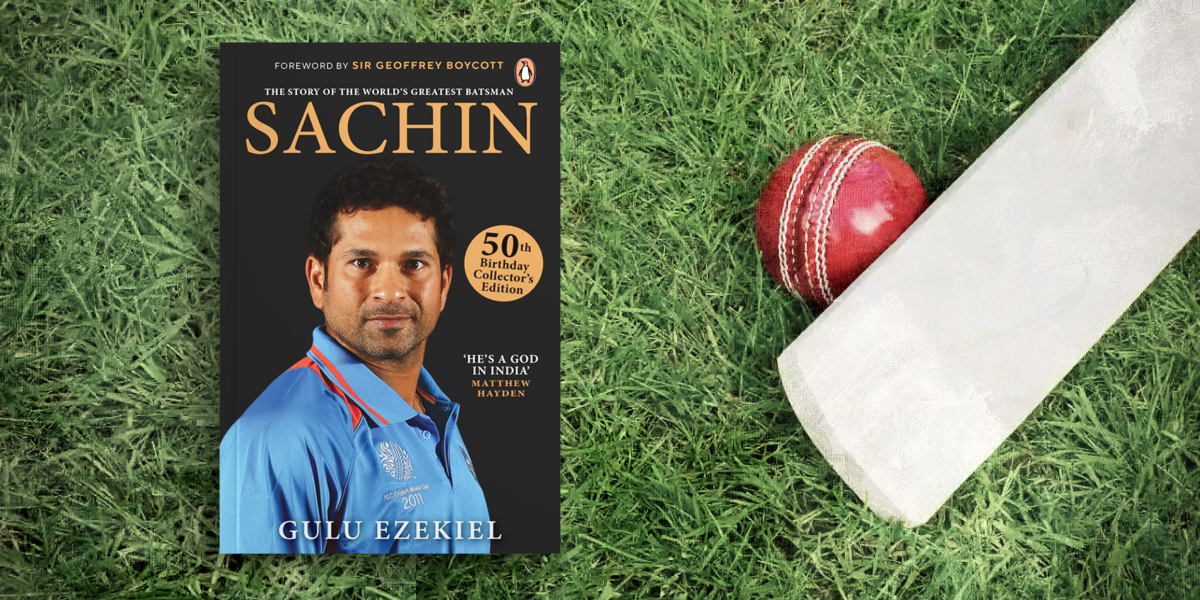
Imagine a young boy with a dream, a passion for cricket, and an unwavering determination to excel. That boy, hailing from the bustling streets of Mumbai, would go on to become a legend in the world of cricket, capturing the hearts of millions around the globe with his unmatched talent and sheer love for the game. With a career spanning over two decades, he has broken records and left an indelible mark on the sport’s history. He is the “God of Cricket” – a name that resonates with cricket aficionados and inspires awe in the hearts of fans worldwide. He is Sachin Tendulkar.
Gulu Ezekiel’s book Sachin: The Story of the World’s Greatest Batsman traces the life and achievements of Sachin Tendulkar. He has made more than 33,000 runs in international cricket, which is the highest number of runs to be scored by any cricketer. Dive into this excerpt and find out another reason that makes him the greatest batsman.
Sachin: The Story of the World’s Greatest Batsman || Gulu Ezekiel
*
A lot happened between March 2012 and November 2013 in the life and times of Sachin Ramesh Tendulkar.
First came his much-awaited 100th international century (Tests and ODIs combined) in the Asia Cup against Bangladesh at the Sher-e-Bangla National Stadium in Mirpur, Dhaka on March 16. That was followed 20 months later by his final match in India colours, the second and final Test versus West Indies at Wankhede Stadium, Mumbai.
It was the 200th Test match of his career, a landmark that had never been achieved before. But there was plenty of action and drama in between as well. This included being a member of the Mumbai Indians squad under the captaincy of Rohit Sharma that won the IPL title for the first time in May 2013.
But back to March 2012…it was just over a year since his previous international century which had come in Nagpur against South Africa in the World Cup. The lean trot ended after 33 innings without a ton and a hugely relieved Tendulkar said after his century: “Dreams do come true. We won the World Cup after 28 years last year.”
The media and public were seemingly hanging on to his every inning and run as the team Down Under slid from one massive defeat to another in 2011-12 as the New Year unfolded.
By the end of the fourth and final Test at Adelaide, the rout was complete. India was whitewashed 4-0 just as they had been in the summer of 2011 in England. Eight overseas Test defeats in a row—Indian cricket had sunk to a new low and the fans were livid.
But the 100th century helped erase all that as the nation and the cricket world celebrated.
Tendulkar’s 51st Test century had come in the third Test against South Africa at Cape Town in January 2011. It would be the last Test 100 of his career. By the start of his final Test in November 2013 against West Indies in Mumbai he had gone 39 innings without another hundred.
The penultimate Test was at Kolkata. It was over in just three days, India winning by an innings with Tendulkar out for 10.
The circus moved onto its final leg in Mumbai. The whole city was agog and there was a mad rush for tickets. Finally, the day dawned, November 14, 2013. West Indies were asked to bat and collapsed for a measly 182. The crowd was buzzing. Would they get a chance to see their hero bat on the first day itself?
The moment arrived at the fall of the second wicket. At precisely 3.35 pm all eyes in the stadium turned to watch Tendulkar exit the dressing room to come out to bat in what would be his final time.
By stumps on the first day, India reached 157 for two, Tendulkar on 38 from 73 balls.
Overnight the frenzy built up to fever pitch. Could Tendulkar bow out in style with a century? There was massive anticipation and excitement on the second morning as he reached his fifty.
But it was too good to last. The first over after the drinks break marked one hour of play and Tendulkar was gone for 74, caught Darren Sammy bowled Narsingh Deonarine. The dream was over…unless India and The Hero batted a second time.
That was not to be. India piled up 495, a massive lead of 313 runs. West Indies’ second innings was only marginally better, 187 all out and the Test was done and dusted by the third day.
As the last wicket fell, Tendulkar threw up his arms in joy, grabbed a souvenir stump and hugged everyone including the umpires. The Indian team gave him a running guard of honour as he left the field of play for the final time in India colours. The West Indians came onto the field to shake his hand. Fireworks were set off and the presentation ceremony was set up. Once the tedious formalities were completed, the chants of ‘Sachin Sachin’ which echoed around grounds worldwide for over two decades reached a crescendo. It was time for the farewell speech.
With him was a list of people to thank. No one was forgotten. Watching on wife Anjali and children Sara and Arjun were in tears. In fact, there was not a dry eye in the house.
It was announced the government was conferring the nation’s highest civilian honour, the Bharat Ratna on Tendulkar, the first sportsperson to receive it. And while he keeps himself busy with his charitable foundation and sports management agency, perhaps nothing could have given him more joy than seeing his son Arjun score a century on his first-class debut for Goa versus Rajasthan in the Ranji Trophy at Porvorim on December 14, 2022, thereby emulating his proud father.
**
Become a fan of Sachin Tendulkar by getting a copy of Sachin: The Story of the World’s Greatest Batsman from Amazon.
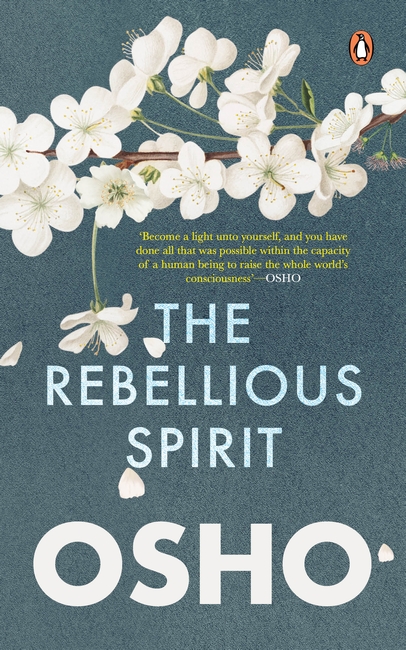
‘The rebel is one who lives according to his own light, moves according to his own intelligence. He creates his path by walking on it.’
– Osho
***
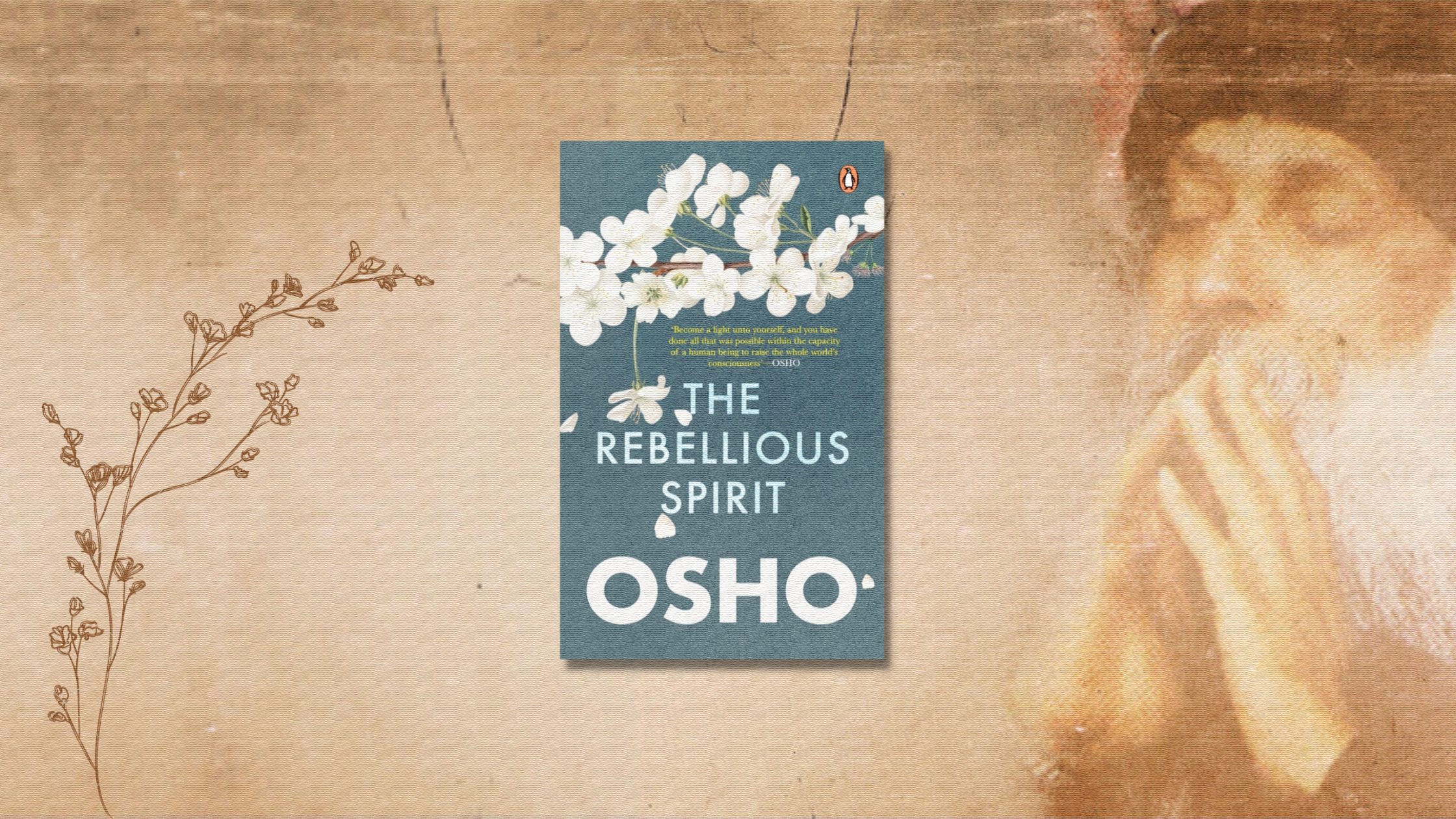
In The Rebellious Spirit, Osho addresses the spirit that dwells beneath our societal conditioning and fans a flame powerful enough to burn through layers of debris, allowing us to see with the enlightened being’s crystal-clear vision. This is a novel that will captivate you, make you laugh out loud, and give you the confidence to live your authentic life in the modern world.
Read this insightful excerpt from The Rebellious Spirit, a book in which Osho helps you become an enlightened being.
The Rebellious Spirit || Osho
***
I do not have any teaching. My life is that of a rebel. I do not have a doctrine, a philosophy, a theology to teach you. I have only my own experience of rebellion to share, to infect you with rebelliousness. And when you are a rebel, you will not be a copy of me, you will be a unique phenomenon in yourself.
All Buddhists are trying to be carbon copies of Gautama Buddha. He has a teaching: ‘If you follow this certain discipline, you will become just like me.’ All Christians are carbon copies—the original is Jesus Christ.
I don’t have any teaching, any doctrine, any discipline to give to you. My whole effort is to wake you up. It is not a teaching; it is just cold water thrown into your eyes. When you wake up, you will not find that you are like me, a carbon copy of me. You will just be yourself, neither Christian, nor Hindu, nor Mohammedan—a unique flower. There are no two persons alike. How can there be so many Christians? How can there be so many Buddhists? The whole of history is proof of what I am saying.
For twenty-five centuries, millions of people in the East have tried the discipline and the teaching of Gautama Buddha. But not a single one has been able to become a Gautama Buddha. Nature does not allow two persons to be the same. Nature is not an assembly line where cars are produced, so you can see hundreds and thousands of Fords coming off the assembly line; the same, exactly the same. Nature is very creative, very innovative. It always creates a new man. It has created millions and millions of people, but never two people the same. You cannot even find two leaves on a tree exactly the same, or two pebbles on the seashore exactly the same. Each has his own individuality.
I don’t have a teaching. But whatever I have experienced is a living phenomenon I share with you—not words, not theories, not hypotheses. I can give you as much closeness as you need. Just as when you bring an unlit candle close to a candle that is burning, there is a point where suddenly the fire jumps from the lit candle to the unlit candle. The lit candle loses nothing, and there has not been a transfer of any teaching, but a transfer of fire.
I would like to say that I don’t have any teaching, but I have a great fire in my heart, and whoever comes close to me becomes aflame. These people here are not my followers. They are just friends who are sharing in an experience that can burn all that is false in them, and can purify that which is their essential individuality, their authentic potential. This is an alchemical school, a school of mystery. I am not a teacher, I don’t have any ideas, concepts. But I have a life to share, I have a love to share, and to those who are ready, I am ready to give all that I have. And in no way will they be enslaved. The closer they come to me, the more they understand me, the more they will be themselves. That is the miracle.
I don’t believe that walking on water is a miracle—it is sheer stupidity. The real miracle is to wake you up, to bring the message of freedom to you—freedom from all fetters. I do not replace your imprisonment with new fetters and new chains, I simply leave you in the open sky. I fly with you for a little while so that you can gather courage.
***
Get your copy of The Rebellious Spirit by Osho on Amazon.
Looking for a book to accompany your cup of hot coffee these cold days? Here are our February favourites that are absolute page-turners!
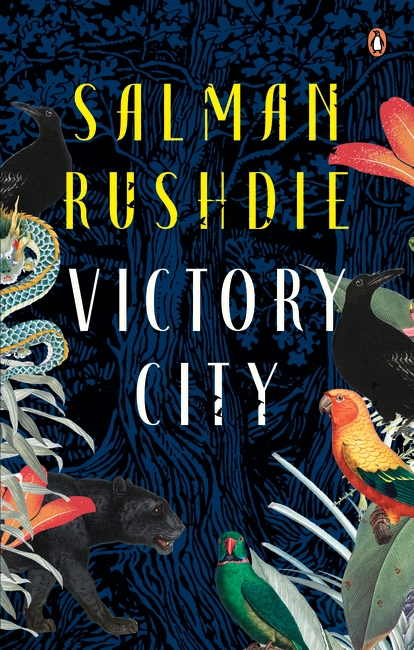
Victory City by Salman Rushdie
Victory City || Salman Rushdie
COMING SOON – from the magnificent mind of Booker Prize-winning, worldwide popular novelist Salman Rushdie comes the epic story of a woman who creates a mythical empire only to be destroyed by it over the years. This chronicle of love, adventure, and myth is brilliantly designed as a translation of a historic tale, and it is a monument to the magic of storytelling in and of itself.
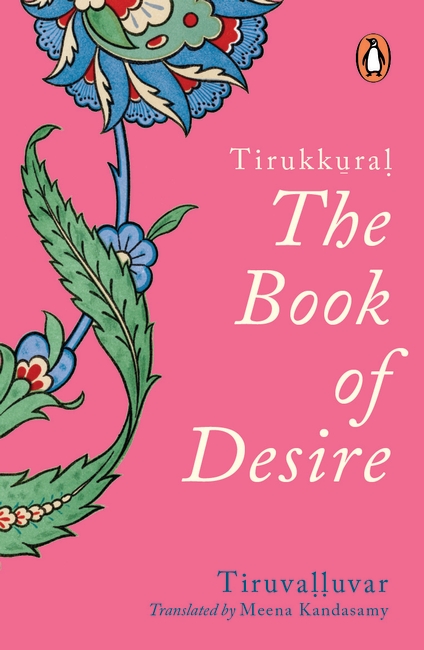
Tirukkural by Meena Kandasamy and Tiruvalluvar
Tirukkural || Meena Kandasamy, Tiruvalluvar
The Kamattu-p-pal, written by Thiruvalluvar, is the third portion of the Tirukkural, one of the most significant manuscripts in Tamil literature. The most intimate element of this wonderful work is also the one that has historically been most restricted.
Meena Kandasamy weaves a magical spell with her trademark wit, lyricism, and passionate insight: taking the reader on a journey through 250 kurals organized under separate headings – ‘The Pleasure of Sex,’ ‘Renouncing Shame,’ ‘The Delights of Sulking’ – the outcome is a brand new, crucial, and exhilarating translation that expresses meaningful messages about female sensuality, agency, and desire.
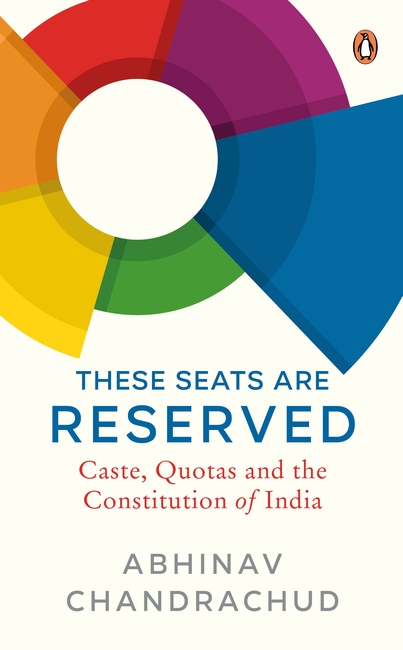
These Seats are Reserved by Abhinav Chandrachud
These Seats are Reserved || Abhinav Chandrachud
Reservation, often known as affirmative action, is a very contentious concept in India. While constitutionally mandated and supported by historians, political scientists, and social activists, many oppose it, seeing it as compromising ‘merit’ and going against the idea of equality of opportunity.
Abhinav analyzes the history and development of the reservation policy in These Seats Are Reserved. Having been thoroughly researched and expertly narrated, this volume is a captivating addition to any thinking person’s library.
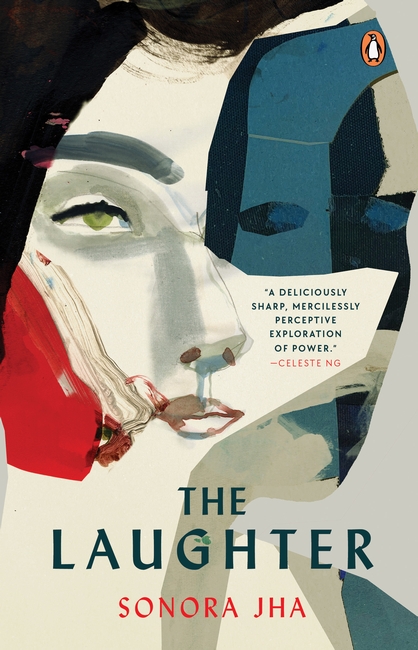
The Laughter by Sonora Jha
The Laughter || Sonora Jha
Sonora Jha has developed a fascinating figure who is both in sync with and out of sync with our times, an intellectual man who inspires and then questions our sympathies. As the novel draws to a close, Jha invites us to reconsider events, revealing a depth of loneliness in unexpected places, the individuality of youth, and the looming menace of white rage in America.
The Laughter, an explosive and tense piece of fiction, is a fascinating depiction of privilege, radicalization, class, and modern academia that compels us to confront our preconceptions as readers and citizens.
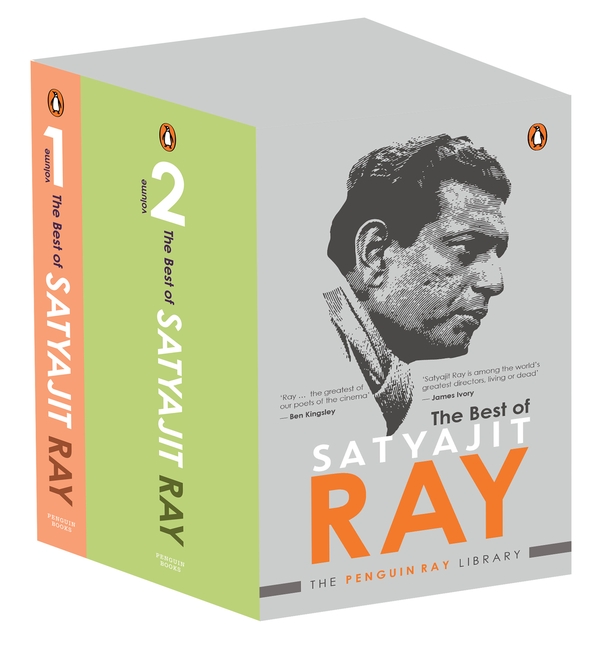
The Best of Satyajit Ray by Satyajit Ray
The Best of Satyajit Ray || Satyajit Ray
From Ray’s enduring creation, professional detective Feluda, to the narratives of Professor Shonku; short stories; writings on filmmaking; and opinions on world and Indian cinema, among many others, this box set, The Best of Satyajit Ray, is not only a treat for Ray enthusiasts but also a collector’s edition.
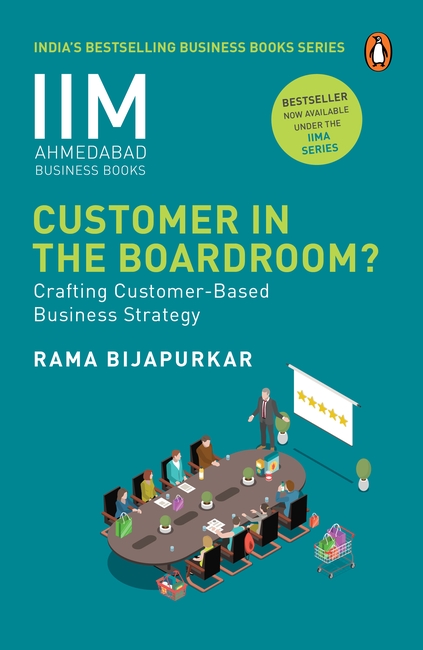
Customer in the Boardroom by Rama Bijapurkar
Customer in the Boardroom || Rama Bijapurkar
Most Indian organisations’ business strategies are characterised by supply-side, tunnel vision of the market, and compulsively competitor-centered methods. Customer in the Boardroom emphasises the importance of firms incorporating customer centricity into their business strategy formulation process if they are to continue to expand profitably and protect their future.
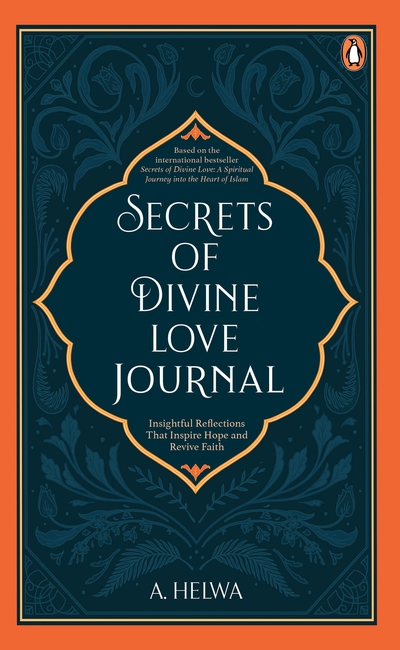
Secrets of Divine Love Journal by A. Helwa
Secrets of Divine Love Journal || A. Helwa
The Secrets of Divine Love Journal is based on the book Secrets of Divine Love: A Spiritual Journey into the Heart of Islam, which was published in 2008. Secrets of Divine Love Journal will help you establish a closer connection to Allah by uniting you with the heart of your faith in a more intimate and inspiring way through heart-centered thoughts, enlightening prompts, and thought-provoking questions.
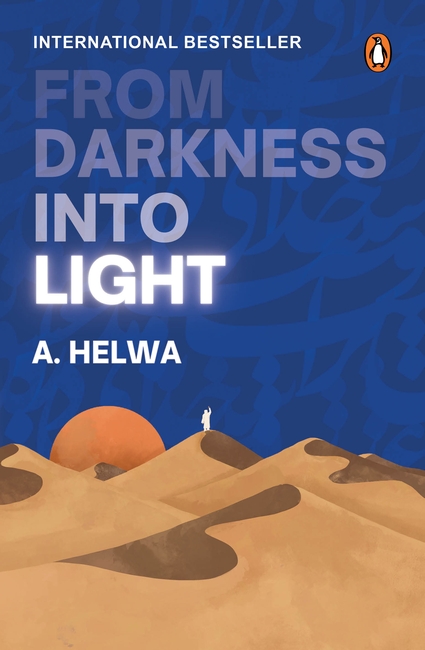
From Darkness into Light by A. Helwa
From Darkness into Light || A. Helwa
From Darkness into Light is a deeply moving collection of poetry on forgiveness, guidance, timeless wisdom, prayer, self-love, faith, and the ultimate journey of the soul to healing, connection, and unity with the One. This book was intended for individuals who want to embark on a spiritual journey. For individuals in search of hope, connection, and a meaningful relationship with Allah.
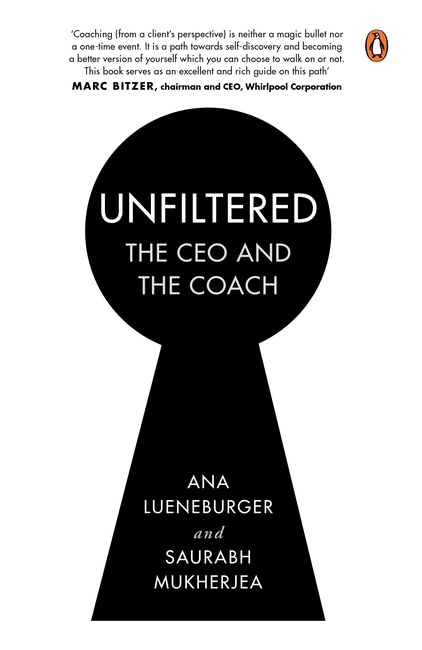
Unfiltered by Saurabh Mukherjea
Unfiltered || Saurabh Mukherjea
Unfiltered: The CEO and the Coach, a pioneering book, for the first time opens the doors that ordinarily shield the confidential world of coaching sessions. The book’s candour assists readers in completely grasping the life-changing influence that coaching may have. As a leadership development book, the writers share the tales (both individual and mutual) of their five-year collaboration. The resulting narrative includes not only unique ideas that executives and entrepreneurs will find valuable for their own development, but also deep insights into how we may master the world by understanding ourselves.
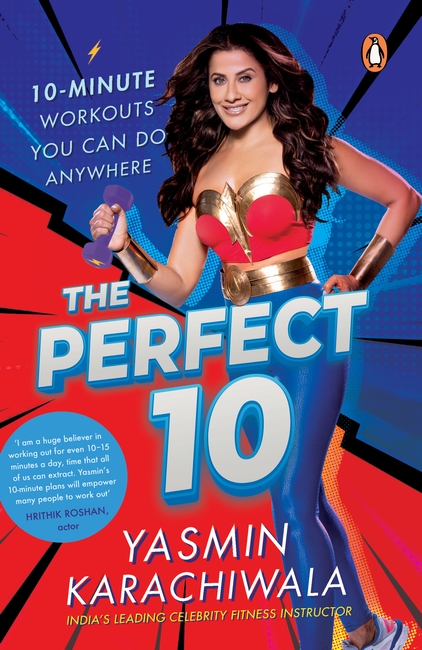
The Perfect 10 by Yasmin Karachiwala
The Perfect 10 || Yasmin Karachiwala
This book will show you that it only takes ten minutes a day to begin your health journey and you will be packed with fitness routines, movement ideas, and lifestyle modifications interspersed with stories of actual people’s adventures. Yasmin Karachiwala is on the move. Observe how your body and life changes.
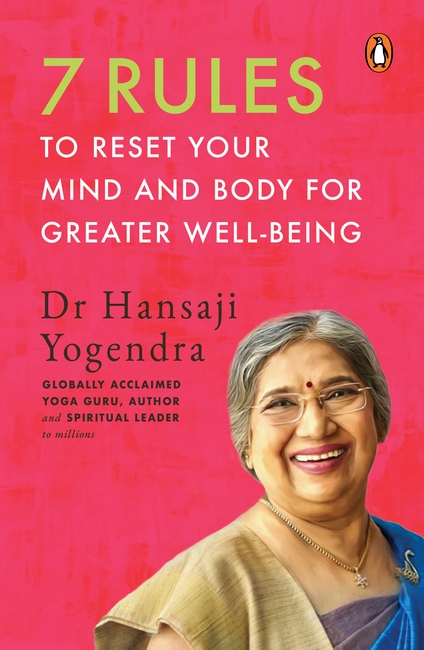
7 Rules to Reset Your Mind and Body by Dr. Hansaji Yogendra
7 Rules to Reset Your Mind and Body || Dr. Hansaji Yogendra
The simple yet practical guide 7 Rules to Reset Your Mind and Body for Greater Well-Being is what you need to read to regain control. This step-by-step book, written by The Yoga Institute’s most acclaimed and regarded Dr Hansaji Yogendra, emphasizes the necessity of achieving and maintaining balance in all parts of your life.
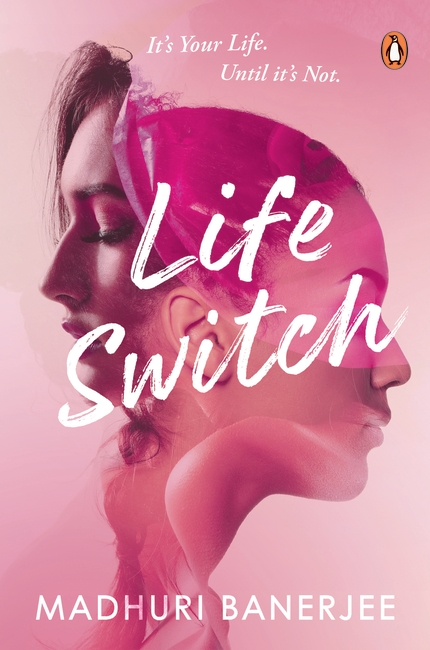
Life Switch by Madhuri Banerjee
Life Switch || Madhuri Banerjee
Life Switch is a thrilling, emotional, dramatic, and erotic love story. Nandita, a staid housewife, switches lives with Annie, her doppelgänger. She swaps her phone, her house, her husband, and her mundane family life for Annie’s dazzling business life at an advertising agency. When secrets are revealed, their lives become brutally difficult.
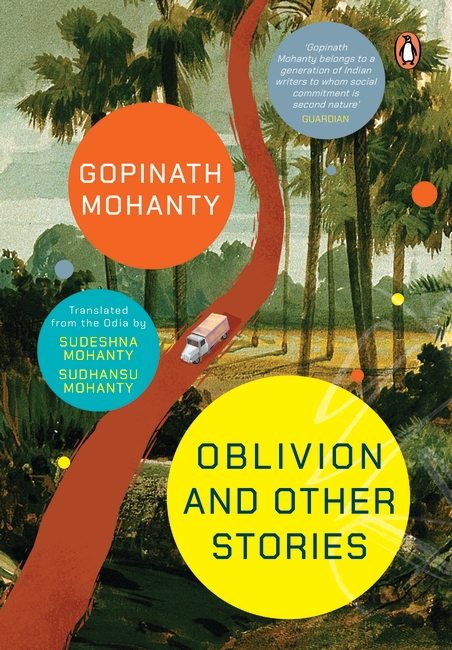
Oblivion and Other Stories by Gopinath Mohnaty
Oblivion and Other Stories || Gopinath Mohnaty
Gopinath Mohanty’s anthology Oblivion and Other Stories contains twenty short stories. They portray the forgotten ones, the monotony of living on the outside of life—of the impoverished, tribals, and regular people—invisible amid the feudal environment of Orissa in the twentieth century.
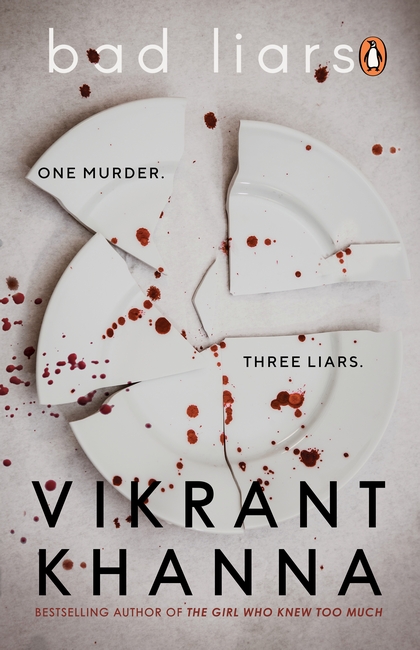
Bad Liars by Vikrant Khanna
Bad Liars || Vikrant Khanna
When the body of a well-known fund manager, Anant Kapoor, is discovered in his home, the police quickly suspect his wife of murder. She has no excuse, and she stands to benefit directly from his death. However, when the police dig deeper, they discover two other suspects who are equally likely to commit the crime. Who, and more importantly, why, killed Anant?
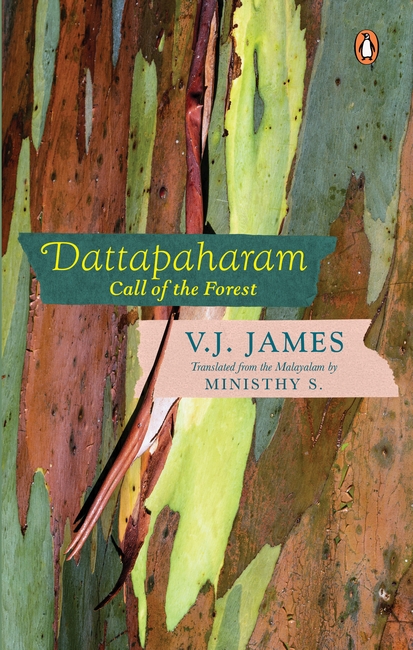
Dattapaharam by V.J. James
Dattapaharam || V.J. James
Dattapaharam, a novel by critically acclaimed and bestselling Malayalam author V.J. James, is a rumination on solitude, man’s connection with nature, and the strings that bind us to this world. It is a surreal novel in which the author’s imagination soars like an eagle and words flow like the untouched springs in a rainforest. Dattapaharam is a powerful novel for our anthropocentric age, written by one of the most exciting voices to emerge from the Indian subcontinent. It is at times a fable on the modern world, at times a search for identity amid a quest for discovery, and on the whole a moving tale that takes the reader deep into the forests to understand what truly makes us human.
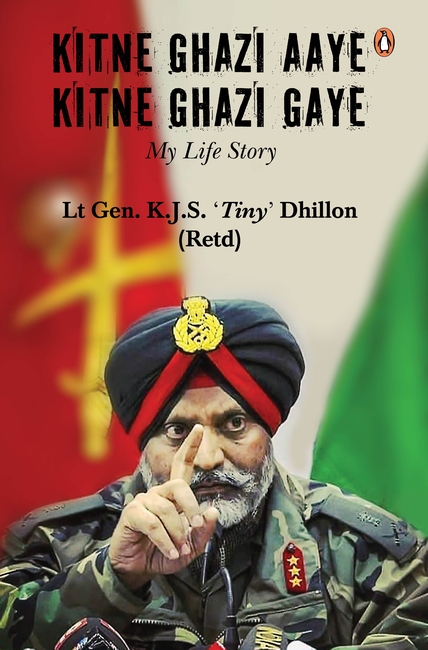
Kitne Ghazi Aaye Kitne Ghazi Gaye by K.J.S. Dhillon
Kitne Ghazi Aaye, Kitne Ghazi Gaye is an autobiographical, candid, and emotive account of an Army veteran’s life. It concentrates on the personal, professional, and, most significantly, family life of an Army soldier, and will not only provide insight into the challenges and tribulations he endured, but will also inspire a broad range of readers, particularly young defence aspirants.
Cuddled up with your kid and looking for the perfect bedtime story? Penguin’s got you covered. Here are our February recommendations to make your kids warm up to reading.
My First Ruskin Bond Collection by Ruskin Bond
My First Ruskin Bond Collection || Ruskin Bond
A carefully picked collection of ten concise, endearingly illustrated stories from India’s favourite storyteller, each book provides a wonderful introduction to the world of Ruskin Bond through fascinating characters and stories that are delightfully crafted in his particular way. This boxset of heartwarming, humorous, and vibrant books makes the ideal present for independent and beginning readers.
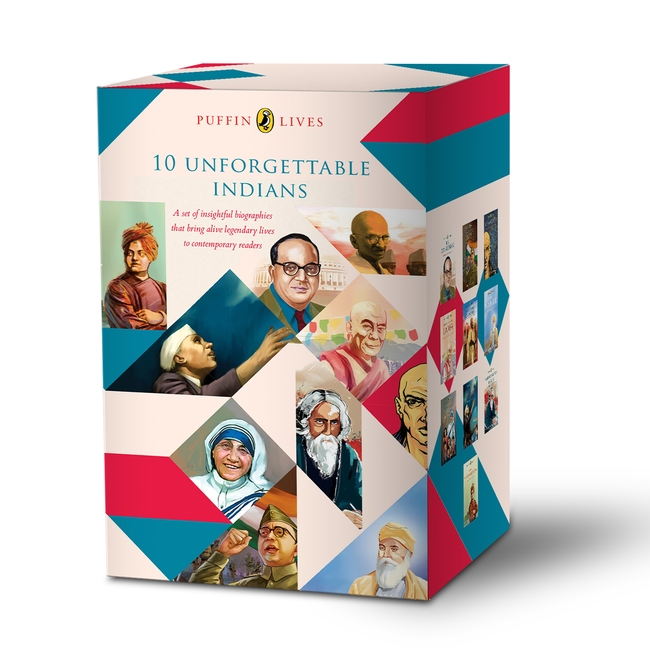
10 Unforgettable Indians and their Remarkable Stories
10 Unforgettable Indians and their Remarkable Stories
These biographies, written by authors like Sreelata Menon, Subhadra Sen Gupta, Devika Rangachari, and others, reconstruct the lives and legacies of famous people. This compilation of fascinating stories about trailblazers like Mahatma Gandhi, B.R. Ambedkar, Guru Nanak, and Mother Teresa are laced with anecdotes, obscure facts, and trivia. Each book is an engrossing tale of icons whose lives continue to inspire every generation, making this a wonderful gift package for young readers.
My Little Book of Gods and Goddesses Boxset
My Little Book of Gods and Goddesses
This collection of six endearingly designed board books features stories about some of the most well-known and adored Hindu deities, including Krishna, Ganesha, Lakshmi, Hanuman, Shiva, and Durga. These books provide a special and pleasant introduction to classic myths for contemporary kids. They include fascinating facts about each god as well as a seek-and-find exercise.
Hanuman: Anjani’s Mighty Son (Read and Colour) by Devdutt Patnaik
Hanuman: Anjani’s Mighty Son || Devdutt Patnaik
A new generation of readers is introduced to the tale of Hanuman, a beloved Hindu god, by Devdutt Pattanaik. The read-aloud version of Hanuman, Anjani’s Mighty Son is ideal for introducing young readers to the courage, selflessness, loyalty, and humility that Hanuman possessed. Young readers will love this distinctive, interactive style, especially for nighttime reading.
Terminal 3 by Debasmita Dasgupta
Terminal 3 || Debasmita Dasgupta
Khwab has persevered through bliss and emptiness, desire and loss, penance and serenity. She has a dream about the day when life will be a paradise. The story of the common people in the Valley attempting to live their dreams is told in Terminal 3’s breathing against the setting of violence.
Taatung Tatung and Other Amazing Stories of India’s Diverse Languages by Vaishali Shroff
Taatung Tatung || Vaishali Shroff
Khwab has persevered through bliss and emptiness, desire and loss, penance and serenity. She has a dream about the day when life will be a paradise. The story of the common people in the Valley attempting to live their dreams is told in Terminal 3’s breathing against the setting of violence.
Dakshin by Nitin Kushalappa MP
Dakshin || Nitin Kushalappa MP
Explore this collection of fifteen colourful myths, fables, and folktales from vivacious southern India. Discover the alluring fairies, elves, gods, and goddesses along the route as you journey from the banks of the Kaveri to the coasts of the Indian Ocean, from the depths of enigmatic jungles to the towering Nilgiris, from the opulent palaces of kings to tranquil villages in Coorg. Chuckle at a miser’s humorous actions. Cry at the foolish misfortunes. Be in awe of the weak’s bravery in the face of the powerful. Come and enjoy these wonderful folktales!
Munni Monster by Madhurima Vidyarthi
Munni Monster || Madhurima Vidyarthi
When Munni, a relative of her grandmother’s who has cerebral palsy, moves in with them, Mishti’s life is drastically altered. Her only thought is to somehow get her to leave. But as time goes on, Munni develops oddly appealing tendencies, and when things reach a crisis point, Mishti isn’t so sure Munni is the monster she initially believed she was. A humorously moving tale about a young boy, 10, who must deal with unexpected and challenging changes, a disability, and, most importantly, love.
The Complete Vikram–Aditya Stories by Deepak Dalal
The Complete Vikram–Aditya Stories || Deepak Dalal
India’s response to the Hardy Boys, Nancy Drew, and Famous Five mystery novels is the Complete Vikram-Aditya Stories boxset. This collector’s edition boxset includes all eight volumes for the first time ever. The dynamic duo of Vikram and Aditya, together with their ragtag crew of companions, set off on exciting excursions where they come face to face with frightened wild creatures, secluded indigenous communities, and a number of other frightening situations.
Chitti’s Travelling BookBox by Kavitha Punniyamurthi
Chitti’s Travelling Book Box || Kavitha Punniyamurthi
Chitti enjoys reading. But her town doesn’t have enough books, and some of her friends believe they’re boring! Can Chitti convince them to reconsider?
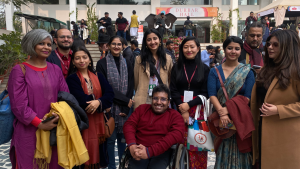
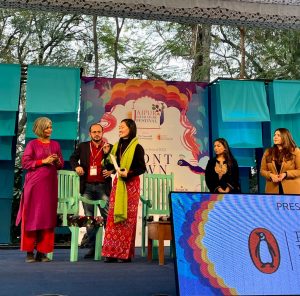
The Jaipur Literature Festival, also called the ‘greatest literary show on Earth’, is the Multiverse of Madness for every littérateur! Over one lakh people attended the 16th edition of the Jaipur Literature Festival last week, which featured sessions by over 500 speakers and artists from around the globe. Here’s a recap of Penguin at JLF 2023!
Pic 1: Visitors pay homage to the festival with heartfelt messages Pic 2: #SPOTTED Namita Gokhale’s The Blind Matriarch finds it’s way to the streets of the Pink City
In the words of Festival Director, Namita Gokhale, “The Jaipur Literature Festival 2023 had an emphasis on translations and shared human narratives. Writers and translators broke beyond the boundaries of language and reached out across cultures and continents.
2023 was truly a vintage year with a stellar range of writers from India and across the world. The audiences were as ever deeply engaged and responsive. Five days of lucid dreaming with intellect and creative imagination at play.”
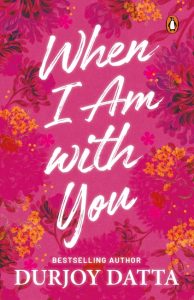
Pic 1: Children line up to have their copies signed by the iconic Sudha Murty. Pic 2: Bestselling author Durjoy Datta draws massive crowds during his opening session at JLF Day 1.
This year, Penguin presented India’s budding writers with an exciting, once-in-a-lifetime lifetime! The Perfect Pitch is a contest where writers get a chance to pitch their book to a jury of eminent people from the world of publishing.
Five shortlisted authors got to pitch their book to a distinguished panel at JLF with the winner being offered exclusive one-on-one mentorship, for a chance for them to hone their talent and polish their book. The mentors and jury included two editors from Penguin – Elizabeth Kuruvilla and Gurveen Chadha – author of Manjhi’s Mayhem, Tanuj Solanki, and Shreya Punj, also known as The Editor Recommends.
Our winner for the first edition of The Perfect Pitch was Subi Taba.
Pic 3: Meet the Perfect Pitch jury and finalists!
Subi Taba, the winner of The Perfect PitchSubi Taba being announced the winner of The Perfect Pitch 2023
The icing on the cake for us was to see so many of our debut authors at the festival this year, and the cherry on top? Six of our books made it to the top fifteen bestsellers!
Penguin authors among the Top 15 Bestsellers at JLF 2023 ?
Energize Your Mind by Gaur Gopal Das
Energize Your Mind || Gaur Gopal Das
Gaur Gopal Das, renowned author and life coach, decodes the mind in this book. He uses anecdotes and analytical studies to educate us how to discipline our minds for higher well-being. He gives engaging activities, meditation techniques, and worksheets throughout the book to help us take control of our minds.
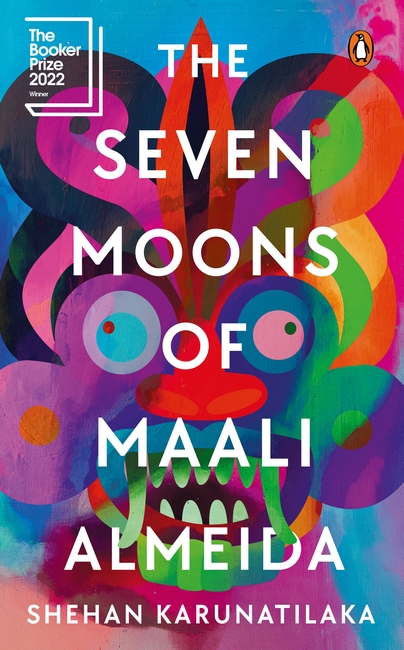
The Seven Moons of Maali Almeida by Shehan Karunatilaka
The Seven Moons of Maali Almeida || Shehan Karunatilaka
Set in Colombo, 1990, Maali Almeida, a war photographer, gambler, and closet gay, has died in what appears to be a celestial visa office. His dismembered body is sinking in Beira Lake, and he has no idea who killed him. At a time when scores are settled by death squads, suicide bombers, and hired thugs, the list of suspects is depressingly long, as the ghouls and ghosts who gather around him can attest. Even in the afterlife, Maali’s time is running short. He has seven moons to contact the man and woman he loves the most and lead them to a hidden stockpile of images that will rock Sri Lanka.
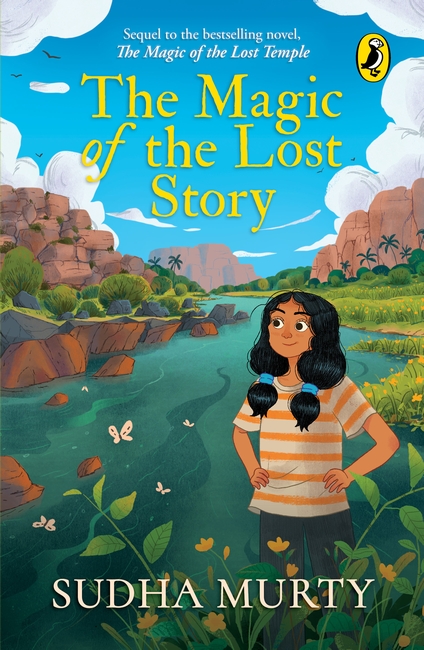
The Magic of the Lost Story by Sudha Murty
The Magic of the Lost Story || Sudha Murty
The Magic of the Lost Story, written in India’s favourite storyteller, Sudha Murty’s, distinctive style, captures the value of asking questions and keeping the answers alive. This story takes you on an unforgettable adventure as it follows the gorgeous Tungabhadra River, which is filled with delightful artworks and wondrous terrains.
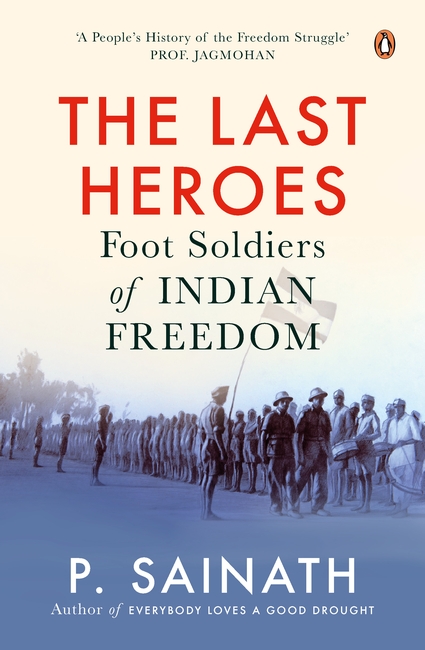
The Last Heroes by P Sainath
The Last Heroes || P. Sainath
The Last Heroes tells the stories of the footsoldiers who fought for Indian independence. The men, women, and children in this book include Adivasis, Dalits, OBCs, Brahmins, Muslims, Sikhs, and Hindus. They are from all across the country, speak a variety of languages, and include atheists and believers, Leftists, Gandhians, and Ambedkarites.
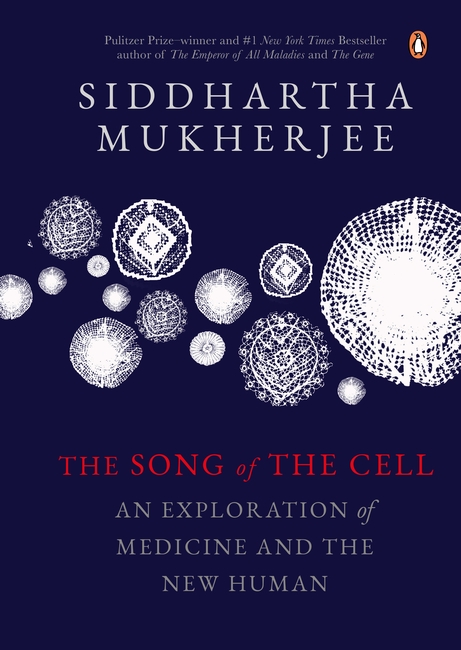
The Song of the Cell by Siddhartha Mukherjee
The Song of the Cell || Siddhartha Mukherjee
In The Song of the Cell, Siddhartha Mukherjee narrates the tale of how scientists discovered cells, began to comprehend them, and are now using that knowledge to create new humans. He entices readers with writing that is vibrant, lucid, and intriguing, making complex science exciting. The Song of the Cell is a masterwork, told in six sections and filled with Mukherjee’s personal experience as a researcher, clinician, and voracious reader.
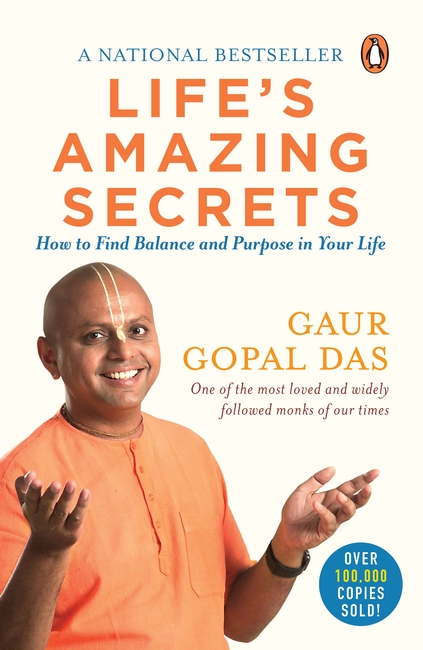
Life’s Amazing Secrets by Gaur Gopal Das
Life’s Amazing Secrets || Gaur Gopal Das
Gaur Gopal Das is one of the world’s most well-known and sought-after monks and life coaches, having taught millions of people. Life’s Amazing Secrets, his debut book, distils his life experiences and lessons into a light-hearted, thought-provoking book that will help you match yourself with the life you want to live.
Check out our must-read debut authors! ?
Hacking Health by Mukesh Bansal
Hacking Health || Mukesh Bansal
Mukesh Bansal tackles the monumental challenge of deciphering science, summarizing research, and charting the journey of our relationship with our bodies in Hacking Health. This book draws from ancient wisdom while also debunking unscientific myths to help you make informed choices in pursuit of good health, using a blend of firsthand opinion and cutting-edge science. This book looks into the breadth and depth of holistic health and helps you traverse the lines between science and pseudoscience, from nutrition and exercise to relaxation and immunity, proper nutrition and mental health to ageing and lifespan.
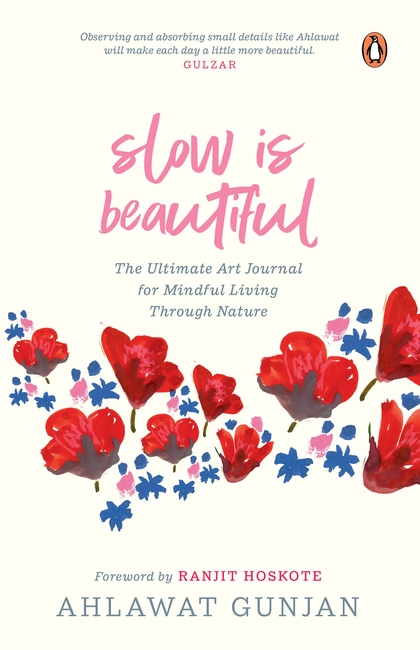
Slow is Beautiful by Gunjan Ahlawat
Slow is Beautiful || Ahlawat Gunjan
Slow is Beautiful is the opportunity to go on an adventure filled with awareness and contemplation in the form of an exhilarating book. Through the eyes of the author, Ahlawat Gunjan, we get to perceive, evaluate, contemplate, and apply using artistic abilities developed through years of study to re-ignite a lost inclination. The book urges you to embrace a new aesthetic viewpoint by introducing you to form, colour, and composition. Every one of the sixty simple prompts in this book is an important step that is illustrated by vivid ink and watercolour drawings drawn from nature and created and carefully crafted by the artist himself to inspire readers to draw, erase, paint, experiment, create, and, most importantly, accept their mistakes.
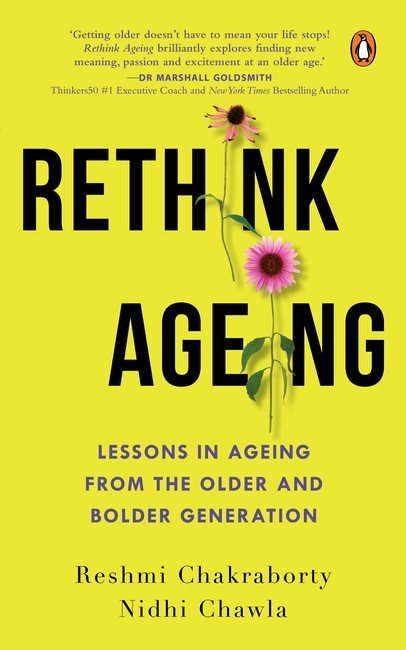
Rethink Ageing by Nidhi Chawla & Reshmi Chakrobarty
Rethink Ageing is a montage of significant stories that demonstrate how the narrative of ageing in India is changing. They fight ageism, which is deeply ingrained in Indian culture, with rigid ideals of ‘acceptable’ behaviour. Why should our age prohibit us from pursuing the lives we desire? We live in an ageing community that is adjusting to nuclear families, distant children, and ambiguous social support. To adopt active ageing, the best form of preventative healthcare, urban Indians are negotiating health difficulties, loneliness, and changing social benchmarks. This book offers a comprehensive insight into comprehending ageing, its influence on society, and how to conquer certain ‘obstacles’. We are no longer defined and restricted to our biological age.
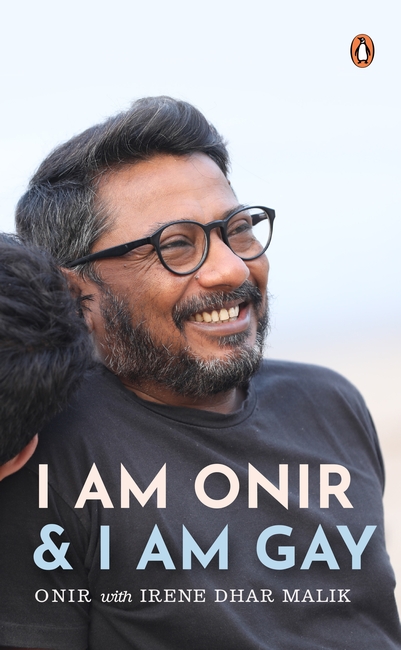
I Am Onir and I am Gay by Onir
I Am Onir and I Am Gay || Onir
I Am Onir and I Am Gay is a powerful autobiography on addressing and conquering obstacles. This visceral and brutally honest personal story of faith, love, and the pursuit of dreams, co-written with his sister Irene Dhar Malik, is a game changer.
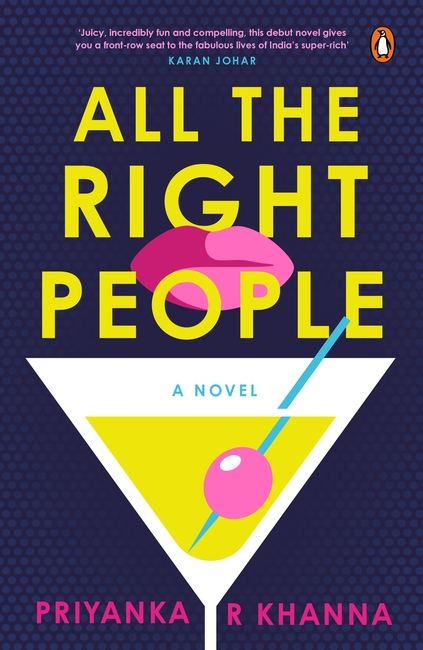
All the Right People by Priyanka Khanna
All the Right People || Priyanka Khanna
Shaan Singh, a Delhi party girl by night and a senior politician’s obedient daughter by day, understands whatever role to play to get her way. She is feisty and highly brilliant, and she has her own political ambitions. How far would she go to keep her freedom if her parents drive her into marriage for strategic reasons? Or will she succumb?
All The Right People is a glittering, whip-smart, and extremely amusing book that takes you into the secret, privileged world of the most wealthy and powerful families in Bombay, Delhi, and London while telling a universal story. Of love, loss, family, friendship, and difficult decisions a nd of women reclaiming control of their lives.
Half Empress by Tripti Pandey
The Half Empress || Tripti Pandey
Tripti Pandey’s historical novel The Half Empress takes the reader to the regal hallways of nineteenth-century Jaipur and recounts the tale of a magnificent woman who has been deliberately erased from history. Raskapoor, the daughter of a Muslim mother and a Brahmin father, is best remembered today by the guides who often cite her as a celebrity prisoner at the famous Nahargarh Fort, upon whom the Maharaja violated all standards to give the title of ‘Half Empress’.
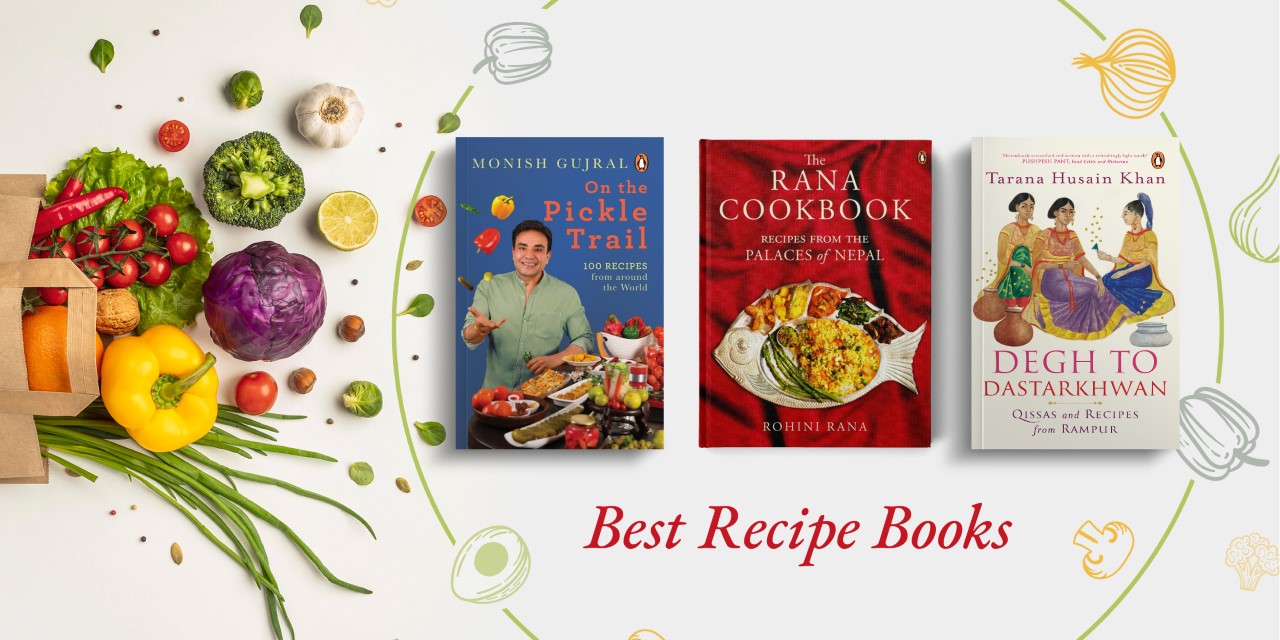
Looking for a mouthwatering meal to celebrate International Hot and Spicy Food Day? We’ve curated just the perfect recipe book recommendations for you that will make you want to cook your heart out! Pick up your favourite one from the list – they’re sure to tingle your taste buds.
On the Pickle Trail by Monish Gujral
On the Pickle Trail||Monish Gujral
In this book, Monish Gujral brings together a collection of 100 pickles to start you on your journey of pickling. These recipes are not only simple and easy to make, each also has health benefits. From the Italian Giardiniera (pickled vegetables) to the Israeli Torshi Left (white turnip pickle), from the Gari (Japanese ginger pickle) to the Cebollas Encurtidas (pickled onions from Ecuador), this book is a treasure trove of some of the best pickles from around the world. Start your lip-smacking journey today!
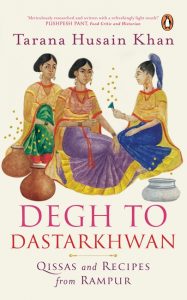
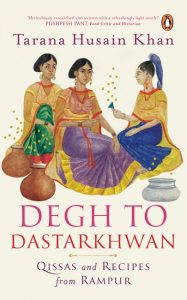
Degh to Dastarkhwan by Tarana Husain Khan
Degh to Dastarkhwan || Tarana Husain Khan
Originally indifferent eater and cook, Tarana Husain Khan, stumbled upon a nineteenth-century Persian cookbook at Rampur’s renowned Raza Library, that instantaneously set her on a voyage into the history of Rampur cuisine and the legends surrounding it.
Degh to Dastarkhwan revolves around the question of what truly sets Rampur’s cuisine apart from others. Each chapter is a metaphor for a sentiment, a festival. The variety of Rampuri cuisine, from the lavish royal cuisine to the straightforward everyday meal, lays the groundwork for the expression of love, sorrow, healing, and spirituality.
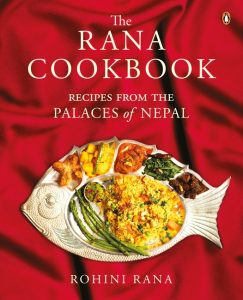
The Rana Cookbook by Rohini Rana
The Rana Cookbook || Rohini Rana
The elegant palaces of Nepal were not only renowned for their glitz and architecture but their lavish feasts as well. Only the palace cooks were fortunate enough to have acquired these delicious recipes. For the first time ever, the doors to the palace kitchens are opened in this gorgeous book, giving us a look into the delectable royal cuisine.
Rohini Rana has compiled and documented the dishes that are cherished by each Rana prime minister’s family in this phenomenal book. This premium, exquisitely designed cookbook tries to preserve these recipes for future generations by showcasing delicious meals from the palaces.
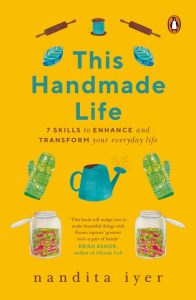
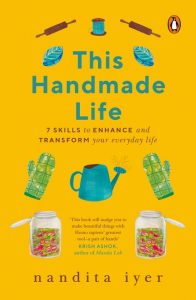
This Handmade Life by Nandita Iyer
This Handmade Life || Nandita Iyer
This Handmade Life is all about discovering your passion and mastering it. Divided into seven sections on baking, fermenting, self-care, kitchen gardening, soap-making, spices, and needlework, encourages us to take our time and engage in straightforward hobbies that bring us pure delight.
The book is about hands-on activities that can be contemplative and restorative for the body, mind, and spirit. It is written in Iyer’s trademark lyrical and approachable style. Iyer has succeeded in serving up a book that is inspirational and motivational at a time when both are in short supply by taking the reader through a variety of personal and transforming interests.
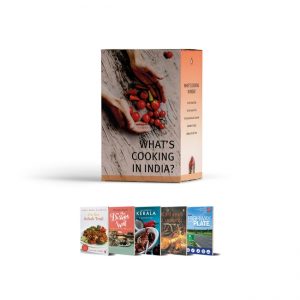
What’s Cooking in India?
What’s Cooking In India?
The books On the Kebab Trail and On the Dessert Trail by Monish Gujral are ideal for anyone who wants to explore the world through food! With over a hundred Kashmiri recipes, P. Krishna Dar’s Kashmiri Cooking is a gorgeously illustrated edition of a well-known classic. Highway on My Plate: The Indian Guide to Roadside Eating by Rocky Singh and Mayur Sharma is a must-have travel companion!
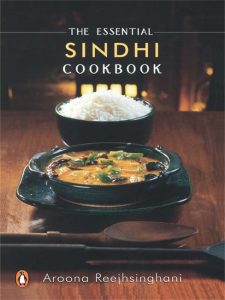
The Essential Sindhi Cookbook by Reejhsinghani Aroona
The Essential Sindhi Cookbook || Aroona Reejhsinghani
The Sindhi community may trace its origins back to the Harappan civilization and claims a unique continuity of tradition and lifestyle in the Indian subcontinent. Cuisine, as explained in the opening to this book, is a crucial component of this continuity. While Sindhi cuisine has absorbed components from other cuisines, particularly Mughlai and Punjabi, it has always maintained its own distinct blend of flavours and scents. The answers to all questions relating to the preparation and serving of Sindhi food are all here in this comprehensive guide to a distinctive culture.
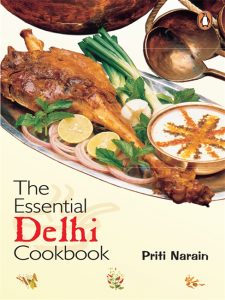
The Essential Delhi Cookbook by Priti Narain
The Essential Delhi Cookbook || Priti Narain
The Penguin Essential Cookbooks are a pioneering endeavour to preserve the art of traditional Indian cooking. Each book is prepared by a skilled chef who combines regional or community-specific recipes with a lengthy introduction that details the rituals and customs associated with eating and presenting food. Recipes in the Essential Delhi Cookbook are gathered from the various communities that have made Delhi their home, including the Khatris and Kayasths, as well as Mughlai and Punjabi foods. Raan, Bheja, Methi Dal ki Pakori, Muthanjan Pulao, Mathri, Papri, Chaat, and Sharbat-e-Ghulab are among the recipes.
The Essential North-East Cookbook by Hoihnu Hauzel
The Essential North – East Cookbook || Hoihnu Hauzel
If there is one section of our country that has yet to be explored, it is the North East, at least in terms of its food. Those who live in or have visited the seven sister states of Arunachal Pradesh, Assam, Manipur, Meghalaya, Mizoram, Nagaland, and Tripura will tell you that the North East’s chefs produce an incredible variety of cuisines that combine tradition and innovation in surprising ways.
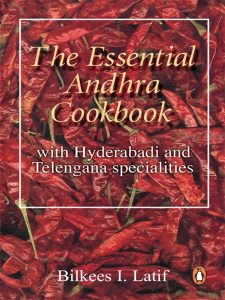
The Essential Andhra Cookbook by Bilkees Latif
The Essential Andhra Cookbook || Bilkees Latif
Enjoy the enticing flavours of Andhra cuisine. While Hyderabadi cuisine is well-known for its distinct Mughlai flavour, food from other parts of Andhra, one of India’s largest and most culturally varied states, is relatively obscure. The author brings together for the first time the various tastes of Andhra cooking, from the simple idli-sambar to spicy seafood specialties, in this contribution to the Penguin series on Indian food and customs.
Will you gift the mundane box of soan papdi or dry fruits again this festive season? These sugar treats will expire in a few days or will probably be passed on to another relative or friend.
How about giving a gift that lasts for a lifetime? A gift that could light up your loved one’s world and will never leave them alone?
Yes, books! Books are the sweetest sugar alternatives and will stay with your friends and family…even after the last page. Hence, we have a book for all–be it the Gen Z cousin or the teen-patti-obsessed chachu, your fashionista neighbour or that sweet-tooth bua–there’s a book for everyone!
This festive season, #GiftForLife #GiftAPenguin!
The coolest gifts for every Gen Z in your life
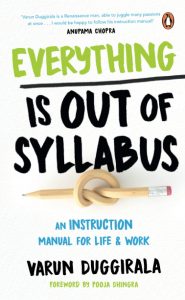
Everything Is Out of Syllabus
Varun Duggirala
Everything Is Out of Syllabus || Varun Duggirala
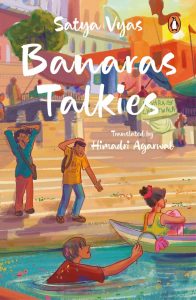
Banaras Talkies
Satya Vyas
Banaras Talkies || Satya Vyas
Beauty Unbottled
Kavita Khosa
Beauty Unbottled || Kavita Khosa
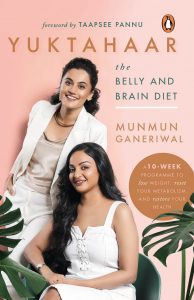
Yuktahaar
Munmun Ganeriwal
Yuktahaar || Munmun Ganeriwal
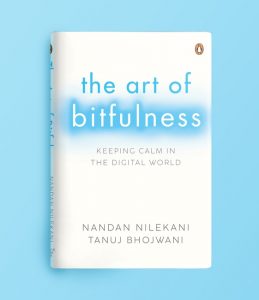
The Art of Bitfulness
Nandan Nilekani & Tanuj Bhojwani
The Art of Bitfulness || Nandan Nilekani Tanuj Bhojwani
Do you have a cousin for whom fantasy >>>> reality?
Samsara
Saksham Garg
Samsara || Saksham Garg
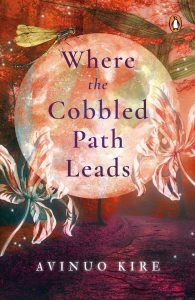
Where The Cobbled Paths Lead
Avinuo Kire
Where the Cobbled Path Leads || Avinuo Kire
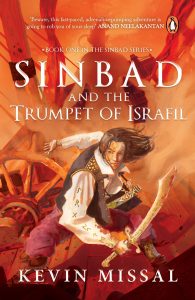
Sinbad and the Trumpet of Israfil
Kevin Missal
Sinbad and the Trumpet of Israfil || Kevin Missal
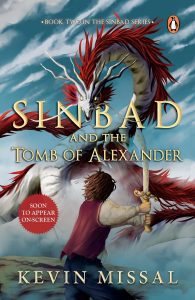
Sinbad and the Tomb of Alexander
Kevin Missal
Sinbad and the Tomb of Alexander || Kevin Missal
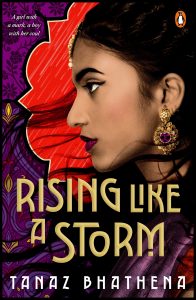
Rising Like a Storm
Tanaz Bhathena
Rising Like A Storm || Tanaz Bhathena
For the health-conscious buddy
On The Pickle Trail
Monish Gujral
On The Pickle Trail || Monish Gujral
Degh To Dastarkhwan
Tarana Husain Khan
Degh To Dastarkhwan || Tarana Husain Khan
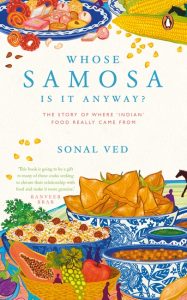
Whose Samosa Is It Anyway
Sonal Ved
Whose Samosa Is It Anyway || Sonal Ved
This Handmade Life
Nandita Iyer
This Handmade Life || Nandita Iyer
For the matchmaker in your circle
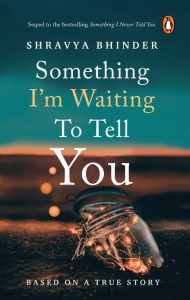
Something I’m Waiting To Tell You
Shravya Bhinder
Something I’m Waiting To Tell You || Shravya Bhinder
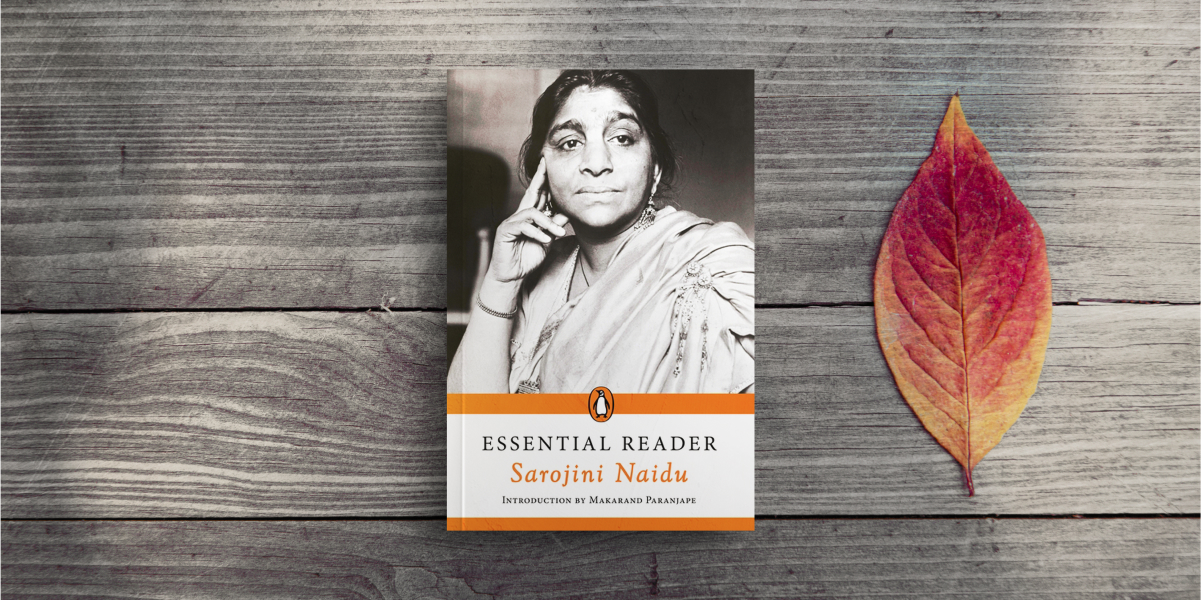
Sarojini Naidu kept the beacon fire of national life aflame. Naidu played an important role in the independence movement by showcasing her oratory skills. With her revolutionary ideas and constant efforts to speak for the rights of women, she made her place in everyone’s hearts. To date, Sarojini Naidu remains to be an inspiration for men and women all around the world.
Find out why is reading about Sarojini Naidu essential with this extract from her speech given in Essential Reader: Sarojini Naidu.
We often hear, not without a taunt, that the education of girls during the last three generations has been a failure. It could not but be so, it would have been strange if it had not been so. It could not be fruitful because it went away from our traditions and ideals. Our educationists are now awake to the fact that education should and can only be on national lines. We have produced exceptional women and brilliant women, too, not because of the present system of education but in spite of it.
If we want to reconstruct our educational system, it must be along a course which would continue to preserve the best traditions of the East and West. Our standard of education of Indian women should be a normal average. Not that one of our women should be pointed out with admiration as a wonderful and brilliant woman for her culture and attainments, but rather people should point out with horror at an illiterate woman in India.
Only this morning I was reading in one of your daily papers of what Lord Haldane recently said in connection with the granting of voting rights to the women of England. He said that the day is not very distant when people in England would wonder at their refusal to grant the parliamentary rights to women just as they now wonder as to how people kept slaves in the past. I think that time would also soon come to India when we too would wonder how we could keep out women in ignorance.
Remember that woman does not merely keep the hearth-fire of your homes burning, but she keeps also the beacon fire of national life aflame. It is she who keeps the soldier-heart in time of battle and the priest-heart at the time of peace (cheers). The power of self-surrender and self-realization had been the typical characteristics of Indian womanhood. This dual capacity of the personal and impersonal in her relation to man had always marked the Indian women. In this institution, too, I find manifest that spirit of self-surrender, joyous self-surrender, and self-realization. These are the qualities that make Indian women great and these are the qualities that l am glad to find in this Vidyalaya.
Today, we who dream dreams of the coming women of India have our hopes centered round institutions like this (cheers), institutions like that of Professor Karve at Poona, nor the institutions that only slavishly imitate men’s college but the institutions that would send forth to the world women not merely brought up and fed in the dry pages of lifeless books but rather women trained in the beauties and necessities of life. These women would go forth not bearing the burden of dead knowledge but culture transmuted in the services of humanity.
The historic significance of this crowd gathered here today lies not in its number for I have addressed crowds five times larger than this; but its significance lies in the presence of the very large number of women that are gathered here. Their presence here is the indication of the coming comradeship between men and women in India. The old partition between Mardana and Zenana is broken down forever. It is in the comradeship of sexes that future India shall come out man and woman working hand in hand and supplementing each other.
Friends, tomorrow again, I shall fare forth as a singing wanderer with my two bundles of hopes and dreams but never, never shall I forget this institution of yours which is destined to take its legitimate place in the history of the regeneration of India with the promise, the guarantee, almost the realization of the high ideal that it stands for.