Publish with Us

Follow Penguin

Follow Penguinsters

Follow Penguin Swadesh

Our #BooksNotBorders Bookshelf

Penguin Random House India’s superb collection of writers from the subcontinent focussing on Pakistan.

Exit West by Mohsin Hamid
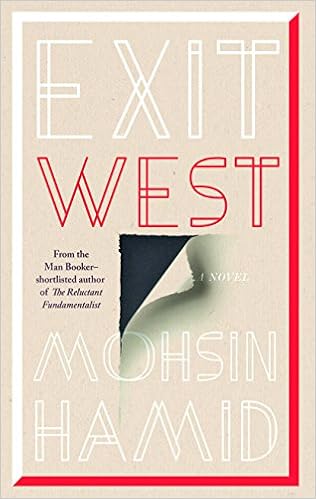
Shortlisted for the Man Booker Prize 2017
Nadia and Saeed are two ordinary young people attempting to do an extraordinary thing—to fall in love—in a world turned upside down. Civil war has come to the city that they call home. Before long they will need to leave their motherland behind—when the streets are no longer usable and the unknown is safer than the known. They will join the great outpouring of people fleeing a collapsing city, hoping against hope, looking for their place in the world . . .

Pakistan at the Crossroads: Domestic Dynamics and External Pressures edited by Christophe Jaffrelot
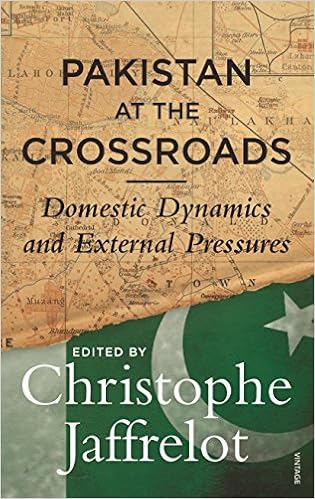
The book examines the state’s handling of internal threats, tensions between civilians and the military; strategies of political parties; police and law enforcement reform; trends in judicial activism; the rise of border conflicts; economic challenges; financial entanglements with foreign powers; and diplomatic relations with India, China, Iran, Saudi Arabia, Afghanistan, and the United States.

Undying Affinity by Sara Naveed
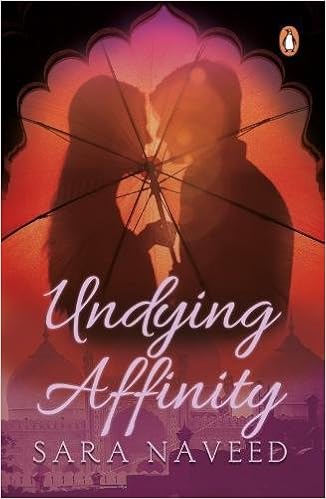

Rich, beautiful and popular Zarish Munawwar finds herself entangled in a web of passion with her attractive new professor, Ahmar Muraad, in this delicious new novel by the Pakistani queen of romance. Packed with romance, drama and tragedy, Undying Affinity will stay in your heart forever.

Reporting Pakistan by Meena Menon
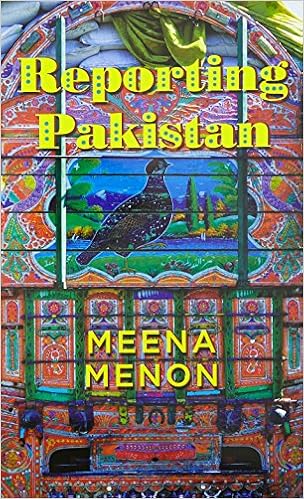
Reporting from Pakistan is considered one of the more difficult-if exciting-assignments in journalism, more so for an Indian. Despite the limitations, Meena Menon, the Hindu’s correspondent in Islamabad until May 2014, has produced a probing, incisive portrait of a conflicted society; it is both nuanced and wide ranging and tries to look not just at politics-but also at the human realities beneath.

The Golden Legend by Nadeem Aslam
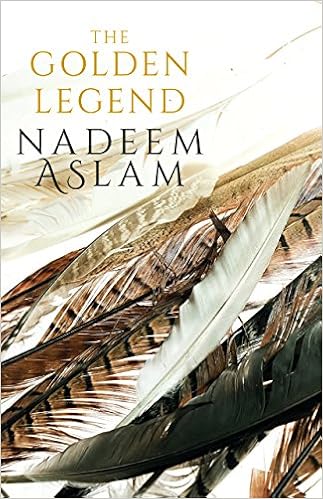
Against a background of violence and fear, the protagonists of The Golden Legend try to find an island of calm in which their love can grow. In his characteristically luminous prose, Nadeem Aslam reflects Pakistan’s past and present in a single mirror—a story of corruption, resilience and the hope that only love and the human spirit can offer.

Lahore in the Time of the Raj by Ian Talbot and Tahir Kamran
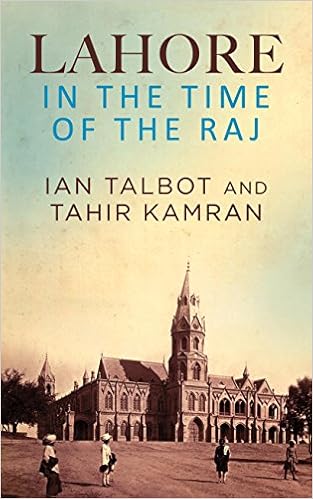
Lahore during the Raj was a prosperous and cosmopolitan place, where many communities lived together and there was a constant flow of goods, people and ideas. Talbot and Kamran bring to life the 1930s and 1940s, a time of intense cultural and political creativity where writers and artists flourished; where F.C. College and Government College were celebrated centers of learning and there was great engagement between Lahore and the nascent Bollywood film industry, unfortunately ended by the traumas of Partition.

Snuffing Out the Moon by Osama Siddique
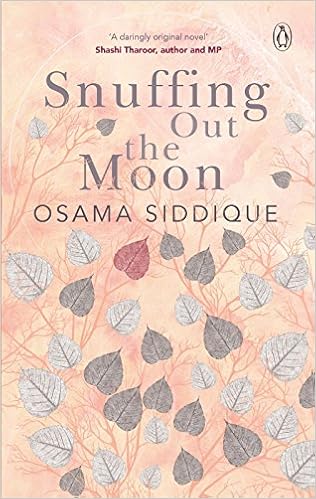
2084 bce: In the great city of Mohenjodaro, along the banks of the Indus, a young man named Prkaa becomes increasingly mistrustful of the growing authority of a cult of priests.
2084 ce: A scholar revisits the known history of the cataclysmic events that led to world domination by ruthless international water conglomerates.
Spanning across epochs and civilizations, the characters in this stunning novel investigate the legitimacy of religion and authority and chronicle the ascent of dissent. Snuffing Out the Moon is a dazzling debut that is at once a cry for freedom and a call for resistance.

Military Inc.: Inside Pakistan’s Military Economy by Ayesha Siddiqa
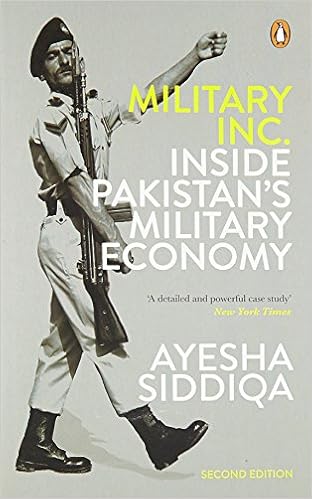
Ayesha Siddiqa shows how the power of the military has transformed Pakistani society and where the armed forces have become an independent class. She examines this military economy and the consequences of merging the military and corporate sectors and analyses the internal and external dynamics of this gradual power-building and the impact that it is having on Pakistan’s political and economic development.

This House of Clay and Water by Faiqa Mansab
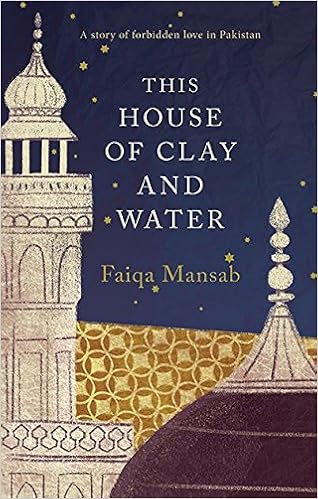
Set in Lahore, This House of Clay and Water explores the lives of two women: Nida, intelligent and lonely, has married into an affluent political family and is desperately searching for some meaning in her existence; and impulsive, lovely Sasha, from the ordinary middle-class, her longing for designer labels and upmarket places so frantic that she willingly consorts with rich men who can provide them. They meet at the famous Daata Sahib dargah and connect, their need to understand why their worlds feel so alien and empty, bringing them together. Faiqa Mansab’s accomplished and dazzling debut novel explores the themes of love, betrayal and loss in the complex, changing world of today’s Pakistan.

The Last Vicereine by Rhiannon Jenkins Tsang
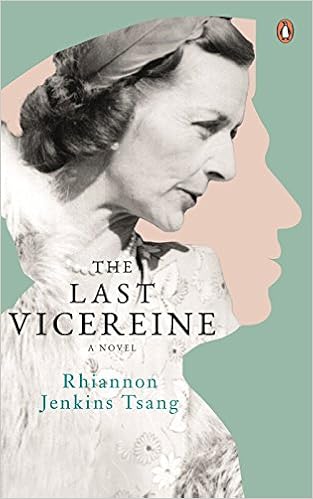
Set amid the turmoil of Partition, The Last Vicereine is the heartbreaking story Edwina Mountbatten, a rebel, rule-breaker, troubled soul and great beauty, and Jawahar, her friend, confidant and the only one to truly understand her for who she was. It is also the incredible tale of the birth of two nations, of love, grief, tragedy, inhumanity and the triumph of hope.

Defeat is an Orphan: How Pakistan Lost the Great South Asian War by Myra Macdonald
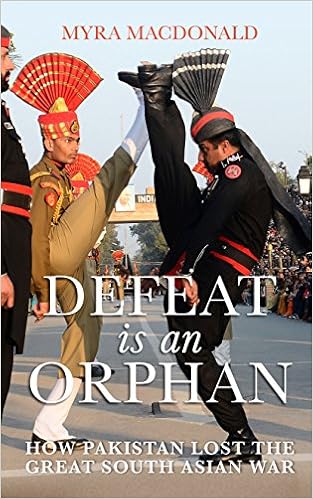
This essential account by a former correspondent for Reuters and a South Asia specialist tracks the defining episodes in the relationship between India and Pakistan from 1998, from bitter conflict in the mountains to military confrontation in the plains, from the hijacking of an Indian airliner to the Mumbai attacks.

This Wide Night by Sarvat Hasin
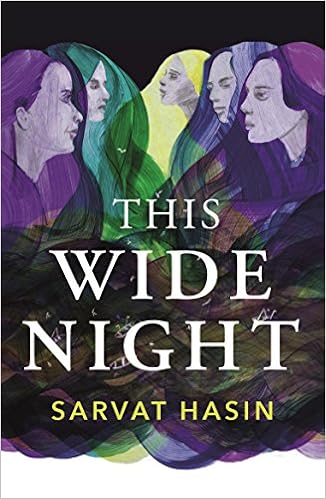
In the quietly seething world of This Wide Night, The Virgins Suicides meets Little Women in Pakistan. Tracing the lives of the four beautiful Malik sisters, Maria, Ayesha, Leila and Beena in the 1970s, and moving from Karachi to London to the rain-drenched island of Manora, here is a compelling new novel from the subcontinent—and a powerful debut to watch.

Mr and Mrs Jinnah: The Marriage that Shook India by Sheela Reddy
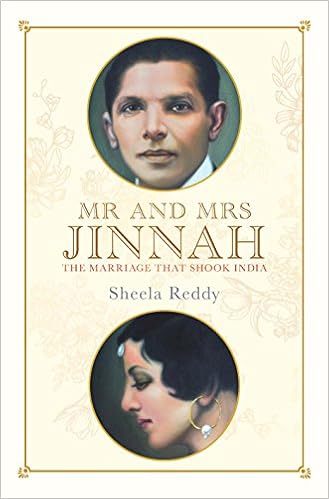
Mohammad Ali Jinnah was forty years old, a successful barrister and a rising star in the nationalist movement when he fell in love with pretty, vivacious sixteen-year-old Ruttie Petit, the daughter of his good friend, the fabulously rich baronet, Sir Dinshaw Petit, a prominent Parsi mill owner. Despite her outraged father forbidding the match, they married when Ruttie turned eighteen and Bombay society, its riches and sophistication notwithstanding, was scandalized. A product of intensive and meticulous research in Delhi, Bombay and Karachi and based on first-person accounts and sources, Reddy brings to life the unforgettable love story of the solitary, misunderstood Jinnah and the lonely, wistful Ruttie.

Indus Divided: India, Pakistan and the River Basin Dispute by Daniel Haines
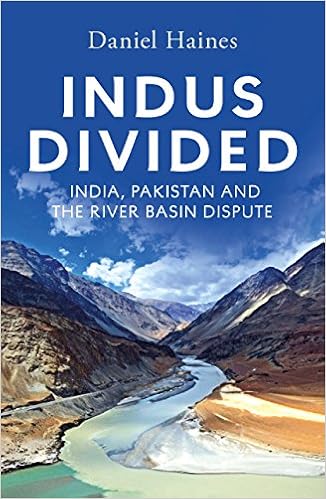
The Indus Waters Treaty is considered a key example of India–Pakistan cooperation, which had a critical influence on state-making in both countries. Indus Divided reveals the importance of the Indus Basin river system, and thus control over it, for Indian and Pakistani claims to sovereignty after South Asia’s partition in 1947, and examines the discord at local, national and international levels, arguing that we can only explain its significance and longevity in light of India and Pakistan’s state-building initiatives after independence.

Pakistan’s Nuclear Bomb: A Story of Defiance, Deterrence and Deviance by Hassan Abbas


This book provides a comprehensive account of the mysterious story of Pakistan’s attempt to develop nuclear weapons in the face of severe odds. Hassan Abbas profiles the politicians and scientists involved, and the role of China and Saudi Arabia in supporting Pakistan’s nuclear infrastructure. Abbas also unravels the motivations behind the Pakistani nuclear physicist Dr A.Q. Khan’s involvement in nuclear proliferation in Iran, Libya and North Korea, drawing on extensive interviews.

Remembering Partition: Limited Edition
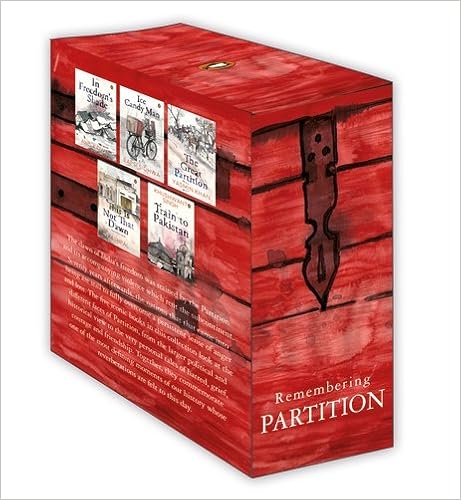
The dawn of India’s freedom was stained by the Partition and its accompanying violence, which rent the subcontinent. Seventy years later, the nations that came into being are still to fully overcome a persistent sense of anger and loss. The five iconic books in this collection look at the different faces of Partition, from the larger political and historical view to the very personal tales of hatred, grief, courage and friendship. Together, they commemorate one of the most defining moments of our history whose reverberations are felt to this day.

Ice-Candy-Man by Bapsi Sidhwa

Young Lenny Sethi enjoys a happy, privileged life in Lahore in the 1940s. Kept out of school because she suffers from polio, she spends her days with Ayah, her beautiful nanny, who attracts several admirers. But with the abduction of her beloved Ayah, Lenny’s world soon erupts in racial and religious violence. Widely hailed as one of the most powerful novels on the Partition, Ice-Candy-Man offers an intimate glimpse into a colossal upheaval through the eyes of a precocious child.

In Freedom’s Shade by Anis Kidwai

In Freedom’s Shade is Anis Kidwai’s moving personal memoir of the first two years of new India. With a rare frankness, sympathy and depth of insight, Kidwai tells the stories of the thousands who were driven away from their homes in Delhi and its neighbouring areas by eviction or abduction or the threat of forced religious conversion. Recounting the activities of the Shanti Dal and the recovery of abducted women, she reveals both the architecture of the violence during Partition as well as the efforts of ordinary citizens to bring to a close the cycle of reprisal and retribution. This searching book is a reminder that memory without truth is futile; only when it serves the objective of reconciliation does it achieve meaning and significance.

The Great Partition by Yasmin Khan

The Partition of India in 1947 was one of the most horrific events of decolonization in the twentieth century, bringing death, rape and plunder in its wake. In The Great Partition, Yasmin Khan exposes the widespread ignorance of what the Partition would entail in practice as well as the haste and recklessness with which it was completed. Drawing on fresh information from an array of sources and underscoring the catastrophic human cost involved, Khan provides an authoritative and accessible analysis of this cataclysmic event and its devastating legacy.

Jhootha Sach by Yashpal

Jhootha Sach is arguably the most outstanding piece of Hindi literature written about the Partition. Vividly evoking life in Lahore as it was before 1947, the novel abounds with a rich array of characters whose lives unfurl dramatically in the city’s crowded streets: Tara, who wants an education, and not marriage; Puri, whose ideology and principles often come in the way of his impoverished circumstances; Asad, who is ready to sacrifice his love for the sake of communal harmony. Their destinies are irrevocably altered on the eve of Independence when the ensuing carnage shatters the beauty and peace of the land, killing millions of Hindus and Muslims, and forcing others to leave their homes forever.
Spectacular in scope and deeply insightful in its depiction of human frailty and malice, Yashpal’s controversial novel is a politically charged, powerful tale of human suffering.

Train to Pakistan by Khushwant Singh

The fact is both sides killed. Both shot and stabbed and speared and clubbed. Both tortured. Both raped.
It is the summer of 1947. But Partition does not mean much to the villagers of Mano Majra, a village on the border of India and Pakistan. Then, a local moneylender is murdered, and suspicion falls upon Juggut Singh, the village gangster who is in love with a Muslim girl. When a train arrives, carrying the bodies of dead Sikhs, the village is transformed into a battlefield and neither the magistrate nor the police is able to stem the rising tide of violence. Amidst conflicting loyalties, it is left to Juggut Singh to redeem himself and reclaim peace for his village.
So, which book are you going to pick?

Things You Need To Know About Ravi Subramanian

An author, a banker, a columnist — Ravi Subramanian dons many hats and juggles multiple roles successfully while writing amazing books! Subramanian has not only written several books on his area of expertise — money, but also recently, a gripping thriller. Ravi Subramanian is definitely a man of many moods.
But did you know these facts about the author of In the Name of God?


And now, Ravi Subramanian is ready with yet another book on money, this time, for his younger readers. We know you’re super excited about My First Book of Money too!

4 Theories About Bhartrihari You Should Know About

Bhartrihari is one of the greatest Sanskrit poets of all time. His poems cover a wide range of themes and dispense timeless wisdom through colourful vignettes.
Although his poems have travelled through the ages, there is not much known about the poet himself.
Here are four theories about the famed poet.


Aren’t these fascinating?

A Recipe to Keep You Warm This Winter and Help You Tackle Diabetes

In Reversing Diabetes, Dr Nandita Shah provides a fresh and practical perspective on curing diabetes. She also elaborately breaks down the real cause of diabetes using scientific evidence and intelligently outlines a routine that will not just prevent the disease but also reverse it.
Here is an excerpt from the book on one of the recipes of the book, which will help you deal with diabetes.
Herbal Tea
Makes 2 cups
These are actually infusions. Here is a list of possible ingredients: lemongrass, mint leaves, tulsi leaves, ginger, cinnamon, cloves, cardamom, saffron, dried apple, lemon or orange peels, liquorice, dried chamomile flowers, anise seeds (saunf ) . . . the list is endless and you can use these as single flavours or in combinations. Cinnamon is good for diabetics and it also lends a sweet taste.
Here are a few combinations:

  • Mint leaves, grated ginger, lemongrass, crushed black pepper
  • Cinnamon, cardamom, cloves, anise seeds, liquorice
  • Tulsi, ginger
  • Tulsi, ginger, turmeric
  • Saffron strands, cinnamon sticks, cardamom
  • Dried orange, cinnamon

Ingredient:
1 tablespoon of your preferred ingredient
Method:
Put 1 tablespoon of the ingredient/combination into a teapot. Pour 2 cups of boiling water into it. Wait for 5–7 minutes, strain and serve.

6 Important Milestones of the India-China Relationship

Frédéric Grare in India Turns East reflects on India’s ‘Look East’ policy. The policy was initially aimed at reconnecting India with Asia’s economic globalization. However, as China moved to gain an assertive position, India’s policy has evolved into a comprehensive strategy with political and military dimensions.
Grare also throws light on India’s long and difficult journey to reclaim its status in a rapidly changing Asian environment increasingly shaped by the US–China rivalry and the uncertainties of US commitment to Asia’s security. 
Here are 6 milestones that define the India-China relationship.


Tell us which aspect of the relationship between India and China astonish you the most.

Author Akash Verma on writing "Urban Thrillers"

By Akash Verma
My idea of writing an urban thriller is creating a story that is believable, riveting and strongly impassioned. I have read some nerve wracking murder mysteries, stories about outstanding secret agents, adventure thrillers from across the world; yet to be absolutely honest, it is tough to recreate one such story. My writing can’t be simply borrowed from other books of a similar genre. It needs to be personal, influenced by stories I have lived, seen or heard.  This personal touch triggers what I would call a unique idea, which if compelling enough, becomes my next big story.  
After the unique idea comes the task of looking out for characters. In my recent book You Never Know, developing Sid’s character wasn’t the plan and it happened gradually. I fleshed him by visualising someone I knew from before. This book otherwise had only two voices earlier, Dhruv and Anuradha, but by adding the third voice, I thought the narrative became much stronger. Drawing from such insights, here are the six definite formulas that work when I am writing an urban thriller:    
Be to the point – No lengthy descriptions or history of characters or explaining why someone did what they did. I expect the story and characters to evolve on its own and the readers to deduce the hidden nuances themselves. Having written love stories earlier, thriller is a different ball game altogether. A writer gets abundant time in building the characters in love stories through its various sub-plots; encountering love – falling in love – being in love – a happy love story/a tragedy. A thriller doesn’t allow you that luxury. If not cautious, your verbose narrative can soon take away the promise of a crackling whodunit and leave the reader disappointed. So I keep a strong leash and never let the story wander.
People are never all black or all white – The reason why I choose my characters to be grey is because that’s who we all are if we choose to look deep within. My characters defy normal sensibilities, change colours like a chameleon or do things that can never be expected of them. It is a daring task to create such characters, but then as a writer you need to start walking the road of fearlessness. The farther you walk, the better your writing becomes. You might end up creating disturbing characters, that might intimidate some of your readers and draw flak, but in the long run it’s a small price to pay.  
Story always comes firstThis is definitely a mantra I swear by. Thrills, chills, all your twists and turns, and the right amount of suspense; all these add up to make a story better but these can never be more important than the storyline. So before I begin writing, I place the storyline firmly in my head or rather jot it down in the form of chapters somewhere. It’s never a descriptive version but just how the plot would unfold bit by bit. The twists are added later as I progress further. I may make changes in the sequence of chapters, and tweak them a bit but the basic storyline always remains the same.  
Keeping the narration simple and lucidI admit of not having a gargantuan vocabulary and I believe most of my readers don’t have it either. So I stick to my limitations with no desire to floor my readers with heavy handed words but rather with my story-telling skills. The usage of too many words as frills is a big NO! I would rather say ‘She looked at him angrily’ than ‘She looked at him as if a raging fire burnt inside her.’ I have seen the latter working for many authors fabulously, but this just isn’t my style. To me, if a writer can tell a great story in simple words it is by no means a lesser achievement.             
Editing a book is as important as writing itI have started believing this to be a gospel truth over the years. For me a really kick-ass book can turn out to be average if not edited well while an average book can become good with some solid editing. I prefer reading my entire manuscript multiple times, editing, and re-editing before sending it to a professional editor. It’s only after so many checks, that I send my work to a publisher. For all first-time authors this should be a golden rule. To write a good thriller, you need a sharpened pair of scissors that you should hold first, ready to chop off dispassionately all those words, lines, paragraphs and pages that you think shouldn’t be there. Just trade places with your reader and it will be so much easier. Trust me, it’s the best thing you will do to your book.
The first and the last chapters should do the magic – Though there isn’t a set formula to it, but getting the reader hooked from the first chapter works better than doing it later. If you can grab his/her attention right from the start lesser chances that he or she will leave it midway. The climax on the other hand can be fashioned in multiple ways, either it can be sudden and nerve wracking or it unfolds calmly, but the ending should be nothing less than fantastic. It should leave the reader thinking about the book long after they have read it. If you are able to gather this response from your reader then as a writer you have done an excellent job.   

About the Author
Akash Verma is the bestselling author of four books. Apart from being a writer, he is the co-founder of two start-ups in the fashion and food sectors. Prior to being a writer, he has tackled various roles in the corporate sector. Akash’s latest novel, You Never Know: Sometimes Love Can Drag You Through Hell…, is a romance thriller which will keep you hooked till the last page.

A Look Into the Works of Writer, Publisher and Festival Director, Namita Gokhale

As we move another day closer to getting our hands on Namita Gokhale’s newest book for children, Lost in Time: Ghatotkacha and the Game of Illusion, here’s revisiting the beautiful books written by the celebrated author through the years, on a wide gamut of subjects.

The Book of Shiva


Shiva: Destroyer and Protector, Supreme Ascetic and Lord of the Universe. He is Ardhanarishwara, half-man and half-woman; he is Neelakantha, who drank poison to save the three worlds-and yet, when crazed with grief at the death of Sati, set about destroying them. Shiva holds within him the answers to some of the greatest dilemmas that have perplexed mankind. The Book of Shiva by Namita Gokhale answers many interesting questions about this enigmatic deity in Hindu mythology.

The Puffin Mahabharata

A modern-day retelling of the Mahabharata, Namita Gokhale presents this timeless tale of mortals and immortals and stories within stories, of valour, deceit, glory and despair, for today’s young reader in a clear, contemporary style. A brilliant series of evocative and thoughtful illustrations by painter and animator Suddhasattwa Basu brings the epic to life in a vibrant visual feast.

In Search of Sita: Revisiting Mythology

Sita is one of the defining figures of Indian womanhood, yet there is no single version of her story. In Search of Sita presents essays, conversations and commentaries that explore different aspects of her life. It revisits mythology, reopening the debate on her birth, her days in exile, her abduction, the test by fire, the birth of her sons and, finally, her return to the earth—offering fresh interpretations of this enigmatic figure and her indelible impact on our everyday lives.

In Travelling In, Travelling Out: A Book of Unexpected Journeys, Namita Gokhale puts together an eclectic collection of twenty five stories that take the reader on a journey that is surprising, moving and, sometimes, mischievous. From Advaita Kala’s piece on her reaction to an intrusive security pat-down to finding one’s identity as an immigrant in Amsterdam in an essay by Ali Sethi, there is a wide range of experiences to choose from. With contributors like M.J. Akbar, Rahul Pandita, Dayanita Singh, Urvashi Butalia and others among the guides, the reader sets off on an unusual journey, one without the fear, moreover, of getting lost.
And finally, the wait for her latest work on mythology, fantasy and everything magical is almost drawing to a close! Have you pre-ordered your copy yet?

A Global Dessert Trail by Monish Gujral

Restaurateur, award-winning cookbook author and celebrity chef, Monish Gujral in a tête-à-tête on what inspired him to write his latest book, ‘On the Dessert Trail’, everything that went behind the scene and his enriching experience of presenting the best desserts from across the world with a unique twist.
How did this book come about?
I have been writing cookbooks since the last 12 years and On the Dessert Trail is my latest. Besides books I am also into writing food blogs, a popular one is Foodies Trail and food columns in leading newspapers. Food has always fascinated me. Since childhood, I have always been intrigued by inventions of famous recipes and cuisines as my own grandfather, the legendary Kundan Lal Gujral was a pioneer of many. He not only invented the famous recipes of tandoori chicken, butter chicken, dal makhani and chicken pakioa but also invented the tandoori cuisine one hundred years ago. Hence, I am very well aware of how each dish or cuisine invented has an intriguing story behind it – often enough drama as well.
In my last book. On the Kebab Trail, I showcased various international kebabs and their recipes. Taking a completely different route, in On the Dessert Trail, I wanted to go on a dessert safari bringing out the best, most popular and national desserts from across the world and also the personal stories behind their inventions. Having had the good fortune to travel around the world on my gourmet trails, experiencing various cuisines, and meeting master chefs, I know that each one has a great story to tell and there is a lot to learn from their profound culinary experiences.
Hence, the unique experiences I gathered on my dessert trail is what I want to share with all of you. While researching for this cookbook, I was surprised to find out how these recipes were invented—few out of love, few out of duty, few out of need or requirement of time and, of course, few accidentally. Such insights helped me to bring out even the fantasies, fairy tales and myths associated with the best sweet things in this beautiful world.
It must have been quite a task selecting over 80 desserts for the book. I guess all of them were specially prepared to be photographed?
Well, it was difficult to decide which of the very famous and legendary desserts to include in the book because for me each one is unique. I finally went with the most popular and the national desserts of the world. Of course, I had to prepare all the dishes and tweak the recipes a little to make them easy to cook at home, I then had to decide which desserts had to be photographed and fashioned them accordingly for the photoshoot. There are several snaps of these in the book.  
Tell me something about the research process and the timeline from conception to finish.
Well, I have been associated over a long time with the best chefs from across the world and with Gourmand for a decade. I travel to various counties to be a part of the global food and cook shows, and even visit Le Cordon Bleu, the world’s largest hospitality chain, to demonstrate and interact with international students aspiring to be chefs. When I decided to write On the Dessert trail, my travels became focused on trying out the most popular desserts and interacting with the local chefs to research and cook with them. It has been a long journey as I have been researching for more than 4 years for this book and finally it is here.
What of the future?
I am sure that my readers will find this book very interesting with my personal anecdotes about each recipe’s origin and the intriguing stories behind how they were invented. I have simplified all the recipes so that the readers can actually make them in the comforts of their home. In future, I will be again trailing the globe, yet again in search for more recipes and will bring their stories alive for my readers. 

Things You Didn’t Know About the Bestselling Author John Green

John Green is one of the internationally acclaimed writers of YA Books. In his glorious career, he has won accolades like the Printz Medal, a Printz Honor, and the Edgar Award. He has twice been a finalist for the LA Times Book Prize and was selected by TIME magazine as one of the 100 Most Influential People in the World.
Here are a few things you should know about the star of the YA Books.


How many of these did you know?

‘Do you think Prince Tangine likes playing Goblin Tag?’: ‘Amelia Fang and the Barbaric Ball’ — An Excerpt

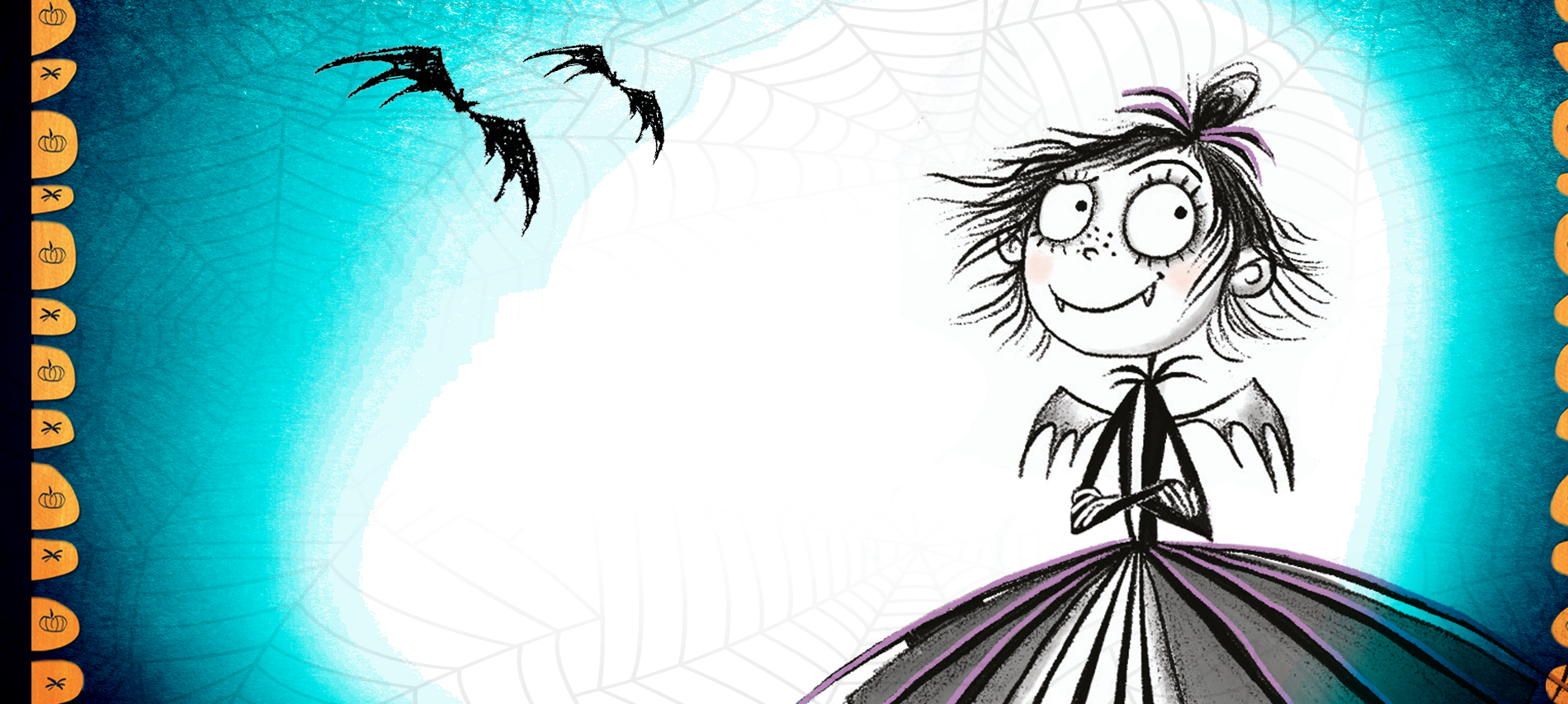
When your well-known world of unicorns and rainbows turns upside down, what do you get? The deliciously spooky world of Laura Ellen Anderson’s ‘Amelia Fang and the Barbaric Ball’!
Little Amelia Fang is a vampire (don’t worry, she won’t bite you!) who has Squashy the pumpkin for her pet! And things are about to turn murkier when the spoilt Prince of Nocturnia, the town where Amelia lives, attends the ball!
Want to find out what happens next? Read on!
“THE KING’S COMING TO THE BALL?” yelled Florence, Amelia’s best friend. This was normal speaking volume for Florence, who was six-feet tall, huge and hairy from head to toe. Everything about her was BIG. Even her voice was big. But so was her heart. Which was also very hairy.
Amelia, Squashy and Florence Spudwick were sitting under the Petrified-Tree-That-Looked-Like-A-Unicorn, where they met every night before school. “THAT’S WELL EXCITING!” bellowed Florence, gobbling down a bowl of Unlucky Arms cereal. “And he’s bringing the Prince!” Amelia said excitedly. “I’ll finally have someone my own AGE to hang out with at the ball! Although I still wish you and Grimaldi could come.”
 
“S’ALL RIGHT” said Florence, putting a hairy arm around Amelia’s shoulders. “I’D SHOW EVERYONE UP WIV MY STUNNING LOOKS!” She grinned, revealing a mouthful of spiky teeth pointing in every direction. The two friends burst out laughing. Squashy bounced up and down, blowing raspberries with his tongue, before nuzzling into Amelia’s tubby for a belly rub.
“Hi, guuuuys!” came a high voice from across the graveyard. It was Grimaldi Reaperton, Amelia’s other best friend. Grimaldi was small and cute, and Death was his middle name. No, really, it was. He dealt with the deaths of small creatures, like squished toads, but when he was older he would take over from his grimpapa and deal with bigger, messier beings.
“Grimaldi!” said Amelia excitedly. “I have BIG news!” “Is it about The Great Gothic Gravestone Carve Off?” said Grimaldi. “Because I really thought that William W” “Whoa, whoa, whoa! Don’t tell me. I haven’t seen the final episode yet…” said Amelia, covering her ears.
“So what’s the news?” said Grimaldi. “THE KING’S COMING TO THE BALL…” Florence blurted out. “Wow! Nobody’s seen him in years,” said Grimaldi. “I was worried he’d died…Grimpapa keeps checking his diePhone in case he missed him. Happens sometimes.”
Suddenly, the Catacomb Academy welcome bones rattled, announcing the beginning of school. “But that’s not all,” said Amelia quickly. “Prince Tangine is coming too!”
“Maybe you’ll actually have FUN this year!” Grimaldi smiled. “I hope so,” said Amelia. “Do you think Prince Tangine likes playing Goblin Tag?”
Excerpted from Amelia Fang and the Barbaric Ball authored by Laura Ellen Anderson, published by Egmont UK Limited 2017. MRP: INR. 350 Copyright © 2017 Laura Ellen Anderson.  All Rights Reserved.

error: Content is protected !!