



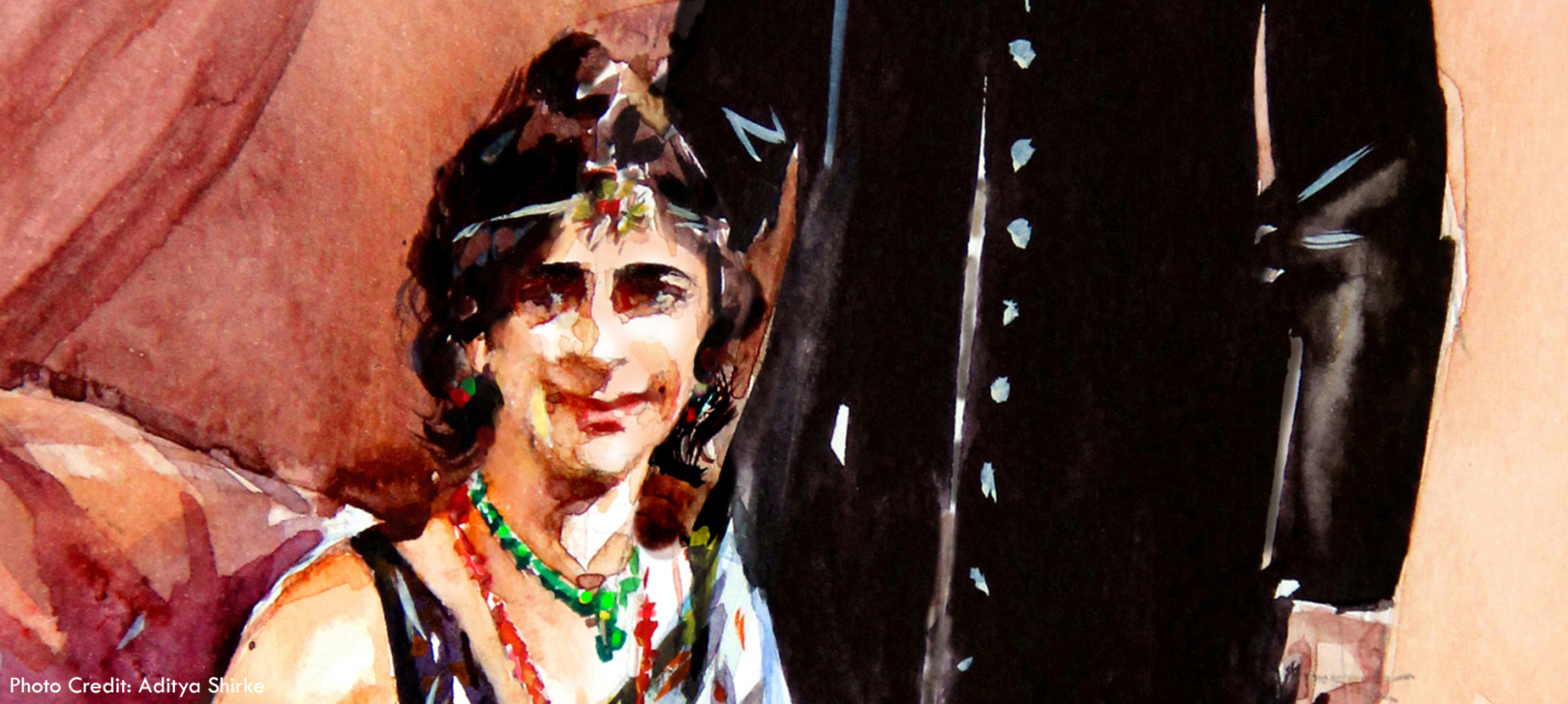
The news of Mohammad Ali Jinnah’s marriage to Ruttie Petit in 1918 shook pre-partitioned India. Everyone wondered about this woman who had made the serene yet strait-laced national leader fall in love with her.
Sheela Reddy in her exhaustive Mr. and Mrs. Jinnah paints an interesting portrait of the enchanting Ruttie Petit Jinnah.


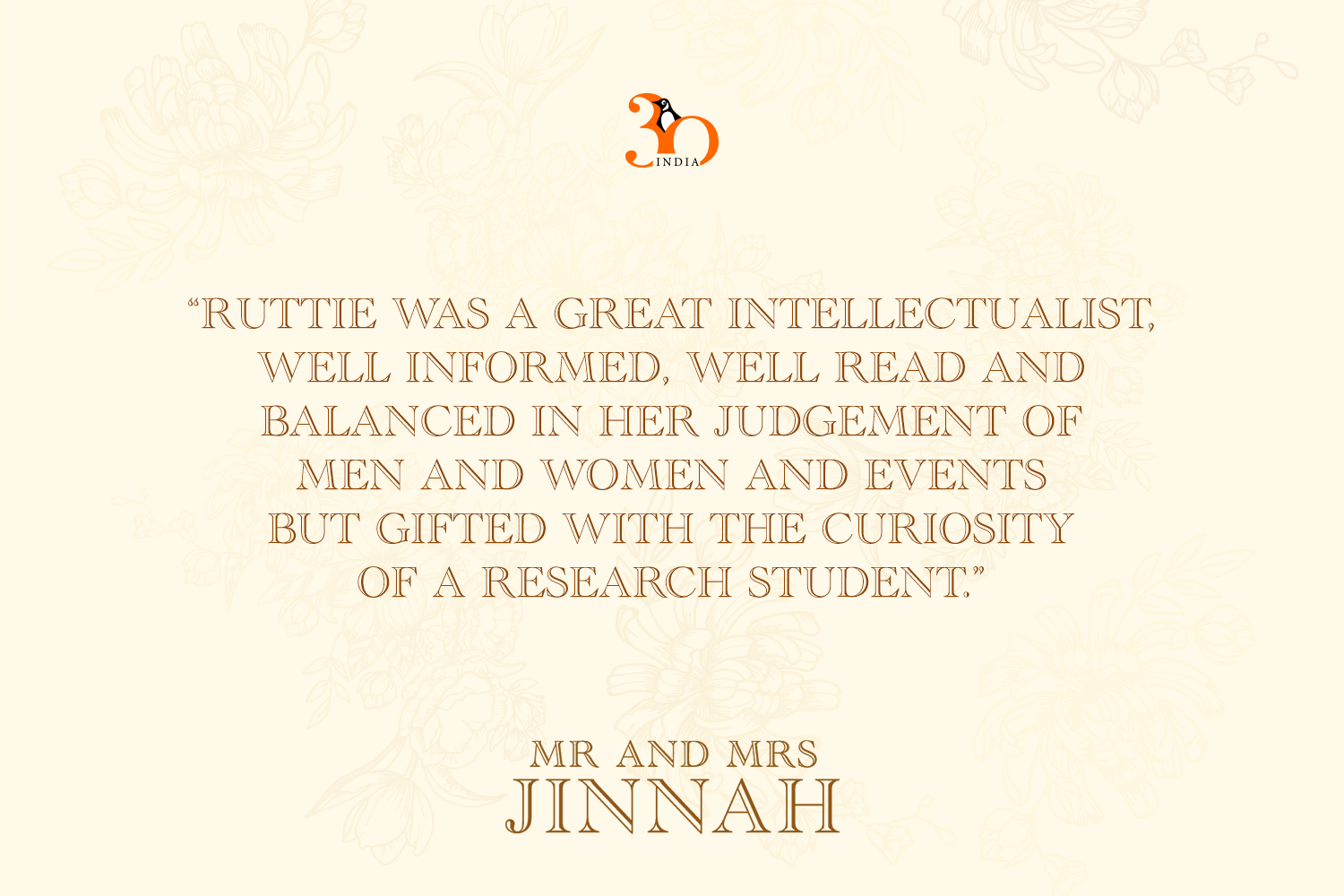
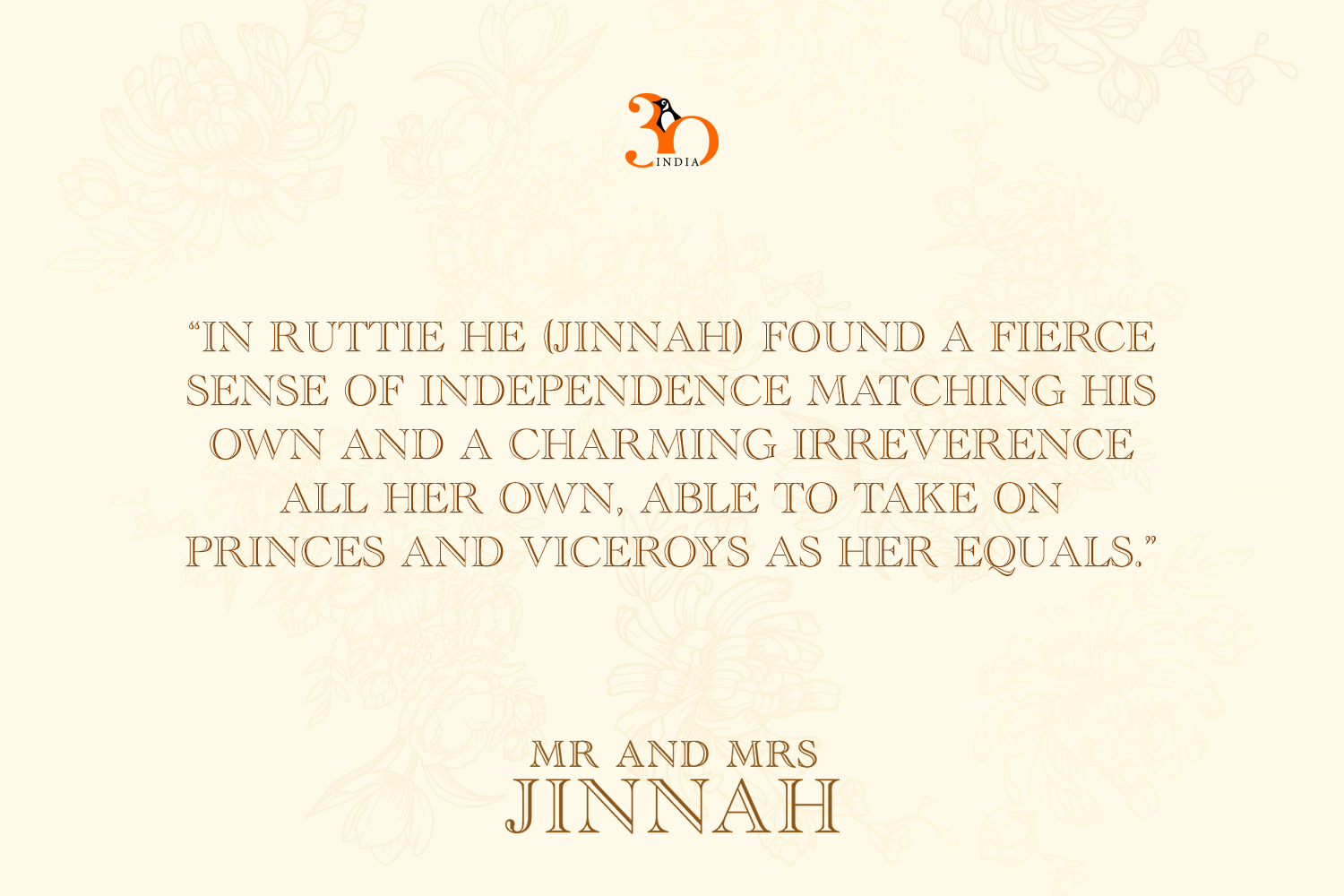
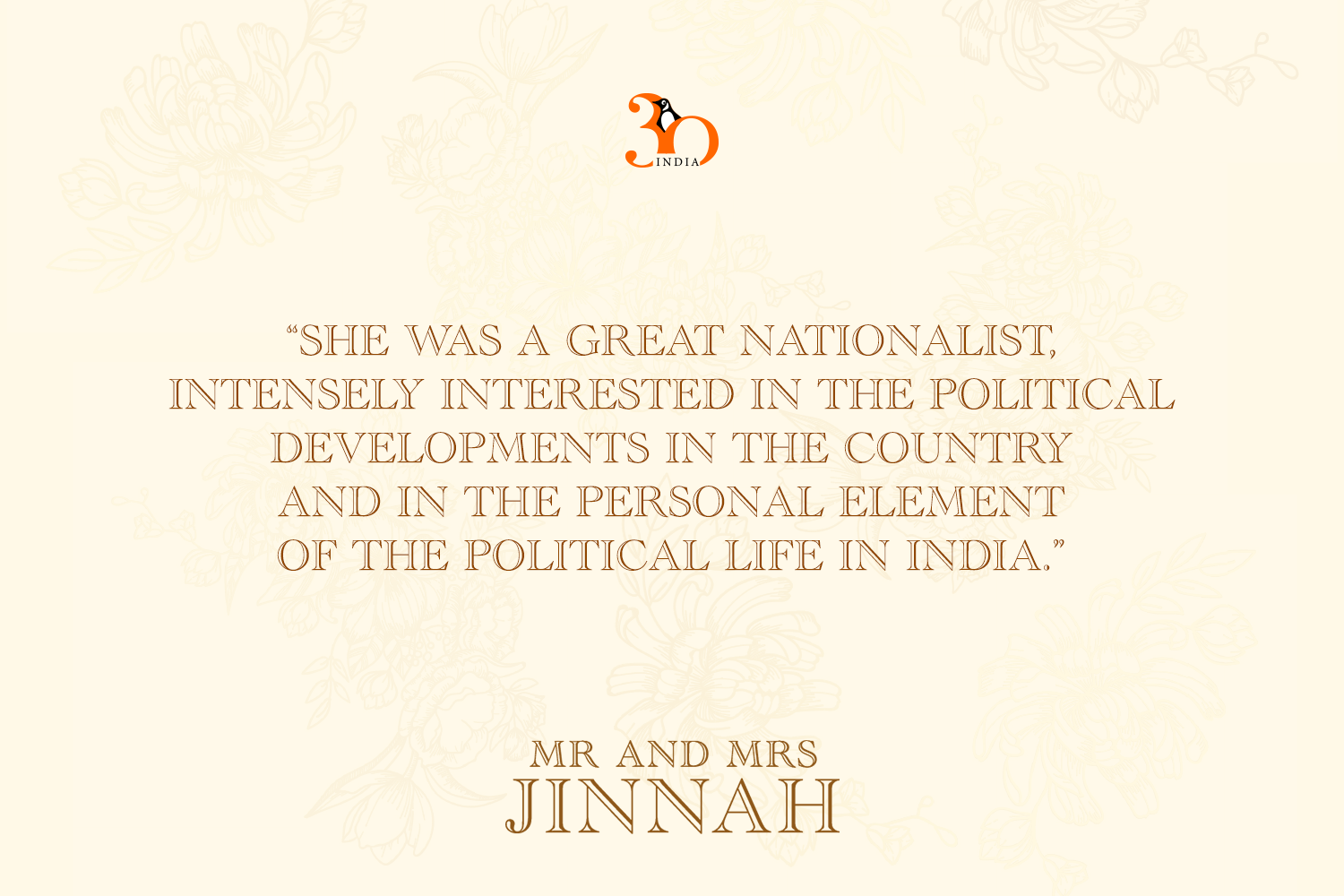
Wasn’t she enigmatic? Tell us how you perceive Ruttie Jinnah.

Tag: Penguin Random House
A Trip Down Memory Lane: 6 Classics to Relive Your Childhood

Some of our most unforgettable books were the ones we read in our childhood. Perhaps it was our unfettered imaginations, or the ease with which we learned things, or perhaps that pure, creative mind that absorbed all stories and made those books memorable throughout our lives.
And now, more than ever, in our chaotic lives, is a good time to return to our glorious reading memories
Here are six classics that will take you on a trip down memory lane!
The Wizard of Oz
When a terrifying tornado crashes through Kansas, Dorothy, a little girl from a neighbourhood, is whisked away with her dog to the magical land of Oz. She thinks she’s lost forever and that’s when she embarks on an enchanting adventure.

Malgudi Days
The fun that Swami and his friends have in the sleepy little town of Malgudi made Malgudi not just a place but an emotion. It meant hopping on a joyride and getting off at the Malgudi Railway Station, to enjoy a fascinating world.

Sherlock Holmes
How can we forget our beloved detective who possesses unique powers of deduction and sets about inspecting complex cases, wearing his famous hat and smoking his pipe? We can’t help but tag along, as Sherlock Holmes conducts thrilling investigations, be it the foggy streets of Victorian London or the beautiful English countryside.

The Jungle Book
A heart-warming story of a friendship between a boy man and the jungle, The Jungle Book tells a story of a ‘man-cub’ being saved from the jaws of an evil tiger and adopted by a pack of wolves. As Mowgli grows, our excitement grows with him and his escapades in the Seeonee jungle.

Around the World in Eighty Days
The candidate: A daring traveller. The challenge: To travel across the world in just eighty days!
As the race against the clock begins, we are taken on a thrilling trip through exotic lands and dangerous places. Sometimes aboard a train, sometimes riding an elephant, it’s an exciting hustle to win the bet.

Heidi
A charming story of the love for a place and for one’s grandparents, in this classic we are mesmerised by the joys experienced by Heidi, living in the Alps with her grandfather. When her strict aunt sends her away to the city, Heidi yearns to return to the happiness of life with her grandfather.

Is there a memory of a book you would like to share? Do you have a beloved classic that you would want to talk about? Tell us – we would LOVE to know!
5 Things You Didn’t Know About Divya Dutta

In a career spanning more than two decades, Divya Dutta has appeared in multiple Hindi, Punjabi, Malayalam and English films. She is noted for playing a wide variety of roles in various film genres, and has established herself as one of the leading actresses of parallel cinema.
Here are a few things you may not have known about the IIFA Award winner.
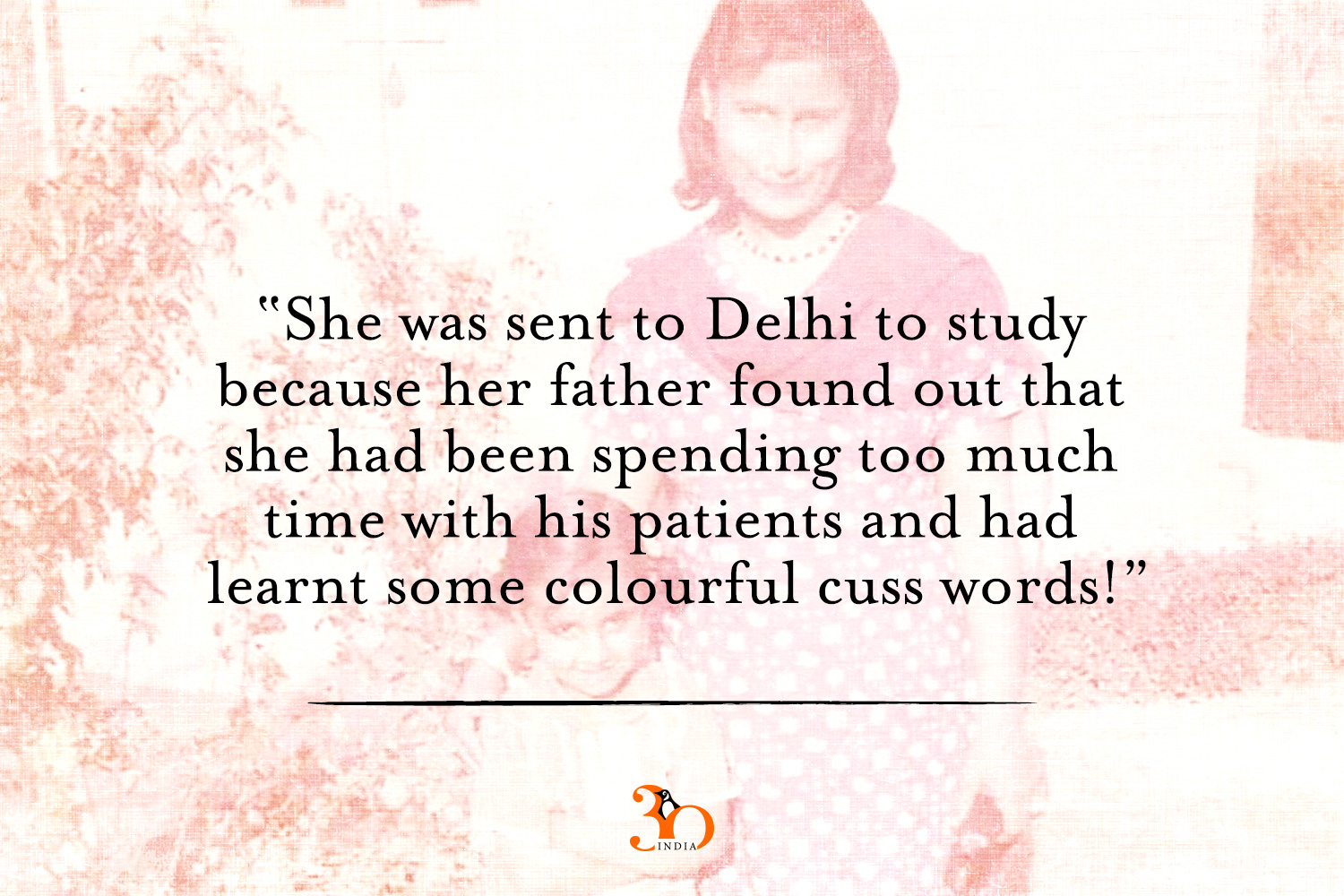
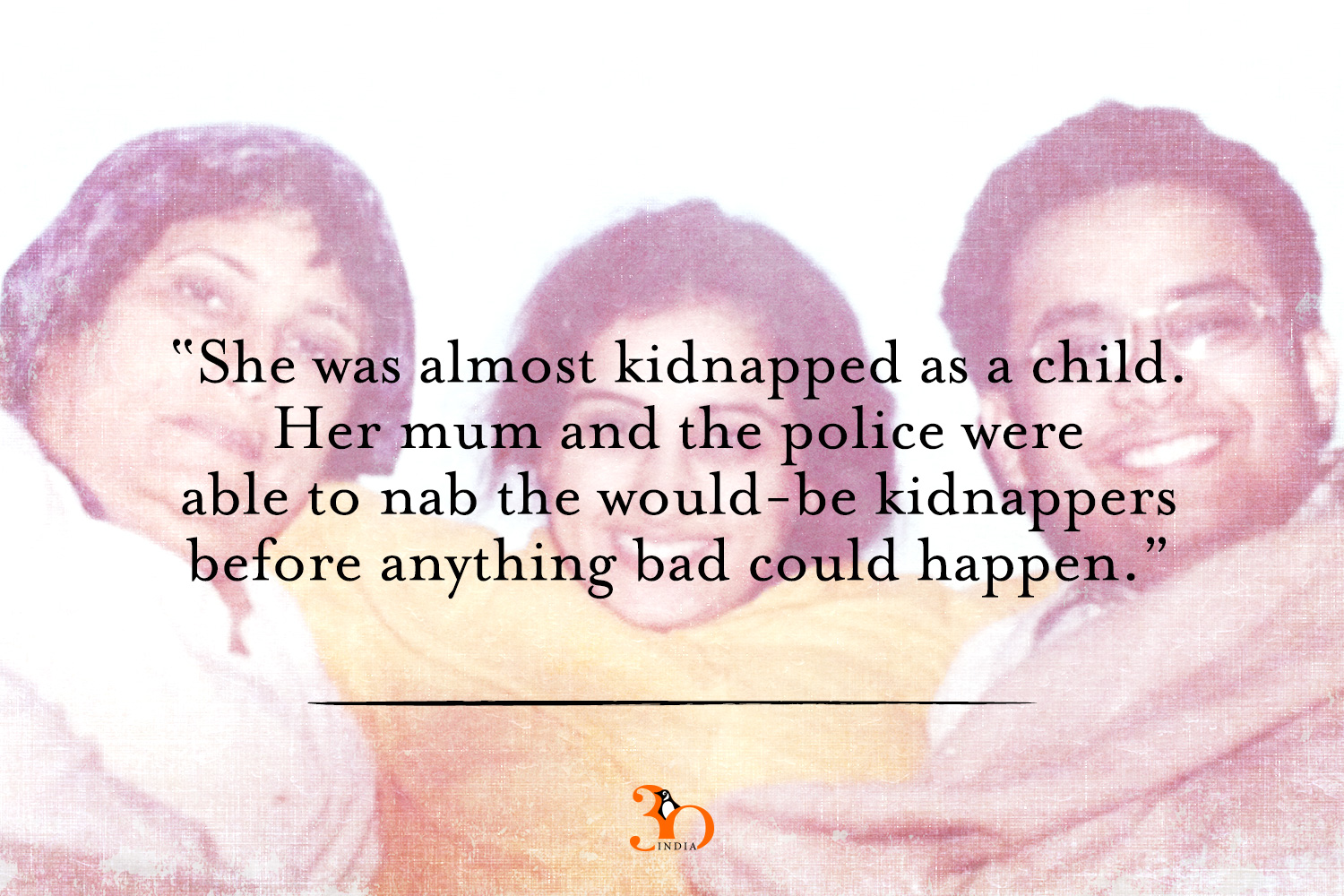
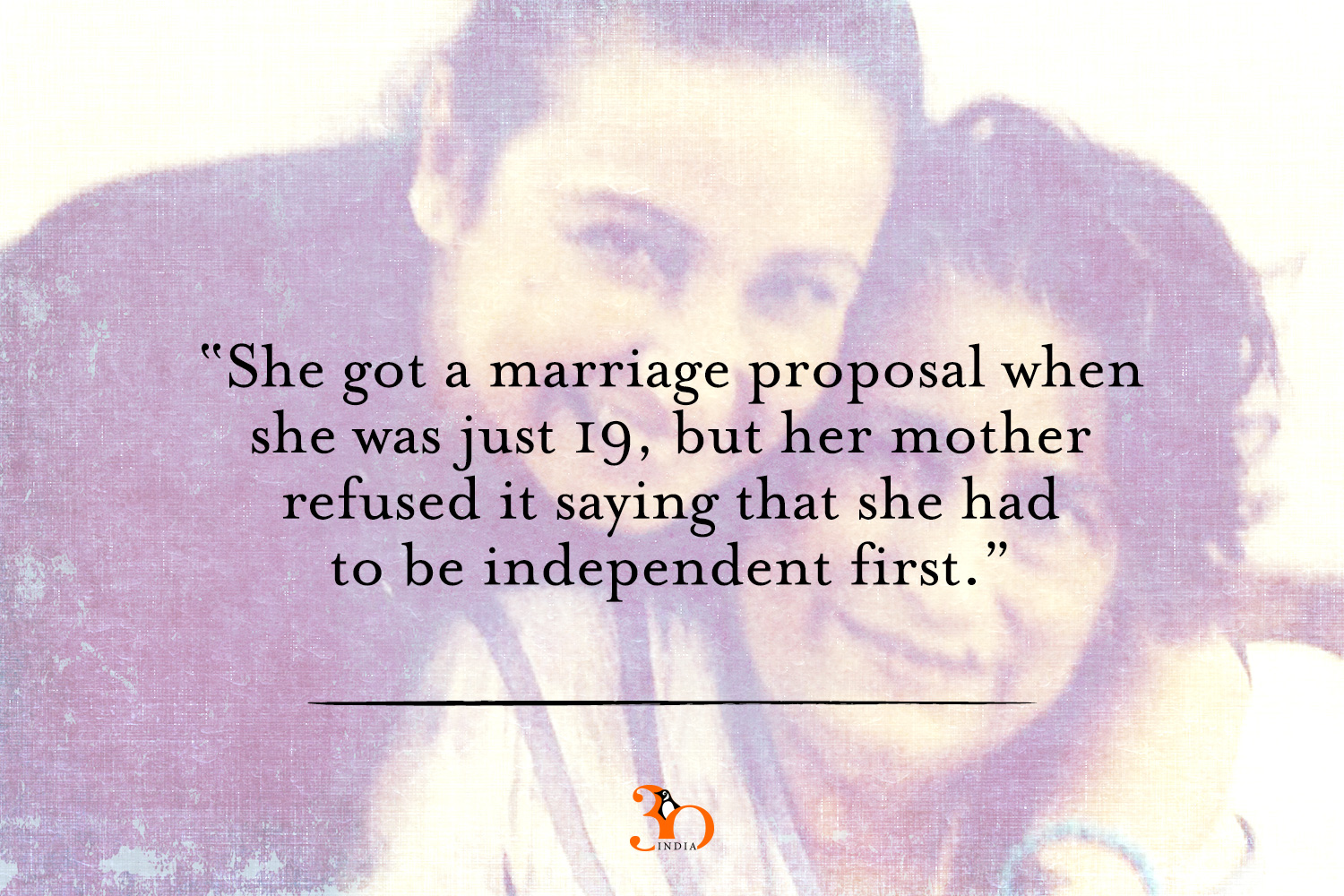
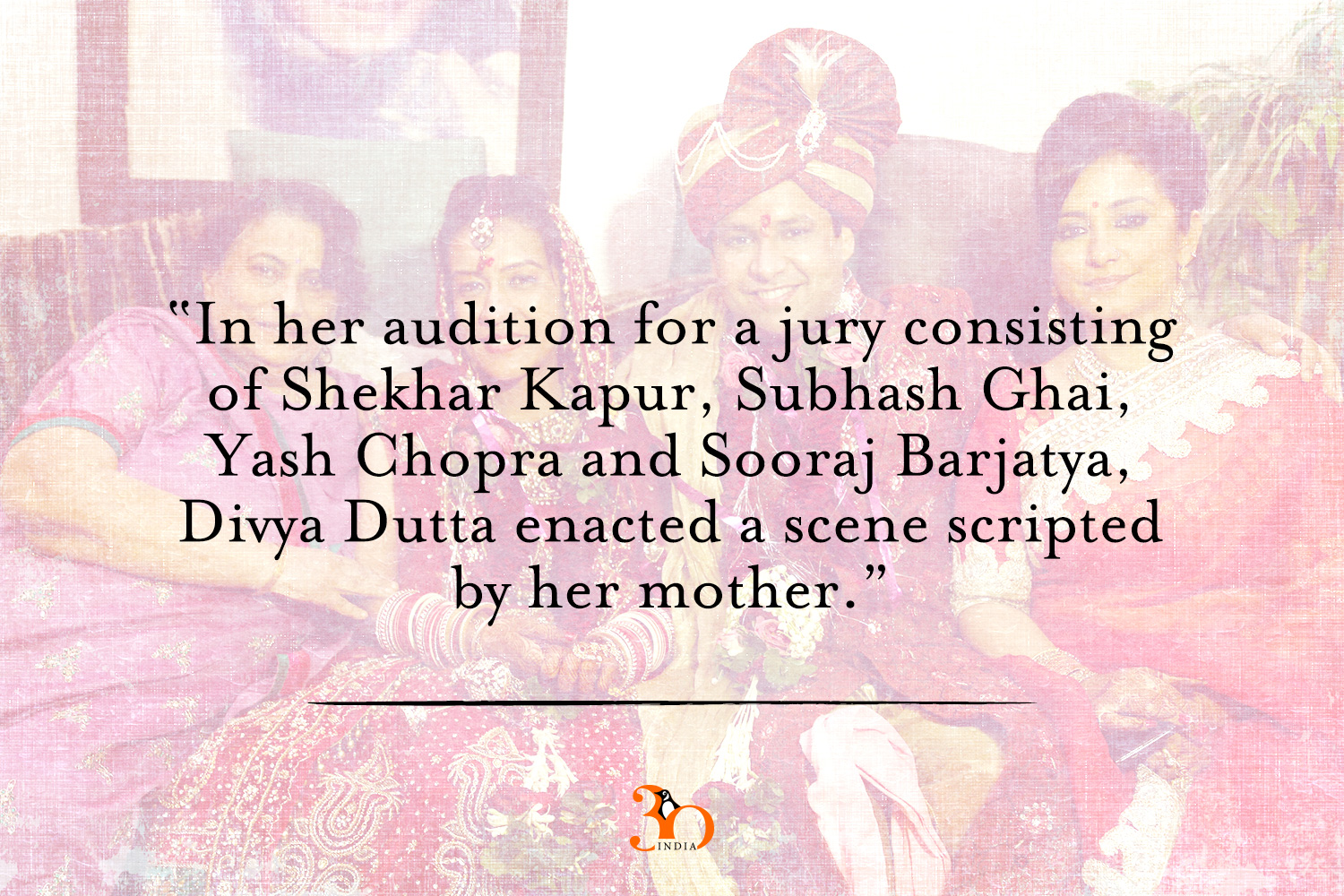
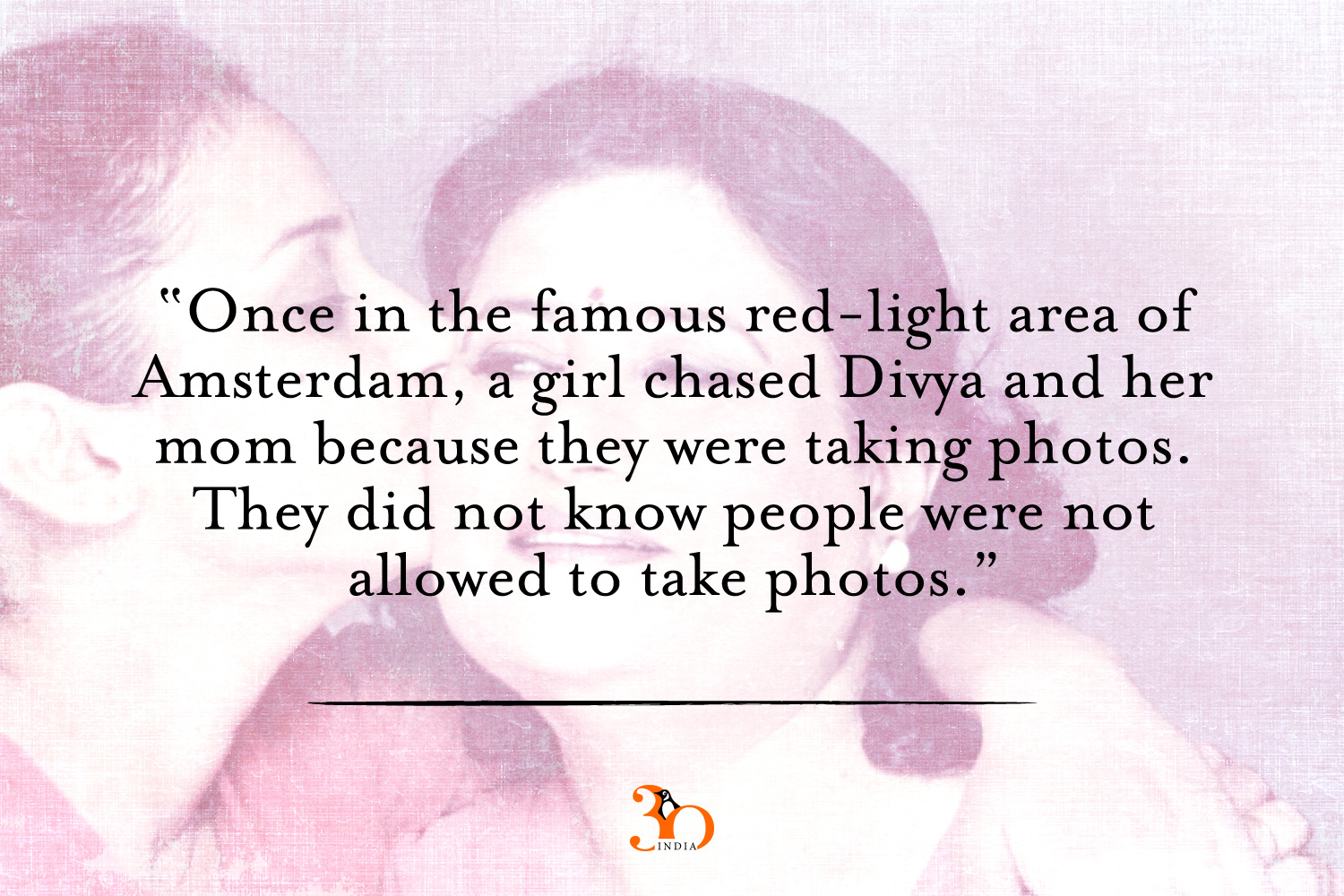
Find out more about Divya Dutta in her memoir Me and Ma.

STAR: The Mantra to Develop a Caring Mindset

Subir Chowdhury has helped numerous corporations to climb up the ladder of success in the course of his career. However, he has observed that while some companies benefit only marginally from the training others do exponentially well.
Chowdhury credits ‘a caring mindset’ as the difference in the performance of the two companies. Furthermore, he states that a caring mindset contains four facets.
The four facets make up a useful and memorable acronym: STAR. Here’s what it stands for:


Do you agree with Subir Chowdhury?

A Poem by William Wordsworth You Should Fall in Love with

She was a Phantom of Delight
She was a Phantom of delight
When first she gleamed upon my sight;
A lovely Apparition, sent
To be a moment’s ornament;
Her eyes as stars of Twilight fair;
Like Twilight’s, too, her dusky hair;
But all things else about her drawn
From May-time and the cheerful Dawn;
A dancing Shape, an Image gay,
To haunt, to startle, and waylay.
I saw her upon nearer view,
A Spirit, yet a Woman too!
Her household motions light and free,
And steps of virgin-liberty;
A countenance in which did meet
Sweet records, promises as sweet;
A Creature not too bright or good
For human nature’s daily food;
For transient sorrows, simple wiles,
Praise, blame, love, kisses, tears, and smiles.
And now I see with eye serene
The very pulse of the machine;
A Being breathing thoughtful breath,
A Traveller between life and death;
The reason firm, the temperate will,
Endurance, foresight, strength, and skill;
A perfect Woman, nobly planned,
To warn, to comfort, and command;
And yet a Spirit still, and bright
With something of angelic light.
—William Wordsworth
Classic Translations and Their Breathtaking Book Covers

The world of literature is full of some enigmatic works that transcend the boundaries of language.
If you are looking to immerse yourself in some beautifully translated works (with stunning covers), look no further.
Here’s a list of five gorgeous looking classic translations that will leave you enthralled!
Kalidasa’s Classics
Kalidasa, perhaps the most extraordinary of India’s classical poets, composed seven major works: three plays, two epic poems and two lyric poems. Originally written in Sanskrit, the legacy of the writings have passed on to generations through various translated media. Kalidasa’s classics are also filled with lush imagery—from the magnificence of the bountiful earth to the glory of the celestial gods, from the hypnotic lilt of birdsong to the passionate love stories between couples. This vibrant verbal imagery translates beautifully into the covers of these books. Whether it be the green hue of the glorious forests in Meghdutam or the myriad of colours in the love story between Shakuntala and Dushyanta in Abhijananashakuntalam or the colour blue depicting the travails of Dashratha in Raghuvamsam, the covers of the translations reflect the beauty of his works.

My Name is Radha by Sadat Hasan Manto
My Name Is Radha is a path-breaking translation of stories that delve deep into Manto’s creative world. In this singular collection, the focus rests on Manto the writer. The vibrant pink hue of the cover reflects the boldness of Manto’s writings and the retro-graphic and font on the cover reflect Muhammad Umar Memon’s attempt to keep true to the artfulness in the translation.

The Broken Mirror, None Other, and Steps in Darkness
Written and translated by the eminent iconoclast Krishna Baldev Vaid, his writings echo an aspect of the turmoil the people and the Indian subcontinent went through during the time of partition. The perpetuating, almost uncontrollable patterns on the covers of these translations perhaps reflect the myriad moods that people suffered through during those times.

Have you seen a cover of a translation which has left you awestruck? Share with us!

6 Quotes from Nadeem Aslam’s Searing New Book that will Leave You in Awe

Against a background of violence and fear, two outsiders in Pakistan try to find an island of calm in which their love can grow. In his characteristically enchanting prose, Nadeem Aslam reflects Pakistan’s past and present in a single mirror—a story of corruption, resilience, and the hope that only love and the human spirit can offer.
Here are six quotes from his new novel – The Golden Legend.


Struck by the searing instances above?

Bill Gates: A Senior Executive Who Goes Where the Action is

There are three important questions I think every person, and certainly every manager, should ask himself or herself about how well they listen: The first: Do you get out from behind your desk and walk the corridors and floors?
To know what is going on, you have to be where the action is. You have to go to your customers. You have to go to the factory, or to the sales floor, or to where the problems are.
To me, Bill and Melinda Gates offer one of the best examples of senior executives going where the action is. Many nonprofit organizations with budgetary concerns do not deliver a high percentage of their income directly to the cause they serve. Thirty percent or more of the money they raise goes to operating costs. In other words, for every dollar you donate to such organizations, the intended audience gets at best 70 cents. The Gates Foundation, on the other hand, does devote a high percentage of its income to helping those in need. One reason is that both Bill and his wife, Melinda, are frequent visitors to the countries in which their foundation is active.
Here is how Bill Gates described their first trip to Africa:
“It was a phenomenal trip. Not long after we returned from this trip, Melinda and I read that millions of poor children in Africa were dying every year from diseases that nobody dies from in the United States: measles, hepatitis B, yellow fever. Rotavirus, a disease I had never even heard of, was killing half a million kids each year. We thought if millions of children were dying, there would be a massive worldwide effort to save them. But we were wrong.”
The Gates Foundation then set up a system to guarantee purchases from drug companies to combat the diseases. Bill Gates concluded, “There’s actually no substitute for going and seeing what is happening.”
The second question to ask yourself about how well you listen: Am I doing most or all of the talking in my interactions with others? Listening is an educational process. When you don’t listen, you don’t learn. Marshall Goldsmith, a well- known executive coach and a good friend, advises people who have a hard time listening to do the following: stop, take a deep breath— and let the other person speak up.
The third question to ask yourself about your ability to listen: Do I try to empathize with other people?
Being empathetic is the second step in being thoughtful. Empathy requires that you attempt to identify with the feelings, thoughts, or attitudes of another person. There are four aspects to empathy. The first is understanding that one person cannot do everything. When you empathize with someone it doesn’t matter who the other person is or what he or she does. I know that every person I interact with is valuable and is deserving of empathy.
The second aspect of empathy that I see around us too much is me, me, and me. We must transform me, me, and me to you, you, and you. We must make sure that everything in our lives is not about me; it must be about someone else.
The third aspect of empathy that deserves attention is our acceptance that each of us is but a very tiny speck in the universe. I am very fortunate that the back of my house overlooks the Pacific Ocean. When I do nothing but look out at the ocean, I sense how small I am. I am known in my field and to my friends and associates as an energetic person. But when I stare out at the Pacific, I am humbled. However, I am also inspired. That sense of my smallness in the world is what gives me energy. It causes me to question myself, and accept that I am not good enough, that I am not contributing enough. I am not making enough impact. I’m not adding enough value to the world around me. My sense of humility does not come from thinking about how important I am, but from how small and insignificant I am compared to the endless expanse of the universe. And ultimately, I believe, our humility is what defines us and makes us selfless.
I find that I often learn some of my most important lessons from children. So I asked a schoolchild what empathy meant to him. I knew that he had just completed a school project about it. Here is what he said. “If somebody fell at our school while we are playing together, even if we are all enjoying the game, if someone goes to try to help out, to take care of the kid, or maybe go get the nurse, I think that is empathy.” To me, that is a perfect description of a caring mindset. He thought of empathy as “kindness.” And that is the fourth aspect of empathy that I want to focus on. Kindness is an action. It is the doing part of empathy. I try to practice it in my work every day.
This is an excerpt taken from ‘The Difference: When Good isn’t Enough’ by Subir Chowdhury.
